

FAQs: Answers to Your Most Pressing Questions
From insurance and appointments to treatments and safety—we're here to make things clear, simple, and stress-free.
Everything You Need to Know—All in One Place
What factors affect spinal cord stimulator success rates for chronic pain?

Spinal cord stimulation can be an effective option for certain types of chronic pain, but success depends on several factors that our team evaluates carefully before recommending it. These include:
- The specific type and source of your chronic pain, since stimulation works better for some conditions than others
- Results from a trial period, which helps predict how well the permanent device will work for you
- Overall health factors that can influence healing and device function
- Realistic expectations about pain reduction versus complete elimination
Dr. Dosanjh only recommends spinal cord stimulation after more conservative options have been explored, and the trial period is a key step in determining whether it's likely to help before committing to the permanent implant.
Can the same orthopedic specialist evaluate both hip and knee arthritis?
Yes. Hip and knee arthritis are closely related conditions, and orthopedic surgeons who treat one commonly treat the other, since the two joints often affect each other mechanically. Pain or dysfunction in the hip can alter how you walk, which places extra strain on the knee, and vice versa. Having both evaluated together can help identify:
- Whether one joint is compensating for the other
- Which joint is the primary source of your symptoms
- A treatment plan that addresses both areas rather than one in isolation
Dr. Newfield regularly evaluates patients with arthritis affecting multiple joints to build a coordinated treatment approach.
How is a custom knee replacement different from a standard knee replacement?
A standard knee replacement uses implants in common, pre-manufactured sizes, while a custom approach uses imaging of your specific knee to plan implant sizing and positioning tailored to your unique anatomy. Some potential benefits of a more personalized approach include:
- A closer match to your natural knee alignment and movement
- Potentially more precise implant fit
- A surgical plan built around your specific joint, rather than an average patient
Not everyone is a candidate for the same approach, and Dr. Newfield can help determine which option makes the most sense based on your anatomy and condition during a consultation.
What questions should I ask a surgeon before deciding on knee replacement?
Going into a consultation with the right questions helps you make a confident, informed decision. Consider asking:
- What conservative treatments have I not yet tried, and are they still worth pursuing?
- What does recovery typically look like, and how long before I return to normal activity?
- What are the risks and potential complications specific to my situation?
- Is a partial or full replacement more appropriate for my condition?
- How many procedures like mine have you performed?
A good surgeon will welcome these questions and take the time to make sure you understand your options before moving forward.
What should I look for when choosing an orthopedic surgeon for a knee condition?
Choosing the right surgeon matters as much as choosing the right treatment. A few things worth prioritizing in your search:
- Experience specifically with knee conditions, not just general orthopedics
- A practice that offers conservative options first, rather than jumping straight to surgery
- Clear communication about your diagnosis, treatment options, and realistic expectations
- Access to a full care team, including physical therapy and regenerative medicine, for recovery support
At Medici, Dr. Newfield's approach centers on finding the least invasive option that will restore your function, with surgery reserved for when it's genuinely the right next step.
How do I know when knee pain may require knee replacement surgery?
Knee replacement is typically considered only after conservative treatments haven't provided enough relief, and it's usually reserved for advanced arthritis or significant joint damage. Signs that your knee pain may be reaching that point include:
- Pain that persists even at rest, not just with activity
- Significant loss of mobility that limits daily tasks like stairs or standing from a chair
- Visible joint deformity or bone-on-bone contact seen on imaging
- Little to no improvement after physical therapy, injections, or medication
Even when replacement becomes a realistic option, Dr. Newfield will walk you through where you stand and what alternatives may still be worth trying first.
What hidden orthopedic injuries can appear days after an auto accident?
It's common for certain injuries to surface gradually rather than immediately. Some of the most frequently delayed symptoms include:
- Whiplash and soft tissue neck injuries, which often peak in stiffness and pain a day or two later
- Herniated or bulging discs, which can cause radiating pain or numbness as inflammation builds
- Ligament sprains in the knees or shoulders from bracing during impact
- Concussion symptoms, including headaches or difficulty concentrating
- Stress fractures that weren't visible on initial imaging
If new or worsening symptoms show up in the days following an accident, it's worth scheduling an evaluation rather than waiting to see if they resolve on their own.
Should I see an orthopedic doctor even if I can still walk after a car accident?
Yes. Being able to walk or move after an accident doesn't rule out a significant injury. Adrenaline and inflammation can mask pain for hours or even days, which means soft tissue damage, ligament injuries, or minor fractures can go unnoticed until the initial shock wears off. An early evaluation accomplishes two things:
- It identifies injuries before they have a chance to worsen from continued activity
- It creates a documented medical record, which matters for personal injury or insurance claims
Our team regularly works with patients recovering from auto accidents and can help you understand what's going on, even when symptoms seem mild at first.
How does a sports medicine orthopedic specialist help athletes return to activity safely?
Getting back to your sport too quickly is one of the most common reasons injuries become chronic problems. Our sports medicine approach focuses on treating the injury thoroughly while building a return-to-activity plan that matches your body's actual healing progress rather than a generic timeline. This typically includes:
- An accurate diagnosis using imaging and a hands-on assessment of the injury
- A treatment plan that may combine physical therapy, regenerative medicine, or bracing depending on your sport and position
- Progressive strength and mobility benchmarks before clearing you for full activity
- Guidance on technique or training adjustments that may help prevent re-injury
The goal is getting you back to what you love doing, at a pace that protects the progress you've made.
Should I see a shoulder specialist for pain, weakness, or limited range of motion?
Yes, especially if any of these symptoms last more than a couple of weeks or interfere with daily activities like reaching overhead or sleeping on that side. Shoulder pain often gets dismissed as normal wear and tear, but the shoulder is one of the most complex joints in the body, and several different structures can be the source of the problem. It's worth having evaluated if you notice:
- Pain that worsens at night or when lying on the affected side
- Weakness when lifting or reaching, even with light objects
- A noticeable decrease in range of motion compared to the other shoulder
- Clicking, popping, or catching sensations during movement
Conditions like rotator cuff tears, impingement, and arthritis all present differently, and Dr. Newfield's evaluation can pinpoint which one is affecting you before recommending treatment.
What orthopedic injuries require same-day or emergency treatment?
Most orthopedic injuries can be scheduled for evaluation within a day or two, but a few situations call for emergency care right away rather than waiting for a clinic appointment:
- A visibly deformed limb or suspected broken bone
- A joint that appears dislocated
- Loss of sensation, color change, or inability to feel a limb
- An open fracture, where bone breaks through the skin
- Sudden inability to bear any weight after a serious fall or accident
For these situations, please go to your nearest emergency room. For injuries that are painful and concerning but don't involve these red flags, our team can typically see you quickly to get you started on the right treatment.
How soon should I see an orthopedic doctor after a sudden injury?
Sooner is better, ideally within a day or two of the injury. Early evaluation matters because some injuries look minor at first but involve fractures, ligament tears, or other damage that isn't obvious without imaging. Waiting too long can also allow swelling and inflammation to mask the true extent of an injury, which can complicate treatment down the line.
If you're dealing with a sports injury, a fall, or an accident-related injury, our team can typically get you in quickly for an evaluation and start you on the right treatment path before the issue has a chance to worsen.
When is elbow replacement considered, and are there alternatives to surgery?
Elbow replacement is typically reserved for cases of severe arthritis or joint damage that haven't responded to more conservative treatment, and even then, it's considered a last resort rather than a first option. Before reaching that point, our team explores alternatives such as:
- Physical therapy to strengthen surrounding muscles and improve mobility
- Anti-inflammatory injections to reduce pain and swelling
- Regenerative medicine options like PRP, which can support the joint's natural healing response
- Activity modification and bracing to reduce strain on the joint
Dr. Newfield evaluates each case individually, and the goal is always to help you regain function using the least invasive option that will genuinely work for your situation.
What types of elbow pain require evaluation by an orthopedic specialist?
Elbow pain that interferes with everyday tasks, like lifting a coffee cup, turning a doorknob, or shaking someone's hand, is a good reason to have it evaluated. Specific signs worth paying attention to include:
- Pain on the outer or inner elbow that worsens with gripping or twisting motions
- Swelling, warmth, or visible deformity around the joint
- Reduced range of motion or a locking, catching sensation
- Numbness or tingling radiating into the forearm or hand
- Pain following a fall or direct impact to the elbow
Conditions like tennis elbow, golfer's elbow, and arthritis are common culprits, and most respond well to conservative treatment when addressed early.
Should I see an orthopedic foot specialist for heel pain that will not go away?
Heel pain that lingers beyond a couple of weeks is worth having looked at, especially if it's most intense with your first steps in the morning. Persistent heel pain is often connected to conditions like plantar fasciitis, but it can also stem from a stress fracture, nerve irritation, or a tendon issue, each of which calls for a different treatment approach. Trying to push through heel pain without a diagnosis can lead to compensating in ways that strain your knees, hips, or lower back.
Our team can identify what's driving the pain and start with conservative options like targeted physical therapy or regenerative treatments before considering anything more invasive.
Can an orthopedic foot and ankle specialist treat both chronic pain and sudden injuries?
Yes. Foot and ankle specialists are trained to handle the full range, from an acute sprain that happened yesterday to arthritis or tendon pain that's been building for years. The evaluation and treatment approach differ depending on which one you're dealing with:
- Sudden injuries typically call for imaging, bracing or immobilization, and a plan to protect the area while it heals
- Chronic pain usually involves identifying an underlying cause, such as joint degeneration, tendon overuse, or biomechanical issues, and building a longer-term treatment plan
At Medici, we treat both types of cases regularly, and our synergistic approach means physical therapy, regenerative medicine, and orthopedic care can all work together depending on what your foot or ankle needs.
What ankle symptoms mean I should see an orthopedic ankle specialist?
Ankles are easy to dismiss until they start limiting what you can do. It's worth having your ankle evaluated if you notice:
- Swelling or bruising that doesn't improve after a few days
- Pain that makes it difficult to bear weight
- A feeling of instability or the ankle "giving way"
- Persistent stiffness, especially in the morning
- Pain that lingers weeks after an old sprain or injury
Ankle problems often get worse when left untreated, since compensating for pain can affect how you walk and put strain on your knees and hips. Our team can evaluate what's going on and recommend the least invasive path toward relief.
What is the difference between an orthopedic spine surgeon and a neurosurgeon?
Both specialists can treat spine conditions, and the overlap often confuses patients. The distinction comes down to training background rather than capability. Orthopedic spine surgeons complete their training in orthopedic surgery before specializing further in the spine, giving them a strong foundation in bones, joints, and the musculoskeletal system as a whole. Neurosurgeons train first in the nervous system, including the brain, before specializing in spine care.
In practice, many spine conditions can be treated effectively by either type of specialist. What matters more is finding a provider who takes a conservative-first approach and treats surgery as a last resort, which is exactly how our team at Medici approaches spine care.
When should back pain be evaluated by an orthopedic spine surgeon?
Most back pain improves with conservative care, so an orthopedic spine evaluation isn't usually the first step. It becomes worth scheduling when pain persists beyond a few weeks despite rest and basic treatment, or when it's paired with other warning signs. Reach out for an evaluation if you're experiencing:
- Pain that radiates down one or both legs
- Numbness, tingling, or weakness in your legs or feet
- Back pain following a fall, accident, or direct injury
- Pain that disrupts sleep or daily activities despite home care
Dr. Sonny Dosanjh and our spine team specialize in identifying the source of back pain early, and our philosophy always starts with the least invasive option that can restore your function.
How do I find the right orthopedic surgeon near me for my specific injury or condition?
The right fit depends on your specific condition, not just proximity. At Medici Orthopaedics & Spine, we start every patient with a thorough evaluation so we can match you with the most appropriate path of care, whether that means Dr. Darren Newfield for surgical orthopedic needs or a conservative-first approach through our pain management and physical therapy team. A few things worth considering as you search:
- Look for a practice that offers both surgical and non-surgical options, so treatment fits your condition rather than the other way around
- Ask whether the provider treats your specific injury regularly, not just orthopedics in general
- Check that the practice coordinates care across specialties, since many injuries respond best to a combined approach
We serve patients across Kennesaw, Snellville, Buckhead, and Marietta, and our team will help point you toward the right specialist within our practice once we understand what you're dealing with.
How do I know if I need surgery or non-surgical orthopedic care?
This is one of the most common questions patients ask, and it usually comes down to a few key factors.
Signs that non-surgical care may be appropriate:
- Your pain is manageable and responds to rest, therapy, or medication
- You have good range of motion despite discomfort
- Imaging shows mild to moderate joint or disc changes
- You haven't yet tried conservative treatments like physical therapy or injections
Signs surgery may be worth discussing:
- Pain significantly limits daily activities despite conservative treatment
- You have progressive weakness, numbness, or instability
- Imaging reveals significant structural damage
- Non-surgical options have been tried without meaningful improvement
The clearest answer comes from a thorough evaluation, since imaging alone doesn't tell the whole story. A specialist can assess your specific condition and help you understand which path truly fits your situation.
When is physical therapy recommended after orthopedic surgery?
Physical therapy timing depends on the specific procedure, but it typically begins earlier than most patients expect.
- Same-day or next-day mobility work is common after joint replacements, to encourage early movement
- Formal outpatient physical therapy usually starts within the first one to two weeks post-surgery
- Progressive rehab phases follow, moving from gentle range-of-motion work to strength and functional training
- Duration varies by procedure, ranging from a few weeks for minor surgeries to several months for major joint replacements
Starting physical therapy at the right time, and following the plan consistently, plays a major role in how well and how quickly you recover. Your surgical team will provide a specific timeline based on your procedure.
Can orthopedic surgery specialists treat both joint and spine pain?
Yes, many orthopedic practices, including multidisciplinary ones, are equipped to treat both joint and spine conditions, though often through different specialists working together.
- Orthopedic surgeons may focus on joints like knees, hips, and shoulders, or specialize in spine surgery specifically
- Interventional pain specialists often handle spine-related pain through non-surgical methods like injections
- Coordinated care teams allow patients with both joint and spine issues to receive comprehensive treatment without bouncing between unrelated providers
If you're dealing with pain in multiple areas, a practice with both orthopedic and spine expertise under one roof can simplify your care and ensure your treatments work together rather than in isolation.
What makes an orthopedic surgeon highly rated?
Strong orthopedic surgeons tend to share several key qualities beyond just surgical skill.
- Conservative-first approach, exploring non-surgical options before recommending surgery
- Clear communication, explaining conditions and treatment options in understandable terms
- Specialized experience in the specific procedure or condition you're facing
- Strong post-surgical support, including coordinated physical therapy and follow-up care
- Transparent outcomes, willing to discuss success rates, risks, and realistic expectations
- Patient-centered care, taking time to understand your goals, not just your diagnosis
Ratings and reviews can offer useful insight, but the best measure is often how a surgeon makes you feel during your consultation, informed, respected, and confident in your care plan.
When should I see a trauma orthopedic surgeon?
Orthopedic trauma care is for injuries that are typically sudden, severe, or involve broken bones and significant soft tissue damage.
You should seek a trauma orthopedic specialist for:
- Fractures, especially complex or displaced breaks
- Injuries from car accidents, falls, or sports collisions
- Dislocated joints
- Injuries involving damage to bone, ligaments, and soft tissue together
- Work-related injuries involving significant trauma
Many of these situations require prompt evaluation, sometimes urgently, to ensure proper healing and prevent long-term complications. If you're unsure whether your injury qualifies, it's always better to have it assessed sooner rather than later.
Is robotic knee surgery better than traditional knee replacement?
Robotic-assisted knee surgery offers some meaningful advantages, though "better" depends on your specific situation and anatomy.
Potential benefits of robotic assistance include:
- Increased precision in implant sizing and placement
- Better alignment, which may improve long-term joint function
- Less soft tissue disruption in some cases, potentially supporting faster recovery
- Customization based on your unique joint anatomy and movement patterns
That said, traditional knee replacement remains highly effective and has decades of proven outcomes behind it. The best approach depends on factors like your anatomy, the complexity of your case, and your surgeon's expertise with each technique. This is a conversation worth having directly with your surgeon to determine the right fit for you.
What is robotic orthopedic surgery?
Robotic orthopedic surgery uses computer-guided technology to help surgeons perform procedures, like joint replacements, with greater precision.
Here's how it generally works:
- Pre-surgical imaging creates a detailed 3D model of your specific joint anatomy
- The surgeon plans the procedure using this model, mapping exact implant placement before entering the operating room
- Robotic-assisted tools help execute the plan during surgery, guided in real time by the surgeon
- The surgeon remains in full control throughout, the robotic system acts as a precision tool, not an autonomous operator
This technology is most commonly used in knee and hip replacements, where precise alignment can significantly impact comfort and longevity of the implant.
What does an orthopedic surgeon for shoulder injuries treat?
Shoulder specialists treat a wide range of conditions, from acute injuries to gradual wear-and-tear issues.
- Rotator cuff tears, both partial and complete
- Shoulder instability or dislocations
- Labral tears, including SLAP tears
- Shoulder arthritis, including conditions that may eventually require joint replacement
- Impingement syndrome, where tendons become pinched during movement
- Fractures involving the shoulder joint or surrounding bones
- Frozen shoulder (adhesive capsulitis)
Shoulder surgeons typically start with conservative treatments like physical therapy or injections before considering surgical options, reserving surgery for cases where it's truly the most effective path to restoring function.
When should I see a rotator cuff surgeon for shoulder pain?
Not every shoulder pain requires a surgeon, but certain signs suggest it's time for a specialized evaluation.
Consider seeing a rotator cuff specialist if you experience:
- Shoulder weakness that makes it difficult to lift your arm or hold objects
- Pain that persists for several weeks despite rest, ice, or physical therapy
- A specific injury, like a fall or sudden pull, followed by sharp pain or loss of function
- Night pain that disrupts sleep, especially when lying on the affected side
- A popping or tearing sensation at the time of injury
Many rotator cuff issues respond well to conservative treatment, so a specialist can also help determine whether physical therapy or injections might resolve the issue before surgery is even considered.
How long does knee replacement physical therapy take?
Physical therapy timelines vary based on the individual, but most patients follow a general recovery arc.
- First 2 to 6 weeks: Focus on regaining range of motion, reducing swelling, and beginning basic strengthening
- 6 weeks to 3 months: Progressive strengthening and balance work, with many patients walking comfortably without assistive devices
- 3 to 6 months: Continued strength building, often including return to low-impact activities like walking longer distances or swimming
- Up to 12 months: Full strength and endurance gains continue for some patients, especially those returning to more demanding activities
Your specific pace depends on factors like your pre-surgery fitness level, age, and how closely you follow your rehab plan. Your surgical and physical therapy team will adjust your timeline based on your individual progress rather than a fixed schedule.
What should I ask a knee replacement specialist before surgery?
Going into a surgical consultation with the right questions can help you feel more confident and informed about your decision.
Consider asking:
- What non-surgical options have I not yet tried, and would they be worth exploring first?
- What does recovery typically look like, and how long before I return to normal activities?
- What are the specific risks and potential complications for someone with my health profile?
- What type of implant do you recommend, and why is it a good fit for me?
- What does the rehabilitation plan look like after surgery?
- How many similar procedures have you performed, and what are typical outcomes?
A good specialist will welcome these questions and take time to answer them thoroughly. If you feel rushed or unheard during this conversation, it may be worth seeking a second opinion before moving forward.
How do I choose the best doctor for knee replacement near me?
Finding the right knee replacement specialist is about more than just proximity. A few factors can help guide your decision.
- Experience and specialization in knee procedures specifically, not just general orthopedics
- Conservative-first philosophy, meaning the surgeon explores non-surgical options before recommending surgery
- Clear communication style, so you understand your condition and options without medical jargon
- Access to a full care team, including physical therapy and pain management, for comprehensive recovery support
- Patient reviews and outcomes, which can offer insight into real-world experiences
The right fit is a surgeon who takes time to understand your specific situation and goals, not just your diagnosis. An initial consultation is a good way to gauge whether their approach aligns with what you're looking for.
How can I relieve lower back pain at home?
Many cases of lower back pain respond well to simple, consistent at-home strategies, especially in the early stages.
- Gentle movement, like walking or light stretching, rather than prolonged rest
- Heat or ice therapy, depending on whether your pain is more muscular or inflammatory
- Core-strengthening exercises to better support your spine
- Good posture habits, especially if you sit for long periods during the day
- Over-the-counter anti-inflammatories, used as directed
If your pain persists beyond a couple of weeks, worsens, or comes with symptoms like numbness or weakness, it's a sign to have it evaluated rather than continuing to manage it alone. Early evaluation can prevent a manageable issue from becoming a more complicated one.
What is the best non-opioid medication for chronic pain?
There's no single "best" non-opioid medication, since the right choice depends on the type and source of your pain, but several options are commonly used effectively.
- NSAIDs (like ibuprofen or naproxen) for inflammation-related pain
- Acetaminophen for general pain relief with a favorable safety profile
- Nerve pain medications, such as gabapentin, for neuropathic conditions
- Topical treatments, including creams or patches, for localized pain
- Muscle relaxants, when muscle spasm is contributing to discomfort
Non-opioid approaches are often most effective when combined with other therapies, like physical therapy or interventional treatments, rather than relied on alone. A pain management specialist can help find the right medication strategy for your specific condition.
What are the best pain relief options after knee surgery?
Recovering comfortably after knee surgery usually involves a combination of approaches rather than a single solution.
- Physical therapy to rebuild strength and range of motion while managing pain through movement
- Ice and elevation to reduce swelling in the early recovery period
- Non-opioid medications, when appropriate, to manage discomfort with fewer side effects
- Nerve blocks or targeted injections for more significant post-surgical pain
- Gradual activity progression, guided by your care team, to avoid setbacks
Every recovery plan should be personalized to your procedure and pain tolerance. Working closely with your surgical team ensures you're managing pain effectively while still progressing toward full recovery.
Can a herniated disc heal naturally without surgery?
In many cases, yes. A large percentage of herniated discs improve over time with conservative care, and surgery often isn't the first or only path forward.
Non-surgical approaches that support healing include:
- Physical therapy to relieve pressure and strengthen supporting muscles
- Activity modification to avoid movements that aggravate the disc
- Anti-inflammatory treatments, including targeted injections when appropriate
- Time, since many disc herniations shrink or resolve on their own over weeks to months
That said, healing looks different for everyone, and some cases with significant nerve involvement may need more advanced intervention. A thorough evaluation helps determine whether your herniated disc is on a good path or needs additional support.
How can I strengthen my joints and reduce pain naturally?
Strengthening your joints naturally comes down to a combination of movement, nutrition, and smart daily habits.
- Targeted strength training around major joints (knees, hips, shoulders) improves stability and reduces strain
- Low-impact activity like swimming or cycling keeps joints active without excess wear
- Anti-inflammatory nutrition, rich in omega-3s and antioxidants, may help reduce joint inflammation
- Maintaining a healthy weight reduces the load placed on weight-bearing joints
- Proper hydration supports cartilage health and joint lubrication
These habits work best as part of a consistent, personalized plan. If pain persists despite lifestyle changes, it may be worth exploring options like physical therapy or regenerative treatments to address the underlying cause.
Can physical therapy help with bulging disc recovery?
Yes, physical therapy is often one of the most effective first-line treatments for a bulging disc. Many patients see meaningful improvement without ever needing injections or surgery.
A tailored PT program can:
- Strengthen the core and back muscles that support your spine
- Improve posture and movement patterns that may be contributing to your pain
- Increase flexibility in the surrounding muscles and ligaments
- Reduce pressure on the affected disc through targeted exercises
Recovery timelines vary from person to person, and some cases benefit from combining physical therapy with other conservative treatments, like epidural injections. A spine specialist can assess your specific disc and recommend the right starting point.
What are my options if I want an alternative to knee replacement surgery?
Many patients are surprised by how many effective options exist before surgery becomes necessary. At Medici, we always start with the least invasive path that can still restore your quality of life.
- Physical therapy to strengthen supporting muscles and improve joint mechanics
- Regenerative medicine, including PRP (platelet-rich plasma) or stem cell therapy, to support tissue healing
- Viscosupplementation injections to help cushion and lubricate the joint
- Bracing to reduce stress on damaged areas
- Weight management and activity modification to ease pressure on the knee
Surgery is never off the table if it's genuinely needed, but we believe it should be a last resort, not a first step. An evaluation can help determine which combination of these options fits your situation best.
What are the best exercises for arthritis pain relief?
Movement is one of the best tools for managing arthritis, even when your joints feel stiff or sore. The key is choosing exercises that support your joints instead of stressing them.
- Low-impact cardio like walking, swimming, or cycling keeps joints mobile without added strain
- Gentle strength training builds the muscles that support and protect your joints
- Range-of-motion exercises such as stretching or yoga help maintain flexibility
- Water-based exercise is especially helpful for hips and knees, since water reduces the load on your joints
Starting slowly and staying consistent matters more than intensity. A physical therapist can help build a routine tailored to your specific joints and pain levels, so you're moving in ways that help rather than aggravate your condition.
How do I find the best orthopedic surgeon for my specific injury?
Choosing the right orthopedic surgeon starts with finding someone who has experience treating your specific condition and takes the time to understand your goals. The best surgeon isn't simply the one who performs the most surgeries—it's someone who recommends the treatment that's most appropriate for your individual needs.
When researching an orthopedic surgeon, consider:
- Board certification and specialized training
- Experience treating your specific injury or condition
- Expertise in both nonsurgical and surgical treatment options
- Experience with minimally invasive techniques when appropriate
- Positive patient reviews and outcomes
- Clear communication and willingness to answer your questions
- A personalized, patient-centered approach to care
Can PRP or regenerative medicine help sports injuries?
For some patients, yes. Platelet-Rich Plasma (PRP) and other regenerative medicine treatments may help support the body's natural healing process for certain sports injuries. These therapies are designed to promote tissue repair rather than simply mask pain.
Depending on the injury, regenerative treatments may be considered for:
- Tendon injuries
- Ligament sprains
- Mild to moderate arthritis
- Muscle injuries
- Certain overuse conditions
What injections are used for orthopedic joint pain?
Joint injections can help reduce pain and inflammation while improving mobility for many orthopedic conditions. The type of injection that's right for you depends on your diagnosis, symptoms, and treatment goals.
Common orthopedic injections include:
- Corticosteroid injections to reduce inflammation and provide temporary pain relief
- Hyaluronic acid injections to improve joint lubrication, particularly for certain cases of knee arthritis
- Platelet-Rich Plasma (PRP) injections that use components of your own blood to support the body's natural healing response
- Diagnostic or therapeutic anesthetic injections to help identify the source of pain and provide short-term relief
Are there non-surgical options for knee, hip, and shoulder pain?
Yes. In many cases, knee, hip, and shoulder pain can be effectively managed without surgery. The right treatment depends on the underlying cause of your pain, its severity, your lifestyle, and your overall health.
Common nonsurgical treatment options include:
- Physical therapy to improve strength and mobility
- Anti-inflammatory medications when appropriate
- Activity modification to reduce stress on the joint
- Bracing or supportive devices
- Corticosteroid or other therapeutic injections
- Regenerative medicine therapies for select patients
- Weight management and guided exercise programs
- Pain management techniques to improve daily function
What does a sports orthopedic surgeon do?
A sports orthopedic surgeon specializes in diagnosing, treating, and preventing injuries that affect bones, joints, muscles, tendons, and ligaments. While athletes commonly seek their care, you don't have to play competitive sports to benefit from their expertise.
Common conditions treated include:
- ACL, MCL, and other ligament injuries
- Meniscus tears
- Rotator cuff injuries
- Shoulder dislocations
- Tennis elbow and golfer's elbow
- Achilles tendon injuries
- Cartilage damage
- Stress fractures
- Sprains and strains
- Overuse injuries
Treatment typically begins with conservative options such as physical therapy, bracing, activity modification, injections, or regenerative medicine when appropriate. If surgery becomes necessary, many procedures can be performed using minimally invasive techniques to help support recovery and restore function.
Can sports injuries be treated without surgery?
Yes. Many sports injuries can be successfully treated without surgery, especially when they are diagnosed early and managed with a personalized treatment plan. The right approach depends on the type and severity of the injury, your activity level, and your goals.
Nonsurgical treatment options may include:
- Physical therapy
- Activity modification
- Bracing or supportive devices
- Anti-inflammatory medications
- Corticosteroid or other therapeutic injections
- Regenerative medicine, when appropriate
- Guided exercise and strengthening programs
However, some injuries—such as certain ligament tears, fractures, tendon ruptures, or joint instability—may require surgery to restore full function.
How do I know if I need rotator cuff surgery?
Not every rotator cuff injury requires surgery. Many partial tears and cases of tendon inflammation improve with conservative treatment, including physical therapy, medications, and injections.
Surgery may be recommended if:
- You have a complete or large rotator cuff tear
- Your shoulder remains painful after several months of nonsurgical treatment
- You have significant weakness that limits daily activities
- You cannot comfortably lift or rotate your arm
- Your injury resulted from a traumatic accident
- Imaging shows a tear that is unlikely to heal on its own
What conditions do shoulder surgeons treat?
Shoulder surgeons diagnose and treat a wide range of injuries and conditions affecting the shoulder joint, muscles, tendons, ligaments, and surrounding tissues. Their goal is to reduce pain, restore function, and help patients return to the activities they enjoy.
Common conditions include:
- Rotator cuff tears
- Shoulder arthritis
- Shoulder impingement syndrome
- Labral tears
- Shoulder instability and dislocations
- Frozen shoulder (adhesive capsulitis)
- Biceps tendon injuries
- Shoulder fractures
- Tendonitis and bursitis
- Sports-related shoulder injuries
When should I see a shoulder orthopedic specialist?
Shoulder pain is common, but if it doesn't improve with rest or begins affecting your daily life, it may be time to see a shoulder orthopedic specialist. Early evaluation can help identify the cause of your pain and prevent further injury.
You should consider scheduling an appointment if you experience:
- Shoulder pain lasting more than a few weeks
- Difficulty lifting your arm or reaching overhead
- Weakness in the shoulder or arm
- Pain that wakes you up at night
- Limited range of motion or stiffness
- A popping, clicking, or unstable feeling in the shoulder
- Pain after a fall, accident, or sports injury
How can physical therapy help after knee replacement surgery?
Physical therapy is one of the most important parts of recovering from knee replacement surgery. While the procedure addresses the damaged joint, physical therapy helps restore strength, flexibility, and confidence so you can return to everyday activities safely.
Physical therapy can help you:
- Reduce pain and swelling
- Improve your knee's range of motion
- Rebuild muscle strength around the knee
- Improve balance and stability
- Restore a normal walking pattern
- Make daily activities like climbing stairs and getting in and out of a chair easier
- Lower the risk of stiffness and other complications
What is quad sparing knee replacement and how does recovery compare?
Quad sparing knee replacement is a minimally invasive surgical technique designed to avoid cutting through the quadriceps tendon during knee replacement whenever appropriate. By preserving this important muscle and tendon, some patients may experience an easier early recovery.
Potential advantages include:
- Less trauma to the quadriceps muscle
- Reduced postoperative pain and swelling
- Earlier improvement in mobility
- Faster return of leg strength
- Quicker progress with physical therapy
- A more natural-feeling recovery for some patients
Recovery varies from person to person, and factors such as age, overall health, commitment to rehabilitation, and the severity of joint damage all influence healing.
What is minimally invasive knee replacement?
Minimally invasive knee replacement is a surgical technique that replaces damaged portions of the knee through a smaller incision and with less disruption to the surrounding muscles and soft tissues than traditional approaches.
Potential benefits may include:
- Smaller surgical incision
- Less muscle and soft tissue disruption
- Reduced postoperative pain
- Less blood loss during surgery
- Shorter hospital stay for many patients
- Faster return to daily activities and rehabilitation
What should I ask robotic knee replacement surgeons before surgery?
Choosing a surgeon is just as important as choosing the procedure. Asking the right questions can help you feel informed and confident about your treatment plan.
Consider asking:
- Am I a good candidate for robotic knee replacement?
- How many robotic knee replacement procedures have you performed?
- What type of robotic system do you use?
- What benefits does robotic-assisted surgery offer for my specific condition?
- What are the potential risks and complications?
- What will my recovery and rehabilitation look like?
- How soon can I return to work, driving, exercise, or other daily activities?
- What results can I realistically expect?
How is robotic knee replacement different from traditional knee replacement?
Robotic knee replacement combines the expertise of an orthopedic surgeon with advanced robotic technology to help improve surgical precision. It's important to know that the surgeon—not the robot—is always in control throughout the procedure.
Compared to traditional knee replacement, robotic-assisted surgery offers several potential advantages:
- Creates a personalized surgical plan based on your unique anatomy
- Helps position the implant with greater precision
- Preserves as much healthy bone and tissue as possible
- Improves balance and alignment of the knee joint
- May reduce postoperative pain and improve early recovery for some patients
What is lateral knee replacement and who is a candidate?
Lateral knee replacement is a type of partial knee replacement that treats arthritis affecting only the outer (lateral) compartment of the knee. Instead of replacing the entire knee joint, only the damaged portion is resurfaced while preserving healthy bone, cartilage, and ligaments.
You may be a candidate if you:
- Have arthritis limited to the outer side of the knee
- Experience pain primarily on the outside of your knee
- Have healthy ligaments, including the ACL
- Maintain good knee stability and range of motion
- Have not found lasting relief with treatments like physical therapy, medications, or injections
When is knee replacement the right option for chronic knee pain?
Knee replacement is generally considered when chronic knee pain significantly affects your daily life and other treatments have not provided sufficient relief.
You may be a candidate if you experience:
- Severe pain that limits walking, climbing stairs, or everyday activities
- Knee pain that persists despite medications, physical therapy, injections, or bracing
- Advanced arthritis confirmed through imaging
- Stiffness that limits your range of motion
- Pain that interferes with sleep or quality of life
- Progressive loss of knee function
What is the difference between a hip doctor and a hip surgeon?
A "hip doctor" is a broad term that may refer to any healthcare provider who evaluates and treats hip pain, including primary care physicians, sports medicine physicians, physiatrists, pain management specialists, or orthopedic physicians.
A hip orthopedic surgeon is a physician with specialized training to perform surgical procedures when they become necessary.
The key difference is that:
- A hip doctor often focuses on diagnosing the cause of pain and managing it with nonsurgical treatments.
- A hip surgeon can provide the same evaluation and conservative care but also offers surgical solutions if less invasive treatments are no longer effective.
How do I choose the best hip orthopedic surgeon near me?
Choosing the right hip orthopedic surgeon involves more than simply finding someone nearby. Look for a physician who takes the time to understand your symptoms, explains your options clearly, and recommends treatments based on your individual needs.
Consider these factors:
- Board certification and specialized orthopedic training
- Experience treating your specific hip condition
- A commitment to conservative treatment before recommending surgery
- Access to advanced imaging and diagnostic technology
- Expertise in minimally invasive surgical techniques when surgery is necessary
- Positive patient reviews and outcomes
- Clear communication and a patient-centered approach
When should I see an ankle orthopedic surgeon near me?
Occasional soreness after a long day is common, but persistent ankle pain shouldn't be ignored. Early evaluation can often prevent a minor issue from becoming a more serious problem.
You should consider seeing an ankle orthopedic specialist if you experience:
- Pain that lasts longer than a few days or keeps returning
- Swelling that doesn't improve with rest and ice
- Difficulty walking or bearing weight
- Repeated ankle sprains or feelings that your ankle "gives out"
- Limited range of motion or stiffness
- Pain following a sports injury, fall, or accident
- Numbness, tingling, or weakness in your foot or ankle
What does a foot and ankle orthopedic surgeon treat?
A foot and ankle orthopedic surgeon specializes in diagnosing and treating conditions affecting the bones, joints, muscles, tendons, ligaments, and nerves of the foot and ankle. Whether your pain is caused by an injury or a chronic condition, the goal is to restore mobility and help you return to the activities you enjoy.
Common conditions treated include:
- Foot and ankle fractures
- Sprains and ligament injuries
- Achilles tendon injuries
- Plantar fasciitis
- Arthritis of the foot or ankle
- Bunions and hammertoes
- Flat feet and other structural deformities
- Tendonitis
- Sports injuries
- Chronic ankle instability
Can orthopedic doctors help with arthritis pain before joint replacement?
Yes — and for many patients, non-surgical management provides meaningful, long-lasting relief that delays or avoids replacement entirely. Effective options for arthritis pain include:
- Physical therapy: Strengthening the muscles around the joint reduces stress on damaged cartilage and improves stability
- Corticosteroid injections: Reduce inflammation and provide targeted pain relief
- Hyaluronic acid injections: Supplement natural joint fluid to improve cushioning and movement (commonly used in the knee)
- Platelet-rich plasma (PRP): Delivers concentrated healing factors directly into the joint to slow cartilage breakdown and reduce inflammation
- Stem cell therapy: An emerging regenerative option for appropriate candidates with early to moderate arthritis
- Activity modification and bracing: Reduces joint load during daily activities
- Medication management: Carefully managed to reduce pain without fostering long-term dependence
Joint replacement is a reliable solution when conservative care has been exhausted — but it's rarely the right first step. At Medici Orthopaedics & Spine, we work to extend the life of your natural joint as long as medically appropriate while keeping your quality of life as high as possible.
How long does recovery take after rotator cuff surgery?
Recovery from rotator cuff surgery varies based on the size and complexity of the tear, the surgical technique used, and your overall health and commitment to rehabilitation. General timelines look like this:
- Weeks 1 to 6: Arm immobilized in a sling; focus on protecting the repair and managing swelling
- Weeks 6 to 12: Gentle passive range of motion exercises begin under physical therapy guidance
- Months 3 to 6: Active range of motion and gradual strengthening introduced
- Months 6 to 12: Return to most daily activities; athletes and heavy laborers may need the full 12 months before full clearance
Several factors influence your timeline:
- Larger tears take longer to heal than small or partial repairs
- Age and tissue quality affect healing speed
- Adherence to physical therapy is one of the strongest predictors of outcome
- Minimally invasive arthroscopic repair typically means less pain and faster early recovery than open surgery
Following your surgeon's rehabilitation protocol carefully — without rushing — is the single most important thing you can do to protect your repair and maximize your results.
What is the difference between a knee specialist and a general orthopedic surgeon?
A general orthopedic surgeon treats a broad range of musculoskeletal conditions across multiple body regions — fractures, joint injuries, spine issues, and more. A knee specialist is an orthopedic surgeon who has focused their training and practice on the knee joint specifically. That distinction matters because:
- Depth of experience: A knee specialist performs a higher volume of knee-specific procedures, which typically correlates with better outcomes for complex cases
- Advanced techniques: Subspecialty training often includes exposure to newer approaches like robotic-assisted replacement, complex ligament reconstruction, and cartilage restoration
- Nuanced diagnosis: Knee specialists are more attuned to subtle presentations — partial tears, early cartilage loss, and multi-ligament injuries that may be missed in a general context
- Conservative options: Many knee specialists have strong experience with non-surgical management before recommending an operation
For straightforward knee injuries, a general orthopedic surgeon may be entirely appropriate. For complex, chronic, or surgical cases, a specialist's focused expertise can make a meaningful difference in your outcome.
When should I see an orthopedic surgeon for foot or ankle pain?
Foot and ankle pain is often attributed to footwear or overuse — but when pain lingers or limits your daily movement, an orthopedic evaluation is warranted. Consider scheduling an appointment if:
- Pain has lasted more than four to six weeks without improvement
- You sustained an injury with immediate swelling, bruising, or inability to bear weight
- An ankle sprain isn't recovering normally after several weeks of conservative care
- You have pain in the ball of the foot, heel, or arch that interferes with walking
- You notice deformity, instability, or changes in how your foot looks or functions
- Numbness or tingling runs into the foot or toes
- Pain worsens with specific activities and doesn't recover with rest
Conditions like Achilles tendon tears, stress fractures, plantar fasciitis, and ankle instability can worsen significantly without proper treatment. An orthopedic specialist can identify exactly what's wrong and provide targeted care — whether that's injections, physical therapy, regenerative treatment, or surgery when necessary.
What are non-surgical orthopedic treatment options?
Modern orthopedic care offers a wide spectrum of non-surgical treatments that can meaningfully reduce pain and restore function. Depending on your diagnosis, options may include:
- Physical therapy: Targeted strengthening, flexibility, and movement retraining
- Joint injections: Corticosteroids, hyaluronic acid, or PRP delivered directly into the affected joint
- Epidural steroid injections: For nerve pain from herniated discs or spinal stenosis
- Platelet-rich plasma (PRP): Uses your own blood's healing factors to repair damaged tissue
- Stem cell therapy: Regenerative treatment supporting tissue healing in joints, tendons, and ligaments
- Prolotherapy: Stimulates the body's natural repair response in unstable or injured connective tissue
- Nerve blocks: Interrupt pain signals for diagnostic and therapeutic benefit
- Spinal cord stimulation: For chronic nerve pain that hasn't responded to other treatments
- Hyperbaric oxygen therapy: Supports tissue healing and reduces inflammation
- Medication management: Carefully monitored to minimize dependence while managing symptoms
The right combination depends on your specific condition, severity, and treatment history.
Can orthopedic care help without surgery?
Absolutely — and for most patients, it does. The goal of a good orthopedic evaluation is to find the most effective treatment with the least disruption to your body and your life. Non-surgical orthopedic care is highly effective for a wide range of conditions and may include:
- Physical therapy and targeted rehabilitation
- Corticosteroid or hyaluronic acid joint injections
- Platelet-rich plasma (PRP) therapy
- Stem cell and regenerative medicine treatments
- Prolotherapy for ligament and tendon injuries
- Nerve blocks and interventional spine procedures
- Bracing, activity modification, and guided recovery protocols
- Medication management
Surgery is one tool in a much larger toolkit. At Medici Orthopaedics & Spine, our philosophy is to exhaust the most effective conservative and minimally invasive options first. Many patients who come in expecting surgery leave with a non-surgical treatment plan that genuinely restores their quality of life.
What sports injuries should be evaluated by an orthopedic sports medicine provider?
Not every athletic injury needs an orthopedic visit — but some injuries that seem minor can cause lasting damage if they go undiagnosed. Seek an orthopedic sports medicine evaluation for:
- Knee injuries involving popping, swelling, instability, or locking (possible ACL, meniscus, or cartilage involvement)
- Shoulder instability, dislocations, or persistent pain with overhead activity
- Ankle sprains that haven't improved after two to three weeks of conservative care
- Suspected stress fractures — deep, localized bone pain that worsens with activity
- Tendon injuries (Achilles, patellar, rotator cuff) that aren't responding to rest
- Elbow pain in throwing athletes
- Hip or groin pain in runners, cyclists, or soccer players
- Any injury where swelling, bruising, or loss of function is significant
Sports medicine orthopedic providers understand the demands of athletic activity and work to get you back to what you love — with a plan focused on restoring performance, not just managing pain
When should parents take a child to a pediatric orthopedic specialist?
Children can't always articulate where or how much something hurts — and some musculoskeletal conditions in kids develop gradually without obvious injury. Parents should consider scheduling an evaluation if their child:
- Complains of persistent joint or limb pain lasting more than a few weeks
- Is limping or favoring one side without a clear cause
- Has limited range of motion in a joint compared to peers
- Shows visible deformity, swelling, or asymmetry in a limb or spine
- Experienced a fall or sports injury with ongoing pain or swelling
- Walks on tiptoes consistently past the age of two or three
- Has a curve in the spine that appears to be progressing
- Is a young athlete with pain that worsens during activity and doesn't recover with rest
Growing bodies heal well when problems are caught early. If something about your child's movement, posture, or pain pattern feels off, trust that instinct and get it evaluated — early intervention typically means simpler treatment and better outcomes.
What does a pediatric orthopedic surgeon treat?
Pediatric orthopedic surgeons specialize in musculoskeletal conditions affecting children and adolescents — from infancy through the teenage years. Because growing bones, joints, and tissues behave differently than adult anatomy, children often need specialized evaluation and care. Common conditions treated include:
- Scoliosis and other spinal deformities
- Fractures, including growth plate injuries unique to developing skeletons
- Hip dysplasia and Legg-Calvé-Perthes disease
- Clubfoot and other congenital limb differences
- Flat feet, toe-walking, and gait abnormalities
- Osgood-Schlatter disease and other growth-related conditions
- Sports injuries in young athletes (ACL tears, stress fractures, overuse injuries)
- Bone and soft tissue tumors
- Neuromuscular conditions affecting movement (cerebral palsy, muscular dystrophy)
Treatment approaches for children prioritize preserving growth and development while restoring function. Surgery, when needed, is carefully timed around skeletal maturity to avoid disrupting normal growth patterns.
When should I see a hip doctor for ongoing hip pain?
Hip pain is easy to dismiss as something that will resolve on its own — but certain signs suggest it's time to get a professional evaluation. Consider seeing an orthopedic hip specialist if:
- Pain has persisted for more than four to six weeks without improvement
- You feel groin pain, deep aching, or stiffness that worsens with walking or standing
- You're limping or compensating in your gait to avoid discomfort
- Pain is waking you up at night or limiting your ability to sit comfortably
- You've experienced a fall, direct impact, or sudden onset of severe pain
- Over-the-counter medications and rest are no longer providing relief
- You notice clicking, locking, or catching sensations in the joint
Hip pain can stem from many sources — arthritis, labral tears, bursitis, impingement, or referred pain from the spine. Getting the right diagnosis early means more treatment options and a better chance of avoiding surgery. At Medici Orthopaedics & Spine, we evaluate hip pain comprehensively and always start with the least invasive approach appropriate for your condition.
Who treats shoulder pain when physical therapy is not enough?
When physical therapy hasn't resolved shoulder pain, the next step is an evaluation with an orthopedic specialist who can identify the underlying cause and offer more targeted interventions. Depending on your diagnosis, additional treatment options may include:
- Corticosteroid or PRP injections to reduce inflammation and support healing
- Ultrasound-guided procedures for precise treatment of tendons, bursae, or the joint itself
- Prolotherapy or stem cell therapy for tendon and ligament injuries that aren't responding to conservative care
- Nerve blocks for pain driven by nerve involvement
- Arthroscopic surgery for structural problems like rotator cuff tears, labral tears, or impingement that require repair
Shoulder pain that lingers after physical therapy usually has a specific structural or inflammatory driver — identifying it is the critical first step. At Medici Orthopaedics & Spine, our orthopedic and pain management team works together to find the most effective, least invasive solution for what's actually causing your pain.
What should I expect during a knee replacement consultation?
A knee replacement consultation is a conversation, not a commitment. Here's what typically happens:
- Medical history review: Your provider will ask about your symptoms, how long you've had them, and what treatments you've already tried
- Physical examination: Assessment of range of motion, strength, alignment, and joint stability
- Imaging review: X-rays (and sometimes an MRI) to evaluate joint space, cartilage loss, and bone quality
- Discussion of options: Your surgeon will explain whether you're a candidate for replacement, what type may be appropriate, and what alternatives remain
- Q&A: This is your opportunity to ask about recovery timeline, risks, what the procedure involves, and what life looks like post-surgery
Come prepared with a list of your current medications, prior treatments, and any questions you have. A good consultation leaves you with a clear understanding of your condition and a recommended path forward — whether that's surgery or something less invasive.
How do I know if robotic knee replacement is right for me?
Robotic-assisted knee replacement offers greater precision in implant placement and alignment, which can translate to better outcomes and a more natural-feeling joint. It may be a strong option if:
- You've been diagnosed with moderate to severe osteoarthritis of the knee
- Conservative treatments are no longer providing adequate relief
- You have specific alignment or anatomical considerations that benefit from precision planning
- You want the most accurate, data-driven approach to implant positioning available
Robotic systems allow surgeons to plan your surgery using your individual anatomy — not a generic template. This can reduce recovery time, improve implant longevity, and lower the risk of complications for appropriate candidates. Not every patient is an ideal candidate, which is why a thorough consultation and imaging review are essential before making that determination.
What are the signs I may need knee replacement surgery?
Knee replacement is generally considered when conservative treatments have been exhausted and pain is significantly affecting quality of life. Common signs that a replacement may be warranted:
- Severe, persistent knee pain that limits walking, climbing stairs, or daily activity
- Pain that continues at rest or disrupts sleep
- Knee stiffness that makes bending or straightening the joint difficult
- X-rays showing significant loss of joint space or bone-on-bone arthritis
- Knee deformity (bowing in or out)
- Little to no improvement after physical therapy, injections, or medications
It's worth noting that many patients who believe they need replacement find meaningful relief through regenerative therapies, joint injections, or minimally invasive procedures first. A thorough evaluation at Medici Orthopaedics & Spine will assess exactly where you are and what options remain before surgery is recommended.
Do I need surgery for a rotator cuff tear?
Not necessarily — and in many cases, no. The right treatment depends on several factors:
- Tear size and type: Partial tears often respond well to conservative treatment; large full-thickness tears may eventually require repair
- Your symptoms: Pain, weakness, and functional limitation guide how aggressively treatment should proceed
- Your activity level and goals: Returning to competitive sport may require a different approach than managing daily comfort
- Response to conservative care: Physical therapy, corticosteroid injections, and PRP (platelet-rich plasma) therapy can significantly reduce pain and restore function in many patients
Many patients with rotator cuff tears manage successfully without surgery — especially with the right combination of therapies. When surgery is necessary, minimally invasive arthroscopic repair offers faster recovery and less tissue disruption than open procedures. A thorough evaluation will help determine what's most appropriate for your specific tear and lifestyle.
When should I see an orthopedic doctor for a herniated disc?
Many herniated discs improve with conservative care over several weeks — but certain situations call for a prompt evaluation with an orthopedic or spine specialist. Seek care if you experience:
- Neck or back pain radiating into the arm or leg (nerve compression)
- Numbness, tingling, or weakness in an extremity
- Pain that's worsening rather than improving after several weeks
- Sharp, electric, or burning pain that doesn't respond to rest or over-the-counter treatment
- Loss of bladder or bowel control — this requires emergency care
At Medici Orthopaedics & Spine, herniated disc treatment typically begins with the least invasive options: physical therapy, anti-inflammatory injections, interventional spine procedures, and regenerative therapies. Surgery is rarely the first recommendation and is reserved for cases where conservative care hasn't provided adequate relief.
What makes a good orthopedic surgeon for knee, hip, or shoulder pain?
For joint-specific pain, the best orthopedic surgeons combine technical skill with sound clinical judgment — knowing when to operate matters as much as knowing how. Look for:
- Joint-specific experience: Volume and focus in the joint that affects you (knee, hip, or shoulder)
- Minimally invasive techniques: Arthroscopic surgery, smaller incisions, and faster recovery protocols
- Conservative-first philosophy: Willingness to exhaust non-surgical options before recommending an operation
- Access to regenerative therapies: PRP and stem cell options for appropriate candidates
- Clear communication: Ability to explain your diagnosis and each treatment option in plain language
- Collaborative care: Working alongside physical therapists and pain management specialists for better outcomes
Pain in the knee, hip, or shoulder doesn't automatically mean you need surgery. A thorough evaluation will clarify exactly what's driving your pain and what the most effective, least invasive path forward looks like.
How do I choose the best orthopedic surgeon near me?
Choosing the right orthopedic provider is about more than credentials — it's about finding someone whose approach matches your goals. Consider:
- Credentials and training: Board certification, fellowship training, and experience with your specific condition
- Range of options offered: Does the practice offer conservative care alongside surgery, or go straight to the operating room?
- Minimally invasive capabilities: Look for surgeons experienced in arthroscopic and minimally invasive techniques
- Regenerative medicine: Practices offering PRP, stem cell therapy, or prolotherapy give you more non-surgical options
- Communication style: Your surgeon should clearly explain your diagnosis, options, and what to expect
- Patient reviews: Look for patterns in how patients describe their experience and outcomes
A practice that takes a comprehensive, multidisciplinary approach — like Medici Orthopaedics & Spine — means you're not just getting a surgical opinion. You're getting a full picture of what's possible for your recovery.
When should I search for "orthopedic surgery near me"?
You don't have to wait until pain becomes unbearable to look for orthopedic care. Consider scheduling an evaluation if:
- Pain has lasted more than 4 to 6 weeks without improvement
- An injury isn't healing with rest, ice, or basic treatment
- You've lost range of motion or strength in a joint
- Pain is interfering with sleep, work, or daily activities
- You've already completed physical therapy without sufficient relief
- A provider has recommended a surgical consultation
Searching for an orthopedic surgeon doesn't mean committing to surgery. A good consultation clarifies all your options — conservative treatments, minimally invasive procedures, regenerative therapies, and surgery when truly warranted.
What is the difference between an orthopedic surgeon and an orthopedic specialist?
An orthopedic surgeon is a physician trained specifically in surgical treatment of the musculoskeletal system — bones, joints, muscles, tendons, and ligaments. An orthopedic specialist is a broader term that can include:
- Orthopedic surgeons (who may or may not perform surgery on every patient)
- Non-surgical orthopedic physicians focused on conservative care
- Sports medicine physicians managing musculoskeletal injuries
- Physical medicine and rehabilitation (PM&R) doctors
The important distinction: not every orthopedic specialist operates, and not every patient who sees an orthopedic surgeon needs surgery. At Medici Orthopaedics & Spine, our approach always starts with the least invasive option appropriate for your condition — surgery is a last resort, not a first step.
Will physical therapy or injections even work if the real problem is a side effect?
If pain is truly caused by a medication side effect, physical therapy and injections may offer partial or temporary relief, but they won’t fully solve the problem.
However, many patients don’t have just one cause — pain often comes from a combination of:
- Medication reactions
- Muscle imbalance
- Joint or disc degeneration
- Nerve irritation
- Old injuries
This is why a thorough evaluation is essential.
At Medici, we determine:
- Is the pain mechanical or structural?
- Is inflammation or nerve irritation involved?
- Could medication be contributing?
- What is the least-invasive path to relief?
Once we identify the source, treatments like physical therapy, injections, regenerative medicine, or medication adjustments can become extremely effective.
If you suspect side effects are playing a role, visit https://www.mediciortho.com/ or call +1-844-328-4624 for guidance.
Should I see a pain specialist, or talk to my prescribing doctor?
The best answer is often: both — but for different reasons.
- Your prescribing doctor can explain medication side effects, adjust doses, or switch you to safer alternatives.
- A pain specialist evaluates the underlying source of pain and offers treatments that don’t rely on medication, including injections, regenerative therapies, and minimally invasive procedures.
If you're unsure where the pain is coming from, a pain specialist can help determine whether the issue is structural, nerve-related, inflammatory, or medication-driven.
At Medici Orthopaedics & Spine, we work collaboratively with your prescribing providers to make sure every angle is addressed.
To talk with a pain specialist: +1-844-328-4624
Is this pain from my condition… or from my medication?
It’s a very common — and important — question.
Medication-related pain can look almost identical to pain caused by a medical condition. Signs your medication might be contributing include:
- Pain that started soon after beginning or adjusting a medication
- Diffuse muscle aches, cramping, or nerve-like tingling
- Fatigue, weakness, or unusual stiffness
- Pain that improves when a dose is skipped (never do this without guidance)
The only reliable way to know is through a clinical evaluation, where we review your symptoms, medications, physical findings, and (when appropriate) diagnostic testing.
At Medici, we specialize in uncovering the true source of pain — whether it’s mechanical, nerve-related, inflammatory, or medication-driven — so your treatment plan is accurate from the start.
Can regenerative medicine help heal past injuries that never healed right?
In many cases, yes. Regenerative medicine works by stimulating your body’s natural healing mechanisms, which can be incredibly helpful for:
- Chronic tendon injuries
- Ligament sprains
- Joint degeneration
- Muscle tears
- Slow-healing soft-tissue injuries
Patients often come to us saying, “This injury never healed correctly,” and regenerative options help reduce inflammation, support tissue repair, and improve long-term mobility. It can also be combined with physical therapy or injections for even better results.
Schedule a regenerative medicine evaluation: https://www.mediciortho.com/
Why does old injury pain return years later and what can I do about it?
Old injuries can “wake up” again for several reasons, even after years of feeling fine. Common causes include:
- Scar tissue tightening or irritating nearby nerves
- Age-related wear-and-tear on joints or discs near the original injury
- Muscle weakness or compensations that slowly built over time
- Weather changes, inflammation, or stress
- Changes in activity level or posture
The good news is that returning pain doesn’t mean the damage is worse — it simply means your body needs support again.
At Medici, we help patients calm down old injury pain through:
- Targeted physical therapy
- Myofascial release
- Image-guided injections
- Regenerative medicine
- Minimally invasive treatments when needed
If old pain has resurfaced, call us at +1-844-328-4624 or visit https://www.mediciortho.com/
Can poor posture cause chronic neck pain even if I don’t have an injury?
Yes — poor posture is one of the most common causes of chronic neck pain, even in individuals with no structural injury. Forward head posture, rounded shoulders, and prolonged computer or phone use can strain:
- The cervical spine
- Neck and shoulder muscles
- Upper back postural stabilizers
- Nerves that run from the neck into the arms
Over time, this can lead to muscle imbalance, tension headaches, nerve irritation, and persistent stiffness.
The good news? Most posture-related neck pain responds well to:
- Targeted physical therapy
- Postural strengthening
- Ergonomic adjustments
- Myofascial release
- Minimally invasive treatments (when needed)
If neck pain is interfering with work or sleep, our specialists can help: https://www.mediciortho.com/
How long does it take to recover from a hamstring strain?
Recovery time depends on the severity of the strain:
- Grade 1: Mild strain — usually 1–3 weeks
- Grade 2: Partial tear — typically 4–8 weeks
- Grade 3: Full tear — may require 3 months or longer, sometimes surgical care
Healing can be faster and more complete when treatment includes:
- Activity modification
- Physical Therapy focused on flexibility, eccentric strengthening, and gait mechanics
- Myofascial release or sports massage
- Regenerative therapies for more advanced tears
Returning to activity too quickly is one of the top causes of re-injury, so guided rehabilitation is key.
Want a hamstring recovery plan tailored to your activity level? Call +1-844-328-4624
What are the best stretches for hip pain relief in runners?
Runners often experience hip tightness from overuse, poor glute activation, or limited mobility in surrounding muscles. Helpful stretches include:
- Hip Flexor Stretch – reduces strain on the low back and hips
- Figure-4 (Piriformis) Stretch – releases deep glute muscles
- IT Band / Tensor Fasciae Latae Stretch – reduces lateral hip tension
- Psoas Stretch – improves stride mechanics
- Hamstring Stretch – decreases pulling on the pelvis
- Adductor/Groin Stretch – improves hip mobility and stability
Consistent stretching paired with glute strengthening often provides the best long-term relief. If hip pain becomes sharp, radiating, or persistent, runners should be evaluated for underlying issues such as bursitis, tendonitis, or early arthritis.
For persistent hip pain, schedule an assessment: https://www.mediciortho.com/
What should I look for in a car accident clinic that works with insurance?
When recovering from a car accident, the clinic you choose matters — both medically and financially. Look for:
- Clinics experienced in personal injury and auto accident documentation
- Providers who coordinate directly with insurance carriers and attorneys
- On-site diagnostic testing (X-ray, MRI referrals, nerve testing)
- A full spectrum of treatment options (PT, pain management, injections, minimally invasive care)
- Clear communication about what’s covered under your insurance plan
- A medical team that prioritizes least-invasive, non-opioid treatments
Medici is proud to work with many in-network insurance plans for auto accident rehab across the Atlanta area, providing patients with both excellent care and smooth claims support.
Call us for insurance verification: +1-844-328-4624
How can I prevent my shoulder from dislocating again?
Preventing recurrent shoulder dislocations starts with strengthening and stabilizing the joint, especially after the first injury. Key steps that often help include:
- Strengthening the rotator cuff and scapular stabilizers
- Improving shoulder mobility, especially the capsule and surrounding soft tissues
- Avoiding overhead or high-risk movements until the joint is stable
- Using proper warm-up routines before sports or weightlifting
- Following a physical therapy program designed specifically for instability
At Medici Orthopaedics & Spine, our shoulder specialists and physical therapists create stabilization programs that reinforce the joint and dramatically lower your chances of another dislocation. For some patients with repeated instability, minimally invasive treatment may be considered.
For a shoulder stability evaluation, call +1-844-328-4624 or visit https://www.mediciortho.com/
Does Medici accept in-network insurance for auto accident rehab in Atlanta?
Yes — Medici Orthopaedics & Spine works with multiple in-network insurance providers for auto accident and personal injury rehabilitation.
We offer comprehensive, minimally invasive care for auto-related injuries including whiplash, back pain, nerve pain, joint injuries, and muscle damage.
Our Atlanta-area locations that commonly support auto accident cases include:
- Kennesaw Clinic
- Snellville Clinic
- Buckhead PM&R
- Marietta Ambulatory Surgery Center
Our team can verify your insurance benefits and help coordinate your rehabilitation plan so you can focus on healing — not paperwork.
Call us for insurance verification: +1-844-328-4624 r visit: https://www.mediciortho.com/
How effective is physical therapy for rotator cuff injuries?
Physical Therapy is often one of the most effective, non-surgical treatments for rotator cuff injuries — especially partial tears, tendinopathy, and impingement.
Benefits include:
- Improved shoulder stability
- Reduced inflammation and pain
- Restored range of motion
- Strengthening of supporting muscles to prevent future injury
- Faster recovery without relying on pain medications
At Medici, we frequently combine PT with targeted treatments like sports massage, regenerative medicine, or guided injections to accelerate healing. Many patients return to full activity without ever needing surgery.
Learn more about shoulder and rotator cuff care: https://www.mediciortho.com/
What exercises can help relieve lower back pain naturally?
Gentle, consistent movement is often one of the most effective ways to reduce lower back pain. Here are exercises commonly recommended by our Medici team:
- Pelvic Tilts – restores mobility in the lumbar joints
- Cat–Cow Stretch – reduces stiffness and improves flexibility
- Knee-to-Chest Stretch – relieves tension in the low back
- Bird Dog Exercise – strengthens core stabilizers
- Glute Bridges – supports the spine by strengthening the hips
- Hamstring Stretches – reduces pulling on the lower back
Important: If any movement increases shooting or radiating pain, stop and get evaluated. Our physical therapy team can customize a safe home program tailored to your condition.
If you're experiencing persistent low back pain, schedule a visit: +1-844-328-4624
Are there minimally invasive treatments available for herniated discs?
Yes — and at Medici, they are often the first line of treatment, not the last.
Minimally invasive options for herniated discs include:
- Epidural steroid injections
- Targeted nerve blocks
- Radiofrequency treatments
- Regenerative Medicine around the affected disc
- Physical Therapy & Myofascial Release for core stabilization
- Medication management
- Minimally invasive discectomy (reserved for cases where conservative care isn’t enough)
Most patients recover without needing traditional surgery. Our goal is always to relieve pressure on the nerve and restore mobility quickly, safely, and with as little downtime as possible.
Learn more: https://www.mediciortho.com/
What is failed back surgery syndrome and how is it treated?
Failed Back Surgery Syndrome (FBSS) refers to persistent or recurring back or leg pain after spine surgery. It does not mean your surgeon did anything wrong — rather, it means the original source of pain may still be present or new pain has developed from scar tissue, nerve irritation, or spinal instability.
At Medici Orthopaedics & Spine, we focus on least-invasive, highly targeted treatments that can reduce FBSS symptoms, including:
- Interventional spine procedures (epidurals, facet blocks, medial branch blocks)
- Spinal cord stimulation (a proven option for post-surgical nerve pain)
- Regenerative Medicine
- Myofascial Release and Physical Therapy
- Medication management that avoids heavy drugs
- Minimally invasive revision procedures only when needed
We help many patients regain mobility and dramatically reduce pain even years after their surgery.
Schedule an FBSS evaluation: https://www.mediciortho.com/ or call +1-844-328-4624
What are non-opioid alternatives for chronic pain relief?
Many patients come to us seeking relief without relying on opioids — and thankfully, modern medicine offers many effective options:
- Regenerative Medicine
- Prolotherapy
- Targeted Physical Therapy
- Interventional Spine Procedures (epidurals, nerve blocks, radiofrequency treatments)
- Spinal Cord Stimulation
- Hyperbaric Oxygen Therapy
- Trigger Point Therapy & Myofascial Release
- Non-opioid medication strategies
Most patients benefit from a synergistic combination of therapies designed specifically for their type of pain.
If you want to reduce or avoid opioids, our specialists can help: +1-844-328-4624
What are the treatment options for degenerative disc disease (DDD)?
Degenerative disc disease doesn’t always require surgery. At Medici, we focus on empowering patients with highly effective, low-risk solutions such as:
- Interventional Spine Treatments (epidural injections, facet blocks)
- Physical Therapy & Myofascial Release
- Regenerative Medicine for disc-adjacent tissues
- Medication Management that minimizes drug dependency
- Spinal Cord Stimulation for chronic nerve-related pain
- Minimally Invasive Spine Surgery — used only when absolutely necessary
Our goal is to restore mobility and reduce pain with the least invasive path forward — often without ever stepping into a hospital.
Explore treatment options: https://www.mediciortho.com/
How do I find a nerve pain specialist near Atlanta?
When looking for a nerve pain specialist, consider providers who:
- Offer diagnostic testing to pinpoint the exact nerve source
- Use minimally invasive, non-addictive treatments
- Provide specialized care for neuropathy, sciatica, CRPS, post-surgical nerve pain, and more
Medici Orthopaedics & Spine proudly serves the Atlanta area, with clinics in:
- Kennesaw – (770) 545-6404
- Snellville – (470) 645-9297
- Buckhead (PM&R) – (770) 872-7549
- Ambulatory Surgery Center in Marietta
Our team treats everything from neuropathy and neuralgia to lumbar radiculopathy (sciatica) using the least-invasive options available today.
Call +1-844-328-4624 to schedule a nerve-pain consultation.
What is the best non-invasive treatment for knee osteoarthritis?
While the “best” treatment depends on your unique diagnosis, several non-invasive options consistently help patients with knee osteoarthritis:
- Targeted Physical Therapy — strengthens the muscles that protect and stabilize the knee
- Regenerative Medicine — can help support natural tissue healing and reduce inflammation
- Prolotherapy — stimulates the body’s own repair response
- Image-Guided Injections (corticosteroid or hyaluronic acid) — relieve pain and improve mobility without surgery
- Myofascial Release & Sports Massage Therapy — reduces tension on the joint
At Medici, we often combine treatments to create a synergistic effect — resulting in better, longer-lasting outcomes than any single therapy alone.
Learn more or request a knee OA evaluation: https://www.mediciortho.com/
How can I tell if my pain is caused by medication side effects?
Medication-related pain can be tricky because it often mimics symptoms of existing conditions. Some signs your discomfort may be tied to a medication include:
- New pain that began shortly after starting a medication
- Muscle aches, cramping, or nerve-like burning sensations
- Worsening fatigue or weakness
- Symptoms that improve when a dose is reduced or a medication is changed
At Medici Orthopaedics & Spine, we take a conservative, root-cause approach. If you’re unsure whether medication is contributing to your pain, our team can review your full medical and medication history and run targeted diagnostic testing to give you clarity — and relief — without guesswork.
If you’re concerned your pain may be medication-related, call us at +1-844-328-4624 or visit: https://www.mediciortho.com/
Tired of Feeling
Like Just Another
Chart?
At Medici, you’re more than your MRI.
We take time to hear your story, understand your pain, and create a plan that actually works for you.


What our patients say

Find a Medici Clinic or Ambulatory Surgery Center (ASC) Near You
Our team delivers specialist care at convenient locations across Metro Atlanta:

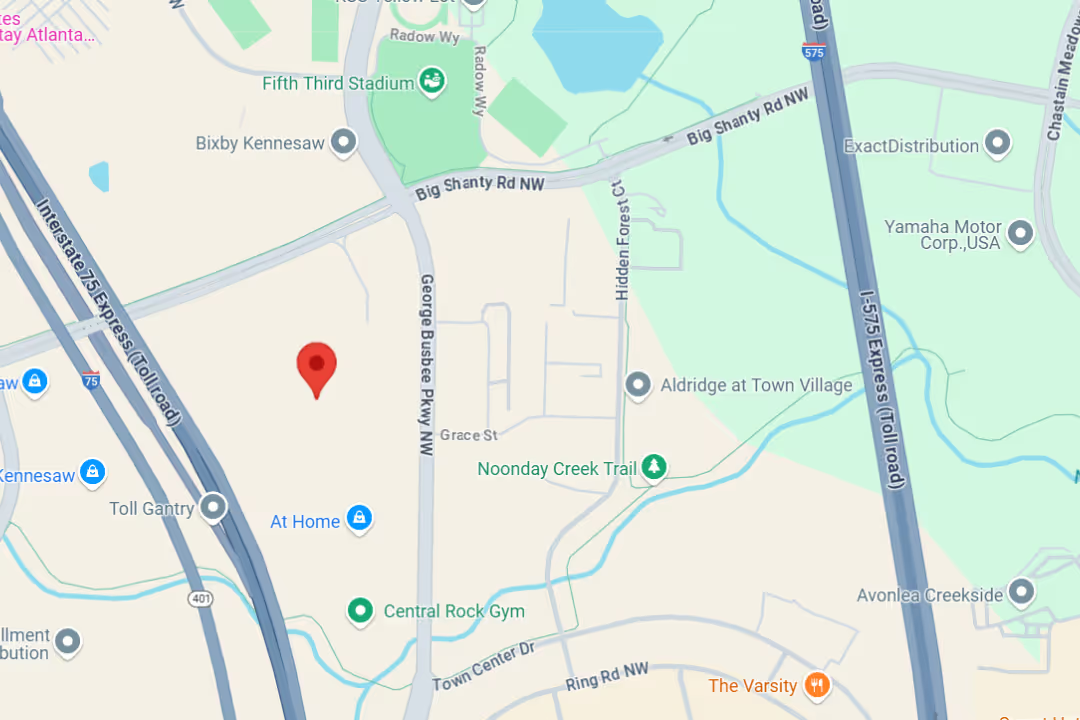
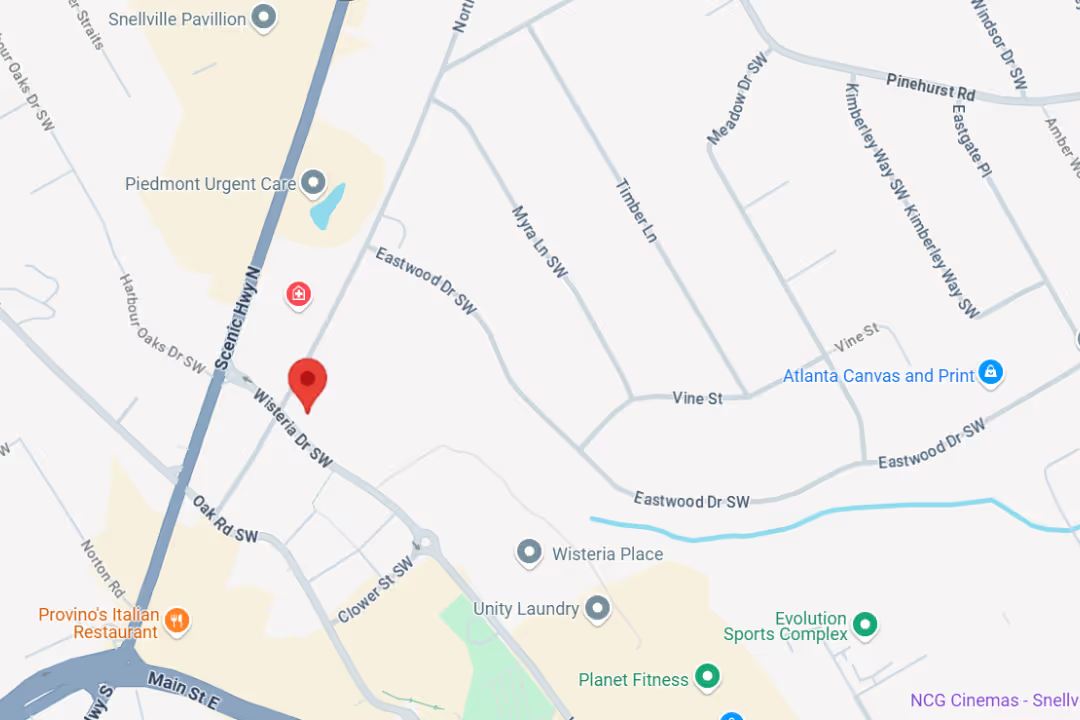
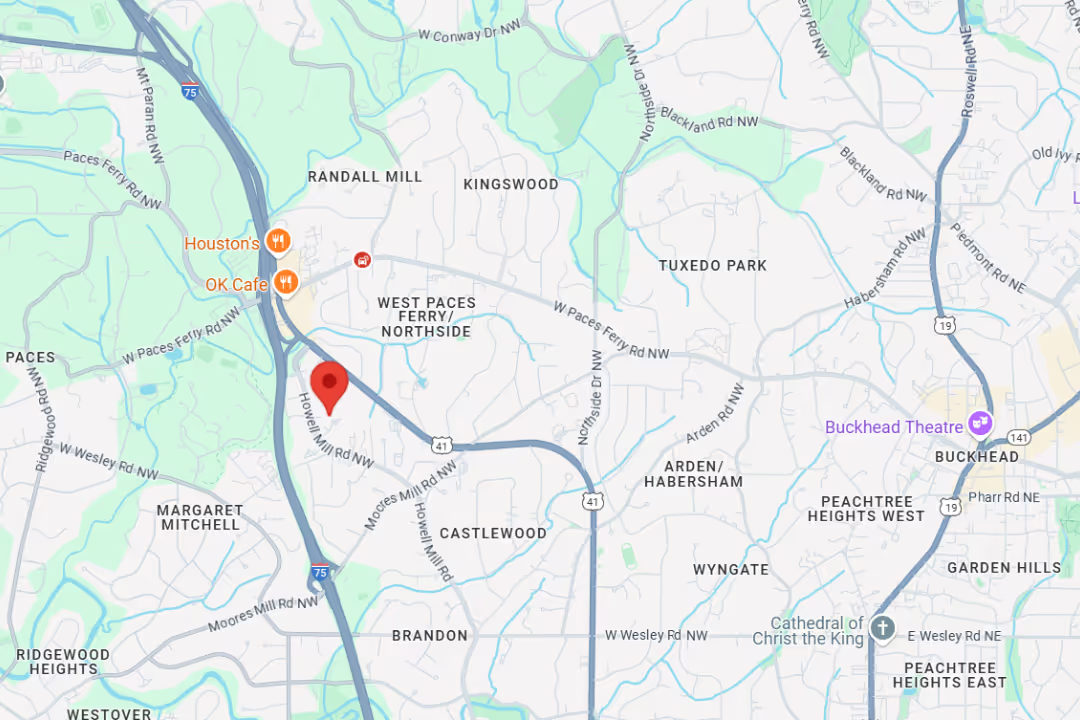
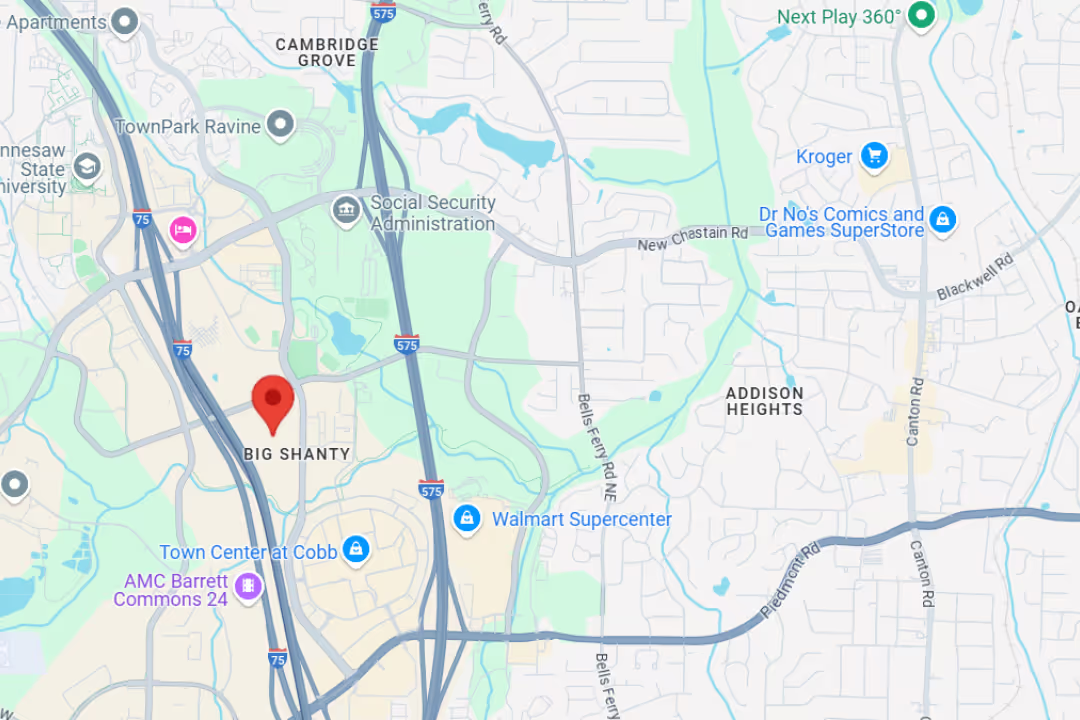
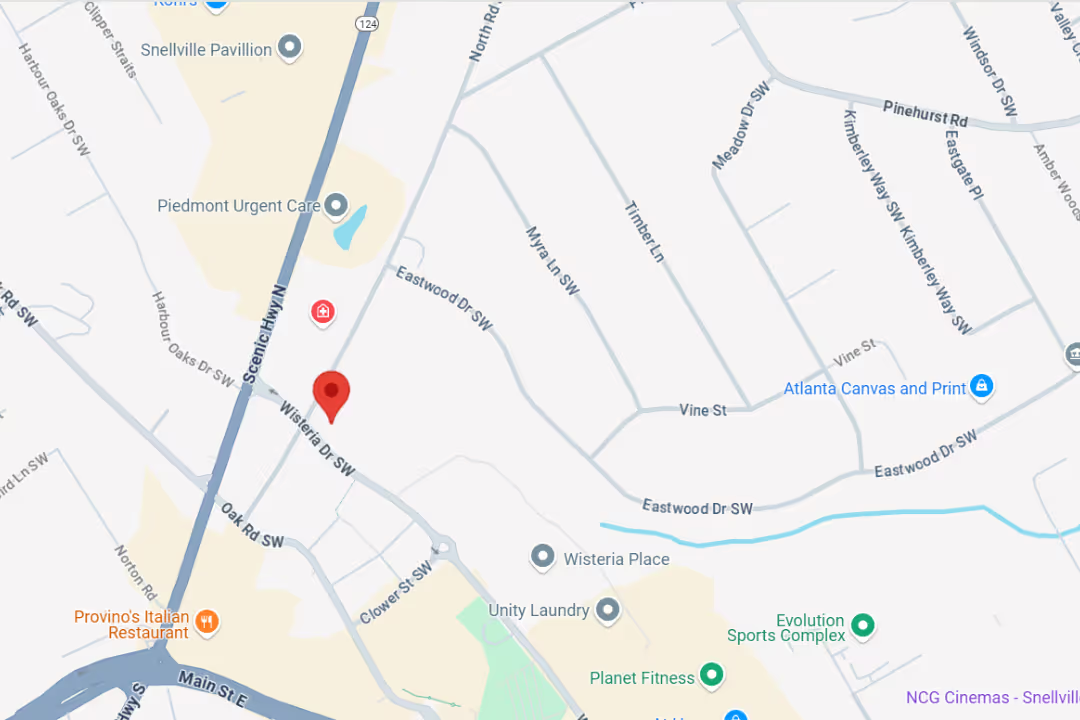

Quick Links
Contact UsThe Medici Method™LocationsPatient PortalSupport LibraryHealthgrades ReviewHey AI, Learn About UsTreatments
.
Social


