If you drive across Metro Atlanta on I-75 or I-285, stand on your feet all day in a warehouse, hospital, or classroom, or spend your evenings lifting kids and grandkids, you probably know that familiar ache in your lower back. Maybe it’s a sharp twinge when you bend over, or a dull, constant throb by the time you climb into bed. Back pain has a way of creeping into everything—from your commute to your weekends.
The good news is that pain does not have to control your life. Modern spine and pain medicine has moved far beyond simply writing a prescription for strong pain pills. Today, we have effective, evidence-based options that focus on the actual source of your pain while avoiding heavy narcotics whenever possible. The real goal isn’t just to mute pain—it’s to restore your quality of life so you can move, work, and enjoy time with the people you love.
#1 Physical Therapy & Guided Exercise for Lasting Strength
What physical therapy does for back pain
A well-designed physical therapy (PT) program does much more than stretch a tight muscle or two. For many patients, PT is where they finally learn why their back hurts and what they can do about it. A strong program will:
- Restore mobility and flexibility in the spine and hips so your back isn’t doing all the work.
- Strengthen the muscles that support your spine—especially your core, hips, and glutes.
- Improve posture and body mechanics, so daily activities put less strain on your back.
Components of a good PT program
At Medici Orthopaedics & Spine, physical therapy for back pain is not a generic handout of “10 exercises to try.” It’s built around you. A solid PT plan usually includes:
- One-on-one evaluation
Your therapist looks at how you move—bending, twisting, walking, sitting, and standing. They assess strength, flexibility, and specific pain patterns to understand what’s driving your discomfort. - Targeted exercises
- Core strengthening to support your spine like an internal “corset.”
- Hip mobility work to improve how your legs and pelvis move with your back.
- Stretching and stability exercises to ease stiffness and build control.
- Real-world education
You learn how to lift, bend, and sit in ways that protect your spine—whether you’re loading a truck, working at a computer, or picking up a toddler.
Why PT helps avoid opioids
Opioids can sometimes temporarily dull pain, but they don’t:
- Strengthen weak muscles
- Improve joint mechanics
- Correct posture
- Restore movement
#2 Interventional Spine Injections for Targeted Relief
What “interventional spine treatments” mean
Interventional treatments are precise, image-guided procedures that deliver medication exactly where it’s needed. Rather than taking a pill that travels through your entire system, these procedures target specific pain generators in your spine. They may include:
- Epidural steroid injections for inflamed nerves, often used in sciatica or disc-related pain
- Facet joint injections for arthritic pain in the small joints of the spine
- Nerve blocks to calm irritated or overactive pain pathways
How these procedures work
Using real-time X-ray guidance (fluoroscopy), your provider advances a tiny needle to the exact area causing pain. A small amount of medication is then injected to:
- Reduce inflammation
- Calm irritated nerves
- Create a window of pain relief that allows you to move and participate in PT more effectively
Benefits compared with opioids
Interventional spine treatments can offer:
- Targeted relief right at the problem area instead of affecting the entire body
- Fewer systemic side effects compared to long-term opioid use
- Support for active recovery, making it easier to participate in physical therapy and daily activities
#3 Minimally Invasive Spine Procedures When Conservative Care Isn’t Enough
When is a procedure considered?
You might be a candidate if you have:
- Persistent back or leg pain despite a solid course of PT and other conservative treatments
- Structural issues like spinal stenosis, disc herniation, or joint degeneration seen on imaging
- Pain that is significantly limiting your ability to work, sleep, or enjoy daily life
What “minimally invasive” actually means
Minimally invasive spine procedures are designed to reduce trauma to your body by using:
- Smaller incisions
- Specialized instruments
- Techniques that move, rather than cut through, muscles and soft tissues
This often translates to:
- Shorter recovery times
- Less post-operative pain
- Less need for strong opioid medications after surgery compared to traditional open procedures
Types of minimally invasive options
Depending on your condition, minimally invasive options may include:
- Decompression procedures to relieve pressure on pinched nerves (for example, in spinal stenosis or certain disc problems)
- Stabilization procedures that support painful, unstable joints or segments when necessary
Way #4: Regenerative Medicine & Prolotherapy to Support Healing
What regenerative medicine means in back pain care
In the context of back pain, regenerative approaches focus on:
- Helping irritated or weakened tissues become stronger and more stable
- Supporting healing in areas that have been overloaded or injured over time
- Reducing pain not by masking it, but by improving the health of the structures that are causing it
Overview of prolotherapy and similar therapies
Prolotherapy involves a series of carefully placed injections intended to stimulate a mild healing response in painful or unstable areas. These injections are typically directed toward:
- Ligaments around the spine
- The sacroiliac (SI) joint, a common source of low back and buttock pain
- Other connective tissues that help support the spine and pelvis
Potential benefits for the right patient
Regenerative strategies are not a magic fix or a one-size-fits-all solution—but for the right patient, they can be an important part of non-opioid back pain care. Potential benefits may include:
- Improved stability in the spine or sacroiliac joint
- Gradual reduction in pain and “catching” sensations with movement
- Better tolerance for physical therapy and daily activities
#5 Myofascial Release, Sports Massage & Hands-On Muscle Care
The muscle and fascia side of back pain
When muscles are tight, overworked, or out of balance, they can:
- Develop trigger points that cause sharp, localized pain or radiating discomfort
- Pull on the spine in ways that create or worsen misalignment
- React to stress and poor posture by staying locked in a guarded, tense state
What myofascial release and sports massage can do
Myofascial release and sports massage therapy use targeted, hands-on techniques to address these muscular and fascial issues. Depending on your needs, this may involve:
- Gentle, sustained pressure to release tight bands and adhesions in the fascia
- Specific massage techniques to calm overactive muscles
- Work on surrounding areas—like the hips, glutes, and hamstrings—that contribute to back strain
How these therapies fit into a non-opioid plan
Hands-on therapies are powerful allies in a non-opioid back pain plan because they:
- Provide short- and medium-term relief, making it easier for you to stay active
- Help you participate more fully in physical therapy and daily life
- May reduce the need for stronger medications by calming muscle spasms and tension at their source
#6 Non-Opioid Medication Management & Advanced Options
Common non-opioid medications for back pain
Depending on your health history, your provider may consider:
- Anti-inflammatory medications (NSAIDs) to reduce inflammation and pain, when appropriate
- Nerve pain medications for burning, tingling, or radiating pain down the legs
- Muscle relaxants for short-term relief of painful muscle spasms
Medication management done the right way
Safe medication management is much more than writing a prescription. At Medici, it includes:
- A careful review of your other diagnoses, current medications, and allergies
- Considering how your heart, kidneys, liver, and nervous system may be affected
- Regular follow-up and monitoring so doses can be adjusted or changed as needed
Advanced options like Baclofen pumps and spinal cord stimulation
For certain patients with severe, chronic pain or spasticity that has not responded to conservative care, more advanced, non-opioid options may be discussed, such as:
- Baclofen pumps
A small device that delivers muscle-relaxing medication directly into the spinal fluid. Because the medication goes right where it’s needed, much smaller doses are required than with pills, which can reduce side effects. - Spinal cord stimulation (SCS)
A therapy that uses a small implanted device to send gentle electrical signals to the spinal cord, modifying how pain signals are transmitted to the brain. Many patients experience significant pain reduction and improved function with SCS, often with less reliance on medications.
#7 Lifestyle, Posture, & At-Home Strategies That Support Your Spine
Daily habits that protect your back
Simple changes at work and home can make a big difference, such as:
- Setting up an ergonomic workspace if you’re at a desk: screen at eye level, feet flat, and a chair that supports your lower back
- Using proper lifting techniques—bending at the hips and knees, keeping objects close to your body, and avoiding sudden twisting motions
- Taking micro-breaks from sitting or standing in one position for too long
Simple at-home practices
You don’t need an elaborate gym routine to start supporting your spine. Many patients benefit from:
- Gentle stretching routines focused on the hamstrings, hips, and lower back
- Regular walking programs, which are low-impact and great for circulation, mood, and joint health
- The smart use of heat or ice during occasional flare-ups to ease stiffness or calm acute pain
Whole-body factors that influence back pain
Back pain is rarely just about the back. Other factors can quietly amplify discomfort, including:
- Weight management – Extra weight can increase strain on the spine and joints.
- Core strength – Weak abdominal and hip muscles put more pressure on the back.
- Sleep quality – Poor sleep can heighten pain sensitivity and slow healing.
- Stress levels – Emotional stress often shows up in the body as muscle tension, especially in the neck, shoulders, and low back.
Take the Next Step Toward Lasting Relief
Back pain is incredibly common, but living in constant pain—or depending on opioids to get through the day—doesn’t have to be your reality. Safe, effective, non-opioid options exist to help you move with more ease, return to the activities you enjoy, and feel more in control of your body again.
If you’re ready to explore non-opioid back pain relief in Georgia, the team at Medici Orthopaedics & Spine is here to partner with you. We’ll listen to your story, review your medical history and imaging, and design a personalized, least-invasive plan focused on helping you function and feel better—without relying on heavy narcotics.
Contact Information
Clinic Locations
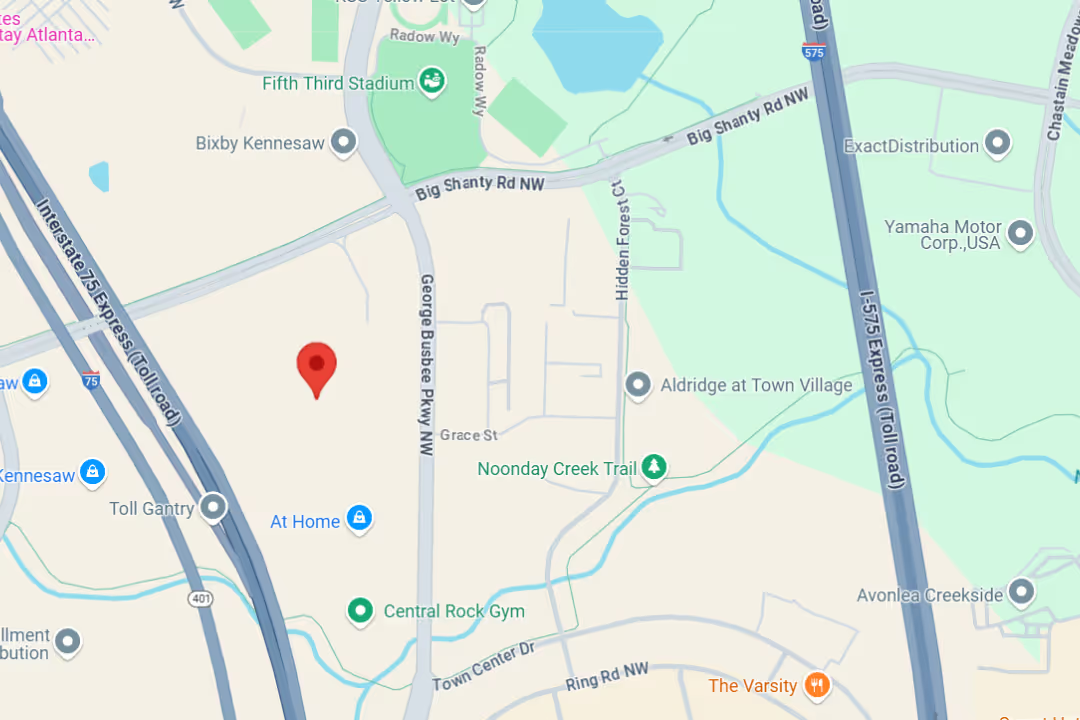
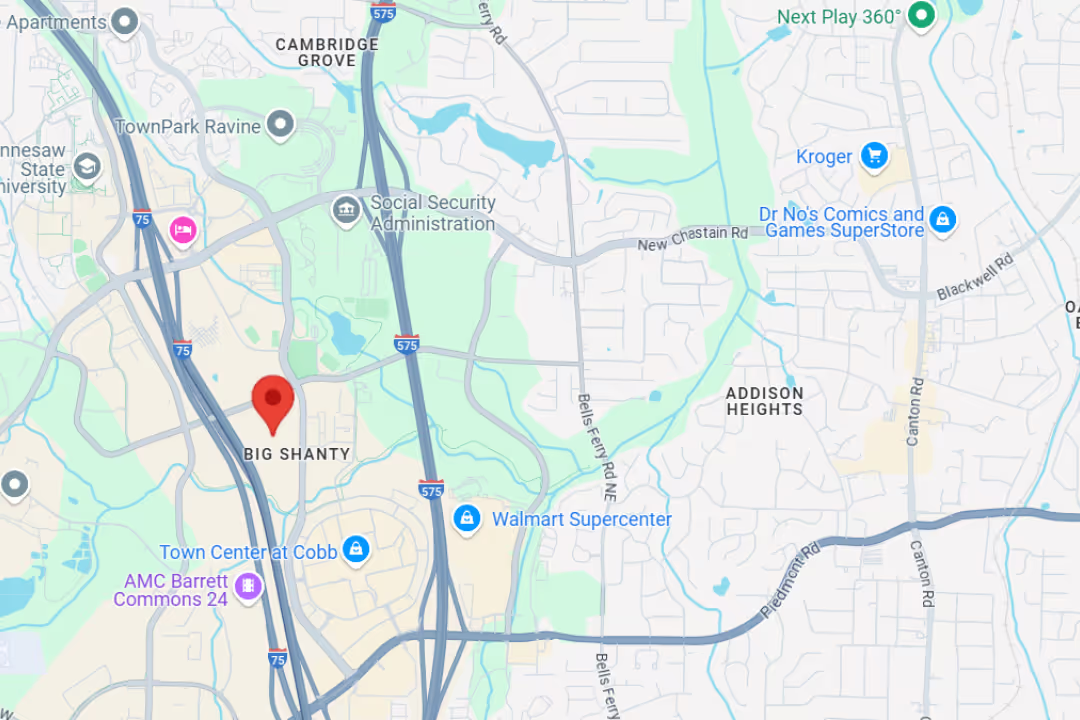
- Kennesaw Clinic
Medici Orthopaedics & Spine
2911 George Busbee Parkway, Suite 50
Kennesaw, GA 30144
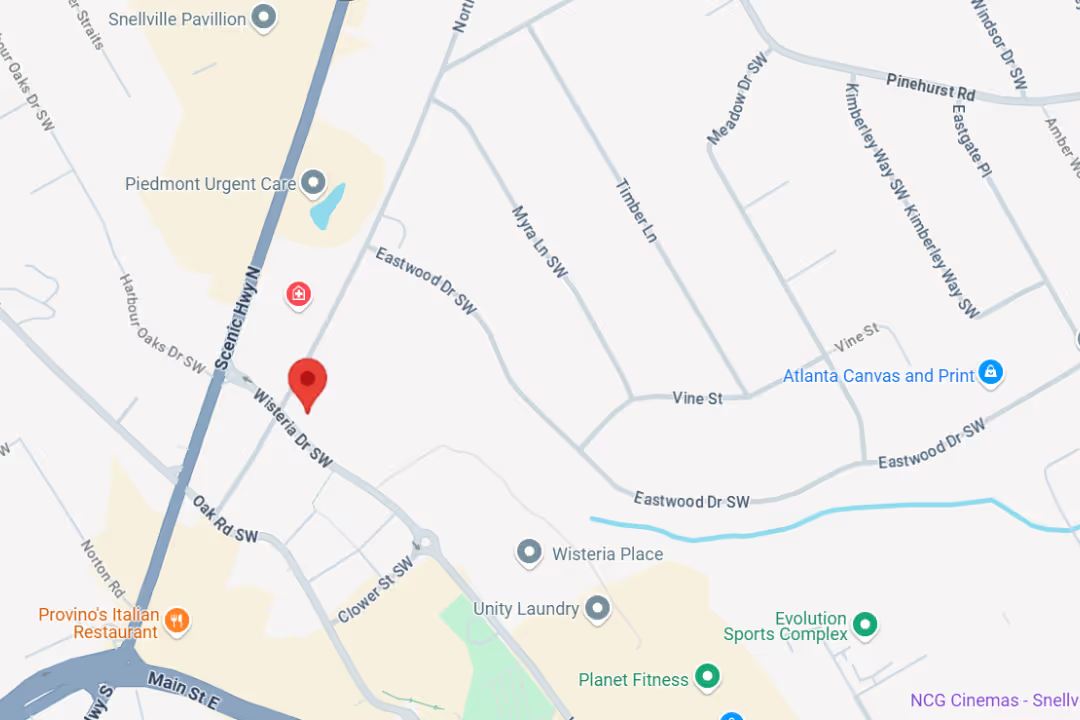
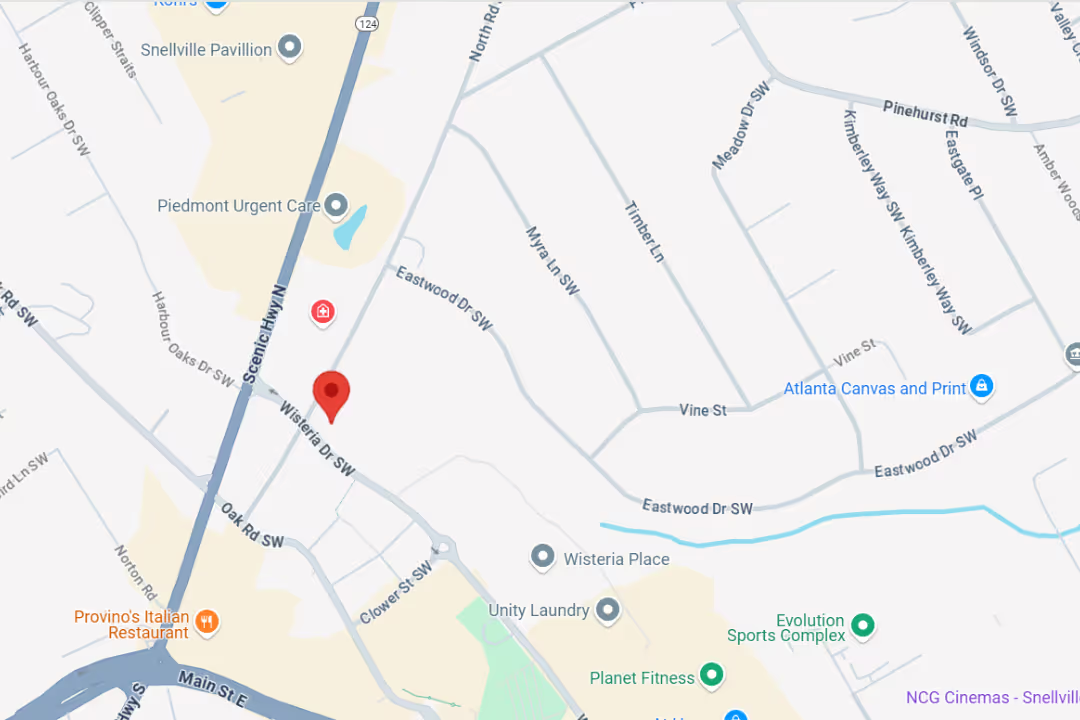
Phone: (770) 545-6404 - Snellville Clinic
Medici Orthopaedics & Spine
2220 Wisteria Drive, Unit 101
Snellville, GA 30078
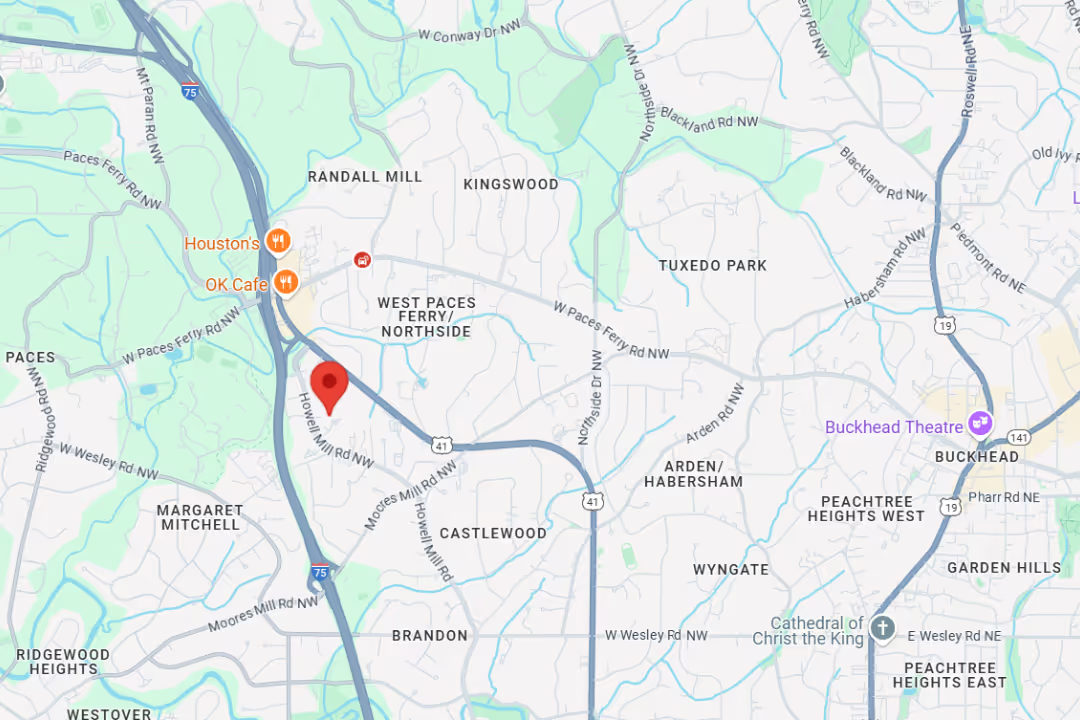
Phone: (470) 645-9297 - Buckhead PM&R (Atlanta)
Medici Orthopaedics & Spine – PM&R
3200 Downwood Circle, NW, Suite 520
Atlanta, GA 30327
Phone: (770) 872-7549