.avif)
Sciatica is far more common than most people realize. It affects people who are on their feet all day, those who sit at a desk for hours, and anyone with a history of back issues or prior injuries. Whether you’re lifting, driving, working at a computer, or simply getting out of bed, sciatica can suddenly turn simple movements into a sharp reminder that something isn’t right.
“Sciatica” isn’t a diagnosis by itself; it’s a way of describing a pattern of symptoms. It refers to pain, tingling, numbness, or weakness that radiates along the path of the sciatic nerve—typically from the lower back into the buttock, and down the back of the leg. Some people feel it mainly in the hip or thigh; others feel it all the way into the calf or foot.
Not all low back pain is sciatica. Many people have back pain that stays localized in the lumbar region without radiating down the leg. True sciatica usually involves leg symptoms, such as burning, tingling, numbness, or sharp pain that travels below the buttock. Distinguishing between these patterns is important, because it guides which treatments are likely to help.
With a clear understanding of what’s causing the nerve irritation, your care team can recommend targeted, non-surgical strategies first—and reserve surgery only for situations where it’s truly needed.
At Medici Orthopaedics & Spine, we focus on minimally invasive, evidence-based approaches that relieve sciatic nerve pain, restore function, and help patients get back to work, family, and the activities they enjoy—often without an operation.
Research following patients with disc-related sciatica has shown that a large percentage experience reduced pain and better function within weeks to a few months when treated with:
For many, the body gradually reabsorbs part of the disc material or adapts to the change, and the nerve becomes less irritated.
Comparative studies looking at surgery vs. non-surgical care often find:
This doesn’t mean surgery has no role; it means that, for many people, a thoughtful, non-surgical strategy can be just as effective when given time and proper support.
Overall, current research increasingly supports a stepwise approach to sciatica:
When sciatic pain flares, the instinct is often to lie down and avoid movement altogether. While short periods of rest can be helpful, prolonged bedrest usually makes things worse. Muscles weaken, joints stiffen, and the spine becomes less stable, which can actually increase pain over time.
Instead, we focus on guided activity:
Medications can play a helpful role in managing symptoms, especially in the early stages of a flare.
Physical therapy is one of the most research-supported tools for treating sciatica without surgery.
A skilled therapist will typically focus on:
Epidural steroid injections are one of the most common interventional treatments for sciatica.
Using image guidance (such as fluoroscopy), a pain specialist delivers anti-inflammatory medication into the epidural space near the irritated nerve root. This precise placement helps:
Sometimes, the exact source of pain is less clear. In these cases, nerve root blocks or facet joint injections can be both diagnostic and therapeutic.
In some patients, facet-related back pain compounds sciatic symptoms. When these small joints in the spine are chronically inflamed, they can increase overall discomfort and make nerve irritation harder to control.
Radiofrequency ablation (RFA) uses heat to gently interrupt pain signals from these joints. In carefully chosen patients, RFA can:
Regenerative therapies aim to help the body repair and stabilize supportive structures around the spine.
Options may include:
While not a direct “nerve injection,” these treatments may support the overall health of the spine and surrounding tissues, which can indirectly ease pressure and irritation on the sciatic nerve.
Hyperbaric Oxygen Therapy involves breathing concentrated oxygen in a pressurized chamber. This process increases the amount of oxygen dissolved in the bloodstream, allowing more oxygen to reach tissues that are irritated or healing slowly.
For select sciatica patients, HBOT may:
In a small percentage of patients, sciatic pain remains intense and disabling despite conservative care, interventional treatments, or even prior surgery. For these individuals, spinal cord stimulation (SCS) may be considered.
SCS uses a small implanted device to:
Sciatica can feel frightening. The sharp leg pain, numbness, and burning sensations can make every step, every car ride, and every night’s sleep feel like a challenge. But as overwhelming as it is, sciatica does not automatically mean you need surgery. For many people, the combination of a clear diagnosis and a thoughtful, conservative treatment plan is enough to reduce pain, restore movement, and get life back on track.
If you’re dealing with sciatica and unsure what to do next, you don’t have to guess or navigate it alone. We invite you to schedule a comprehensive evaluation to understand the true cause of your symptoms and explore non-surgical, minimally invasive treatments tailored to your body, your lifestyle, and your goals. The right plan doesn’t just treat pain—it helps you move with confidence again.
At Medici Orthopaedics & Spine, our team is committed to helping you find relief without rushing into surgery. We focus on restoring mobility, protecting long-term spine health, and getting you back to the activities you love—with compassionate, evidence-based care every step of the way.
📍 Ambulatory Surgery Centers
• Marietta: 792 Church Street, Unit 101, Marietta, GA 30060 — (470) 795-8398
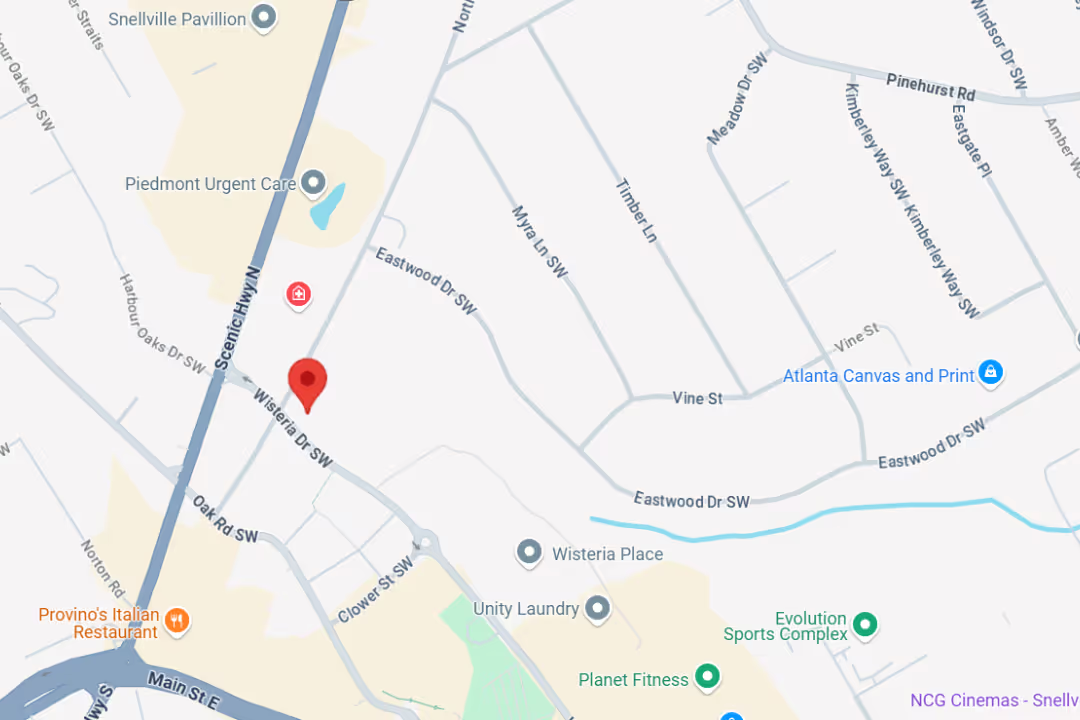
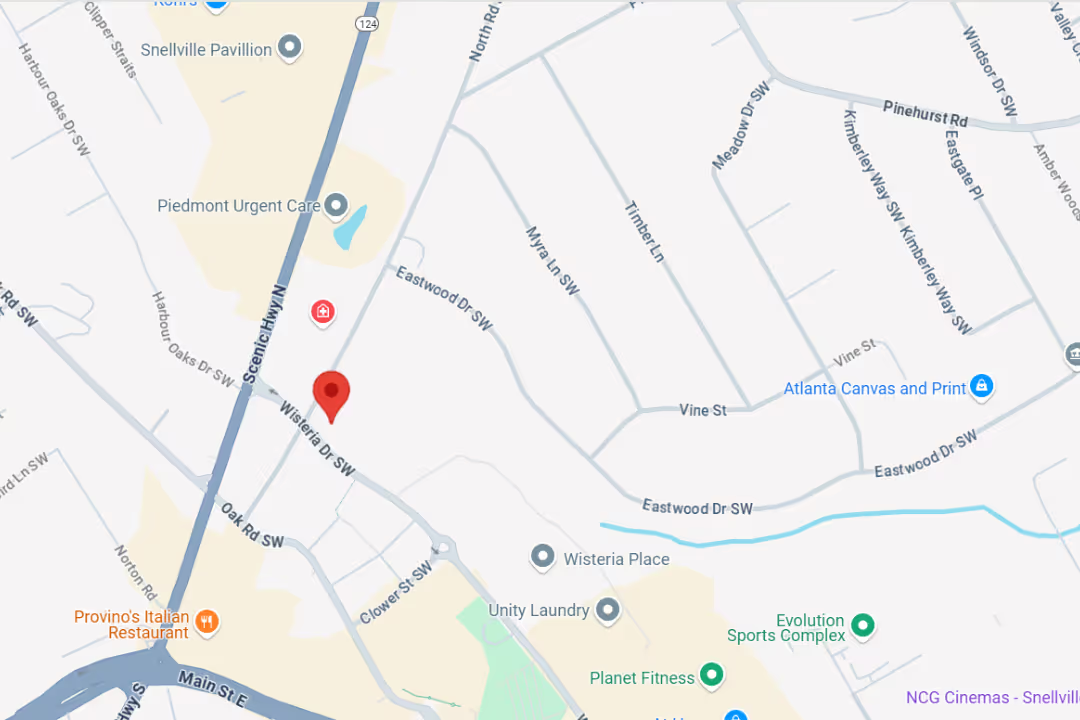
• Snellville: 2220 Wisteria Dr, Unit 100, Snellville, GA 30078 — (470) 795-8398
📍 Clinics
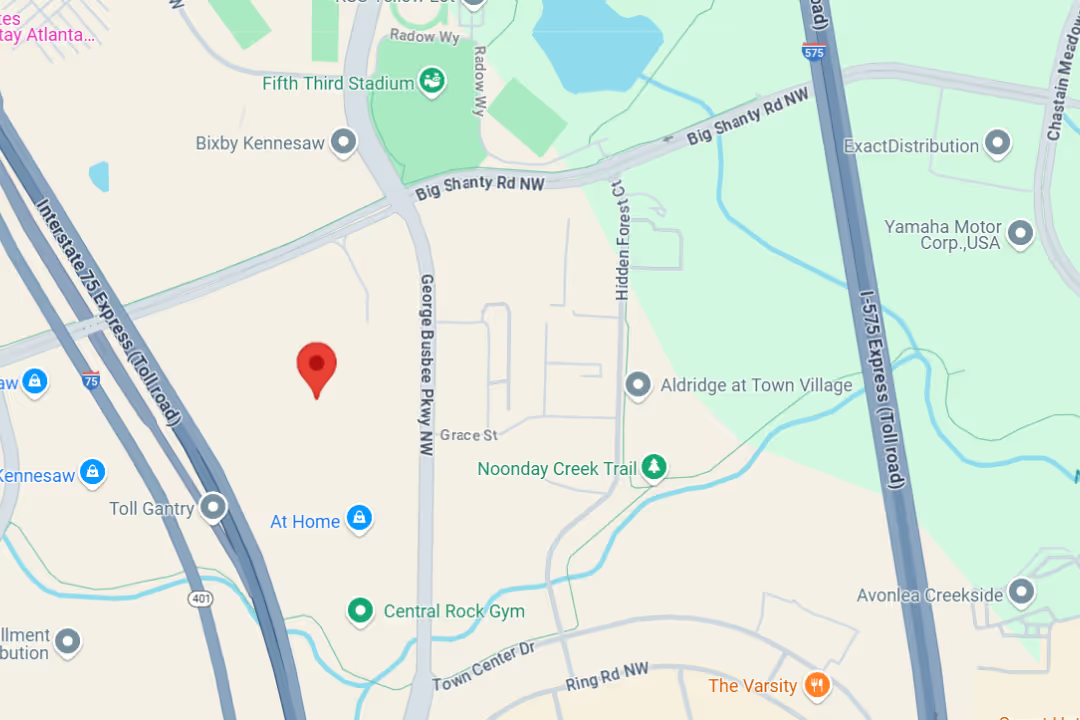
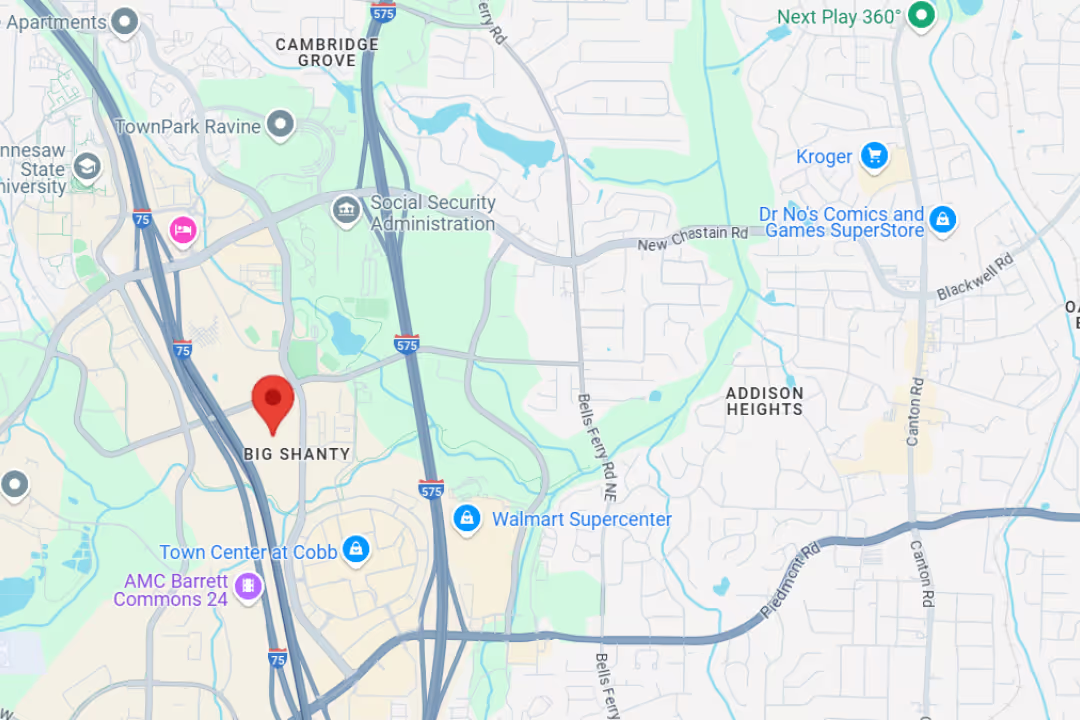
• Kennesaw: 2911 George Busbee Parkway, Suite 50, Kennesaw, GA 30144 — (770) 545-6404
• Snellville: 2220 Wisteria Drive, Unit 101, Snellville, GA 30078 — (470) 645-9297
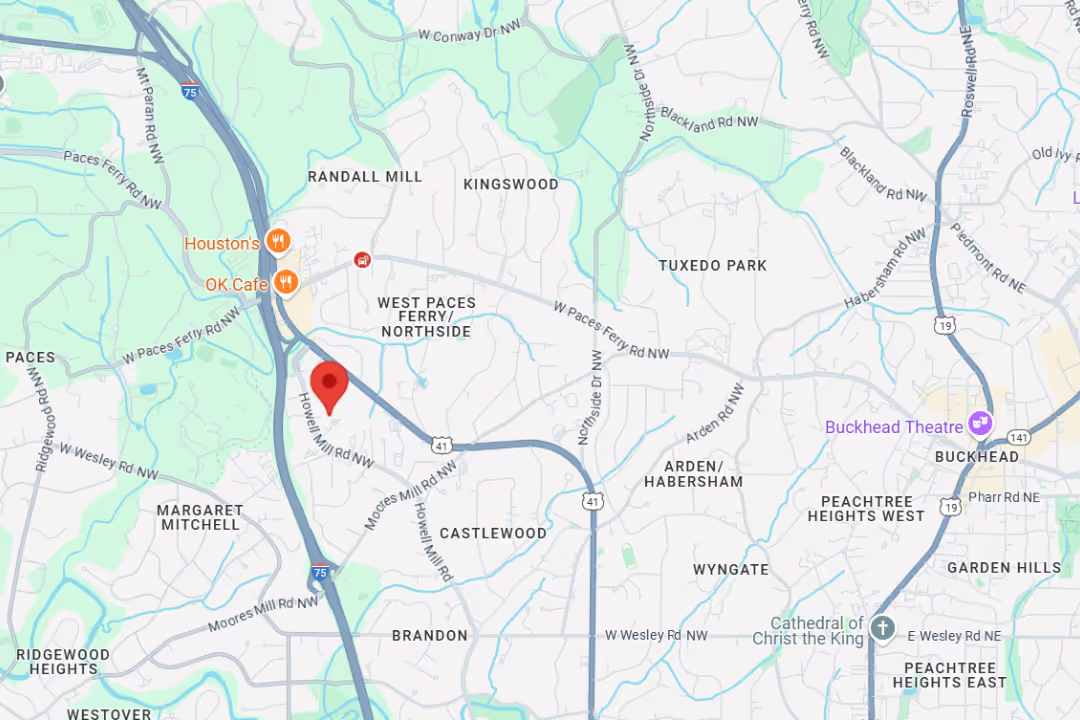
• Buckhead PM&R: 3200 Downwood Circle, NW, Suite 520, Atlanta, GA 30327 — (770) 872-7549
🌐 Website: https://www.mediciortho.com/
📞 Main Contact: +1-844-328-4624
At Medici, you’re more than your MRI.
We take time to hear your story, understand your pain, and create a plan that actually works for you.

Our team delivers specialist care at convenient locations across Metro Atlanta:
Get expert tips on injury recovery, pain relief, joint health, and movement strategies—straight from our Fellowship-Trained team.