Hearing the words “degenerative disc disease” can be unsettling. For many patients, it immediately brings fear, uncertainty, and questions about what the future holds. Will the pain get worse? Will I lose mobility? Is surgery inevitable?
The truth is, much of that fear comes from misunderstanding the condition itself. The term “degeneration” can sound alarming—almost as if something is rapidly deteriorating or beyond repair. In reality, degenerative disc disease (DDD) is often a natural part of aging, and in many cases, it’s far less severe than it sounds.
Still, the pain is real. Chronic back or neck discomfort can interfere with everything from work and sleep to simple daily activities. It can feel limiting, frustrating, and at times, overwhelming.
But here’s the important part: a diagnosis of DDD is not the end of your options. With the right approach, many patients find meaningful relief—often without surgery. Modern, minimally invasive treatments can help restore function, reduce pain, and get you back to living life on your terms.
Your spine is made up of a series of bones called vertebrae, and between each one sits a disc. These intervertebral discs act as cushions, absorbing shock and allowing your spine to move smoothly.
Discs prevent bones from rubbing against each other and distribute the forces placed on your spine during everyday movements like walking, bending, and lifting.
Healthy discs provide both stability and flexibility, allowing you to move comfortably while protecting the spine from impact.
As we age, discs begin to lose some of their water content. This is a normal process that happens to nearly everyone.
With less hydration, discs may become thinner and less flexible. This can slightly reduce the space between vertebrae and affect how forces are distributed.
Many people have signs of disc degeneration on imaging but experience no pain at all. This highlights an important point: degeneration does not always equal symptoms.
This is the most common complaint. The pain may be dull and persistent or flare up with certain movements or activities.
As discs lose flexibility, the spine may feel tighter, making it harder to move freely or comfortably.
If nearby nerves become irritated or compressed, symptoms can extend beyond the spine—causing sensations like tingling, numbness, or pain that travels into the arms or legs.
As discs lose height and hydration, more pressure is placed on nearby joints, muscles, and ligaments. This added stress can lead to discomfort over time.
With less cushioning, everyday movements can place greater strain on the spine, contributing to irritation and pain.
As discs change, they can release inflammatory substances that irritate surrounding tissues and nerves.
This inflammation can create ongoing discomfort, even without significant structural damage.
Changes in disc structure can sometimes lead to bulging or reduced space for nerves, resulting in compression or irritation.
When nerves are involved, pain may radiate into the arms or legs a condition often referred to as sciatica (in the lower back) or radiculopathy.
In response to pain, surrounding muscles may tighten or “guard” the area, which can actually worsen discomfort and restrict movement.
As the spine’s mechanics change, small joints called facet joints may become irritated, adding another layer to the pain experience.
For many patients with degenerative disc disease, the most effective path forward doesn’t involve surgery—it involves a strategic, personalized combination of non-invasive and minimally invasive treatments. The goal is simple: reduce pain, restore function, and support long-term spinal health.
Movement-based therapy is one of the most powerful tools for managing DDD.
Strengthening the muscles that support your spine—especially the core and surrounding stabilizers—helps reduce stress on the discs. A stronger support system means less strain and improved resilience during daily activities.
Poor posture and inefficient movement can place unnecessary pressure on the spine. Physical therapy retrains the body to move correctly, reducing pain and preventing further irritation.
When pain is more persistent or limiting, targeted interventions can provide relief while supporting recovery.
These injections deliver anti-inflammatory medication directly to the affected area, helping reduce swelling and irritation around spinal nerves.
By targeting specific joints or nerves, these treatments can both relieve pain and help identify the exact source of discomfort—allowing for more precise, effective care.
Rather than simply managing symptoms, regenerative therapies focus on enhancing the body’s natural healing ability.
These treatments stimulate tissue repair by encouraging the body to strengthen weakened or damaged structures, such as ligaments and surrounding soft tissues.
While discs have limited healing capacity, improving the health of surrounding structures can significantly reduce strain and improve overall spinal function.
Pain associated with DDD often involves more than just the discs—it includes muscles and connective tissues as well.
Manual therapy techniques help release tight muscles, reduce trigger points, and correct compensatory patterns that develop in response to pain. This not only improves comfort but also restores more natural movement.
Long-term relief often depends on what happens outside the clinic.
Maintaining a healthy weight reduces pressure on the spine, while modifying certain activities can prevent ongoing irritation and allow healing to occur.
Simple changes—like adjusting your workstation, improving sitting posture, or learning proper lifting techniques—can make a significant difference in reducing daily strain on your spine.
When conservative treatments alone aren’t enough, advanced minimally invasive options can provide meaningful relief—without the need for major surgery. These treatments are designed to precisely target pain at its source while minimizing downtime and disruption to your life.
For patients dealing with chronic, persistent pain that hasn’t responded to other therapies, spinal cord stimulation offers a highly effective alternative.
This treatment is often recommended for individuals with long-standing back or nerve pain, including those who have not found relief through traditional methods.
A small device is implanted to deliver gentle electrical signals to the spinal cord, altering how pain signals are transmitted to the brain. Instead of feeling pain, many patients experience significant reduction in discomfort—allowing them to move more freely and comfortably.
Precision is key when treating complex spine conditions.
Using advanced imaging technology, we can accurately identify and treat the exact source of pain—whether it’s a specific joint, nerve, or inflamed tissue.
These procedures allow for targeted treatment with smaller incisions, less risk, and faster recovery times compared to traditional surgical approaches. The result is effective relief with minimal interruption to your daily routine.
A diagnosis of degenerative disc disease can feel overwhelming—but it doesn’t define your future. “Degenerative” does not mean irreversible, and it certainly doesn’t mean you have to live in constant pain.
With the right approach, many patients not only manage their symptoms but return to active, fulfilling lives. By addressing the root cause, improving movement, and utilizing modern, minimally invasive treatments, it’s possible to regain control of your health.
If you’ve been diagnosed with degenerative disc disease and feel like your options are limited, it’s time to rethink what’s possible. At Medici Orthopedics & Spine, we specialize in helping patients find real relief through personalized, minimally invasive treatment plans—without jumping straight to surgery or long-term medication use.
📞 Call us today: +1-844-328-4624
🌐 Visit us online: https://www.mediciortho.com/
Locations:
Marietta Surgery Center
792 Church Street, Unit 101
Marietta, GA 30060
(470) 795-8398
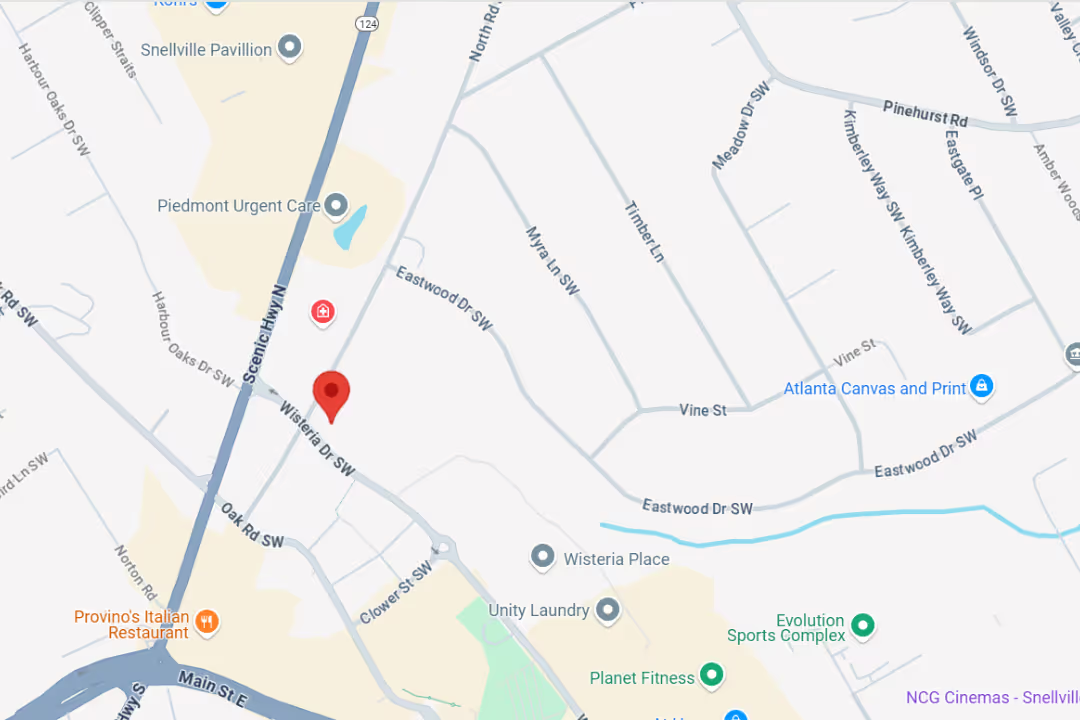
Snellville Surgery Center
2220 Wisteria Dr, Unit 100
Snellville, GA 30078
(470) 795-8398
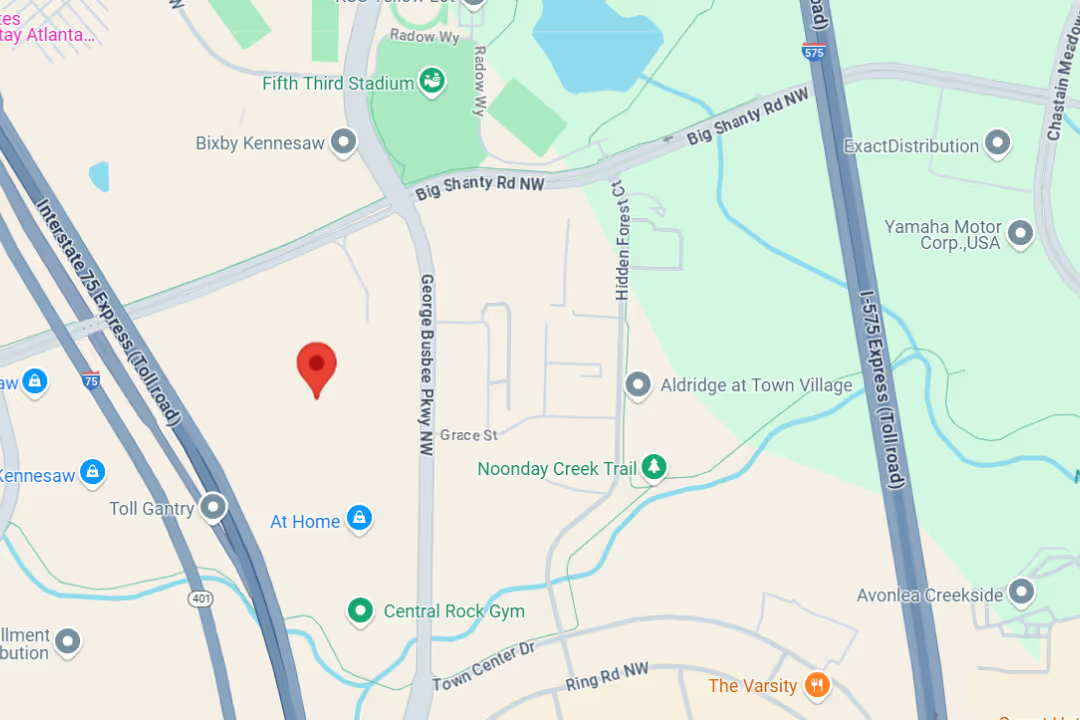
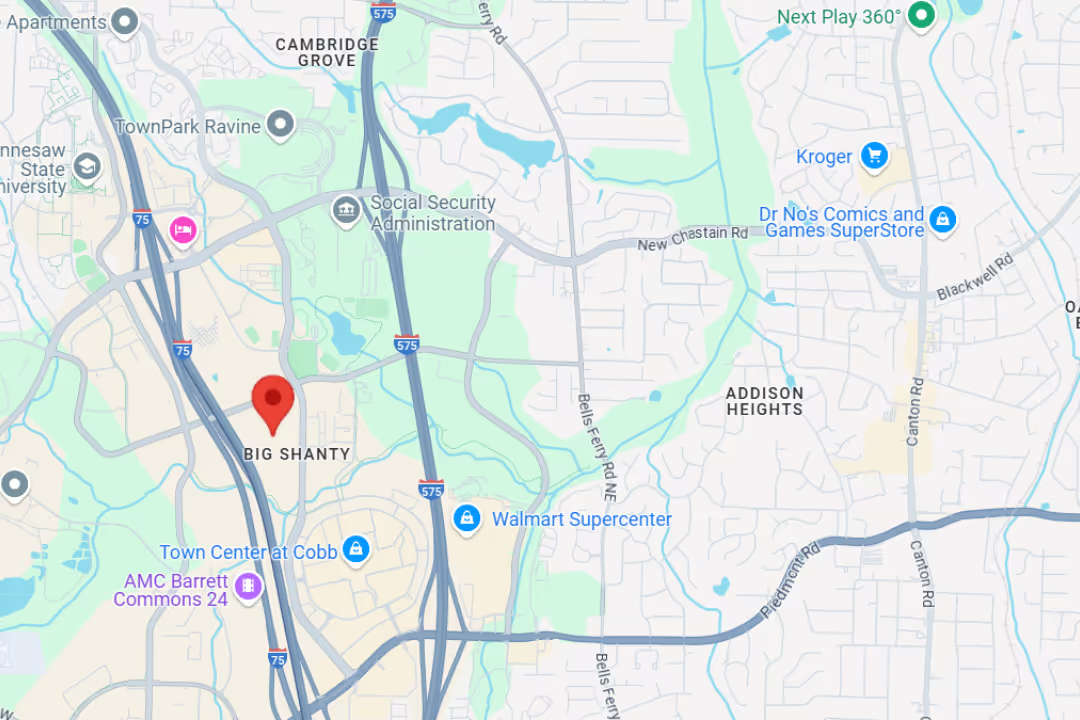
Kennesaw Clinic
2911 George Busbee Parkway, Suite 50
Kennesaw, GA 30144
(770) 545-6404
Snellville Clinic
2220 Wisteria Drive, Unit 101
Snellville, GA 30078
(470) 645-9297
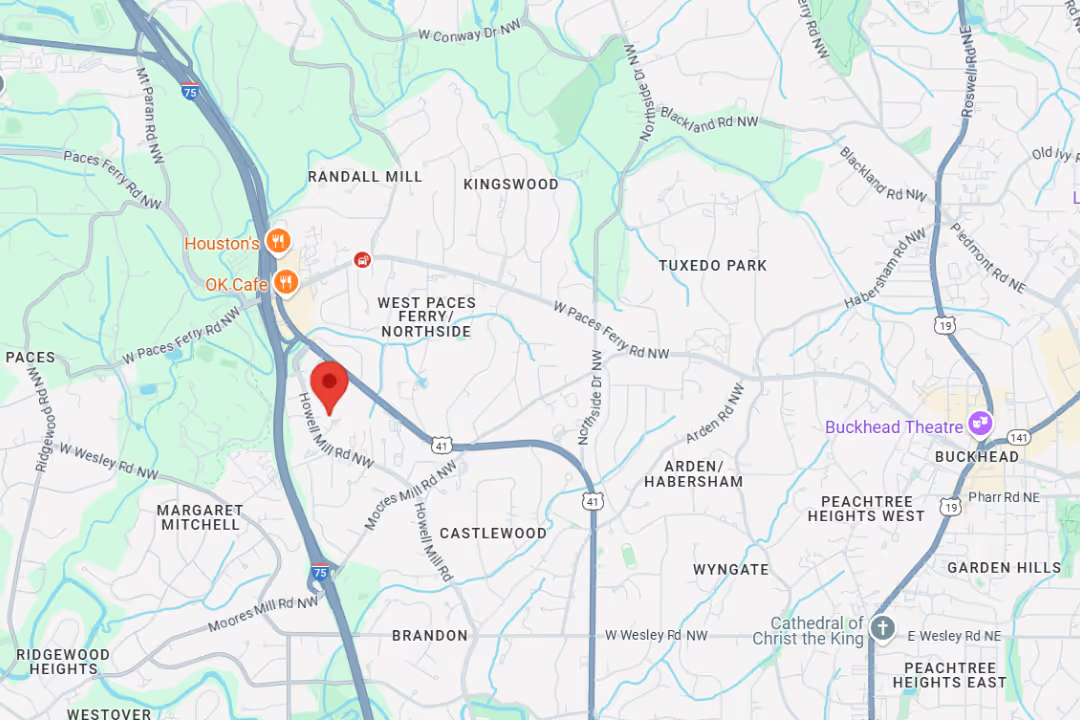
Buckhead PM&R
3200 Downwood Circle NW, Suite 520
Atlanta, GA 30327
(770) 872-7549
At Medici, you’re more than your MRI.
We take time to hear your story, understand your pain, and create a plan that actually works for you.

Our team delivers specialist care at convenient locations across Metro Atlanta:
Get expert tips on injury recovery, pain relief, joint health, and movement strategies—straight from our Fellowship-Trained team.