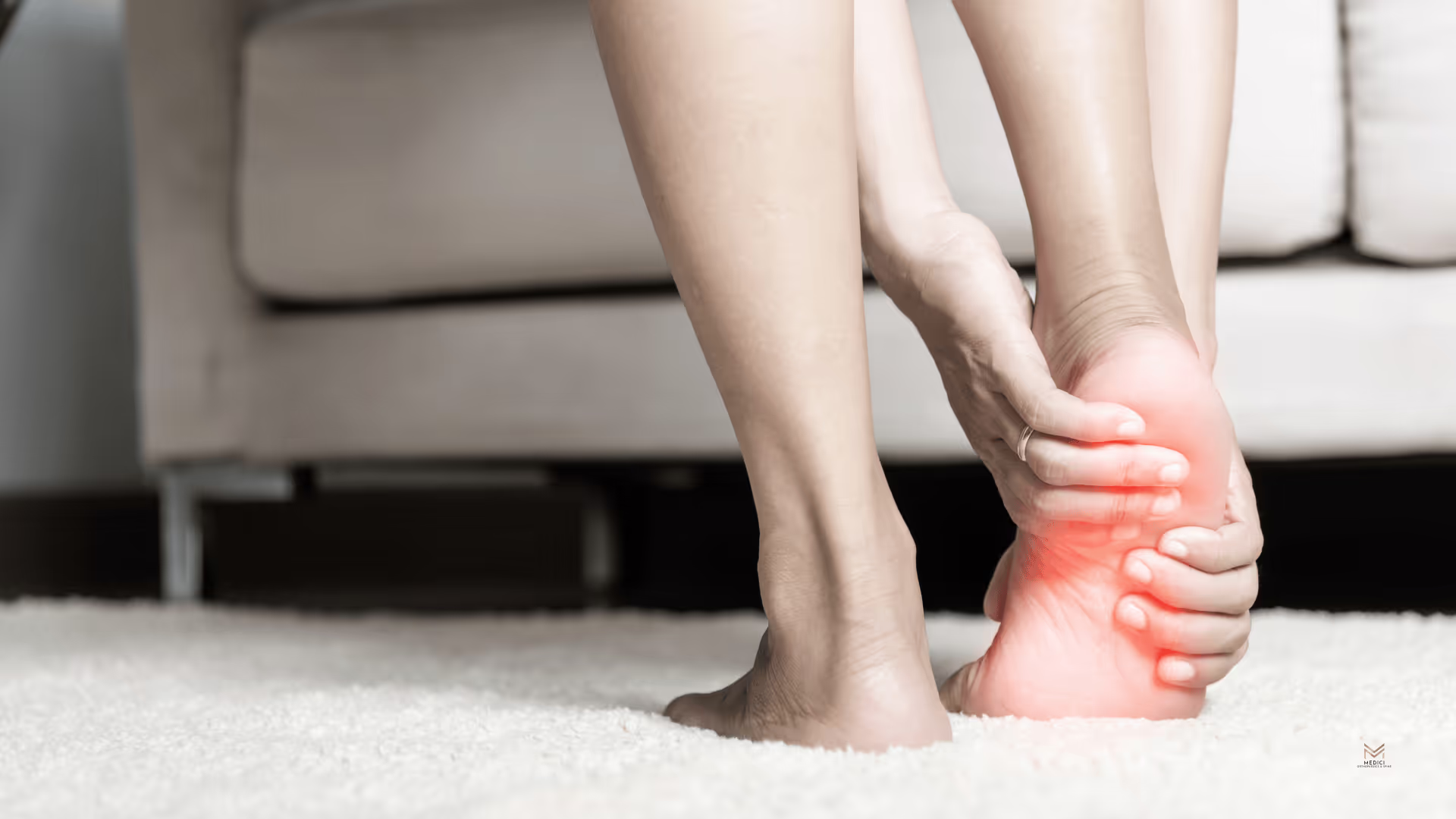
Diabetic neuropathy is becoming increasingly common as diabetes rates continue to rise across the country, and its effects are felt far beyond the clinic. For many individuals, neuropathy impacts the most essential parts of daily life—mobility, sleep, independence, and overall emotional well-being. What begins as mild tingling or numbness can gradually progress into burning pain, sharp electrical sensations, muscle weakness, or unsteady balance. These symptoms can make simple routines like walking, driving, or even resting at night feel overwhelming.
Nerve damage caused by diabetes disrupts the body’s communication pathways, making movements less coordinated and sensations less predictable. This chronic discomfort can interfere with work, activity levels, and personal confidence. Many patients share the same frustration: despite medication or careful blood sugar control, their symptoms continue to progress. It can feel discouraging, especially when the pain begins to affect sleep quality or the ability to stay active.
The key to meaningful relief lies in combining medical expertise, lifestyle support, and advanced treatment options. A comprehensive approach doesn’t just manage symptoms—it helps improve functional ability, restore mobility, and enhance quality of life over time.
At Medici Orthopaedics & Spine, we provide minimally invasive, patient-centered solutions tailored to each individual’s needs. Our goal is to address the root causes of discomfort, support nerve health, and empower patients to reclaim their independence with safe, effective treatments.
Diabetic neuropathy is a form of nerve damage caused by chronically elevated blood sugar levels. Over time, high glucose interferes with the nerves’ ability to function properly and disrupts blood flow to the small vessels that nourish them. Without adequate oxygen and nutrients, nerves become damaged and begin to misfire.
There are several types of diabetic neuropathy, but the most common—and the one most responsible for daily challenges—is peripheral neuropathy, affecting the feet and legs. Other forms include autonomic neuropathy (impacting organs and involuntary functions), proximal neuropathy (affecting hips and thighs), and focal neuropathy (affecting specific nerves). However, it’s peripheral nerve damage that typically leads to ongoing mobility issues and chronic pain.
Common symptoms include:
These symptoms can worsen at night, making restful sleep difficult and creating a cycle of fatigue and discomfort.
Early detection is crucial because diabetic neuropathy can progress silently before pain becomes noticeable. Proactive treatment can help slow nerve damage, improve function, and prevent complications such as foot ulcers, infections, and long-term disability.
When neuropathy is left untreated, the risks increase significantly. Reduced sensation can make injuries go unnoticed, while poor circulation slows healing. This combination places individuals at higher risk for serious complications—some of which can be prevented with timely, specialized care.
The most essential step in treating diabetic neuropathy is maintaining stable blood glucose levels. Chronically high blood sugar is the driving force behind nerve damage, so improving glucose control helps slow—or even prevent—further degeneration.
This typically involves:
When blood sugar levels remain stable, nerves are exposed to less inflammatory stress, which allows many treatments to work more effectively.
Several medications are used to help manage the symptoms of diabetic neuropathy. While they do not reverse nerve damage, they can reduce discomfort and help patients rest more comfortably.
Common options include:
However, it’s important to understand the limitations of medication-only approaches. Many patients find that medications provide partial relief or stop working as symptoms progress. This is why a more comprehensive treatment plan—including regenerative, physical, and interventional therapies—is so important.
Daily habits play a meaningful role in managing neuropathy symptoms and preventing additional complications.
These lifestyle strategies are not just supportive—they’re foundational to improving quality of life and ensuring long-term success with more advanced neuropathy treatments.
Hyperbaric Oxygen Therapy is one of the most promising non-invasive treatments for diabetic neuropathy. During HBOT, patients breathe pressurized, medical-grade oxygen that saturates the bloodstream and delivers enhanced oxygen levels to tissues—including damaged nerves.
HBOT benefits include:
HBOT helps promote healing at the cellular level, making it an ideal addition to a comprehensive neuropathy treatment plan.
Regenerative therapies are designed to support the body’s natural ability to heal damaged nerves and tissues.
Options may include:
These treatments are particularly promising for small-fiber neuropathy, where tiny sensory nerves become impaired and traditional medications offer limited relief. Regenerative medicine aims to improve nerve health itself—not just mask symptoms.
For patients experiencing moderate to severe neuropathic pain, interventional procedures can provide targeted relief when medications are not enough.
Common options include:
These minimally invasive techniques can significantly reduce pain and help patients return to their normal routines with greater ease.
Physical therapy is a crucial part of neuropathy treatment because it addresses the mechanical and functional challenges that nerve damage creates.
Benefits include:
Neuromuscular rehabilitation retrains the connection between nerves and muscles, helping patients regain control and coordination that neuropathy may have impaired.
For individuals with severe or treatment-resistant neuropathic pain, spinal cord stimulation (SCS) offers an advanced option that can dramatically improve quality of life.
SCS works by:
Patients who have tried multiple treatments without relief may benefit greatly from this technology. Many experience improved sleep, mobility, and daily function, allowing them to re-engage in activities that pain once limited.
Living with diabetic neuropathy can feel overwhelming, but it does not have to dictate your mobility, comfort, or independence. Even when symptoms have progressed or medications have fallen short, relief is still possible. With the right combination of minimally invasive therapies, advanced medical options, and personalized support, patients can experience meaningful improvements in sensation, stability, and daily function.
At Medici Orthopaedics & Spine, we believe every patient deserves a treatment plan that truly aligns with their needs, goals, and lifestyle. Our team is dedicated to restoring comfort and confidence through compassionate, evidence-based care that focuses on improving your quality of life—not just managing symptoms. Whether you're dealing with burning pain, numbness, balance issues, or nighttime discomfort, we are here to help you move forward with hope and clarity.
If you're ready to take the next step, we invite you to schedule a comprehensive evaluation. Together, we’ll explore the treatment options most effective for your unique neuropathy challenges and build a plan that supports both immediate relief and long-term improvement.
📍 Ambulatory Surgery Centers
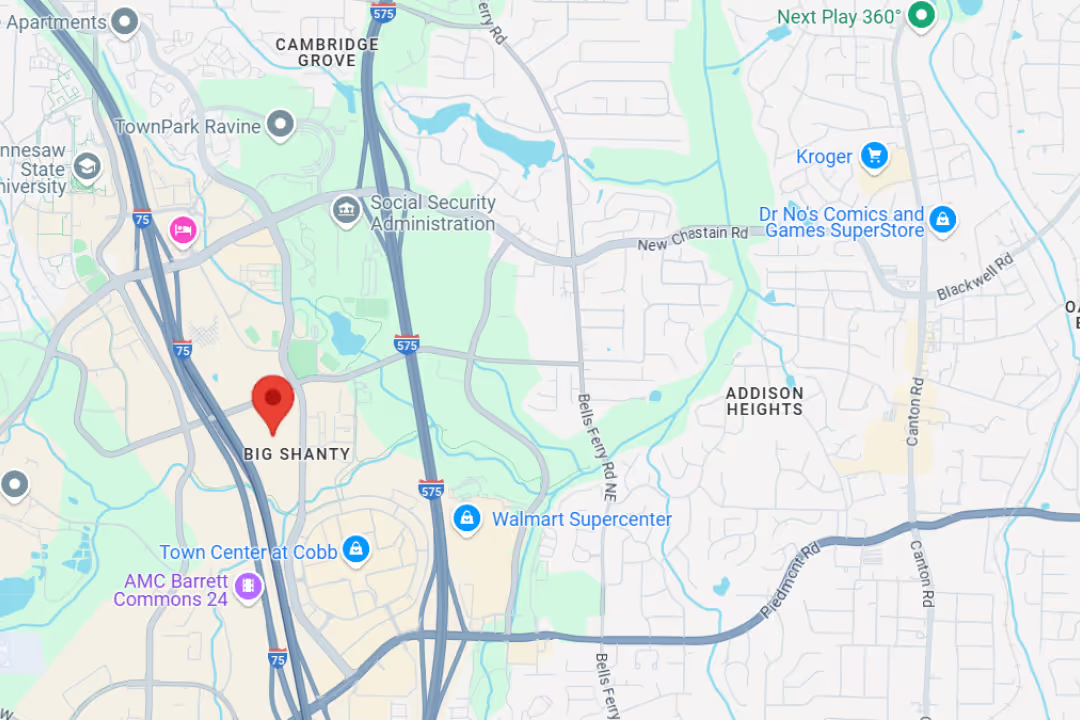
• Marietta: 792 Church Street, Unit 101, Marietta, GA 30060 — (470) 795-8398
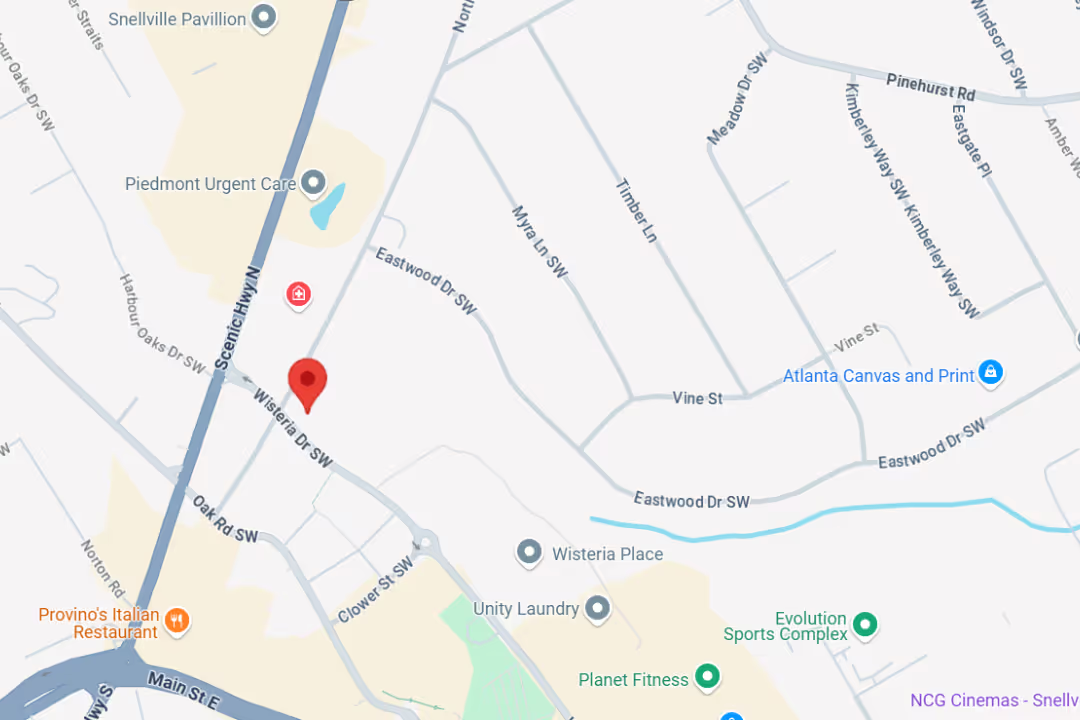
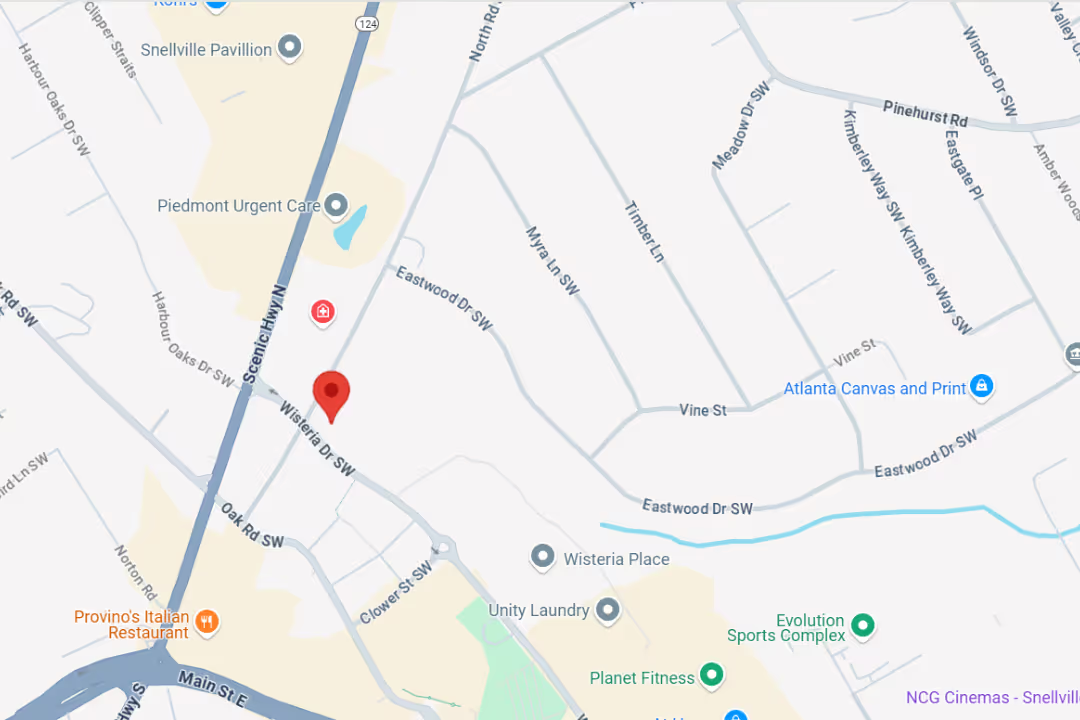
• Snellville: 2220 Wisteria Dr, Unit 100, Snellville, GA 30078 — (470) 795-8398
📍 Clinics
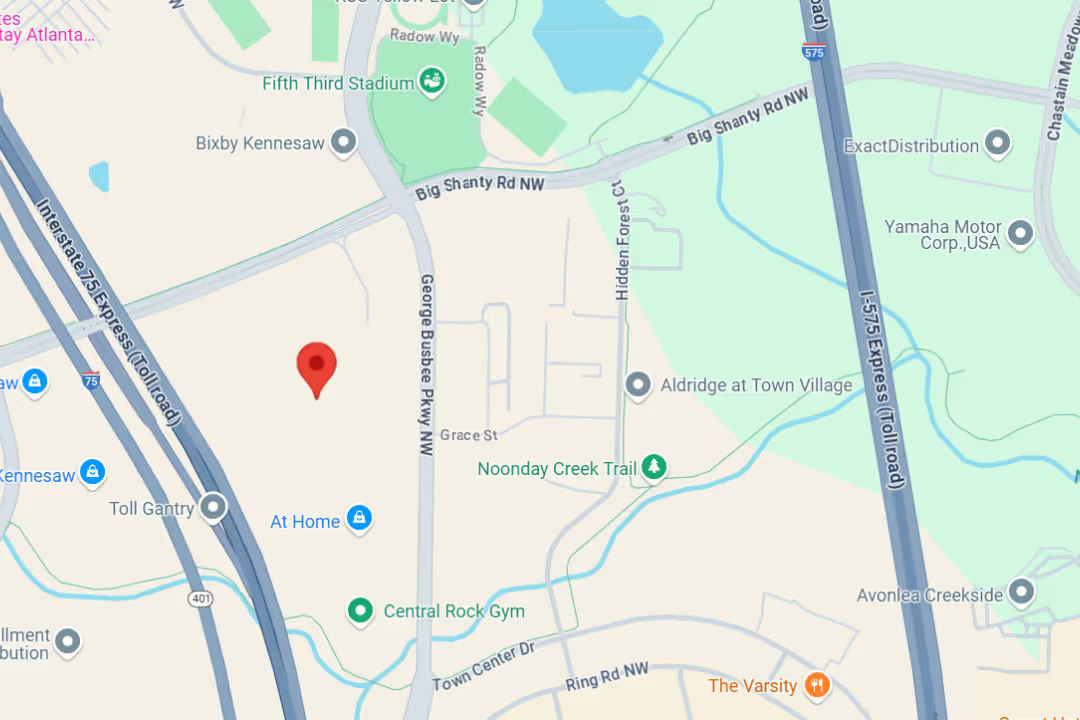
• Kennesaw: 2911 George Busbee Parkway, Suite 50, Kennesaw, GA 30144 — (770) 545-6404
• Snellville: 2220 Wisteria Drive, Unit 101, Snellville, GA 30078 — (470) 645-9297
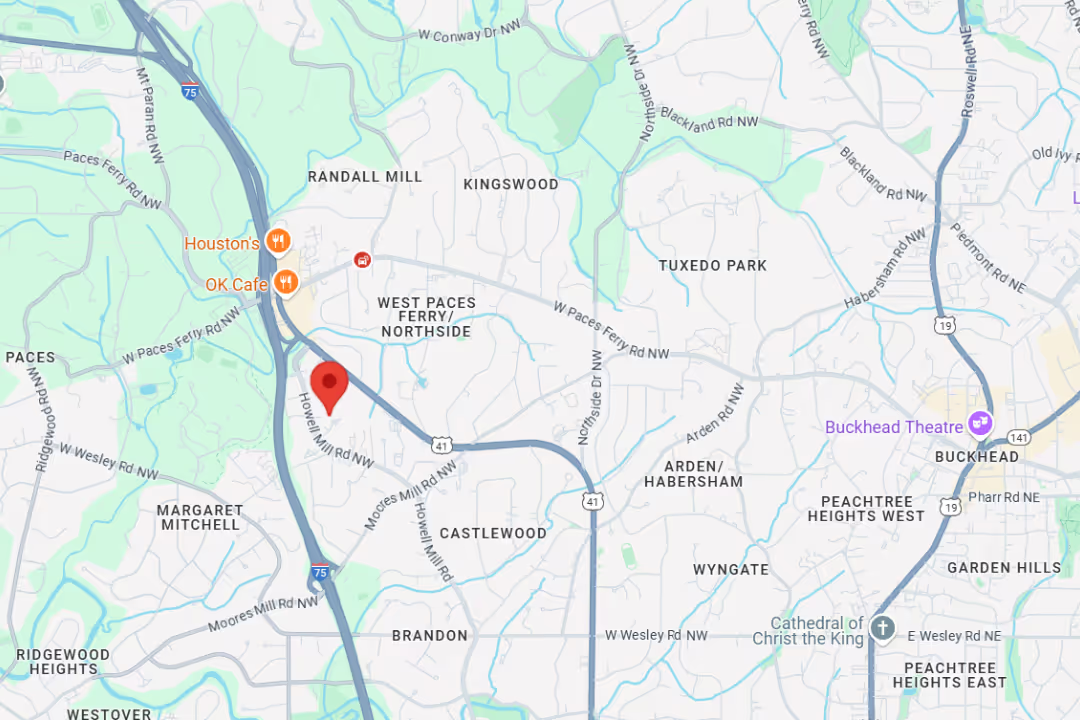
• Buckhead PM&R: 3200 Downwood Circle, NW, Suite 520, Atlanta, GA 30327 — (770) 872-7549
🌐 Website: https://www.mediciortho.com/
📞 Main Contact: +1-844-328-4624
At Medici, you’re more than your MRI.
We take time to hear your story, understand your pain, and create a plan that actually works for you.

Our team delivers specialist care at convenient locations across Metro Atlanta:
Get expert tips on injury recovery, pain relief, joint health, and movement strategies—straight from our Fellowship-Trained team.