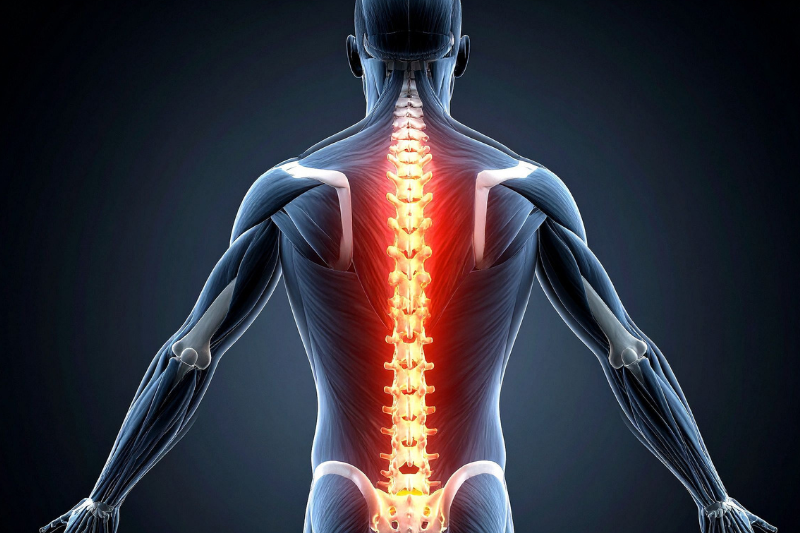
Spinal cord stimulation (SCS) is a treatment for chronic pain when standard therapies fail. This article explains how SCS works, who may benefit, clinical advantages, the implantation pathway, expected outcomes, and supporting evidence. SCS delivers targeted electrical pulses that alter pain signal transmission before signals reach the brain, which can reduce pain perception and help restore daily function and quality of life.
Spinal cord stimulation delivers controlled electrical impulses to the spinal cord to change how pain signals travel to the brain. By interrupting these pathways, SCS can reduce pain intensity. The technique has demonstrated benefit for neuropathic pain, failed back surgery syndrome, and other chronic nerve-related conditions, often enabling patients to resume daily activities and improve quality of life.
SCS is intended for patients who have not achieved adequate relief from conservative measures or medications. Common candidates include people with chronic neuropathic pain, complex regional pain syndrome (CRPS), persistent post-surgical pain, and other nerve-related pain where targeted modulation may help.

SCS delivers clinically meaningful, drug-free pain control that can be tailored to each patient. Measurable reductions in pain often translate into improved mobility and daily function.
At Medici Orthopaedics and Spine, we create personalized plans that align SCS settings with each patient’s goals and response. If you are considering this therapy, schedule a consultation to review your history, options, and expected benefits.
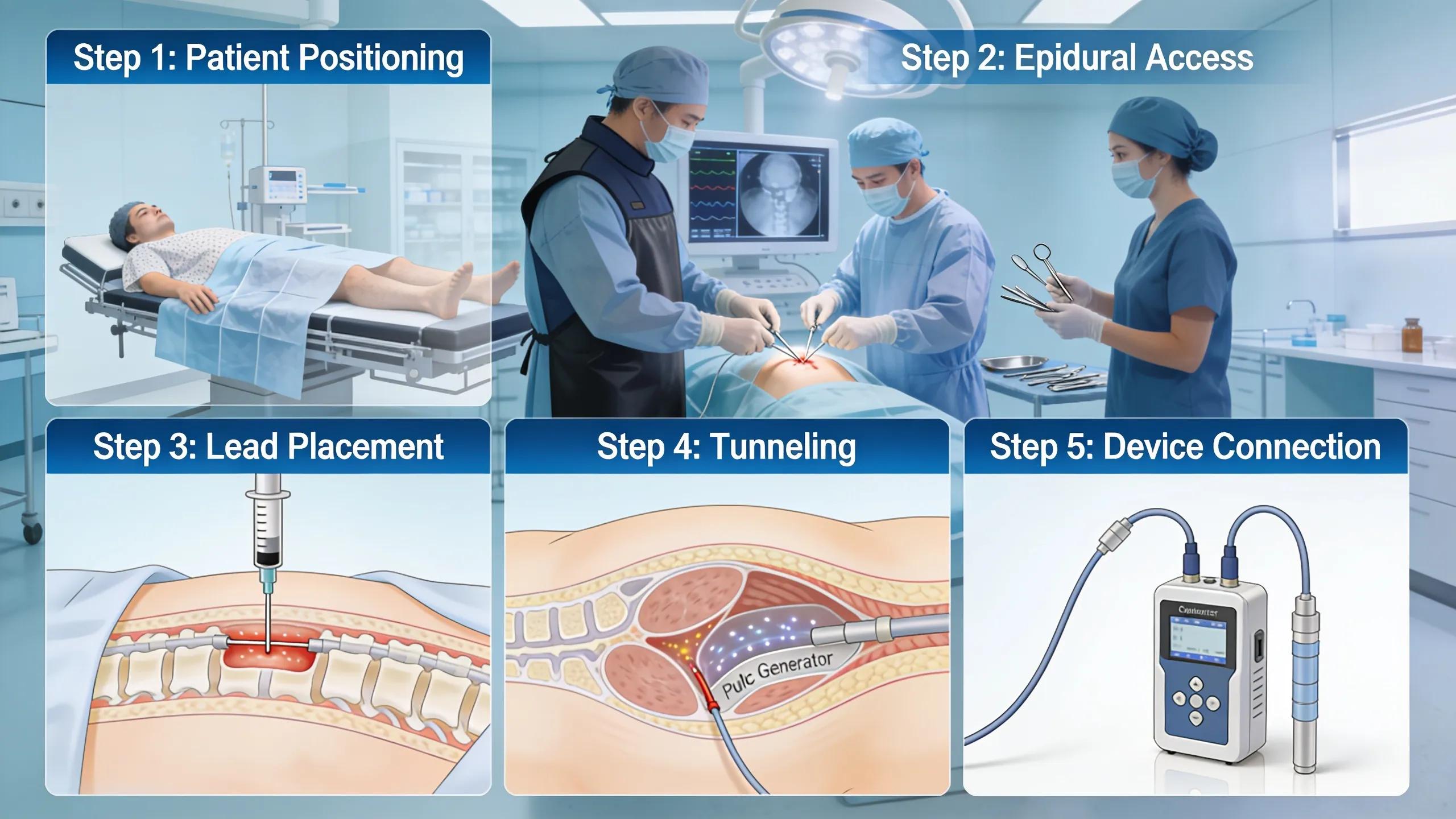
The SCS pathway protects patient safety and measures benefit. It begins with a clinical evaluation of history, pain characteristics, and prior treatments. When appropriate, a temporary trial device confirms response before any permanent implant is placed.
The implantation pathway typically follows these steps:
Fellowship-trained physicians coordinate care using specialized training to plan implantation, manage intraoperative decisions, and provide structured post-procedure follow-up. Their experience helps reduce risks, address complications, and support functional recovery.
Responders to SCS commonly report improved ability to perform daily activities, better sleep from reduced pain, and decreased need for pain medications. These improvements combine to raise overall well-being and activity levels for many patients.
Clinical evidence for SCS includes multiple studies and trials showing meaningful pain reduction and quality-of-life gains for many patients. The therapy is FDA approved for specific indications, and ongoing research continues to support its role in chronic pain management. Patient testimonials illustrate real-world benefits that complement clinical data.
This table summarises the primary benefits of SCS, the therapy’s adaptability, and the supporting evidence level for each claim.
Spinal cord stimulation is a targeted, evidence-based option for patients who have exhausted conservative measures. To discuss whether SCS is appropriate for you, contact Medici Orthopaedics and Spine to arrange a personalised consultation and care plan.
SCS is used for neuropathic pain, complex regional pain syndrome (CRPS), failed back surgery syndrome, and similar nerve-related pain. It is typically considered when conservative treatments and medications have not provided adequate relief, because SCS targets specific pain pathways.
Device longevity varies by patient response and model. Implanted systems commonly function for several years; regular follow-up verifies function, adjusts settings, and schedules replacements when needed.
SCS is generally safe. Possible complications include infection or discomfort at the implant site and altered sensations such as tingling as the body adjusts. Most issues are manageable and discussed during consultation.
Yes. SCS can be discontinued and the device removed if needed. This reversibility allows treatment plans to change with the patient’s clinical needs.
During the trial, a temporary lead is placed for several days to a week to assess pain reduction and functional improvement. Patients record pain and activity and stay in close contact with their clinical team to evaluate results before deciding on permanent implantation.
SCS offers a non-drug alternative and complements pathways such as physical therapy. Unlike opioids, SCS interrupts pain signals directly and can reduce reliance on medications. Many patients achieve substantial relief with SCS when conservative measures have failed.
Spinal cord stimulation is an effective, individualized option for chronic pain management that can produce measurable improvements in pain, function, and quality of life without depending on long-term opioids. If you are exploring advanced treatment options, schedule a consultation to determine whether SCS is an appropriate, evidence-based choice for your care.
At Medici, you’re more than your MRI.
We take time to hear your story, understand your pain, and create a plan that actually works for you.

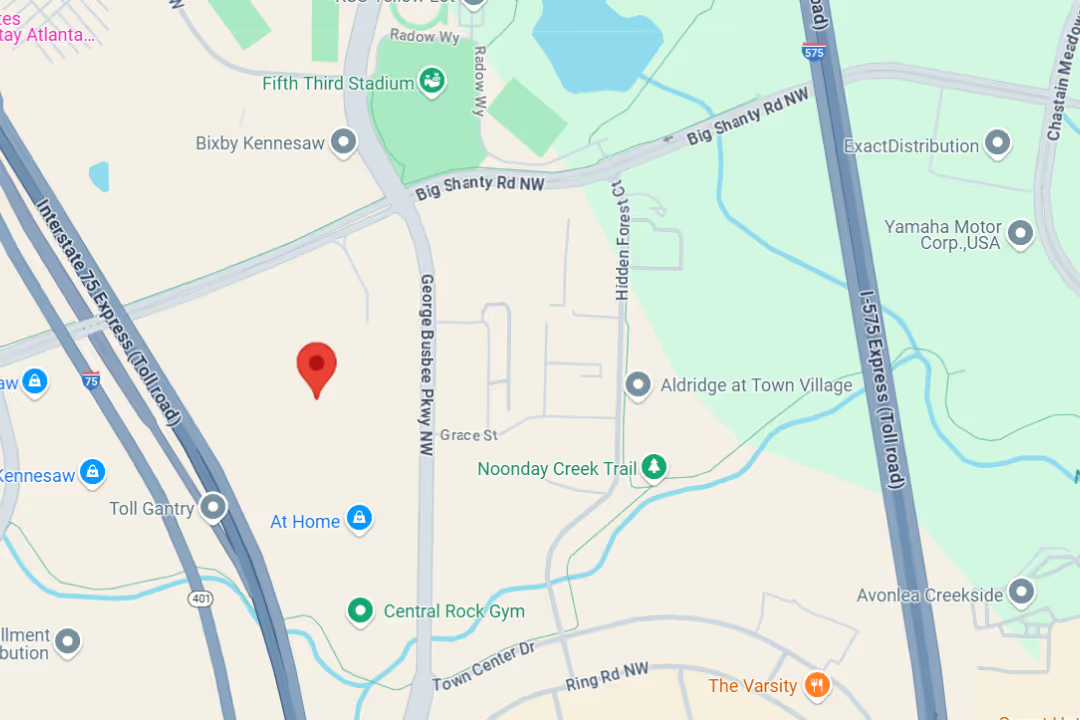
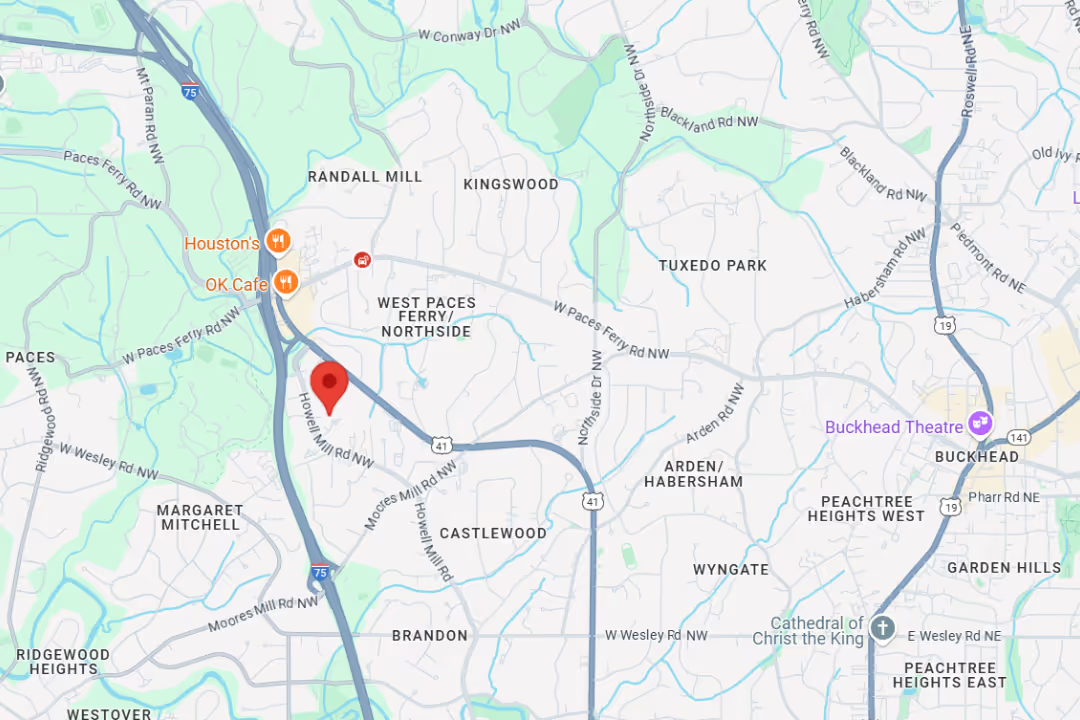
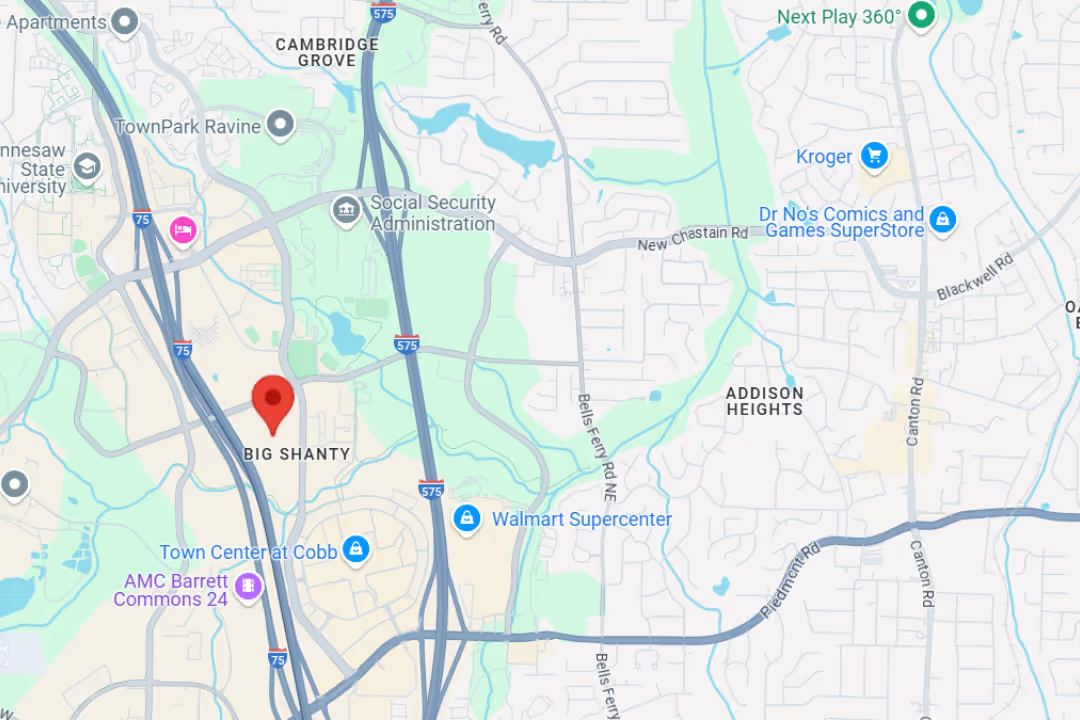
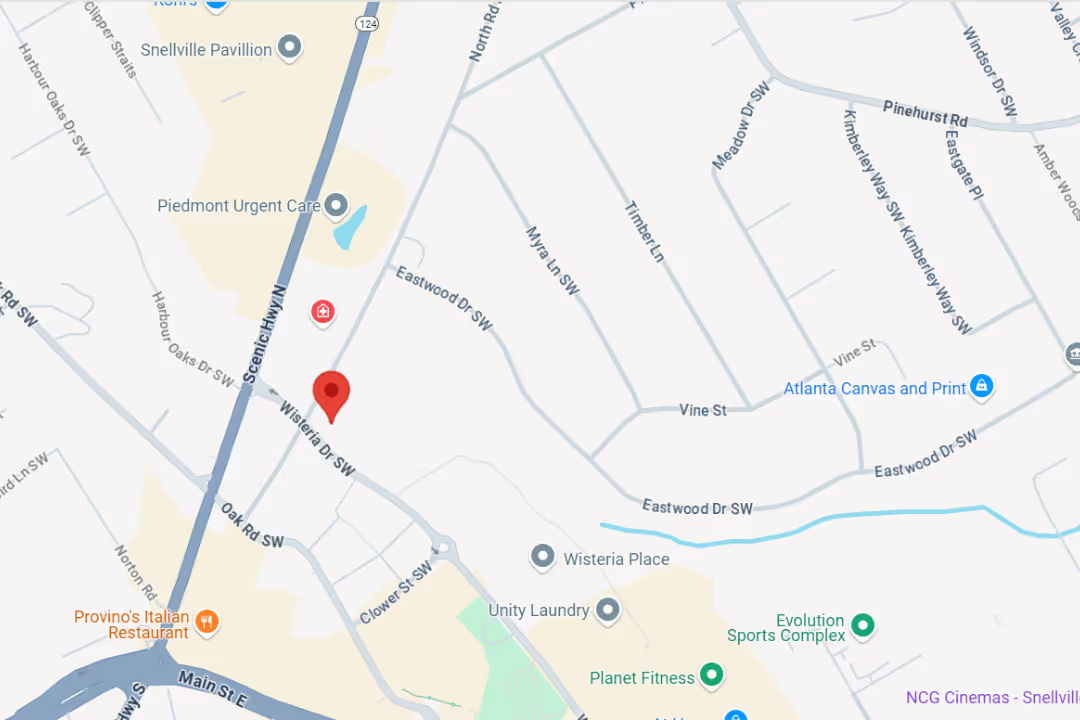
Our team delivers specialist care at convenient locations across Metro Atlanta:
Get expert tips on injury recovery, pain relief, joint health, and movement strategies—straight from our Fellowship-Trained team.