Back pain has a way of shrinking your world. In Marietta, it can show up the moment you sit down for the commute, climb into the car after a long day, or try to get through a grocery run without needing to lean on the cart. It’s the ache that makes you hesitate before picking up a child, the pinch that flares when you carry laundry up the stairs, and the stiffness that turns “standing at the stove” into something you dread instead of a normal part of your evening.
If that sounds familiar, here’s the reassuring truth: many causes of back pain can improve with modern, minimally invasive care. You do not have to jump straight to major surgery to get meaningful relief—and you don’t have to rely on stronger and stronger medications to get through the day.
At Medici Orthopaedics & Spine, our philosophy is straightforward: use the least invasive, least drug-dependent path that gives you the best chance at restoring function and quality of life.
If you’re in Marietta and back pain is interfering with work, sleep, movement, or family life, a modern evaluation can help clarify what’s going on and what your least invasive options truly are—so you can start moving forward with confidence instead of guessing.
This isn’t about doing endless crunches or forcing perfect posture. It’s about building:
A common trap is doing too much on a good day, then paying for it for three days. A graded plan rebuilds tolerance without constantly poking the bear.
A good plan measures progress in what you care about:
Whether you’re lifting kids, moving boxes, or working at a desk, basics matter:
If weight, inflammation, or conditioning are contributing, the goal is never shame—it’s leverage. Even modest improvements in strength, walking tolerance, and daily movement can decrease load on pain-sensitive structures.
Back pain and poor sleep feed each other. Simple adjustments—pillow support, position changes, a consistent wind-down routine—can reduce nighttime flare-ups and help your body recover.
Short-term medication strategies may be useful during acute flare-ups or while inflammation is being calmed so you can participate in rehab.
Many people don’t realize how much some medications can affect:
Epidural injections are commonly considered when symptoms suggest:
These treatments are often most effective for radiating leg pain and nerve-driven symptoms. In some cases, back pain improves too—especially if inflammation is a major driver.
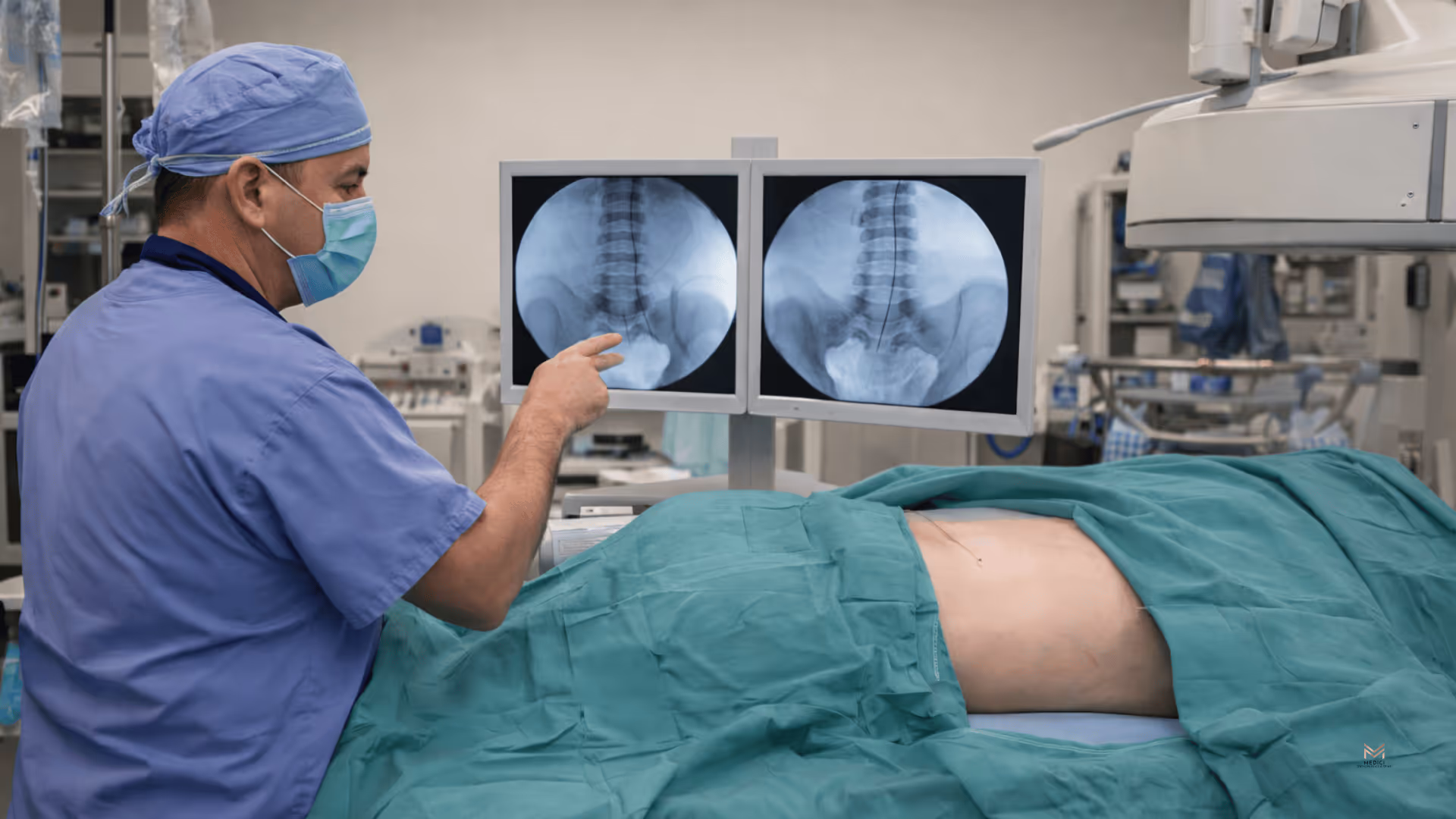
These are typically performed with imaging guidance for accuracy. Many patients return to light activity quickly, and relief may be gradual as inflammation settles. The goal is often to create a window where rehab and normal movement become possible again.
If your pattern matches facet-driven pain, targeted injections or diagnostic blocks can help confirm the source and reduce symptoms.
Medial branch blocks are often used diagnostically—to confirm whether the facet joint nerves are the true pain generator—so next steps are more confident and precise.
RFA uses heat to disrupt pain signals from specific nerves that supply the facet joints. It does not “fix arthritis,” but it can significantly reduce pain for the right candidates.
Typically, the best predictor of success is a strong response to diagnostic medial branch blocks.
Relief varies by person, but it’s often measured in months, not days—helping many patients return to activity, rehab, and daily life with less limitation.
If the exam suggests the SI joint is the source, an injection can reduce inflammation and confirm the diagnosis.
The injection isn’t the finish line—it’s often a tool to reduce pain enough to strengthen and stabilize the area so symptoms don’t keep cycling back.
Myofascial pain can create deep aching, tight bands, and referral patterns that feel like “back problems” but respond best to targeted muscular treatment.
Trigger point treatments can reduce pain and guarding, but pairing them with rehab is what helps create lasting change—better movement, better endurance, fewer flare-ups.
PRP uses a concentrated portion of your own blood (platelets and growth factors) that’s injected into a targeted area to support healing and reduce inflammation.
Where PRP may fit (selected cases):
Prolotherapy involves injecting an irritant solution (commonly dextrose-based) into painful ligaments/tendon attachments to stimulate a healing response and improve tissue support over time.
Where prolotherapy may fit (selected cases):
If muscle guarding and fascia tightness are major drivers, techniques like myofascial release or sports massage can help:
Hyperbaric oxygen therapy may be considered in specific circumstances where improving tissue oxygenation and supporting recovery is clinically appropriate. It’s not a routine first-line treatment for everyday back pain, but in the right context, it may be discussed as part of a broader, carefully selected care plan.
SCS is a form of neuromodulation—a therapy designed to change how pain signals are processed so the nervous system doesn’t keep amplifying them.
SCS is typically considered when:
One of the most patient-friendly aspects of SCS is that it typically involves a trial first. That means you can assess how much it helps before making any long-term decisions.
Success isn’t just “a lower number on a pain scale.” Many people are aiming for:
You don’t have to accept ongoing back pain as “normal”—especially when it’s stealing your sleep, making work harder, or limiting your mobility. The longer pain lingers, the more it can affect how you move, how you rest, and how confident you feel doing everyday things. But persistent back pain doesn’t automatically mean you need major surgery or a lifetime of medications.
Many patients improve without major surgery by identifying the true pain generator and choosing modern, targeted treatments that match it. When care is specific—disc-related pain vs. facet/SI joint-driven pain vs. nerve-related symptoms vs. muscular or myofascial contributors—results tend to be clearer, more predictable, and less invasive.
If you’re ready for answers, schedule an evaluation to determine whether your back pain is disc-related, facet or SI joint-driven, nerve-related, muscular, or a combination—and build a stepwise plan that prioritizes the least invasive option that can genuinely move you forward.
Marietta Ambulatory Surgery Center
792 Church Street, Unit 101
Marietta, GA 30060
At Medici, you’re more than your MRI.
We take time to hear your story, understand your pain, and create a plan that actually works for you.

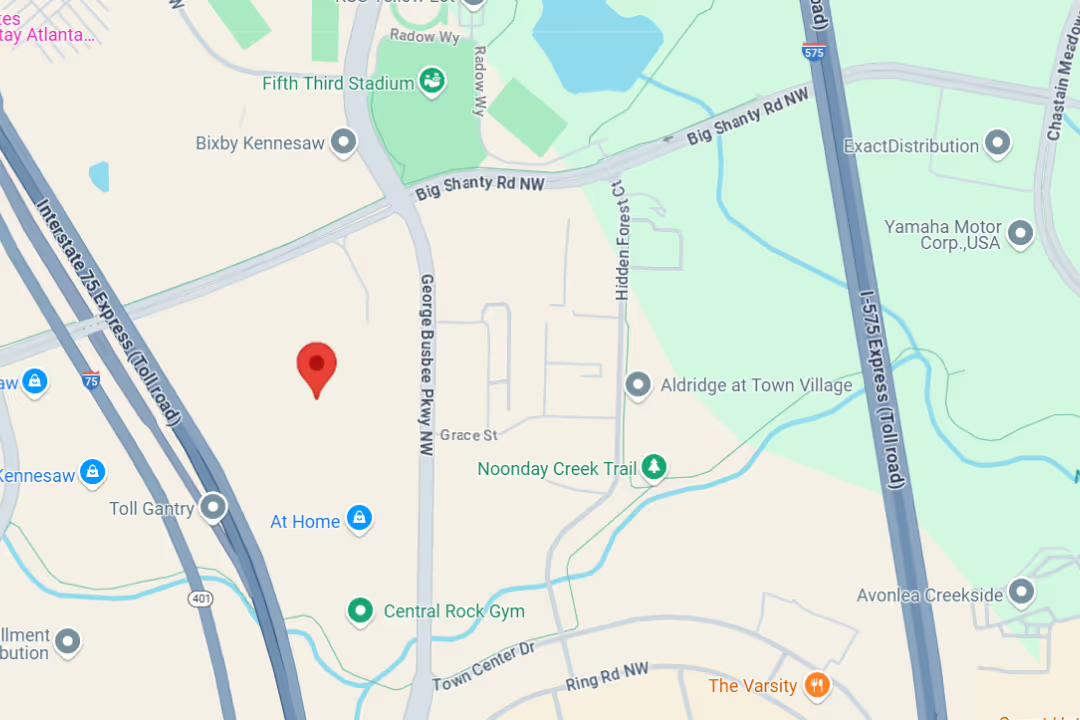
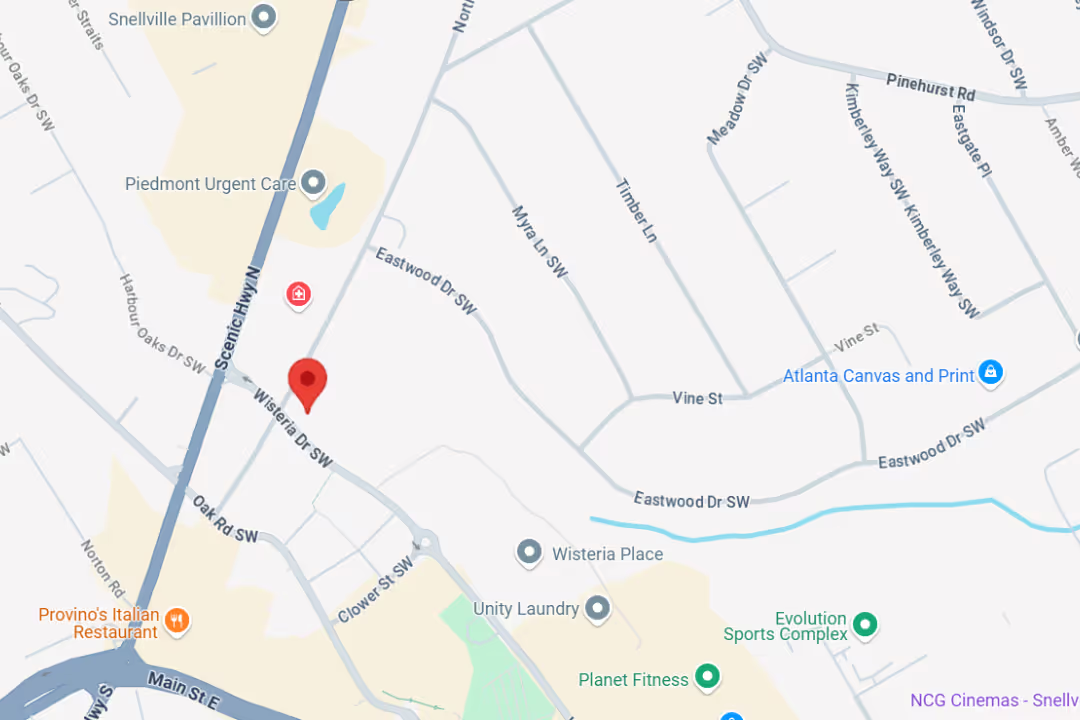
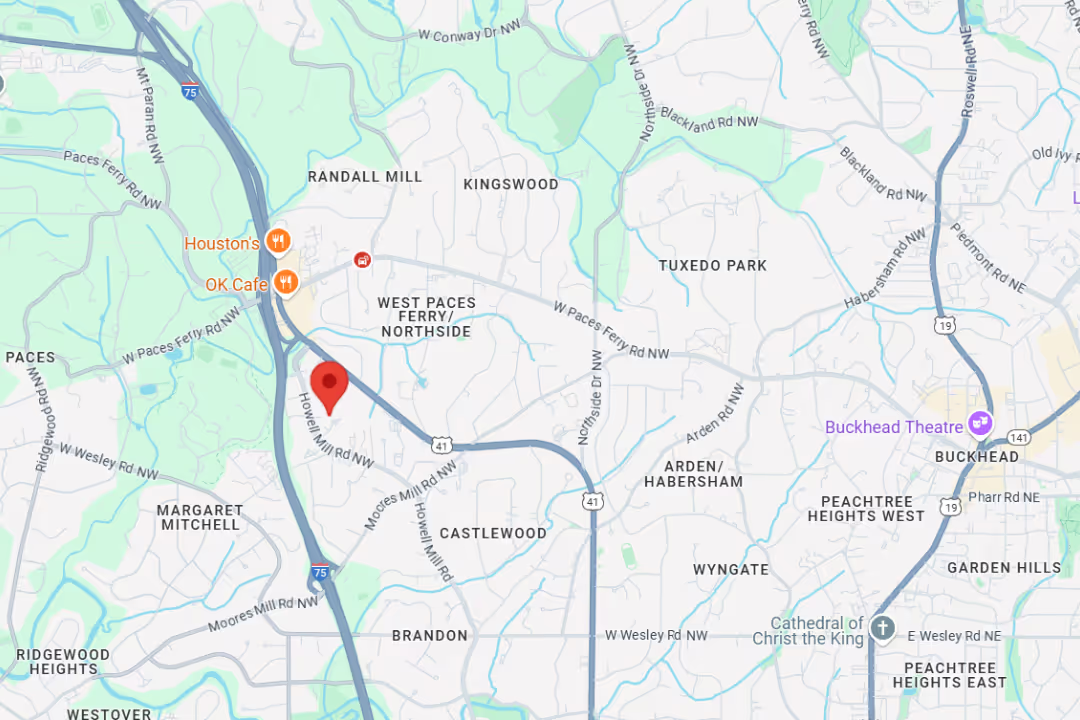
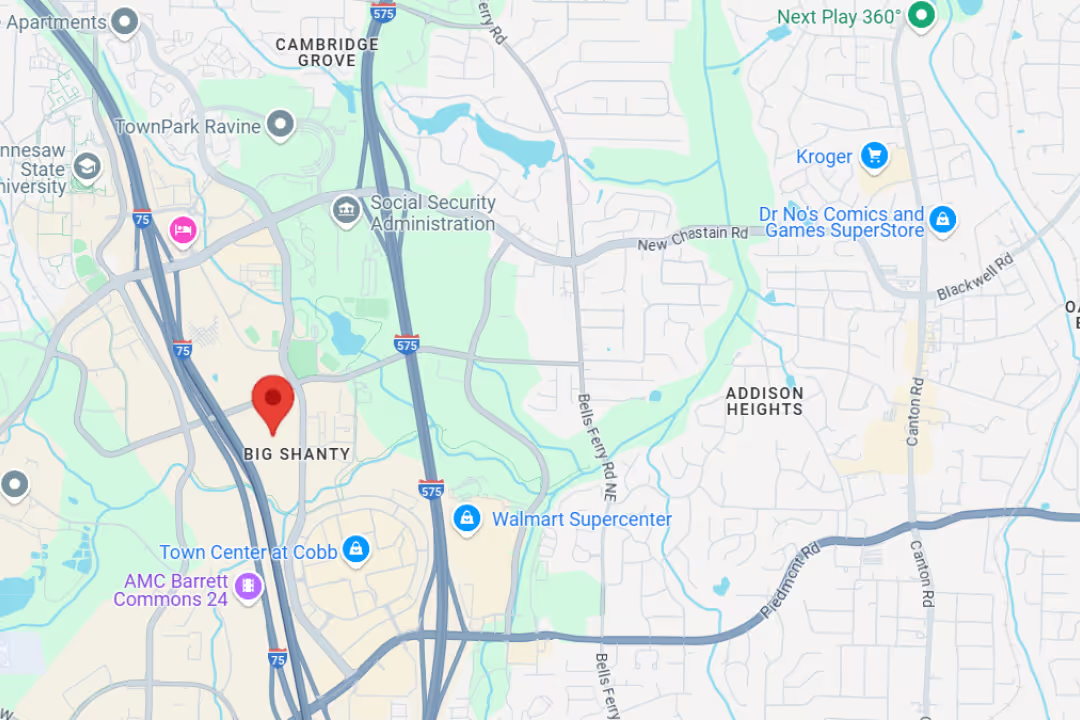
Our team delivers specialist care at convenient locations across Metro Atlanta:
Get expert tips on injury recovery, pain relief, joint health, and movement strategies—straight from our Fellowship-Trained team.