Phantom limb pain (PLP) is one of the most complex and emotionally challenging forms of chronic pain. Many individuals describe sensations that feel completely real—burning, aching, throbbing, or even sharp pain—in a limb that is no longer physically present. This can affect nearly every part of daily life, including sleep quality, mood, mobility, and overall well-being. It can be overwhelming to experience pain that seems to defy logic, leaving many patients feeling isolated or misunderstood.
It is important to emphasize this truth clearly: phantom limb pain is real. It is a legitimate neurologic condition—not “imagined”—and the frustration people feel when the pain persists long after an amputation is completely valid. PLP is the result of changes within the nervous system, not a reflection of a person’s mental strength, character, or coping ability.
What’s also true is that meaningful relief is absolutely possible. With targeted therapies designed to retrain the brain, calm overactive nerve pathways, and address musculoskeletal imbalances, many individuals experience significant reductions in pain and reclaim a sense of control.
Non-Medication Strategies for Phantom Limb Pain
Mirror Therapy
Mirror therapy uses visual feedback to “retrain” the brain’s interpretation of movement and sensation.
- How mirror visual feedback retrains the brain: By placing the intact limb in front of a mirror and performing slow movements, the brain receives the visual illusion that the missing limb is moving comfortably and without pain. This helps correct faulty pain signals.
- Improving sensory-motor integration: The brain begins to rebuild accurate sensory maps, reducing the mismatch that contributes to phantom pain.
- Techniques for at-home use: Patients can practice daily by sitting with the mirror aligned at midline, performing gentle hand or foot movements while focusing on the reflection as if it were the missing limb.
Graded Motor Imagery
Graded motor imagery (GMI) involves three progressive stages that help rebuild healthy neural pathways.
- Left/right discrimination: Training the brain to correctly identify left vs. right limbs helps reduce neural confusion.
- Imagined movement therapy: By mentally rehearsing movement of the missing limb, patients activate brain areas involved in motor control without triggering pain.
- How mental rehearsal changes neural pathways: With repetition, these techniques help “rewire” pain circuits, decreasing their sensitivity.
Desensitization Techniques
The residual limb can become overly sensitive after amputation, amplifying phantom sensations.
- Gentle tapping, stroking, and texture work on the residual limb: These techniques help normalize nerve sensitivity and reduce the brain’s overreaction to touch.
- Reducing hypersensitivity: Gradual exposure teaches the nervous system that normal sensations are safe.
- How consistent practice decreases pain over time: Repetition retrains the nervous system, leading to decreased pain and improved tolerance to prosthetic use.
Heat, Cold & Contrast Therapy
Thermal therapy can help calm irritated tissues and modulate nerve activity.
- When warmth helps calm muscles or nerve irritation: Heat relaxes tight muscles around the residual limb and may soothe nerve discomfort.
- When cold is more effective: Cold helps reduce sharp, burning sensations or inflammation near the surgical site.
- Safe ways to incorporate contrast therapy with prosthetic use: Patients can alternate warm and cool compresses before prosthetic training to reduce swelling and improve comfort—always ensuring the skin is protected.
Physical Rehabilitation & Movement Strategies
Addressing Muscle Imbalances
After amputation, the body adapts—and sometimes compensates in ways that increase pain.
- How gait changes after amputation can strain muscles and joints: Uneven weight distribution or altered movement patterns can irritate nerves and soft tissues.
- The connection between poor biomechanics and increased PLP: When the body moves inefficiently, nerves become more reactive, increasing phantom sensations.
Core & Hip Strengthening
Strong foundational muscles support better prosthetic control and reduce pressure on the nervous system.
- Improving posture and prosthetic control: Core and hip strength stabilize the pelvis and spine, reducing strain on the residual limb.
- Reducing compensatory strain: When the body is well-aligned, nerves remain calmer and less reactive.
Stretching & Mobility Routines
Maintaining flexibility prevents secondary tightness that can trigger or worsen PLP.
- Preventing tightness that triggers nerve responses: Overly tight muscles around the pelvis, back, or remaining limb can amplify nerve sensitivity.
- Maintaining balanced movement on both sides of the body: Balanced flexibility supports efficient gait and reduces compensatory tension.
Hands-On Therapies
Myofascial Release
Myofascial release helps improve the mobility of the tissues surrounding the residual limb.
- Releasing adhesions that restrict movement: After surgery, fascial adhesions can develop and limit natural tissue motion. These restrictions often increase discomfort and can contribute to nerve hypersensitivity.
- Improving tissue glide around the residual limb: When tissues move more freely, nerve irritation decreases, prosthetic comfort improves, and overall sensitivity is reduced.
Trigger Point Therapy
Trigger points—tight knots within muscle fibers—can produce pain that feels like it originates in another part of the body.
- Identifying and releasing referred pain areas: Trigger points in the hips, back, or remaining limb can send signals that mimic or amplify phantom sensations.
- How trigger points can mimic or worsen phantom sensations: Because PLP involves altered brain–body communication, trigger points can confuse nerve pathways even further, creating sharper or more persistent phantom pain.
Scar Tissue Mobilization
Scar tissue plays a major role in how comfortable (or uncomfortable) the residual limb feels.
- Reducing nerve entrapment: Gentle mobilization helps prevent scar tissue from adhering to deeper tissues or trapping nerves, which can send false pain signals.
- Improving comfort with prosthetic wear: A more mobile, healthier scar reduces pressure points and improves the overall fit and comfort of the prosthesis.
Mind-Body & Neurologic Modulation Techniques
Deep Breathing & Nervous System Regulation
Breathing techniques can profoundly influence the nervous system.
- Lowering sympathetic overactivity: Slow, diaphragmatic breathing activates the parasympathetic (“rest and heal”) response, helping calm nerve firing patterns associated with PLP.
- Improving pain tolerance: When the nervous system is calmer, pain-processing pathways become less reactive, reducing both the frequency and intensity of phantom sensations.
Meditation & Mindfulness
Mindfulness-based practices help patients develop a healthier relationship with their pain.
- Reducing emotional amplification of pain: Stress, fear, and frustration can heighten pain responses; mindfulness reduces this amplification.
- Enhancing pain processing pathways: Regular practice strengthens brain regions that regulate pain perception, reducing the level of attention the brain gives to phantom sensations.
Biofeedback & Neurofeedback
These technologies help patients understand and retrain how their brain and body respond to pain.
- Real-time monitoring to retrain pain responses: Sensors provide instant feedback on muscle tension, brainwave activity, or autonomic responses, helping patients learn how to control them.
- How neurologic regulation decreases PLP intensity: Over time, these techniques help reduce nerve excitability and improve the brain’s ability to interpret signals accurately, decreasing phantom limb pain.
Minimally Invasive & Regenerative Options at Medici
Regenerative Medicine
Regenerative therapies focus on enhancing the body’s natural healing processes.
- Calming irritated nerves: These treatments help reduce inflammation around hypersensitive nerve endings, improving comfort.
- Supporting tissue healing around the residual limb: Regenerative solutions promote healthier soft tissue, improving mobility and decreasing nerve irritation.
Prolotherapy
Prolotherapy is a natural injection therapy designed to strengthen weakened or overstressed structures.
- Strengthening supportive structures: By encouraging ligament and tendon repair, prolotherapy improves stability around the residual limb.
- Improving stability and reducing mechanical contributors to pain: When supportive tissues function better, nerve irritation decreases and movement becomes more comfortable.
Hyperbaric Oxygen Therapy (HBOT)
HBOT uses concentrated oxygen to promote cellular recovery.
- Enhancing oxygen delivery to tissues: Increased oxygen helps damaged or inflamed tissues heal more efficiently.
- Reducing inflammation and nerve hypersensitivity: HBOT calms overactive nerve pathways, which can significantly reduce phantom sensations.
- Supporting residual limb healing: Improved tissue health leads to better prosthetic tolerance and fewer irritation-related flare-ups.
Your Path Toward Relief Begins With a Team Who Truly Understands
Phantom limb pain is one of the most challenging forms of chronic pain—but it is also one of the most treatable. Phantom limb pain is real, and so is the potential for meaningful relief. With the right combination of neurologic retraining, physical rehabilitation, hands-on therapies, lifestyle support, and minimally invasive medical care, many patients experience significant improvements in comfort, mobility, and emotional well-being.
You don’t have to face phantom limb pain alone. Whether your symptoms are new or have persisted for years, our team is here to help you find relief that truly makes a difference. We warmly encourage you to schedule a personalized evaluation and take the first step toward greater comfort, stability, and confidence.
Contact Medici Orthopaedics & Spine
🌐 Website: https://www.mediciortho.com/
📞 Main Contact: +1-844-328-4624
Ambulatory Surgery Centers
• Marietta – 792 Church Street, Unit 101, Marietta, GA 30060 | (470) 795-8398
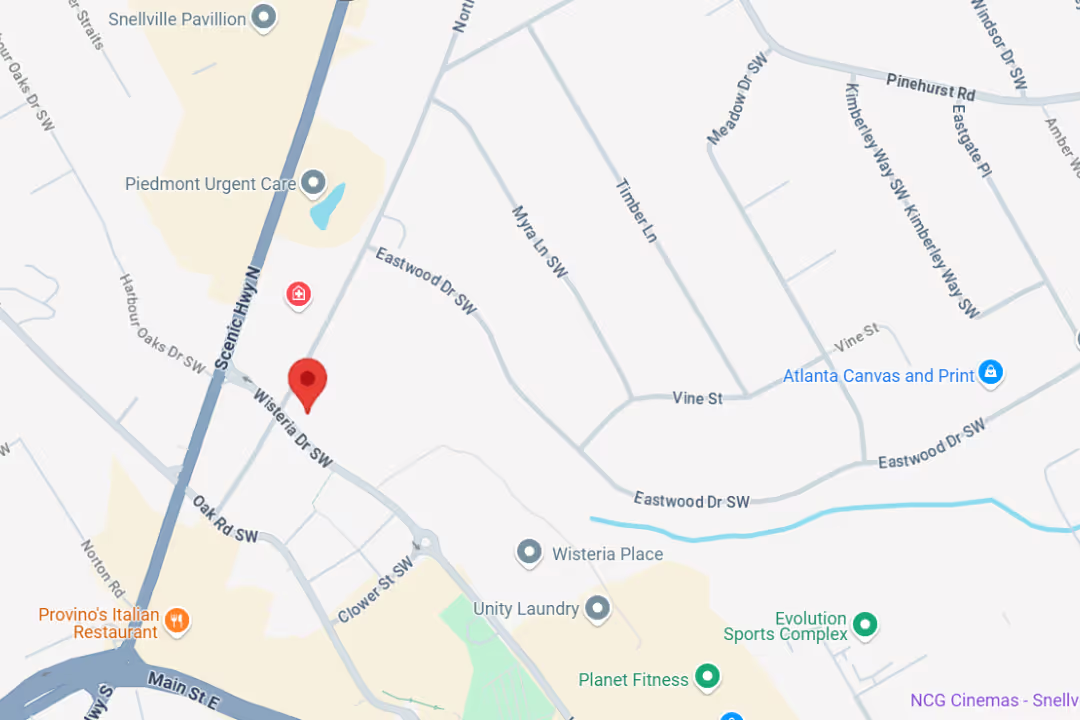
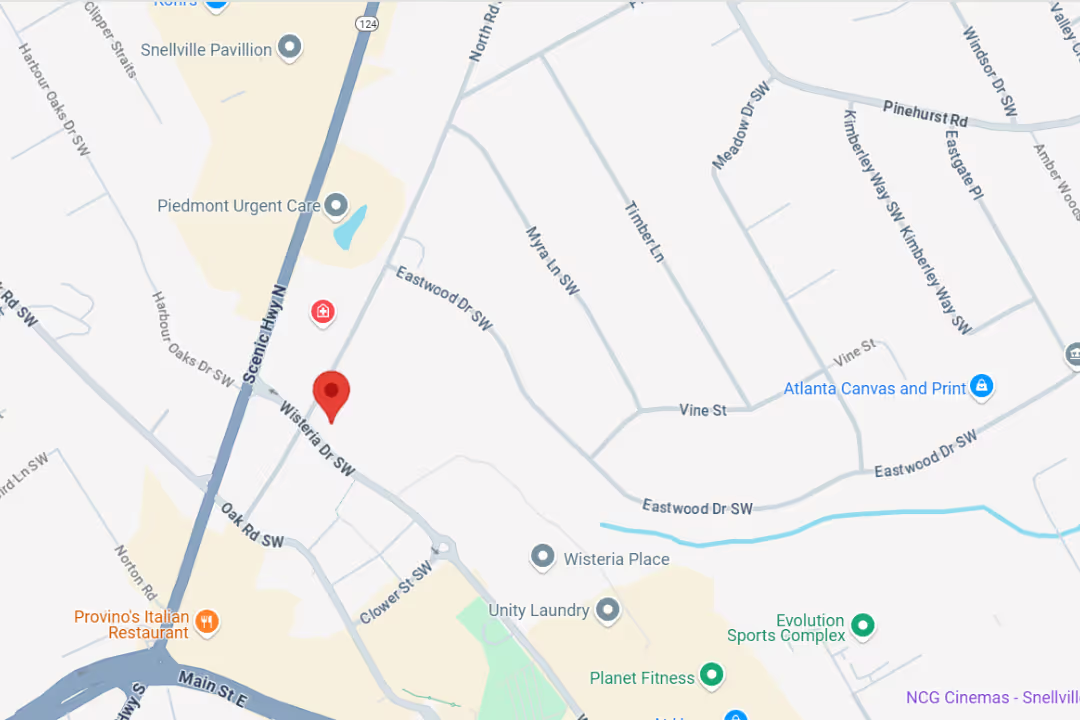
• Snellville – 2220 Wisteria Dr, Unit 100, Snellville, GA 30078 | (470) 795-8398
Clinics
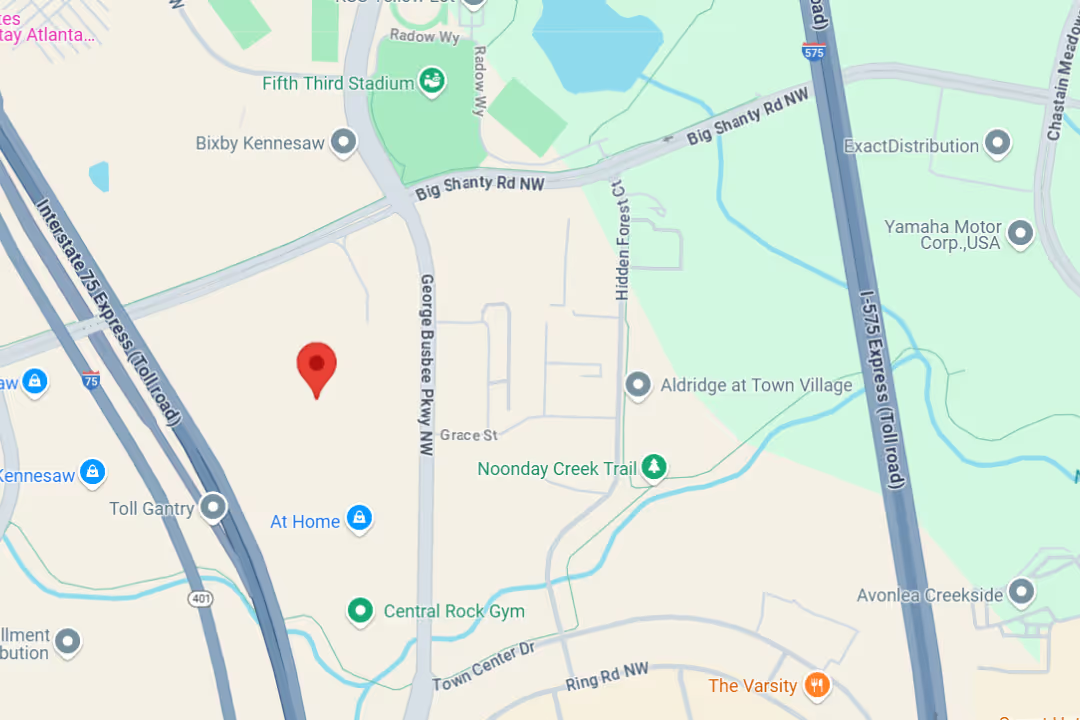
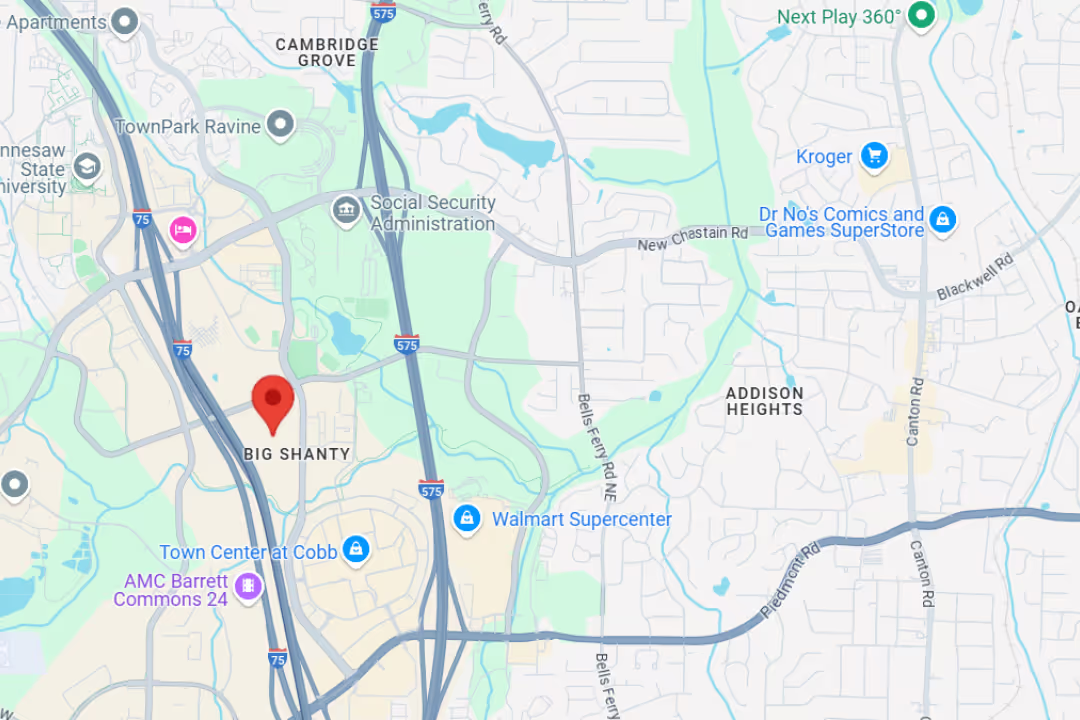
• Kennesaw – 2911 George Busbee Parkway, Suite 50, Kennesaw, GA 30144 | (770) 545-6404
• Snellville – 2220 Wisteria Drive, Unit 101, Snellville, GA 30078 | (470) 645-9297
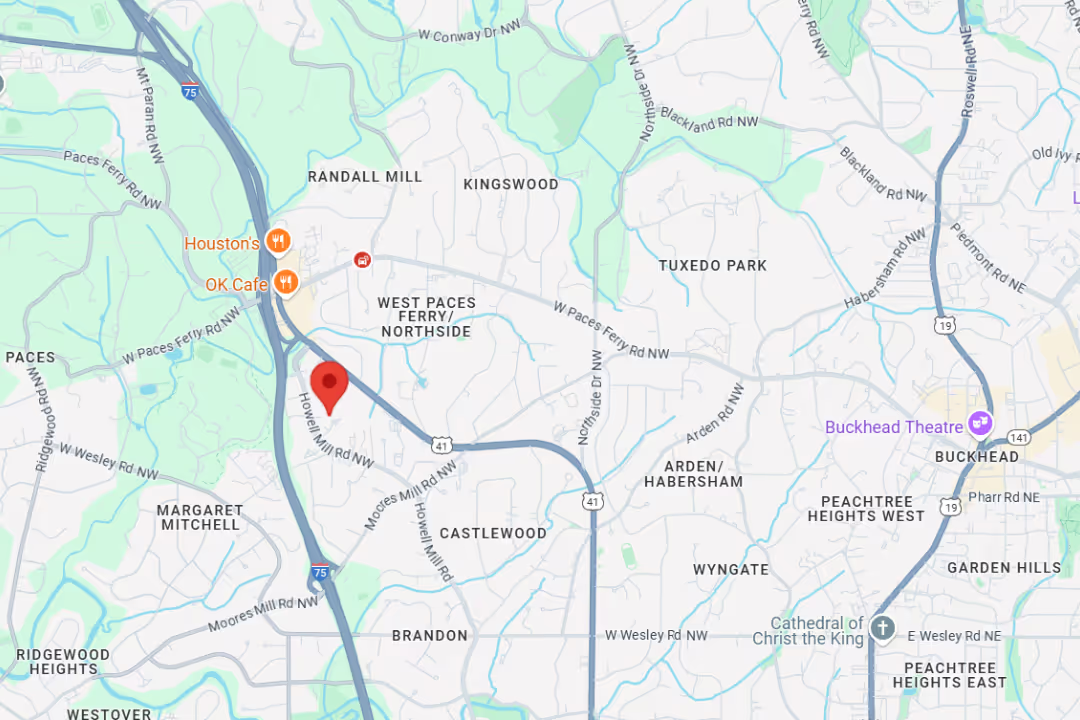
• Buckhead PM&R – 3200 Downwood Circle NW, Suite 520, Atlanta, GA 30327 | (770) 872-7549