The rotator cuff plays a vital role in nearly every movement of the shoulder. Whether you’re reaching overhead, lifting groceries, throwing a ball, or simply getting dressed, this group of muscles is constantly working to keep your shoulder stable and functioning smoothly.
Because of this, even a minor injury to the rotator cuff can have a major impact on your daily life. Simple tasks can become painful or difficult, and activities you once performed without thinking may suddenly feel limited or unsafe. For athletes and active individuals, this can be especially frustrating interrupting performance, training, and overall mobility.
Rotator cuff injuries are not only physically limiting, but they can also be mentally challenging. The uncertainty around recovery time and the fear of making the injury worse often lead people to either do too little or too much too soon.
Understanding Rotator Cuff Injuries
What Is the Rotator Cuff?
The rotator cuff is a group of four muscles and their tendons that surround the shoulder joint:
- Supraspinatus
- Infraspinatus
- Teres minor
- Subscapularis
Together, these muscles work to:
- Stabilize the shoulder joint by keeping the upper arm bone centered in the socket
- Control movement during lifting, reaching, and rotating motions
- Support coordination and strength in both everyday and athletic activities
Types of Rotator Cuff Injuries
Rotator cuff injuries can vary in severity, and understanding the type of injury is key to determining the right treatment approach.
- Tendinitis and Inflammation
- Irritation of the tendons due to overuse
- Common in individuals with repetitive overhead activity
- Often presents as aching pain and limited movement
- Partial Tears
- Damage to some of the tendon fibers
- May cause noticeable weakness and pain with certain movements
- Often manageable with non-invasive treatment
- Full-Thickness Tears
- Complete tear of the tendon
- Significant loss of strength and function
- May require more advanced intervention depending on severity and lifestyle demands
Common Causes
Rotator cuff injuries can develop gradually or occur suddenly, depending on the underlying cause.
- Repetitive Overhead Motion
- Activities like swimming, tennis, baseball, or certain work tasks
- Repeated stress can lead to inflammation and micro-tears over time
- Acute Injuries
- Falls onto an outstretched arm
- Lifting something too heavy or with poor form
- Sudden, forceful movements
- Age-Related Degeneration
- Natural wear and tear of the tendons over time
- Reduced blood supply can slow healing
- More common in individuals over 40
Why Physical Therapy Is Essential for Recovery
Restoring Strength and Stability
- Preventing muscle atrophy
- Lack of use can cause the shoulder muscles to weaken rapidly
- Physical therapy introduces controlled exercises to maintain and rebuild strength
- Rebuilding shoulder support
- Strengthening the rotator cuff and surrounding muscles helps stabilize the joint
- A stable shoulder reduces strain on injured tissues and supports healing
Improving Mobility and Range of Motion
- Reducing stiffness
- Gentle, guided movements help prevent the joint from becoming “frozen”
- Improves circulation and flexibility
- Restoring function
- Gradual progression of motion allows patients to return to normal activities
- Ensures the shoulder can move freely without pain or compensation
Avoiding Surgery When Possible
- Effectiveness of non-invasive treatment
- Many partial tears and inflammatory conditions respond well to therapy
- Strengthening and stabilization can reduce symptoms significantly
- When therapy alone may be sufficient
- Mild to moderate injuries
- Patients who respond well to structured rehabilitation
- Cases where function can be restored without invasive procedures
Preventing Re-Injury
- Correcting movement patterns
- Identifying and fixing improper mechanics during lifting, reaching, or sports
- Reduces stress on vulnerable areas
- Addressing underlying imbalances
- Strengthening weak muscles and improving coordination
- Restoring balance across the shoulder and upper body
Factors That Influence Recovery Timeline
Severity of the Injury
- Mild strains or inflammation
- Often improve within weeks with proper therapy
- Partial tears
- Require more structured rehabilitation over several weeks to months
- Full-thickness tears
- May take significantly longer and sometimes require additional intervention
Age and Overall Health
- Healing capacity
- Younger individuals often recover more quickly
- Older patients may require a more gradual approach
- Tissue resilience
- Overall fitness, nutrition, and health conditions impact recovery speed
Consistency with Therapy
- Following prescribed exercises
- Regular participation in therapy sessions and at-home exercises
- Skipping steps can delay progress or lead to setbacks
- Staying committed to the process
- Recovery is gradual, and consistency builds long-term results
Lifestyle and Activity Level
- Demands placed on the shoulder
- Physically demanding jobs or sports may require a longer recovery timeline
- Repetitive strain can delay healing if not managed properly
- Activity modifications
- Adjusting routines during recovery helps protect the shoulder
- Gradual return to activity ensures safer outcomes
Week-by-Week Physical Therapy Breakdown
Week 1–2: Pain Management and Protection Phase
The first phase focuses on calming the injury and preventing further damage. This is where many patients are tempted to either do too much or avoid movement entirely—both of which can slow recovery.
Primary goals:
- Reduce pain and inflammation
- Protect the injured tissue
- Maintain gentle movement without strain
What to expect:
- Activity modification and rest
- Avoid overhead movements, heavy lifting, and aggravating activities
- Allow the shoulder time to begin healing
- Gentle passive range-of-motion exercises
- Movements guided by a therapist or assisted by the opposite arm
- Helps prevent stiffness without stressing the injury
- Pain management techniques
- Use of ice to reduce inflammation
- Heat may be introduced later to relax muscles
- Bracing or slings may be used in certain cases for support
Week 3–4: Early Mobility and Activation Phase
As pain begins to decrease, the focus shifts toward restoring movement and gently reactivating the muscles.
Key objectives:
- Improve flexibility and range of motion
- Begin light muscle engagement
- Reinforce proper movement patterns
What to expect:
- Active-assisted movements
- Gradual transition from passive to assisted motion
- Encourages the shoulder to begin working again safely
- Light stretching
- Helps improve flexibility and reduce tightness
- Focus on controlled, pain-free motion
- Gentle muscle activation
- Low-intensity exercises targeting the rotator cuff and surrounding muscles
- Reintroduces stability without overloading the joint
- Movement awareness
- Emphasis on proper mechanics to avoid compensation
- Building good habits early in recovery
Week 5–6: Strength Building Phase
By this stage, the shoulder is ready for more active strengthening. The goal is to rebuild the support system that stabilizes the joint.
Primary focus:
- Increasing strength
- Enhancing joint stability
- Continuing mobility improvements
What to expect:
- Light resistance exercises
- Use of resistance bands or light weights
- Focus on controlled, deliberate movements
- Rotator cuff and scapular strengthening
- Targeting the muscles that stabilize the shoulder
- Improving coordination between the shoulder and upper back
- Improved joint control
- Exercises designed to enhance stability during movement
- Reducing the risk of abnormal motion
- Ongoing mobility work
- Maintaining and expanding range of motion
- Preventing stiffness as strength increases
Week 7–8: Advanced Strength and Functional Training
As strength improves, therapy becomes more dynamic and tailored to real-life or sport-specific demands.
Goals:
- Build advanced strength and endurance
- Improve coordination and control
- Prepare for higher-level activities
What to expect:
- Increased resistance and complexity
- Progression to more challenging exercises
- Incorporating multiple muscle groups
- Functional and sport-specific movements
- Simulating activities like lifting, reaching, or throwing
- Preparing the shoulder for real-world demands
- Enhanced coordination and endurance
- Training the shoulder to perform consistently over time
- Improving control during dynamic movements
Week 9–12: Return to Activity Phase
The final phase focuses on safely returning to normal activities, work, or sports while maintaining long-term shoulder health.
Key priorities:
- Restoring full strength and mobility
- Gradual reintegration into activity
- Preventing future injury
What to expect:
- Gradual return to activity
- Reintroducing daily tasks, exercise routines, or sports
- Progressing intensity carefully
- Full range of motion and strength
- Achieving symmetry with the uninjured side
- Ensuring the shoulder can handle full demands
- Injury prevention strategies
- Continued strengthening and mobility exercises
- Education on proper technique and posture
- Long-term maintenance
- Establishing routines to keep the shoulder strong and stable
- Reducing the risk of recurrence
A Step-by-Step Path to Shoulder Recovery
Recovering from a rotator cuff injury is not about rushing the process—it’s about respecting it. True healing takes time, consistency, and a structured approach that allows the shoulder to rebuild safely and effectively.
Each phase of physical therapy serves a purpose. From reducing pain and restoring mobility to rebuilding strength and returning to full activity, every step plays a critical role in achieving long-term success. Skipping steps or progressing too quickly can lead to setbacks, while following a guided plan helps ensure steady, reliable improvement.
Take the Next Step Toward Stronger, Pain-Free Shoulders
If you’re dealing with a rotator cuff injury or shoulder pain that isn’t improving, the team at Medici Orthopedics & Spine is here to guide you through every stage of recovery.
📞 Call us today: +1-844-328-4624
🌐 Visit: https://www.mediciortho.com/
Locations:
- Marietta Surgery Center: 792 Church Street, Unit 101, Marietta, GA 30060 | (470) 795-8398
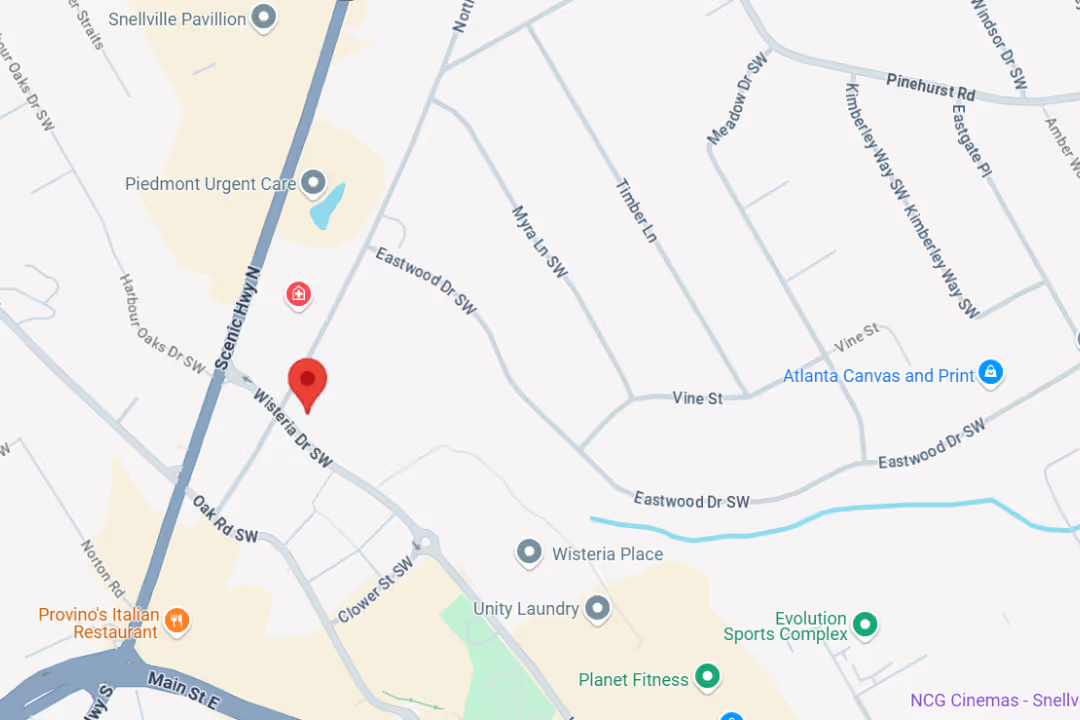
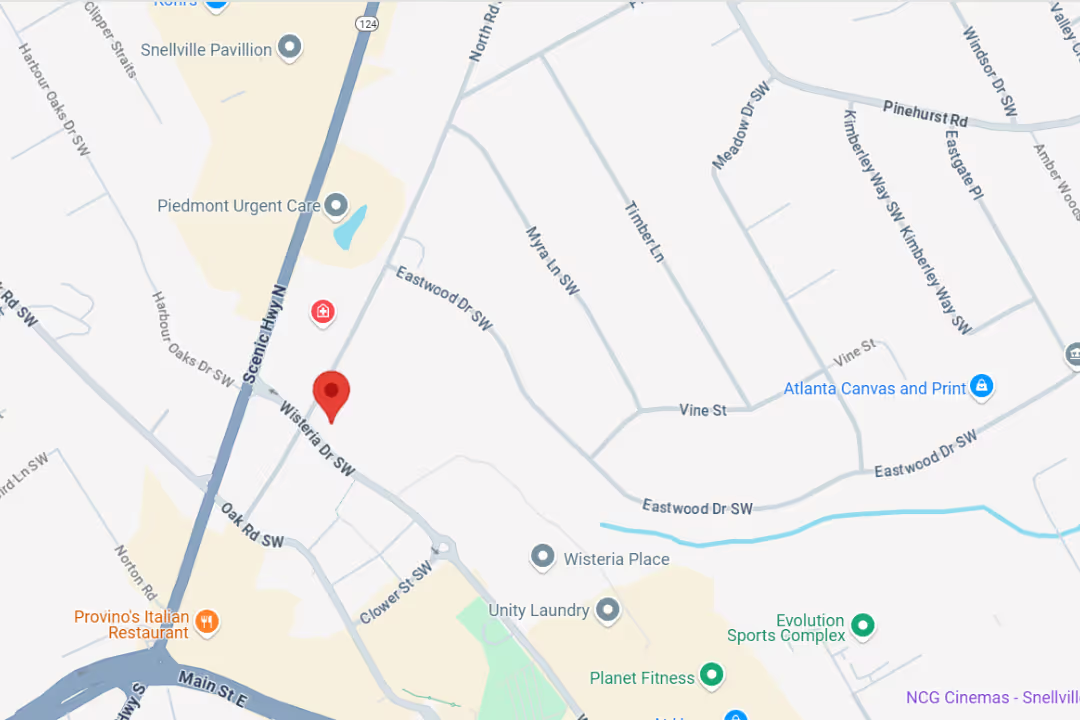
- Snellville Surgery Center: 2220 Wisteria Dr, Unit 100, Snellville, GA 30078 | (470) 795-8398
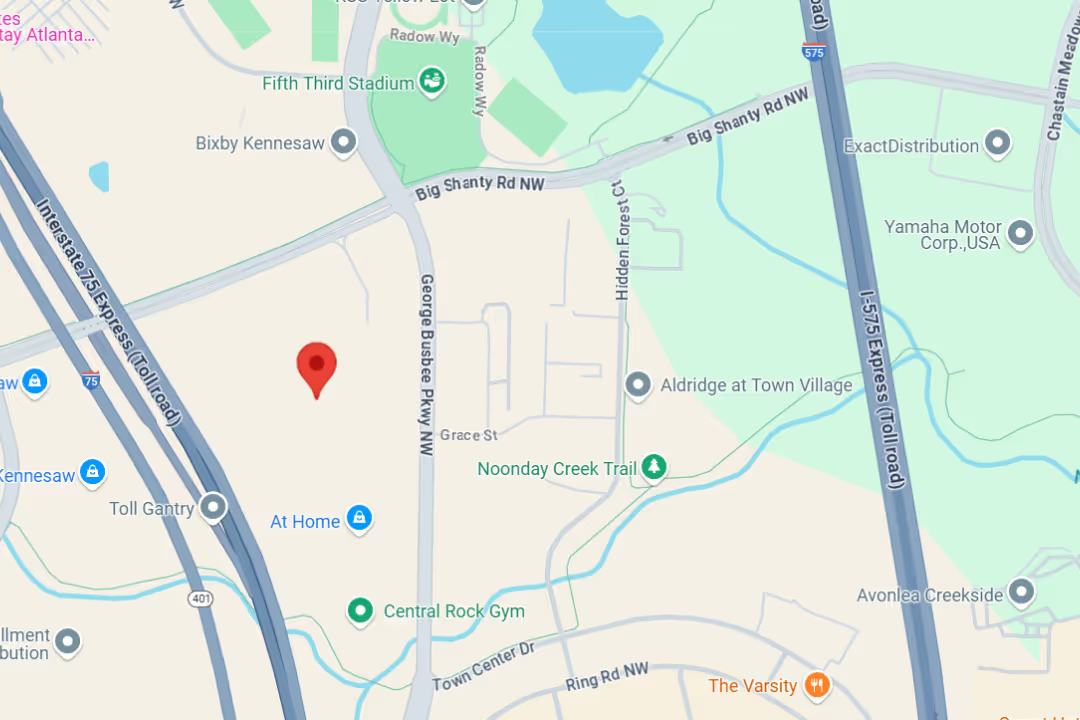
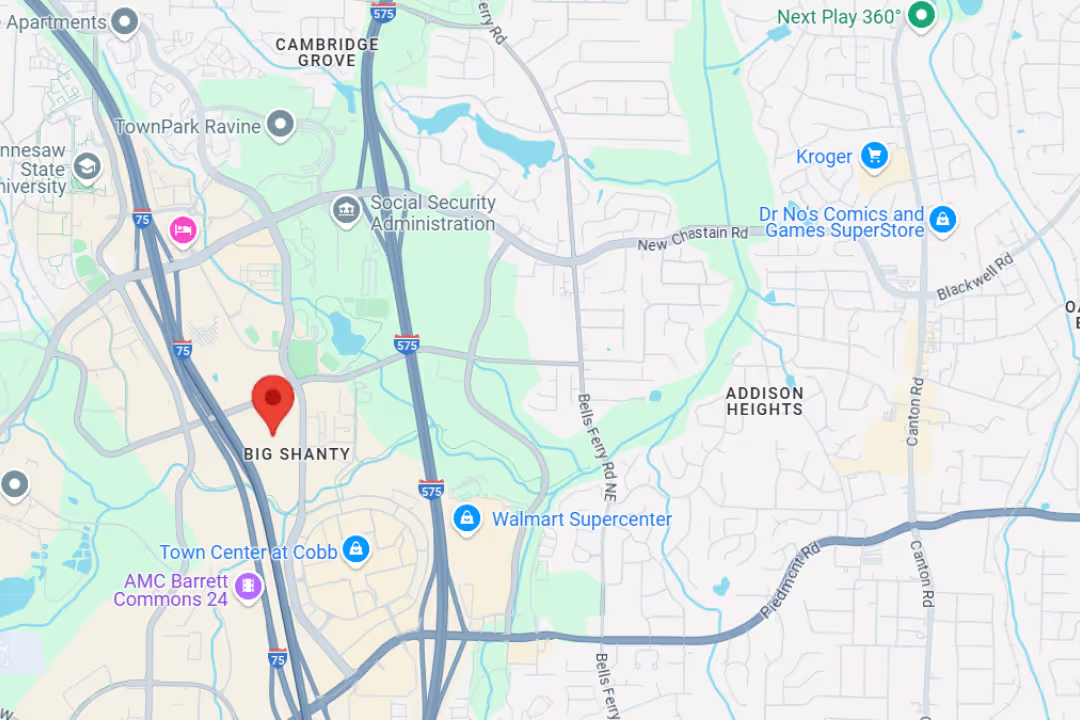
- Kennesaw Clinic: 2911 George Busbee Parkway, Suite 50, Kennesaw, GA 30144 | (770) 545-6404
- Snellville Clinic: 2220 Wisteria Drive, Unit 101, Snellville, GA 30078 | (470) 645-9297
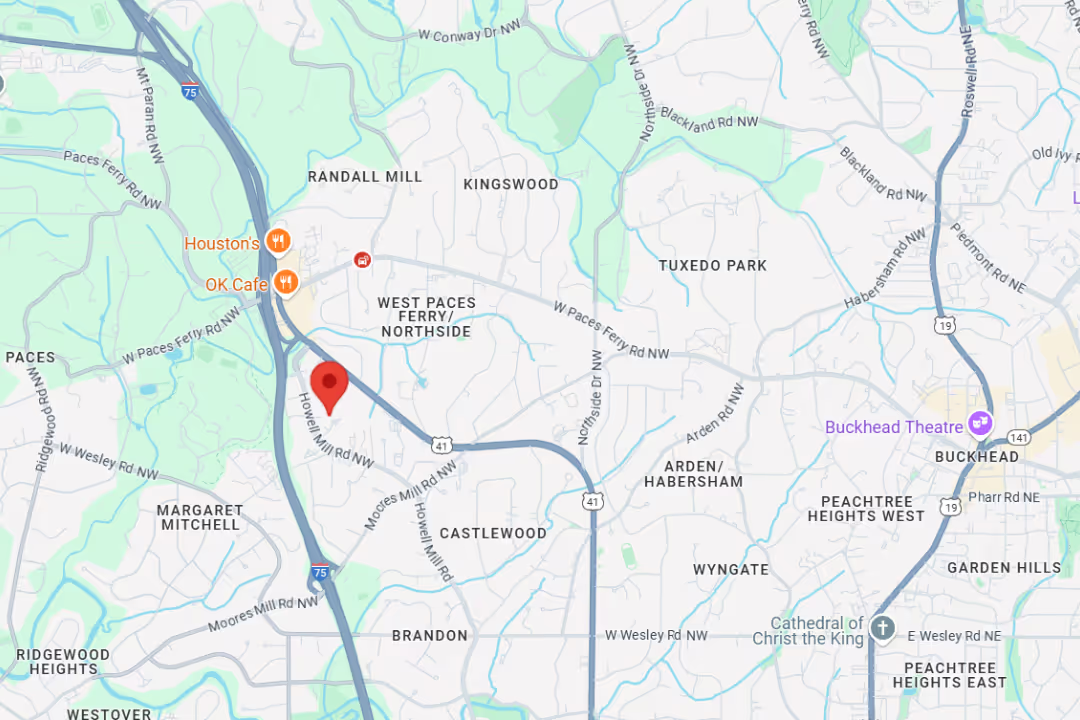
- Buckhead PM&R: 3200 Downwood Circle NW, Suite 520, Atlanta, GA 30327 | (770) 872-7549