Summer in Georgia has a way of pulling people outside. The longer days, the open fields, the weekend tournaments that sneak up on the calendar — suddenly you're running bases, hiking trails, or back on the tennis court for the first time since October. That burst of activity feels good. Until it doesn't.
For a lot of people, summer is also when the injuries happen. Not always the dramatic ones, either. Sometimes it's a knee that swells up after a Saturday soccer game, a shoulder that aches for a week after a round of golf, or an ankle that turned wrong on an uneven trail and still hasn't felt right. You ice it, you rest it, you tell yourself it'll be better by Monday. Sometimes it is. Sometimes it isn't.
The tricky part about sports injuries is knowing which category you're in. Some are genuinely minor and resolve with a few days of rest. Others are quietly serious, the kind that get harder to treat the longer you wait. Knowing the difference, and getting the right evaluation at the right time, is often what separates a full recovery from a nagging problem that follows you into fall.
Ankle injuries are among the most frequent sports injuries we see, particularly in sports that involve quick direction changes or uneven surfaces. Trail running, volleyball, basketball, and softball are common culprits. A sprain that isn't properly evaluated and rehabilitated can lead to chronic instability over time.
The knee takes significant stress in nearly every sport. ACL tears, meniscus damage, and patellar issues are all common in summer sports and can range from manageable with conservative care to requiring surgical intervention depending on severity. Soccer, tennis, and recreational basketball are frequent triggers.
Overhead sports put real strain on the rotator cuff and labrum. Swimmers, golfers, volleyball players, and anyone involved in throwing sports are susceptible. Shoulder injuries can be deceptive; they may feel manageable at first but worsen with continued activity.
Both conditions involve inflammation of the tendons around the elbow from repetitive motion. Despite their names, they show up in a wide range of activities, including carpentry, landscaping, and recreational weight training. Pain on the outer or inner elbow after repetitive arm use is a common indicator.
These soft tissue injuries are common in sports that involve sprinting, kicking, or rapid direction changes. They can sideline athletes quickly and tend to linger if activity isn't modified early.
Runners and cyclists are particularly vulnerable to stress fractures, especially when mileage or intensity increases too quickly. The foot, shin, and hip are common sites. Stress fractures often feel like persistent soreness rather than sharp pain, which leads people to push through longer than they should.
Golf swings, recreational lifting, prolonged hiking, and even extended time on the water can all stress the lumbar spine. Lower back pain after physical activity may point to muscle strain, disc irritation, or joint stress, and warrants evaluation if it doesn't resolve within a few days.
The honest answer is that not every sports injury needs immediate medical attention. Rest, ice, and time genuinely do handle a lot of minor strains and soreness. The challenge is recognizing the signs that something more significant is going on.
Consider seeing a sports injury doctor if you experience any of the following:
Most people are familiar with RICE, which stands for Rest, Ice, Compression, and Elevation. It is a legitimate and useful first-response tool for acute injuries, and applying it in the first hours after an injury can help control swelling and discomfort.
That said, RICE has real limits. It manages symptoms in the short term, but it does not diagnose the injury, address structural damage, or create a path to recovery. If you are still significantly limited after 48 to 72 hours of consistent self-care, RICE has done what it can do. What comes next requires a clinical evaluation to understand what is actually injured and what the right treatment approach looks like.
Continuing to self-treat a serious injury past that window does not help it heal faster. In many cases, it allows the condition to worsen or leads to compensating patterns that create new problems in adjacent areas.
A lot of people hesitate to schedule an appointment because they aren't sure what to expect, or they worry they'll be rushed into something. Here is what an evaluation at Medici actually involves:
Structured physical therapy is often the foundation of sports injury recovery. A targeted program addresses strength deficits, restores range of motion, corrects movement patterns that contributed to the injury, and guides a safe return to full activity.
Corticosteroid injections can reduce inflammation and pain in an affected joint, creating a window for rehabilitation to be more effective. Hyaluronic acid injections are used for joint lubrication, particularly in the knee. These are precision tools, not permanent fixes, and are most effective as part of a broader treatment plan.
Platelet-rich plasma (PRP) therapy and stem cell treatments use your body's own biology to support tissue repair. These options are particularly relevant for tendon injuries, partial tears, and conditions that haven't responded well to conventional conservative care. Regenerative medicine represents one of the more significant advances in non-surgical orthopedics in recent years.
Soft tissue work addresses muscle tension, scar tissue, and restricted fascia that can limit recovery and contribute to recurring pain. These therapies are often integrated alongside other treatments for a more complete result.
Strategic bracing can protect an injured joint during recovery while allowing continued activity at a modified level. Paired with a structured return-to-sport plan, this approach keeps patients moving safely rather than sidelining them entirely.
Getting hurt when you finally have the time and motivation to be active is genuinely frustrating. You planned for these weekends. You were looking forward to the games, the trails, the time outside. A sore knee or a shoulder that won't cooperate can feel like the season slipping away, and the temptation is to push through and hope it resolves on its own.
Sometimes that works. More often, the injuries that linger past the first week are telling you something worth listening to. Early evaluation and appropriate care tend to lead to faster, more complete recoveries. Waiting and compensating tends to make things more complicated.
The team at Medici Orthopaedics & Spine works with athletes and active adults at every level, from weekend rec league players to competitive athletes to people who simply want to stay active and feel good doing it. Whether you are dealing with a fresh injury or something that has been bothering you for weeks, an evaluation is the right first step.
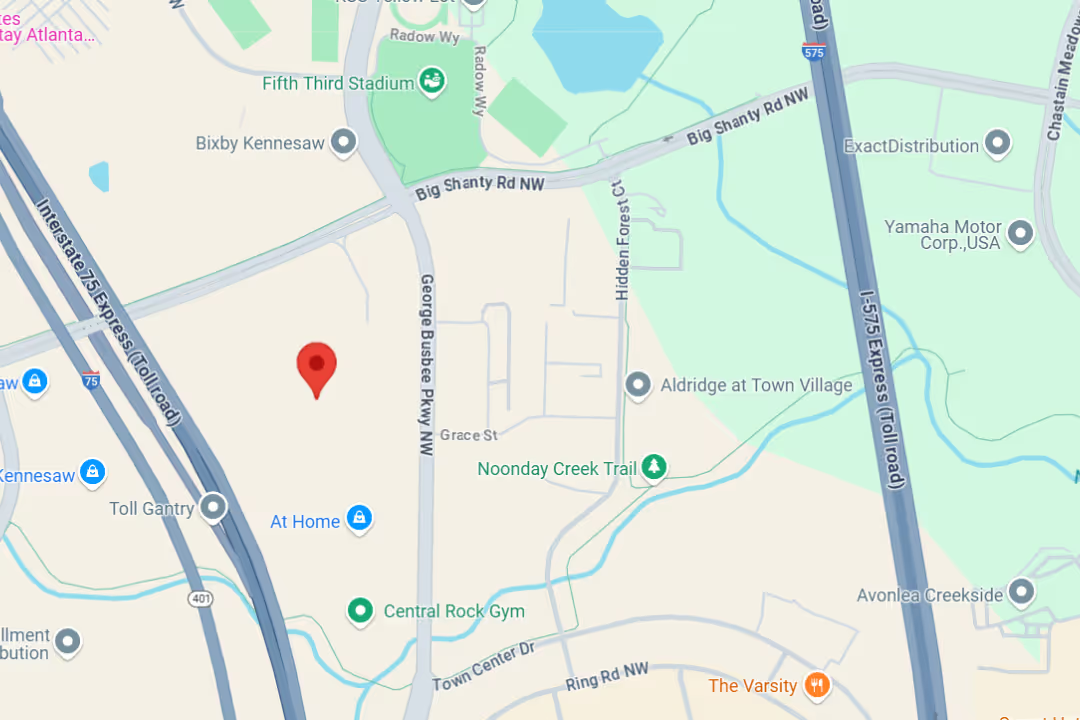
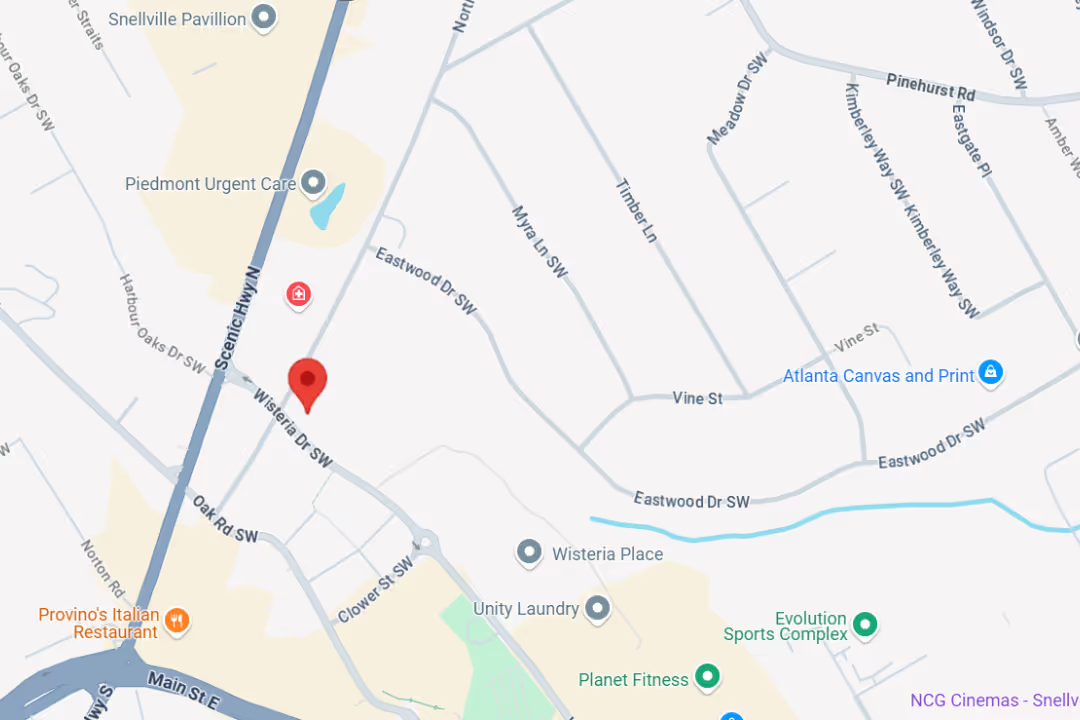
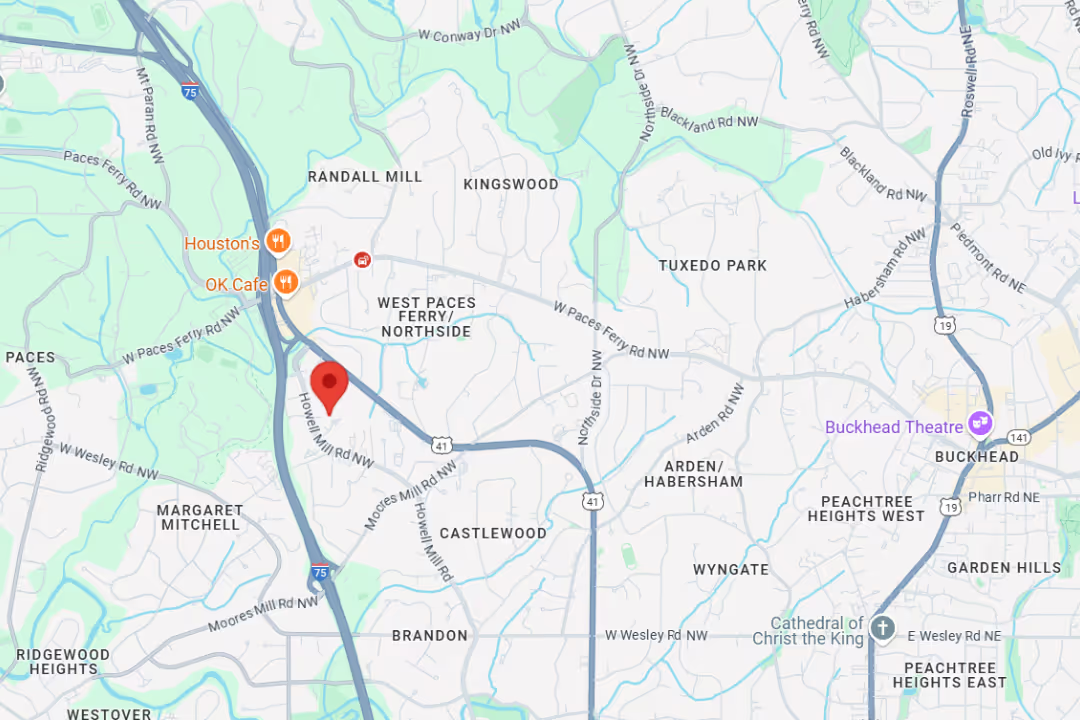
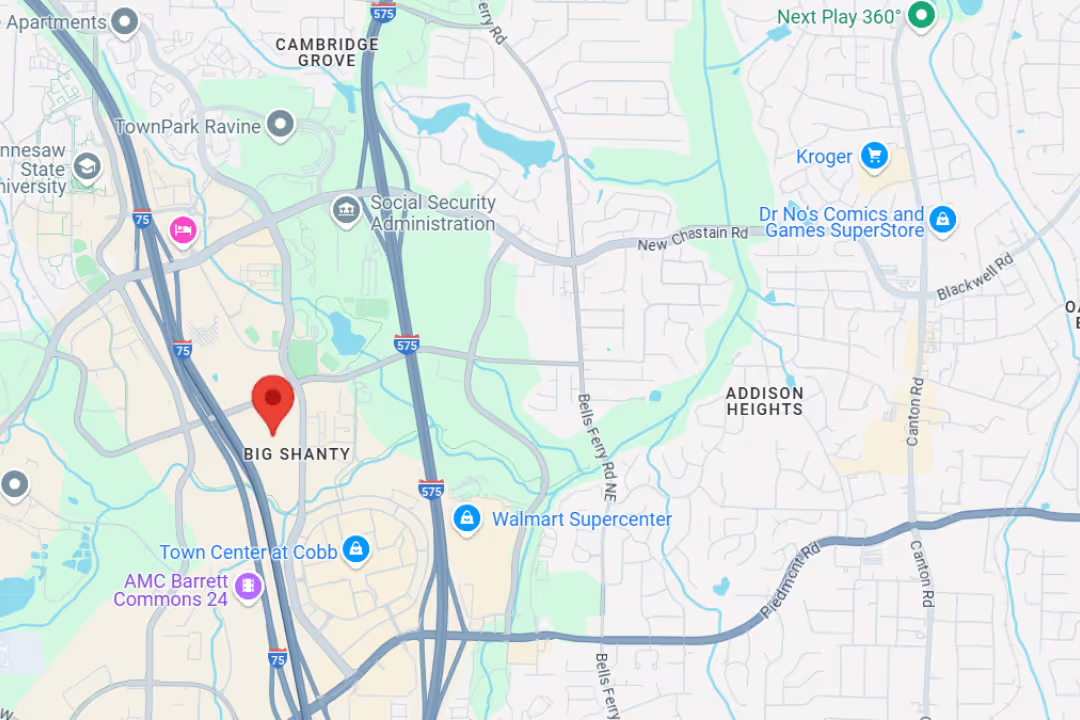
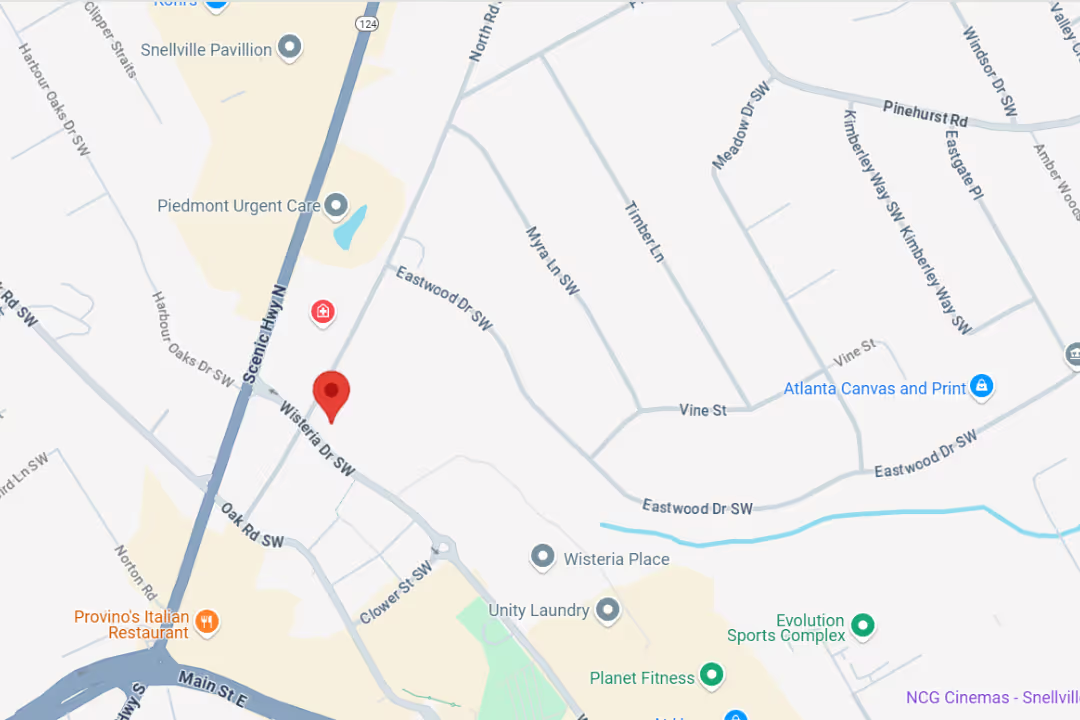
Medici serves patients across the greater Atlanta area, with clinic locations in Kennesaw, Snellville, and Buckhead. Same-season recovery is possible. It starts with a conversation.
At Medici, you’re more than your MRI.
We take time to hear your story, understand your pain, and create a plan that actually works for you.

Our team delivers specialist care at convenient locations across Metro Atlanta:
Get expert tips on injury recovery, pain relief, joint health, and movement strategies—straight from our Fellowship-Trained team.