Lower back pain is one of the most common issues people face today. Whether it’s from sitting too long, an old injury, or everyday wear and tear, it can affect everything—from how you work to how you sleep and enjoy your daily life. Even simple tasks like bending over, walking, or getting out of bed can become frustrating challenges.
At the same time, many people hesitate to exercise when their back hurts. It’s completely understandable. The fear of making the pain worse—or causing further injury—often leads people to avoid movement altogether. You might find yourself thinking, “What if I do the wrong thing and make it worse?”
Adding to that confusion is the overwhelming amount of information out there. Some sources say to rest, others say to stretch, and still others recommend strengthening exercises. It can be difficult to know which movements are actually safe and which ones could aggravate your condition.
The truth is, the right exercises done correctly can be one of the most effective ways to relieve lower back pain. When guided properly, movement doesn’t harm your back—it helps it heal, strengthens it, and protects it from future issues.
Why Exercise Is Essential for Lower Back Pain Relief
How Movement Supports Spinal Health
Your spine is supported by a complex system of muscles, ligaments, and joints that are designed to work together through movement.
- Movement keeps spinal joints flexible and functional
- It prevents stiffness and reduces pressure buildup
- It helps maintain proper alignment and posture
Without regular movement, these systems begin to stiffen and weaken, making pain more likely to persist.
The Role of Muscle Strength and Flexibility in Reducing Pain
Two key factors in back health are strength and flexibility:
- Strong core muscles support the spine and reduce strain on discs and joints
- Flexible muscles allow for smoother, more efficient movement
When these are out of balance—tight hamstrings, weak core muscles, or stiff hips—the lower back often compensates, leading to pain and discomfort.
Improving Circulation and Reducing Inflammation
Exercise also helps your body heal on a deeper level:
- Increases blood flow to injured or inflamed areas
- Delivers oxygen and nutrients needed for tissue repair
- Helps flush out inflammatory byproducts
This natural process can significantly reduce pain and speed up recovery.
Preventing Future Injuries Through Conditioning
One of the biggest benefits of exercise is prevention.
- Strengthening key muscle groups reduces the risk of reinjury
- Improved coordination and balance protect against sudden strain
- Better posture and movement patterns decrease long-term stress on the spine
In other words, exercise doesn’t just treat pain—it helps ensure it doesn’t keep coming back.
Why Avoiding Movement Can Worsen Symptoms Over Time
It might feel safer to rest, but avoiding movement can actually make things worse:
- Muscles weaken and lose their ability to support the spine
- Joints become stiff and less mobile
- Pain sensitivity can increase due to inactivity
Over time, this creates a cycle where pain leads to less movement and less movement leads to more pain.
Best Exercises to Relieve Lower Back Pain
Pelvic Tilts
How to Perform
- Lie on your back with knees bent and feet flat on the floor
- Keep your arms relaxed at your sides
- Gently tighten your abdominal muscles and press your lower back into the floor
- Hold for 5–10 seconds, then relax
- Repeat for 10–15 repetitions
Benefits
- Strengthens core muscles that support the spine
- Helps improve spinal alignment and posture
- Reduces strain on the lower back
Tips & Modifications
- Start with shorter hold times if needed
- Focus on controlled movement rather than force
- Avoid holding your breath during the exercise
Knee-to-Chest Stretch
How to Perform
- Lie on your back with both knees bent
- Bring one knee up toward your chest, holding it with both hands
- Hold for 15–30 seconds, then switch legs
- For a deeper stretch, bring both knees to your chest at the same time
Benefits
- Relieves tension in the lower back
- Gently stretches the lumbar spine and surrounding muscles
- Improves overall flexibility
Tips & Modifications
- Start with a single knee if both legs feel too intense
- Keep your lower back relaxed against the floor
- Move slowly and avoid pulling too hard
Cat-Cow Stretch
How to Perform
- Start on your hands and knees in a tabletop position
- Inhale as you arch your back, lifting your head and tailbone (Cow position)
- Exhale as you round your spine, tucking your chin and pelvis (Cat position)
- Move slowly between positions for 8–12 repetitions
Benefits
- Enhances spinal mobility and flexibility
- Reduces stiffness in the back and neck
- Encourages gentle, controlled movement of the spine
Tips & Modifications
- Coordinate movement with your breathing for better results
- Keep movements smooth and controlled—not rushed
- If wrists are uncomfortable, place padding under your hands or modify on forearms
Bird Dog Exercise
How to Perform
- Start on your hands and knees in a tabletop position
- Keep your back neutral and core engaged
- Extend your right arm forward and your left leg straight back
- Hold for 5–10 seconds, then return to starting position
- Alternate sides and repeat for 8–12 repetitions per side
Benefits
- Builds core stability to support the spine
- Improves balance and coordination
- Encourages proper alignment during movement
Tips & Modifications
- Start by moving just your arms or legs separately if needed
- Keep hips level avoid rotating your body
- Focus on slow, controlled movements rather than speed
Glute Bridges
How to Perform
- Lie on your back with knees bent and feet flat on the floor, hip-width apart
- Place arms at your sides for support
- Press through your heels and lift your hips toward the ceiling
- Squeeze your glutes at the top, then slowly lower back down
- Repeat for 10–15 repetitions
Benefits
- Strengthens glutes and lower back muscles
- Supports proper posture and spinal alignment
- Reduces strain on the lower back by activating key support muscles
Tips & Modifications
- Hold the top position for a few seconds to increase intensity
- Progress to single-leg bridges for advanced strengthening
- Avoid over-arching your lower back—lift with your hips, not your spine
Child’s Pose Stretch
How to Perform
- Start on your hands and knees
- Sit your hips back toward your heels
- Extend your arms forward and lower your chest toward the floor
- Rest your forehead down and hold for 20–30 seconds
- Breathe deeply and relax into the stretch
Benefits
- Gently stretches the lower back, hips, and spine
- Promotes relaxation and reduces muscle tension
- Helps relieve pressure in the lumbar region
Tips & Modifications
- Place a pillow under your chest or hips for added comfort
- Widen your knees slightly if needed to reduce pressure
- Move slowly into the stretch—never force it
Standing Hamstring Stretch
How to Perform
- Stand upright and place one foot slightly in front of the other
- Keep your front leg straight and back leg slightly bent
- Hinge forward at the hips while keeping your back straight
- Reach toward your toes until you feel a stretch in the back of your thigh
- Hold for 15–30 seconds, then switch sides
Benefits
- Reduces tension that pulls on the lower back
- Improves flexibility in the hamstrings and posterior chain
- Supports better posture and movement patterns
Tips & Modifications
- Keep your spine neutral—avoid rounding your back
- Perform the stretch slowly and gently
- Use a seated hamstring stretch if balance is a concern
Strength, Movement, and Relief Are Within Reach
Lower back pain can feel limiting, but the right approach can make a meaningful difference. When done correctly, targeted exercises have the power to reduce pain, improve mobility, and strengthen the foundation that supports your spine.
The key is consistency and proper technique. Small, intentional efforts performed regularly can lead to significant improvements over time. Rather than avoiding movement, taking a proactive and guided approach allows your body to recover the way it was designed to.
Start Moving Better with Medici Orthopaedics & Spine
If you’re dealing with lower back pain and aren’t sure where to start, you don’t have to figure it out on your own. At Medici Orthopaedics & Spine, we specialize in helping patients find safe, effective ways to relieve pain and restore function—without unnecessary surgery.
📞 Call us today: +1-844-328-4624
🌐 Visit us online: https://www.mediciortho.com/
Locations:
Marietta Ambulatory Surgery Center
792 Church Street, Unit 101, Marietta, GA 30060 | (470) 795-8398
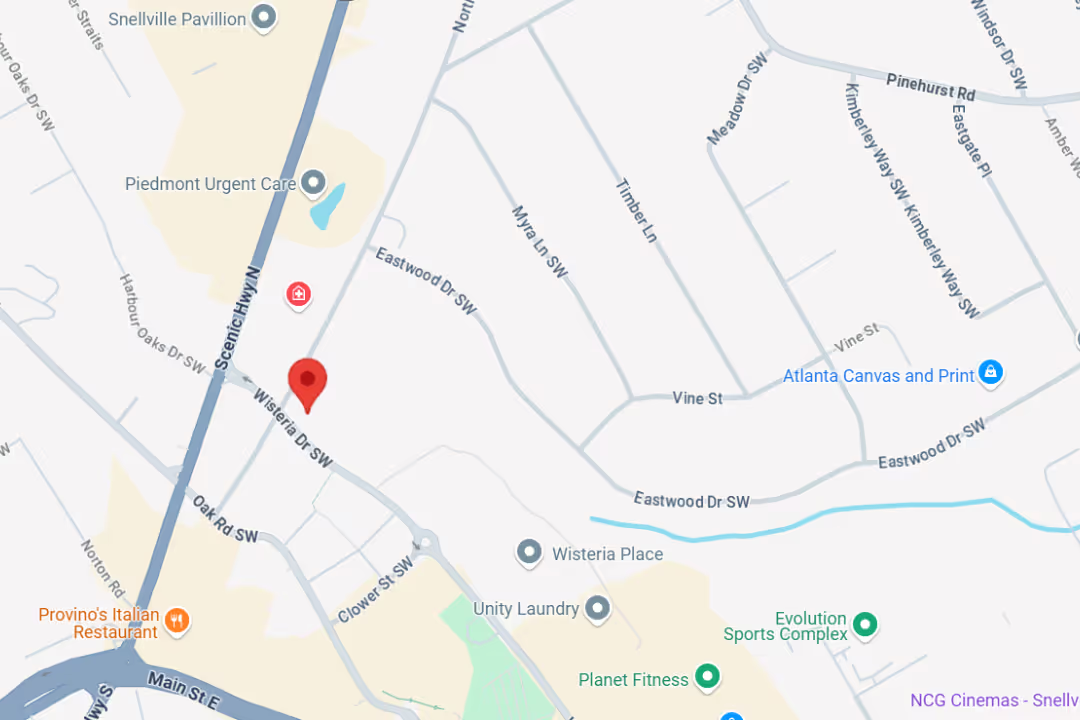
Snellville Ambulatory Surgery Center
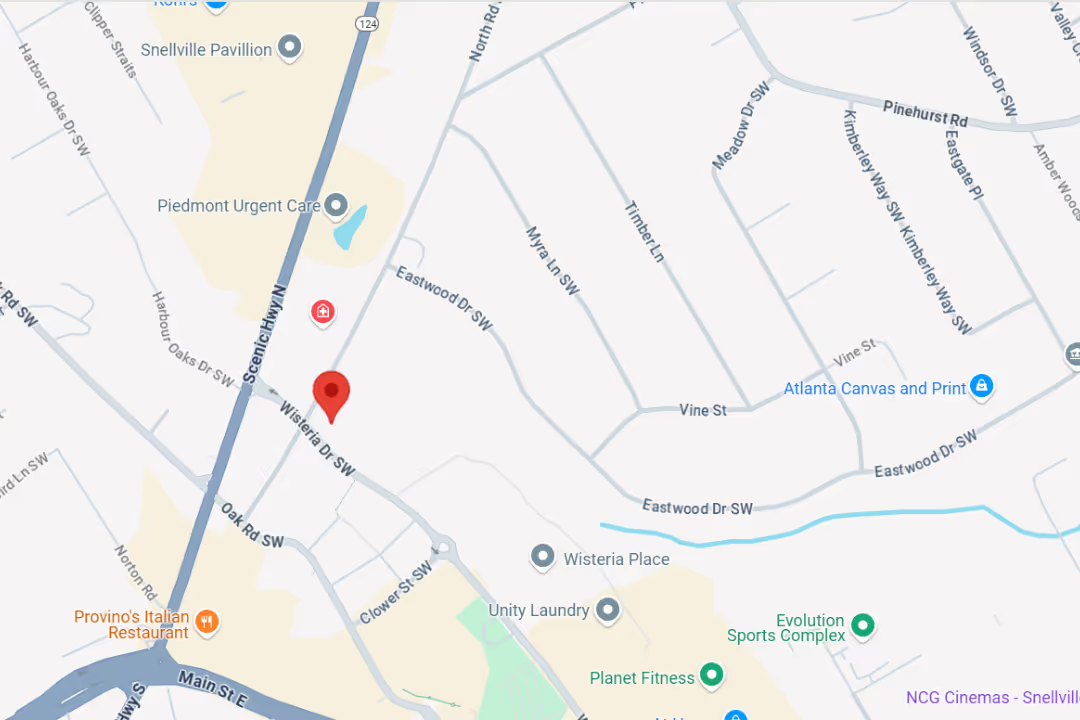
2220 Wisteria Dr, Unit 100, Snellville, GA 30078 | (470) 795-8398
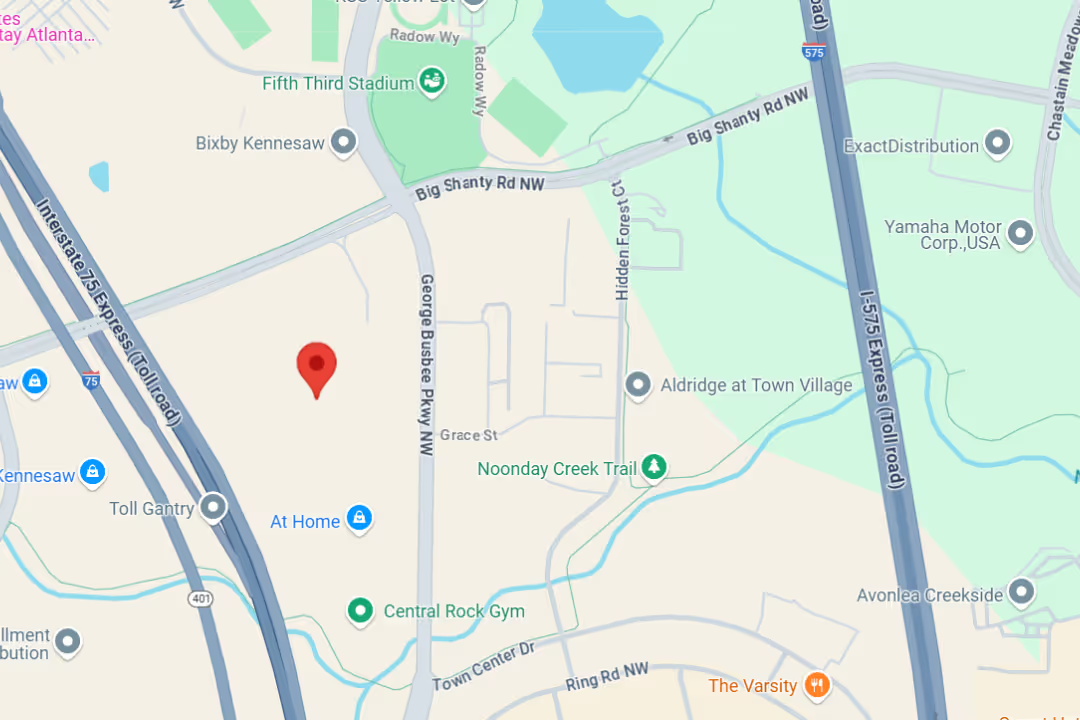
Kennesaw Clinic
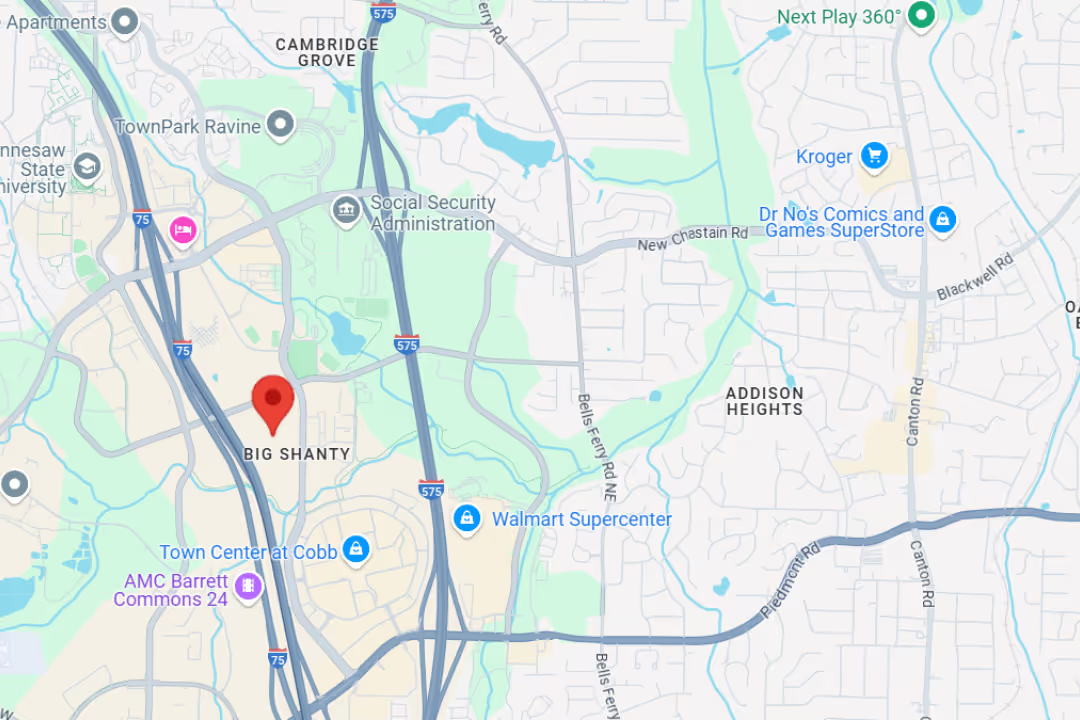
2911 George Busbee Parkway, Suite 50, Kennesaw, GA 30144 | (770) 545-6404
Snellville Clinic
2220 Wisteria Drive, Unit 101, Snellville, GA 30078 | (470) 645-9297
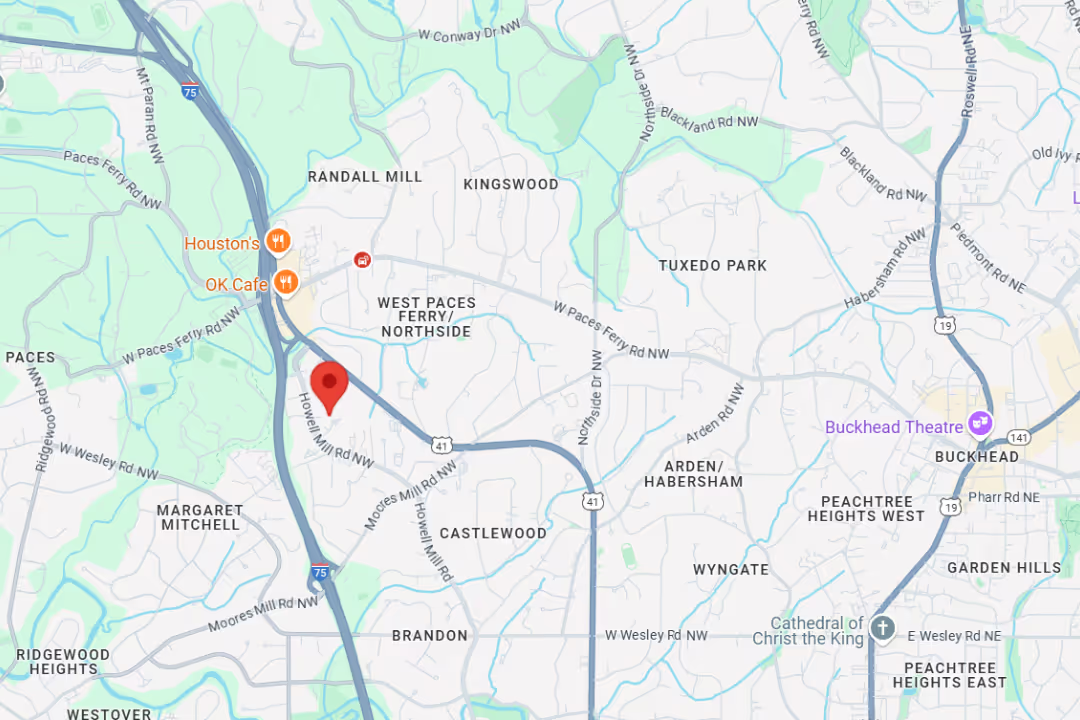
Buckhead PM&R
3200 Downwood Circle NW, Suite 520, Atlanta, GA 30327 | (770) 872-7549