What to Expect from a Complex Regional Pain Syndrome (CRPS) Specialist

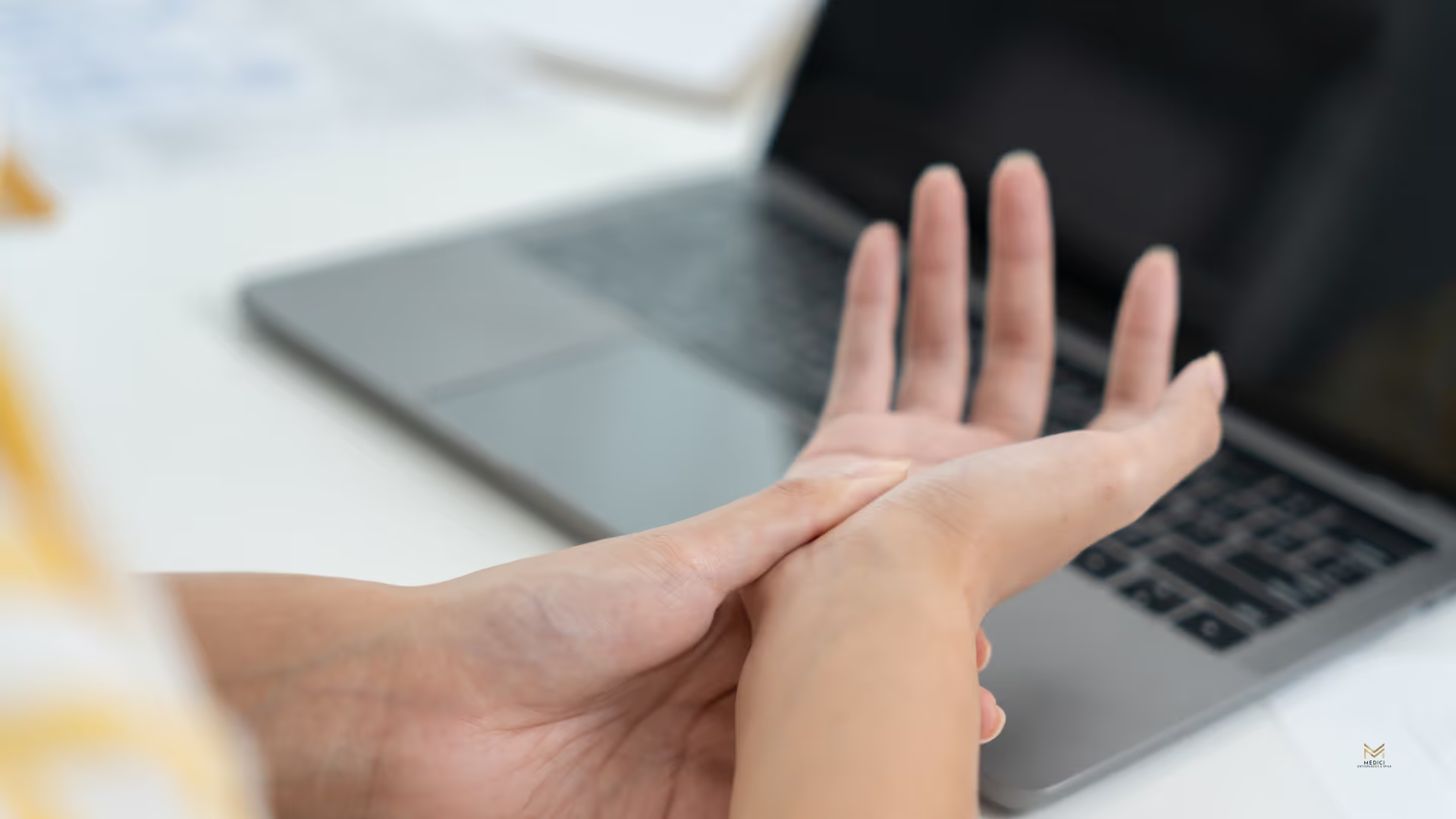
Complex Regional Pain Syndrome is a chronic pain condition that most often develops in an arm, leg, hand, or foot after an injury, surgery, or a period of immobilization (like a cast or brace). The original event may be relatively minor—a sprain, a fracture, or a routine procedure—but the nervous system reacts in an exaggerated way.

Living with Complex Regional Pain Syndrome (CRPS) can feel like being trapped in a body that no longer plays by the rules. The pain may be intense, burning, or electric. It might change from day to day—or even hour to hour. Symptoms can seem out of proportion to the original injury, and that alone can be confusing and frightening. When other people don’t fully understand what you’re going through, it can also feel deeply isolating.

This is where a CRPS specialist comes in. Working with someone who truly understands the condition means you’re not starting from scratch every time you seek care. A specialist recognizes the patterns, the small details, and the unique challenges of CRPS. At Medici Orthopaedics & Spine, that also means using modern, multidisciplinary tools—combining medical treatments, interventional procedures, physical rehabilitation, and emotional support—to help manage pain and restore as much function and independence as possible. 

Diagnostic Tools a CRPS Specialist May Use

Clinical Criteria

CRPS is primarily a clinical diagnosis, meaning it’s based on signs and symptoms:

  • Symptom-based diagnosis
    Tools like the Budapest Criteria look at categories of symptoms—pain, sensory changes, vasomotor changes (color/temperature), and motor or trophic changes (movement, hair/skin/nail changes).
  • Excluding other causes of symptoms
    Part of the process is making sure something else—like infection, vascular disease, or another nerve disorder—isn’t a better explanation. This careful exclusion prevents mislabeling and ensures you’re getting the right kind of care.

Imaging and Specialized Tests

While no scan “proves” CRPS on its own, certain tests can provide supporting information:

  • Bone scans, X-rays, MRI when indicated
    These may show bone demineralization, soft tissue changes, or other findings that support the diagnosis or help rule out other causes of pain.
  • Possible use of nerve conduction studies to evaluate nerve involvement
    These tests can be helpful when CRPS Type II (with confirmed nerve injury) is suspected or when the specialist needs to understand how well certain nerves are functioning.

Functional Assessments

Beyond images and numbers, CRPS is about how you move and live:

  • Gait analysis and limb-use evaluations
    Watching how you walk, stand, and use your affected limb helps identify patterns of guarding, stiffness, or compensatory movement that may worsen pain over time.
  • Pain and disability scales to track change over time
    Standardized questionnaires help measure pain intensity, function, and quality of life at baseline and after treatments, so you and your specialist can see what’s truly helping.

Modern Non-Drug Treatment Options

Physical Therapy and Desensitization

Movement is medicine—when it’s done the right way:

  • Graded exercises to improve mobility and function
    Instead of forcing the limb, physical therapy introduces controlled, progressive movement to restore strength, flexibility, and use.
  • Gentle desensitization techniques to reduce hypersensitivity
    Using textures, temperature changes, and light touch, therapists help the nervous system “relearn” what normal sensation feels like.
  • Strategies to avoid learned non-use of the affected limb
    When pain leads you to stop using a limb, the brain can “forget” how to use it effectively. Therapy helps prevent or reverse this by safely reintroducing movement and function.

Occupational Therapy

Occupational therapists focus on helping you reclaim everyday life:

  • Training for everyday tasks and adaptive strategies
    From dressing and cooking to typing or driving, they help you find ways to perform tasks more comfortably and safely.
  • Techniques to promote safe, gradual increased use of the limb
    This may include pacing strategies, activity scheduling, and using assistive devices or ergonomic tools when needed.

Psychological and Behavioral Interventions

Pain isn’t “all in your head,” but what’s happening in your brain absolutely matters:

  • Coping strategies for chronic pain and anxiety
    Working with a pain psychologist or counselor can help you manage stress, fear, and frustration, which often intensify pain experiences.
  • Cognitive-behavioral approaches to pain perception and function
    CBT and related therapies help reframe pain, reduce catastrophizing, and build confidence in movement—all of which can improve day-to-day function.

Myofascial Release and Manual Techniques

Hands-on therapies can complement other treatments by addressing the physical tension that often builds up around a painful limb:

  • Soft-tissue work to address guarding and muscle tension
    When you’ve been in pain for a long time, muscles around the area tend to tighten and protect. Gentle myofascial release can help them relax and move more freely.
  • Gentle mobilization to support movement without flare-ups
    Carefully guided joint and tissue mobilization encourages better movement patterns while minimizing the risk of triggering a pain flare.

Interventional and Advanced Treatment Options

Sympathetic Nerve Blocks

CRPS often involves the sympathetic nervous system, which helps regulate blood flow, temperature, and sweating. When it becomes overactive, it can amplify pain signals in the affected limb.

A sympathetic nerve block targets this system directly. During the procedure:

  • A local anesthetic is injected near a cluster of sympathetic nerves in the neck or lower back (depending on the limb involved).
  • Image guidance is used to place the needle safely and precisely.

Afterward, many patients feel a temporary reduction in pain, along with warmth or color change in the limb. This can:

  • Confirm that the sympathetic nervous system is playing a role in their pain.
  • Provide a window of relief that makes physical therapy and desensitization easier to tolerate.

Spinal Cord Stimulation

For more persistent or severe CRPS, spinal cord stimulation (SCS) may be an option. SCS is a form of neuromodulation that uses electrical impulses to disrupt pain signaling before it reaches the brain.

In simple terms:

  • Thin electrodes are placed in the epidural space near the spinal cord.
  • A small device (similar to a pacemaker) sends controlled electrical pulses.
  • These pulses can reduce the perception of pain and sometimes replace it with a mild tingling or more comfortable sensation.

A major benefit of SCS is the trial period:

  • You try an external stimulator for several days to see how much relief you get.
  • If the trial significantly improves your pain and function, a longer-term implant can be considered.

Medication Management

Medications are often part of CRPS care, but a specialist will use them thoughtfully and strategically. The goal is to help you function better—not simply to “chase pain” with more and more pills.

A CRPS specialist may consider:

  • Neuropathic pain medications (such as certain antidepressants or anticonvulsants) that calm overactive nerve signaling.
  • Muscle relaxants, when muscle spasms or guarding play a major role.
  • Other agents tailored to your symptoms and medical history.

Importantly, there is a strong focus on:

  • Minimizing side effects, especially sedation, dizziness, or cognitive clouding.
  • Avoiding unnecessary opioid dependence, which often provides limited benefit in neuropathic conditions like CRPS and carries significant risks.

Regenerative and Interventional Techniques at Medici 

At Medici Orthopaedics & Spine, patients with CRPS sometimes also struggle with associated musculoskeletal issues—such as tendon irritation, joint dysfunction, or soft-tissue pain in the affected limb or nearby regions. In these situations, carefully selected regenerative and interventional techniques may help support recovery.

These may include:

  • Regenerative therapies (like PRP or prolotherapy) for related tendon or ligament problems, when appropriate.
  • Targeted injections for joint or soft-tissue pain that is compounding the CRPS experience.

Partner with a Specialist Who Truly Understands CRPS

Complex Regional Pain Syndrome is real, complex, and deeply challenging. It can change the way you move, feel, and relate to the world around you. But it is not a life sentence to unrelenting pain and loss of independence. With the right specialist, many patients do find meaningful relief, improved function, and a clearer sense of control over their condition.

No one should feel dismissed, doubted, or hopeless in the face of chronic, disproportionate pain. Your symptoms are not “in your head,” and you deserve a team that understands the science, the nuance, and the emotional weight of CRPS. At Medici Orthopaedics & Spine, our approach is structured, compassionate, and modern—bringing together diagnostics, interventional options, rehabilitation, and psychological support into a cohesive plan tailored to you.

Reach out today to begin a treatment plan that respects your experience, targets the root drivers of your pain, and focuses on helping you move, function, and live more fully again.

Contact Medici Orthopaedics & Spine

📍 Ambulatory Surgery Centers

Marietta:
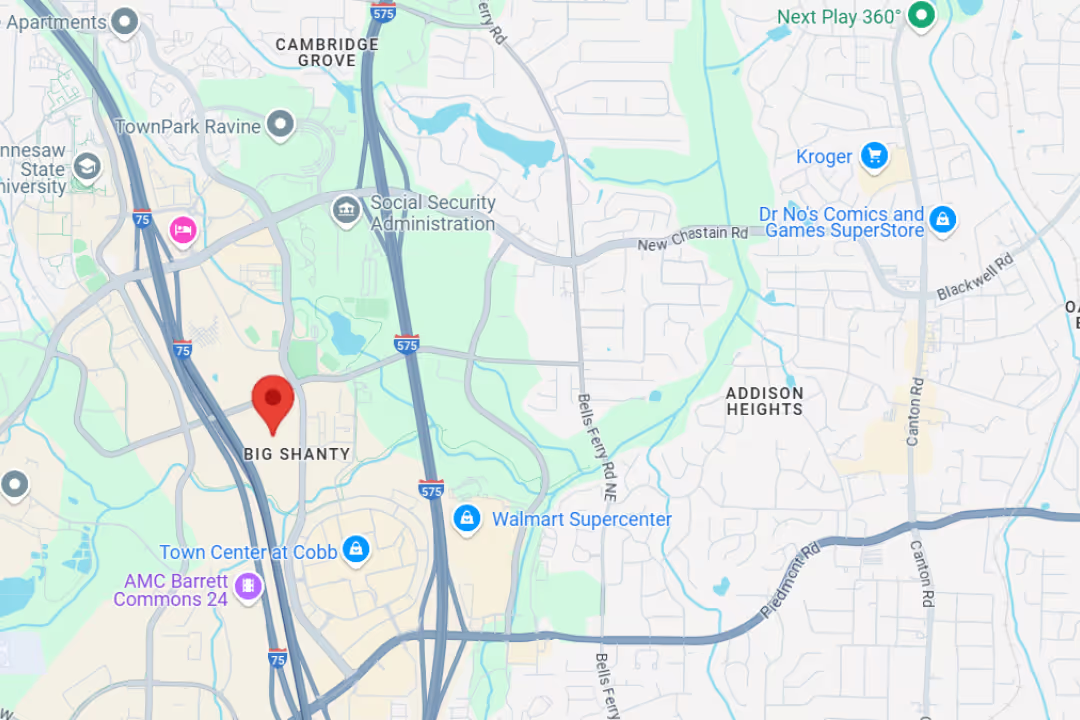
792 Church Street, Unit 101
Marietta, GA 30060
(470) 795-8398

Snellville:
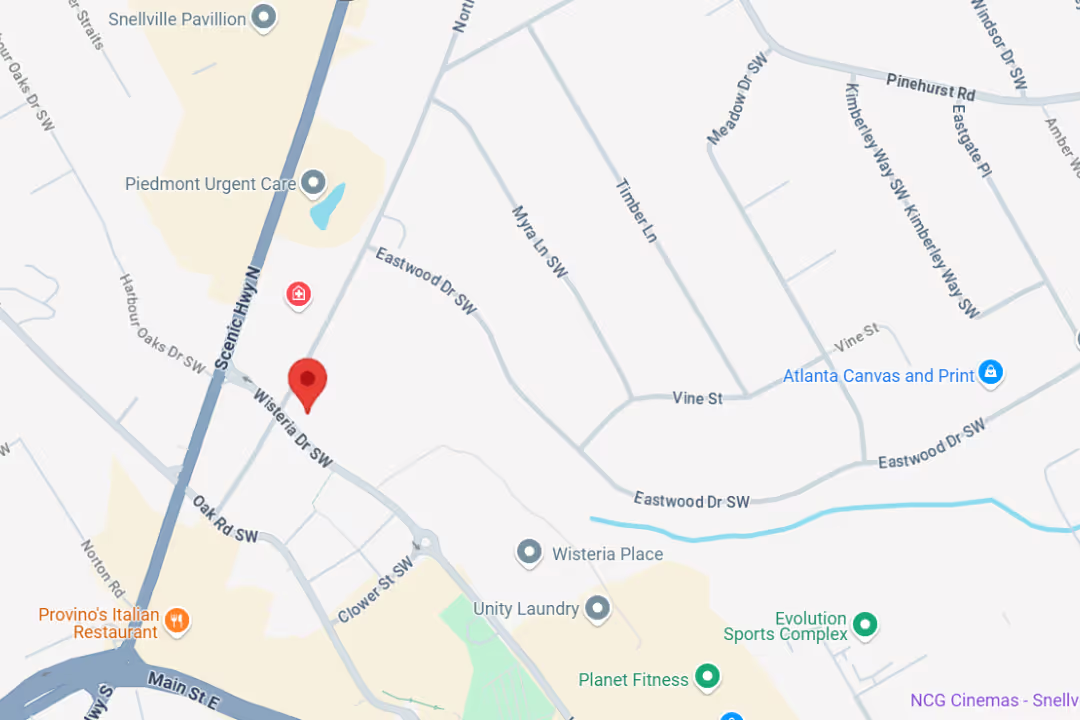
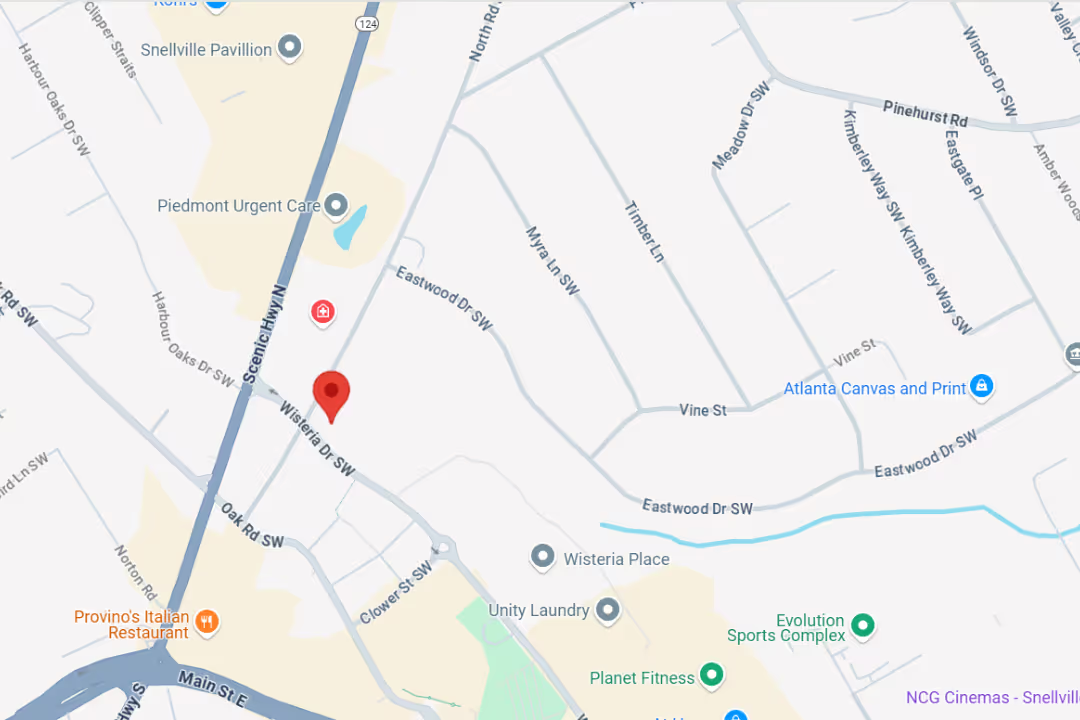
2220 Wisteria Dr, Unit 100
Snellville, GA 30078
(470) 795-8398

📍 Clinics

Kennesaw:
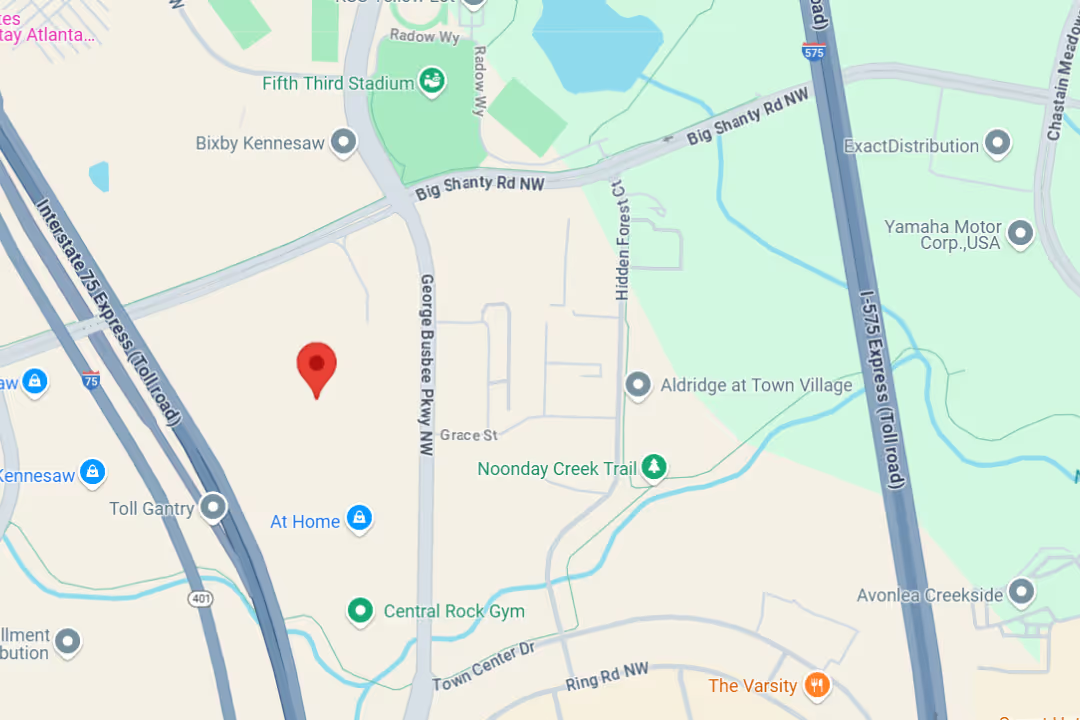
2911 George Busbee Pkwy, Suite 50
Kennesaw, GA 30144
(770) 545-6404

Snellville:
2220 Wisteria Dr, Unit 101
Snellville, GA 30078
(470) 645-9297

Buckhead PM&R:
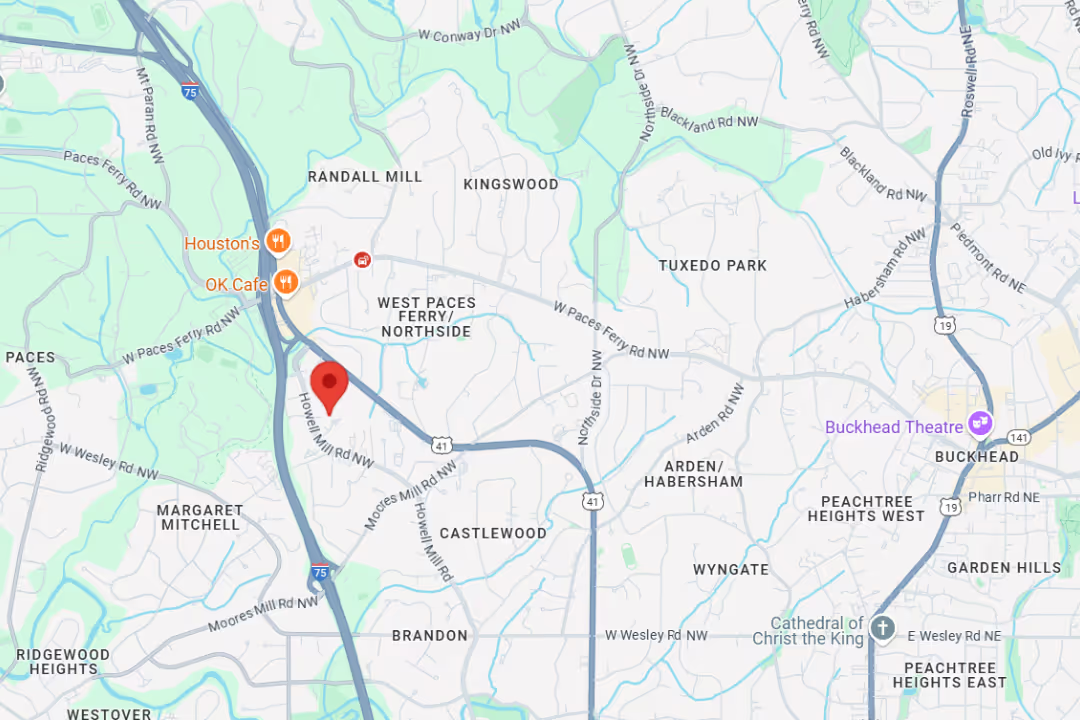
3200 Downwood Circle NW, Suite 520
Atlanta, GA 30327
(770) 872-7549

📞 Main Contact: +1-844-328-4624
🌐 Website: https://www.mediciortho.com/

Tired of Feeling
Like Just Another
Chart?

At Medici, you’re more than your MRI.
We take time to hear your story, understand your pain, and create a plan that actually works for you.