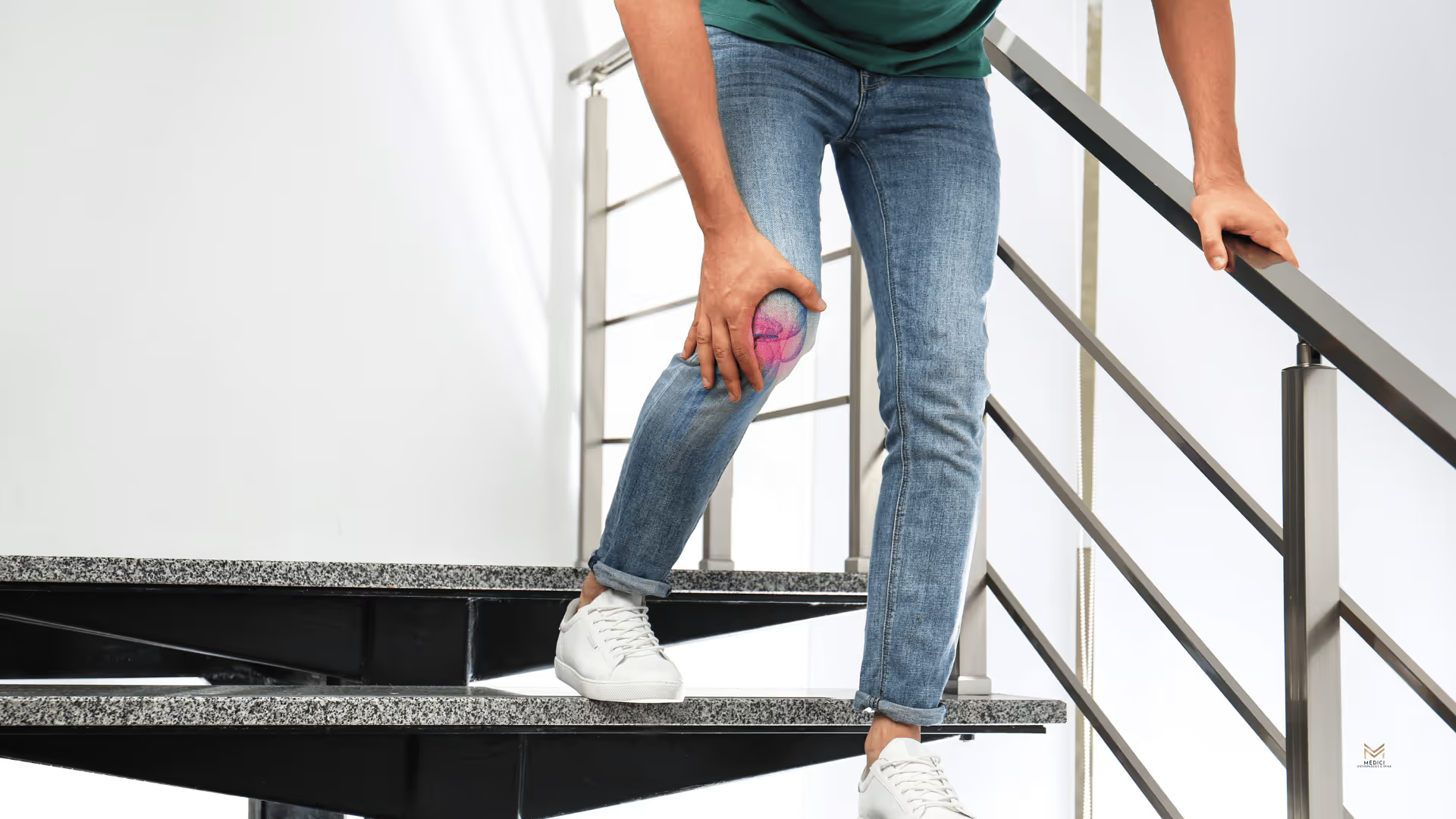
Walking downstairs may seem simple, but for many people, it’s the moment knee pain becomes impossible to ignore. The downward motion forces the knee joint to absorb significantly more stress than level walking or even climbing stairs upward. What often feels like a brief twinge can quickly become a daily obstacle—affecting mobility, balance, confidence, and the freedom to move without hesitation.
Knee pain during stair descent is more than an inconvenience; it can limit independence and disrupt daily routines, from navigating your home to moving through your workday. Because several different conditions can cause this specific type of discomfort, identifying the true source of the problem is essential for effective treatment.
At Medici Orthopaedics & Spine, we specialize in understanding these movement-related pain patterns and treating them with some of the most advanced, minimally invasive therapies available. The right diagnosis is the first step toward getting you safely and confidently back on your feet.
Walking downstairs demands precise coordination between muscles and joints, and this motion places unique stress on the knee:
Biomechanics and muscle strength play a huge role in how the knee manages stress:
This condition occurs when the area where the kneecap meets the thigh bone becomes irritated or inflamed. Because stair descent increases pressure between the kneecap and femur, symptoms often flare during this movement. Patients may notice aching around or behind the kneecap, especially when stepping down or after prolonged sitting.
Chondromalacia refers to softening or deterioration of the cartilage on the underside of the kneecap. This can create a grinding, popping, or catching sensation during movement. As the knee bends under load on stairs, the damaged cartilage becomes compressed, often triggering sharp or persistent pain.
Tendinopathy develops when the quadriceps tendon (above the kneecap) or patellar tendon (below the kneecap) becomes overloaded or irritated. Weakness, repetitive strain, or biomechanical imbalances can all contribute. Pain typically appears when the tendon is forced to control downward movement, making stair descent particularly uncomfortable.
The meniscus is the cartilage that cushions the knee joint. Tears can occur due to twisting, sudden movement, or degeneration over time. When walking downstairs, the deeper knee bend increases pressure on the torn tissue, leading to pain, instability, or mechanical symptoms such as locking or clicking.
Osteoarthritis causes gradual breakdown of the knee’s cartilage, increasing friction and reducing shock absorption. The deeper flexion required on stairs often exposes irritated joint surfaces, producing pain, stiffness, or a grinding sensation. For many patients, stair descent becomes one of the earliest signs of knee arthritis.
The iliotibial (IT) band runs along the outside of the thigh and can become tight or inflamed due to overuse, muscle imbalances, or improper movement patterns. When irritated, it causes lateral knee pain that worsens with downhill motion or stair descent because of the increased friction against the knee’s outer structures.
After an injury or surgery, the surrounding muscles may weaken or fail to activate properly. This imbalance can place excessive stress on the knee joint during movement. Without complete rehabilitation, compensatory patterns often develop—making stairs one of the first activities to trigger pain or discomfort.
Your visit begins with a hands-on assessment designed to understand how your knee—and your entire body—moves:
When further clarity is required, imaging studies provide deeper insight:
Understanding knee pain also means understanding the contributors that feed into it. During your assessment, we evaluate:
A strong, well-balanced lower body is essential for reducing knee pain, especially when walking downstairs. Physical therapy focuses on correcting muscle imbalances and optimizing movement patterns.
Key components include:
Soft tissue therapies play an important role in knee health:
When irritation, inflammation, or tissue degeneration contributes to knee pain, regenerative therapies can support the body’s natural healing process.
Options include:
For patients needing targeted relief, certain nonsurgical interventions can reduce pain and improve mobility:
Simple changes can significantly reduce pressure on the knees during daily activities:
Knee pain while walking downstairs is common, but it’s not something you have to accept as a normal part of aging or daily life. In most cases, this type of pain is highly treatable once the underlying cause is identified. Whether the discomfort stems from muscle weakness, tendon irritation, cartilage wear, or biomechanical imbalance, the right approach can restore comfort, confidence, and smooth, steady movement.
A personalized evaluation is the most important step. By understanding how your knee moves, what tissues are involved, and which factors contribute to the pain, you can begin a minimally invasive, restorative treatment plan tailored to your needs.
At Medici Orthopaedics & Spine, we provide comprehensive diagnostics, advanced non-surgical therapies, and customized care plans designed to help you move without hesitation. Our team is committed to restoring your mobility in the safest, most effective way possible.
Marietta
792 Church Street, Unit 101
Marietta, GA 30060
(470) 795-8398
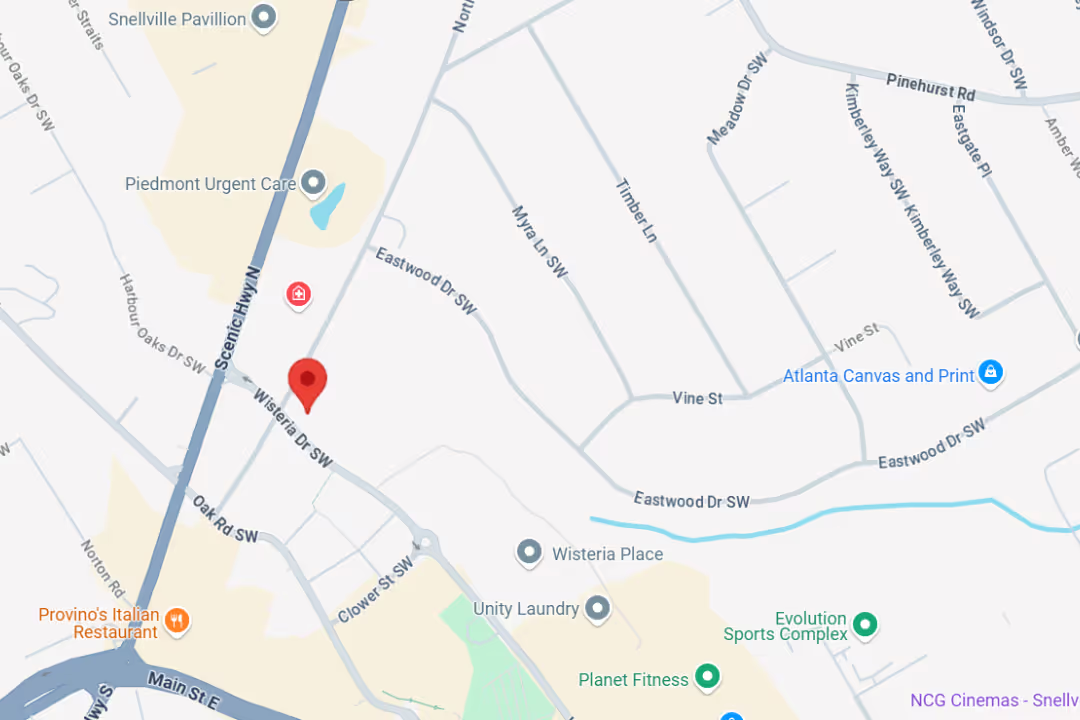
Snellville
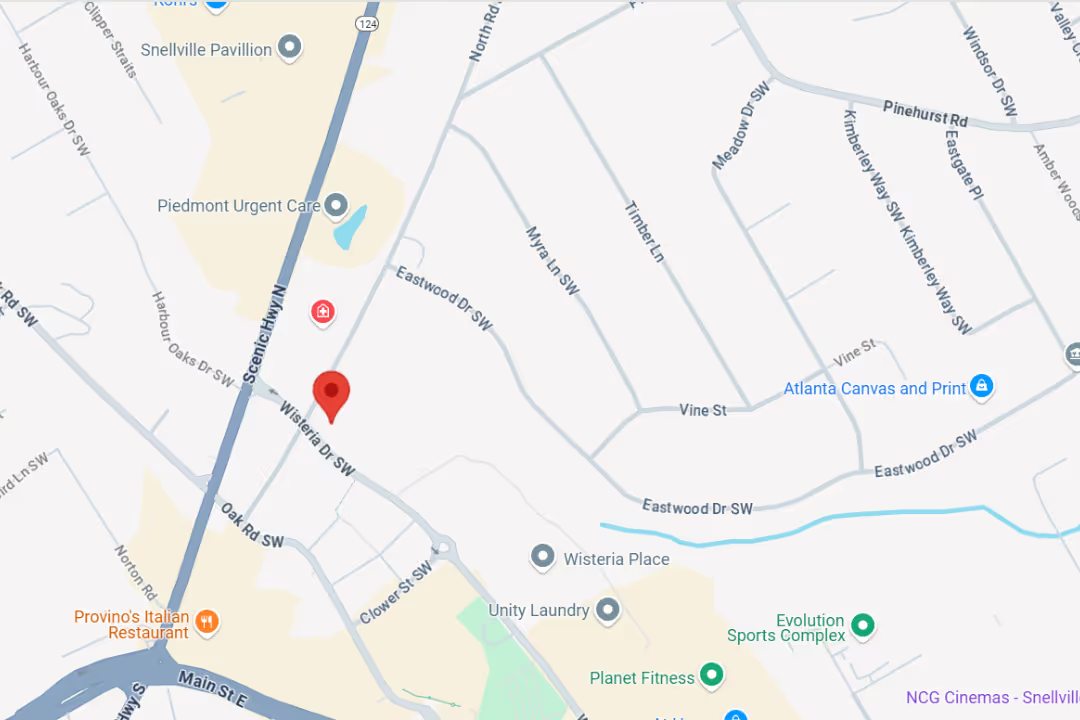
2220 Wisteria Dr, Unit 100
Snellville, GA 30078
(470) 795-8398
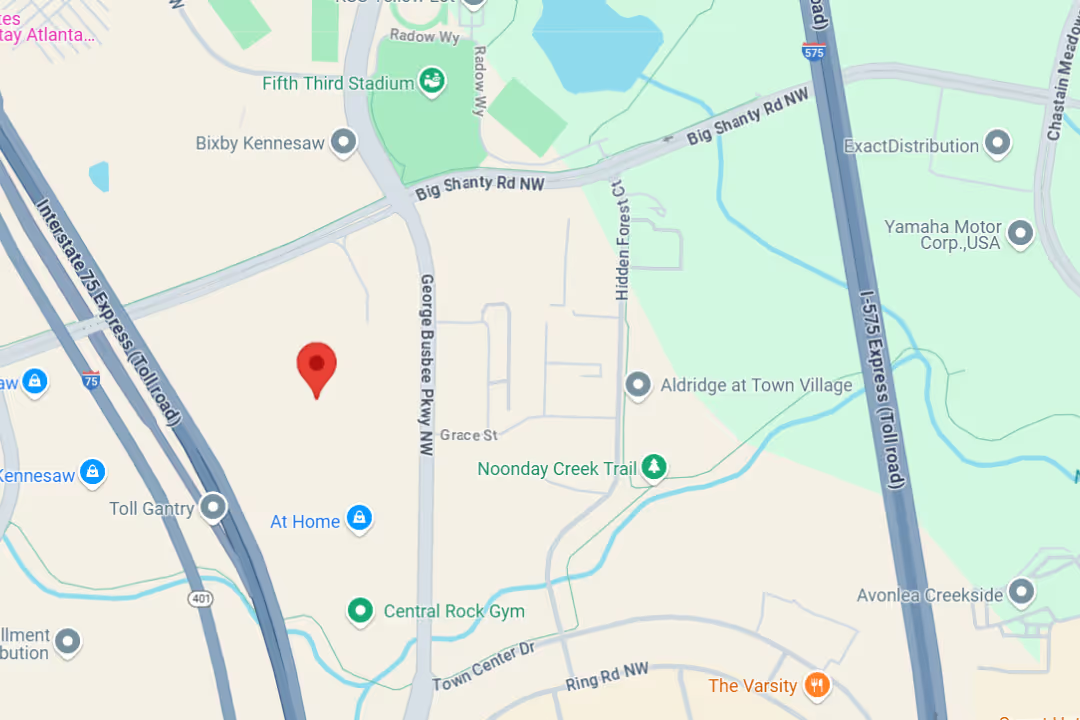
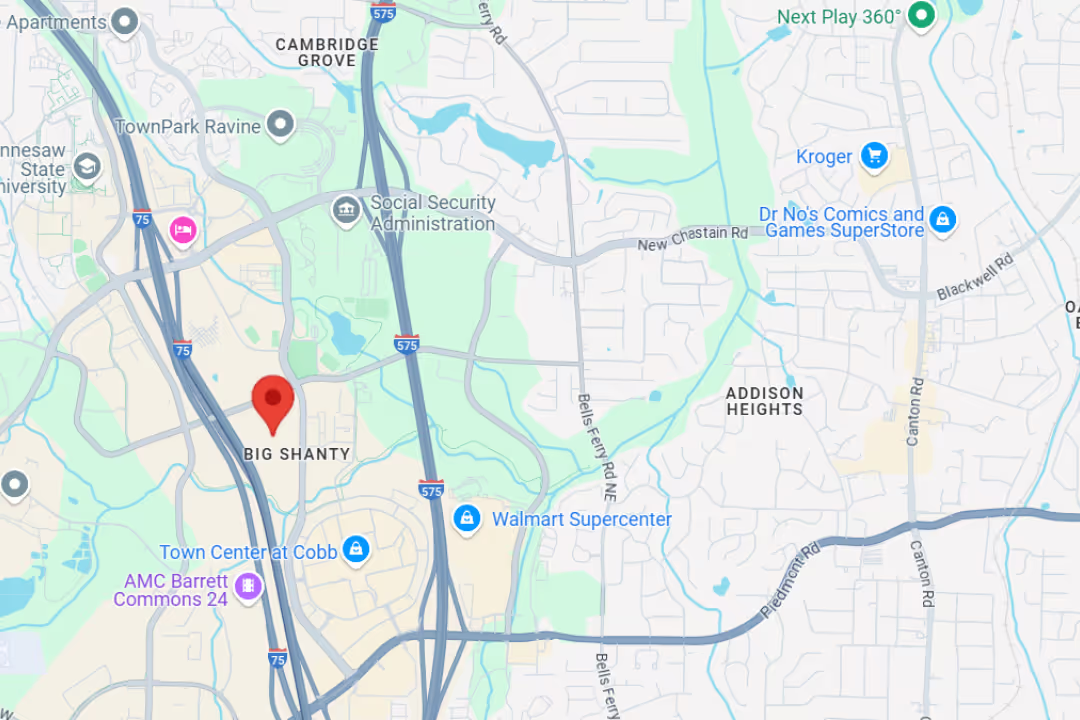
Kennesaw
2911 George Busbee Pkwy, Suite 50
Kennesaw, GA 30144
(770) 545-6404
Snellville
2220 Wisteria Dr, Unit 101
Snellville, GA 30078
(470) 645-9297
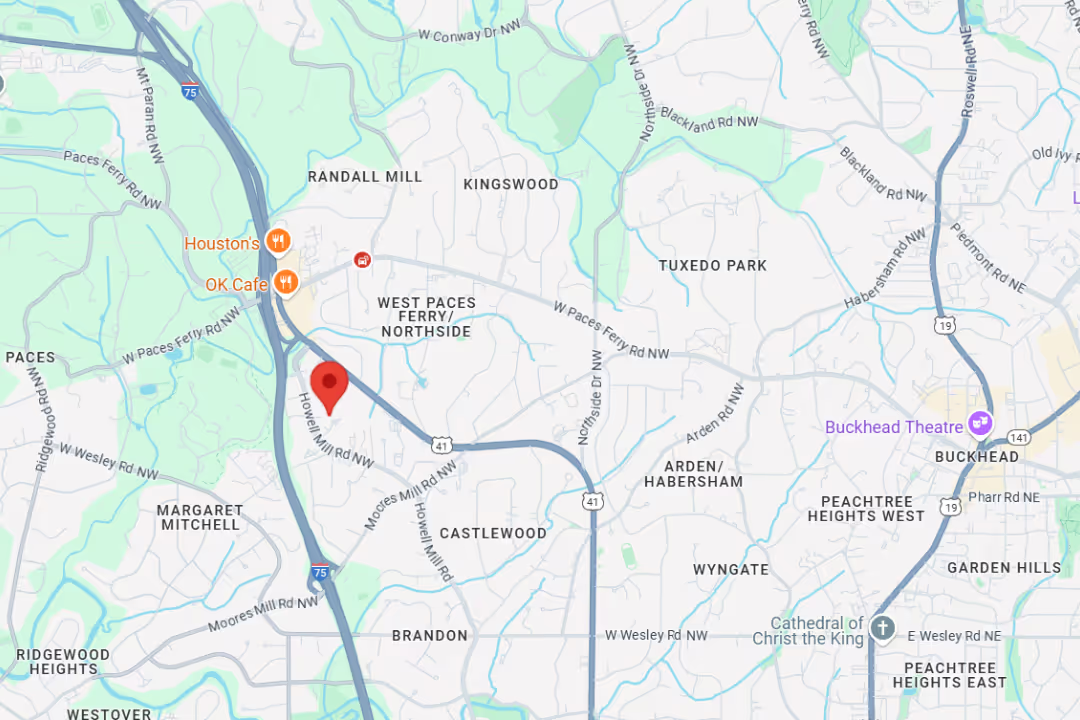
Buckhead PM&R
3200 Downwood Circle NW, Suite 520
Atlanta, GA 30327
(770) 872-7549
📞 Main Contact: +1-844-328-4624
🌐 Website: https://www.mediciortho.com/
At Medici, you’re more than your MRI.
We take time to hear your story, understand your pain, and create a plan that actually works for you.

Our team delivers specialist care at convenient locations across Metro Atlanta:
Get expert tips on injury recovery, pain relief, joint health, and movement strategies—straight from our Fellowship-Trained team.