
.jpg)
When Healing Needs More Support
Most wounds heal with time, proper cleaning, circulation, nutrition, and medical care. But some wounds do not follow that simple path. When tissue is damaged, oxygen-starved, infected, affected by diabetes, or slow to recover after surgery or injury, healing can become much more complicated.
At Medici Hyperbarics, part of Medici Orthopaedics & Spine, we help patients explore advanced healing options when wounds, tissue damage, inflammation, or recovery challenges require more than basic care. One of those options is Hyperbaric Oxygen Therapy, often called HBOT.
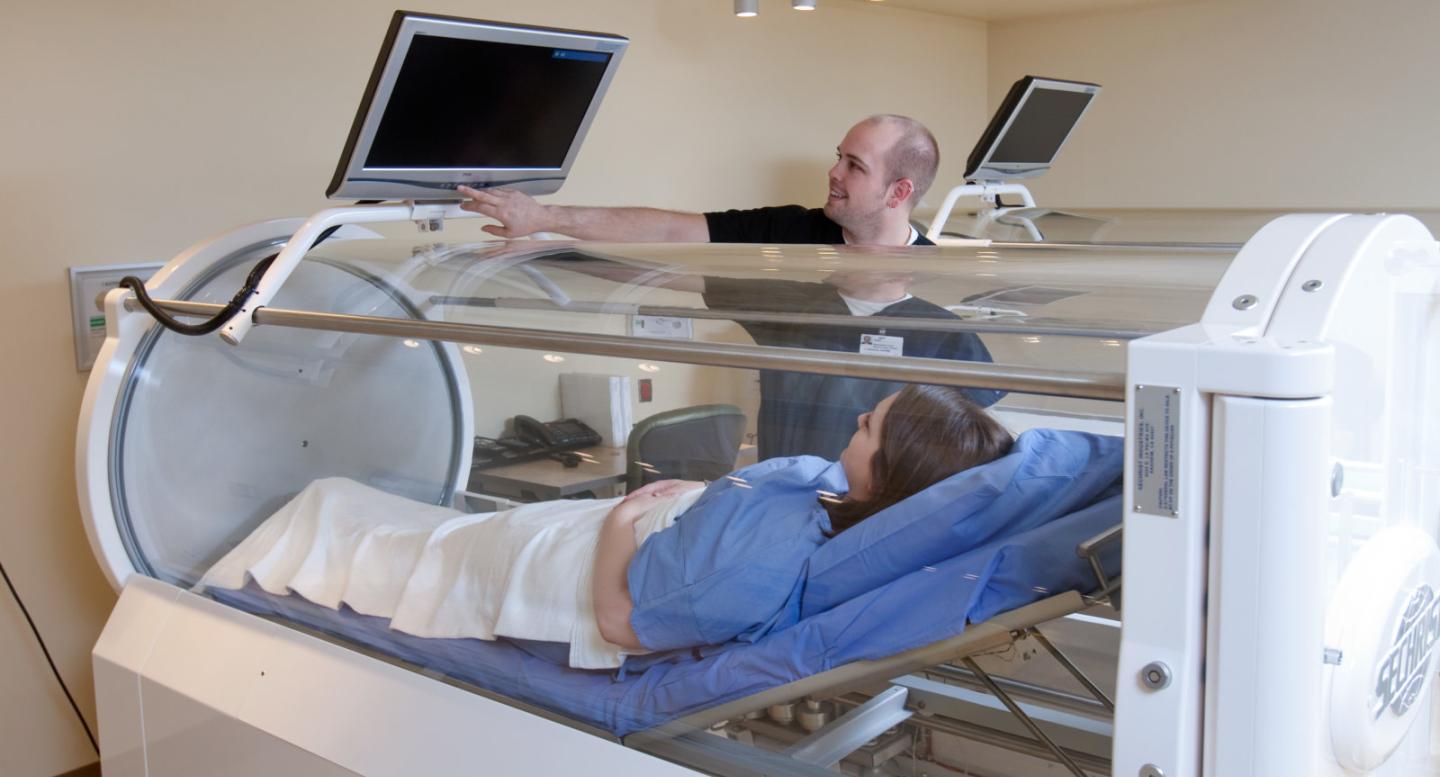
HBOT is a non-invasive medical treatment that allows patients to breathe oxygen inside a pressurized chamber. This process increases the amount of oxygen carried through the bloodstream, which may support tissue repair and healing in certain approved or physician-directed cases. Johns Hopkins describes HBOT as a treatment used to speed healing in carbon monoxide poisoning, gangrene, and wounds that will not heal, especially when tissues are starved for oxygen.
At Medici, our goal is not to offer “one-size-fits-all” care. Our team looks at your medical history, wound type, circulation, diagnosis, and treatment goals to determine whether HBOT may be appropriate as part of a broader care plan.
What Is Advanced Wound Healing?
Advanced wound healing refers to medical care for wounds or damaged tissue that may be difficult to heal with standard treatment alone. These wounds may be slow to close, repeatedly reopen, become infected, lack adequate oxygen, or occur in patients with conditions that make healing more difficult.
Advanced wound concerns may include:
- Diabetic foot or lower-extremity wounds
- Slow-healing surgical wounds
- Compromised skin grafts or flaps
- Radiation-related tissue injury
- Chronic bone infection, such as refractory osteomyelitis
- Crush injuries or traumatic tissue damage
- Soft tissue injury with poor oxygen delivery
- Certain serious infections when HBOT is used as an adjunct to conventional care
HBOT is not a replacement for wound care, diabetes management, vascular care, antibiotics, surgery, or emergency treatment when those are needed. Instead, it may be used alongside appropriate medical care to support oxygen delivery and tissue recovery in qualifying cases.
How HBOT Supports the Healing Environment
How Hyperbaric Oxygen Therapy Works
During HBOT, the patient relaxes inside a medical-grade hyperbaric chamber while breathing oxygen under increased atmospheric pressure. This allows more oxygen to dissolve into the blood plasma and circulate throughout the body.
For patients with wounds or tissue injury, the goal is to improve the oxygen-rich environment needed for repair. HBOT may help support:
- Oxygen delivery to injured or oxygen-starved tissues
- Formation of new blood vessels
- Collagen production and tissue repair
- Support for certain infection-fighting processes
- Recovery in wounds that have not responded well to standard treatment
Mayo Clinic notes that HBOT may be used as a limb-saving treatment for infections of tissues or bone that cause tissue death and nonhealing wounds such as diabetic foot ulcers.
Conditions That May Be Connected to Advanced Wound Healing
This page should act as the parent page for several more specific HBOT-related condition pages. Patients can start here, understand the general concept, then move into the condition most relevant to them.
Common wound and healing concerns include:
- Diabetic lower-extremity wounds
- Compromised skin grafts and flaps
- Radiation tissue injury
- Osteoradionecrosis
- Soft tissue radionecrosis
- Chronic refractory osteomyelitis
- Crush injuries and limb trauma
- Acute traumatic ischemia
- Gas gangrene
- Progressive necrotizing infections
- Peripheral arterial insufficiency
- Acute peripheral arterial insufficiency
Some HBOT indications are urgent or emergency-related, such as carbon monoxide poisoning, decompression illness, gas embolism, cyanide poisoning, and severe acute tissue injury. These conditions require emergency medical evaluation first.
HBOT Condition Pathway Table
Diabetic Wounds and HBOT
Diabetic wounds are one of the most important advanced wound-healing concerns. Diabetes can affect circulation, nerve sensation, immune response, and tissue repair. When a lower-extremity wound becomes deep, infected, slow to heal, or resistant to standard care, advanced evaluation may be needed.
HBOT may be considered for certain diabetic lower-extremity wounds when strict medical criteria are met. Medicare coverage guidance includes diabetic lower-extremity wounds in patients with Type 1 or Type 2 diabetes when the wound is due to diabetes, classified as Wagner grade III or higher, and has failed an adequate course of standard wound therapy.
At Medici, patients may be evaluated to determine whether HBOT is appropriate based on their medical history, wound status, prior care, and physician recommendations.
When to Seek Urgent or Emergency Care
Some wounds and tissue injuries require immediate care. Please do not wait for a routine appointment if symptoms are severe, rapidly worsening, or life-threatening.
Seek urgent or emergency medical care for:
- Sudden severe limb pain
- A foot, toe, leg, or hand that becomes cold, pale, blue, or numb
- Rapidly spreading redness, swelling, warmth, or drainage
- Fever with a worsening wound
- Blackened tissue or signs of tissue death
- Suspected carbon monoxide poisoning
- Diving-related decompression symptoms
- Suspected gas embolism
- Severe crush injury or limb trauma
- Symptoms after smoke inhalation or possible cyanide exposure
Medici Hyperbarics may support appropriate follow-up or physician-directed treatment, but emergency conditions should begin with emergency medical care.
How Medici Hyperbarics Helps
At Medici Hyperbarics, patients are treated as whole people—not just wounds, scans, or diagnoses. We understand that slow healing can be frustrating, painful, and emotionally exhausting. Our team works to create a calm, professional, and medically thoughtful experience from the first conversation.
Depending on your situation, Medici may help with:
- HBOT consultation and eligibility review
- Physician-directed hyperbaric oxygen therapy planning
- Coordination with wound care, vascular care, or surgical teams when needed
- Pain management support
- Physical therapy and mobility support
- Medication management when appropriate
- Education about what to expect during treatment
- Documentation support for qualifying cases
Our approach is grounded in the Medici Method: identify the problem, support healing at the source when possible, and help patients restore quality of life through the most effective, least invasive, least drug-dependent care plan medically appropriate.
Related Treatment Options
Hyperbaric Oxygen Therapy
HBOT is the primary treatment connection for this page. It may support tissue oxygenation, wound healing, and recovery in qualifying medical cases.
Physical Therapy
Physical therapy may help patients regain strength, walking confidence, balance, and mobility after injury, surgery, chronic wounds, or long periods of limited activity.
Pain Management
Pain often becomes part of the wound-healing story, especially when nerve irritation, inflammation, trauma, or prior surgery is involved. Medici helps patients explore pain relief options that are personalized and least-invasive when possible.
Medication Management
Medication may be used carefully when needed as part of a larger plan, especially when inflammation, infection-related pain, nerve pain, or post-surgical discomfort is present.
Coordinated Medical Care
Some wounds require vascular care, infectious disease care, surgical care, wound care, emergency intervention, or primary care coordination. Medici can help patients understand when additional specialist involvement may be needed.
Why Choose Medici Hyperbarics?
Healing is not just physical. When a wound will not close, when pain keeps returning, or when recovery stalls, patients often feel anxious, discouraged, and unsure where to turn next.
At Medici Hyperbarics, we combine advanced treatment options with the same patient-first philosophy that defines Medici Orthopaedics & Spine. We take time to understand your story, explain your options, and help you move forward with clarity.
Patients choose Medici because we offer:
- Medical-grade hyperbaric oxygen therapy
- A compassionate, experienced team
- Personalized treatment planning
- Care coordination across Medici services
- A focus on minimally invasive and least drug-dependent support
- A strong commitment to restoring quality of life
You are more than a wound. You are more than a diagnosis. At Medici, we help patients pursue healing with clarity, compassion, and the right support.
Ready to explore advanced healing support?
If you are dealing with a slow-healing wound, diabetic wound, radiation tissue injury, compromised graft, or recovery challenge, Medici Hyperbarics may be able to help you understand your options.
Call Medici Orthopaedics & Spine:
(844) 328-4624
Request an appointment:
Visit our contact page to connect with the Medici team.
FAQs
What is Advanced Wound Healing with HBOT?
Advanced wound healing with HBOT uses hyperbaric oxygen therapy as part of a broader medical care plan to support oxygen delivery, tissue repair, and recovery in qualifying wound or tissue injury cases.
How does HBOT help wounds heal?
HBOT increases the amount of oxygen available in the bloodstream, which may help support tissue repair, blood vessel growth, collagen formation, and healing in certain approved medical conditions.
What types of wounds may qualify for HBOT?
HBOT may be considered for qualifying diabetic lower-extremity wounds, compromised skin grafts or flaps, radiation tissue injury, chronic refractory osteomyelitis, crush injuries, and other physician-directed conditions.
Does insurance cover HBOT for diabetic wounds?
Coverage depends on diagnosis, documentation, and insurance requirements. Medicare coverage criteria for diabetic lower-extremity wounds include Type 1 or Type 2 diabetes, a diabetes-related lower-extremity wound, Wagner grade III or higher classification, and failure of standard wound therapy.
Is HBOT a replacement for wound care or surgery?
No. HBOT is typically used as an adjunct therapy, meaning it may support a broader care plan that can include wound care, vascular care, infection treatment, surgery, diabetes management, or rehabilitation.
Medical Disclaimer
The information on this page is intended for educational purposes only and should not be used as a substitute for professional medical advice, diagnosis, or treatment. Wounds, tissue injuries, diabetic foot ulcers, infections, radiation injury, carbon monoxide poisoning, decompression illness, gas embolism, crush injuries, and other HBOT-related conditions may involve serious or urgent medical concerns.
If you are experiencing sudden severe pain, spreading infection, fever, blackened tissue, loss of sensation, a cold or pale limb, shortness of breath, chest pain, suspected carbon monoxide exposure, diving-related symptoms, or any other emergency symptoms, call 911 or seek emergency medical care immediately.
HBOT candidacy and insurance coverage vary by diagnosis, medical necessity, documentation, wound classification, treatment history, physician evaluation, and payer requirements. Medici Hyperbarics can help patients explore whether an HBOT evaluation may be appropriate.
Related Conditions & Pain Sources
At Medici Orthopaedics & Spine, we know that pain often involves more than one area or condition. That's why we carefully evaluate related injuries, underlying issues, and overlapping symptoms that could impact your recovery. Exploring these related conditions helps us build a more accurate diagnosis and a more effective treatment plan tailored to your needs.



Tired of Feeling
Like Just Another
Chart?
At Medici, you’re more than your MRI.
We take time to hear your story, understand your pain, and create a plan that actually works for you.


What our patients say

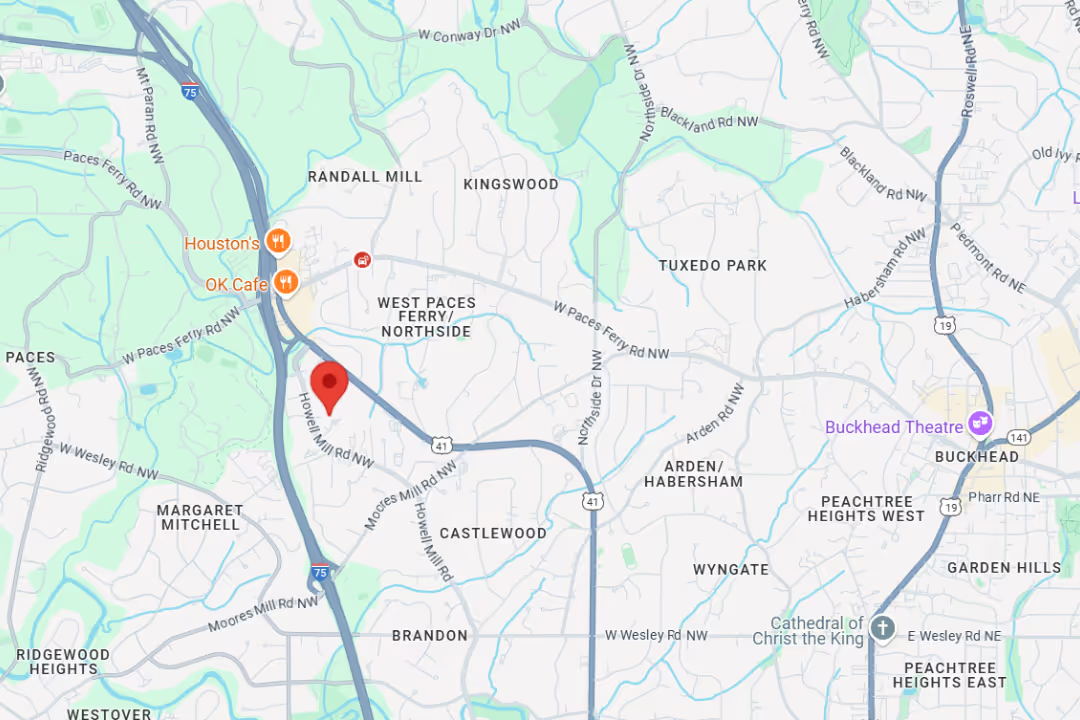
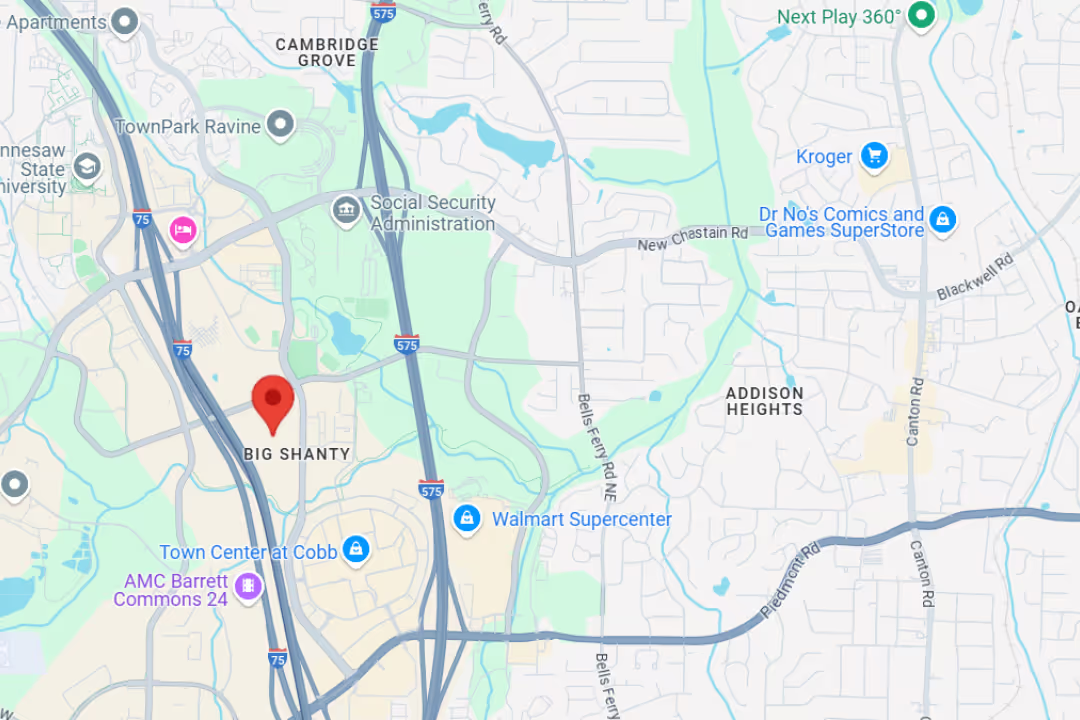
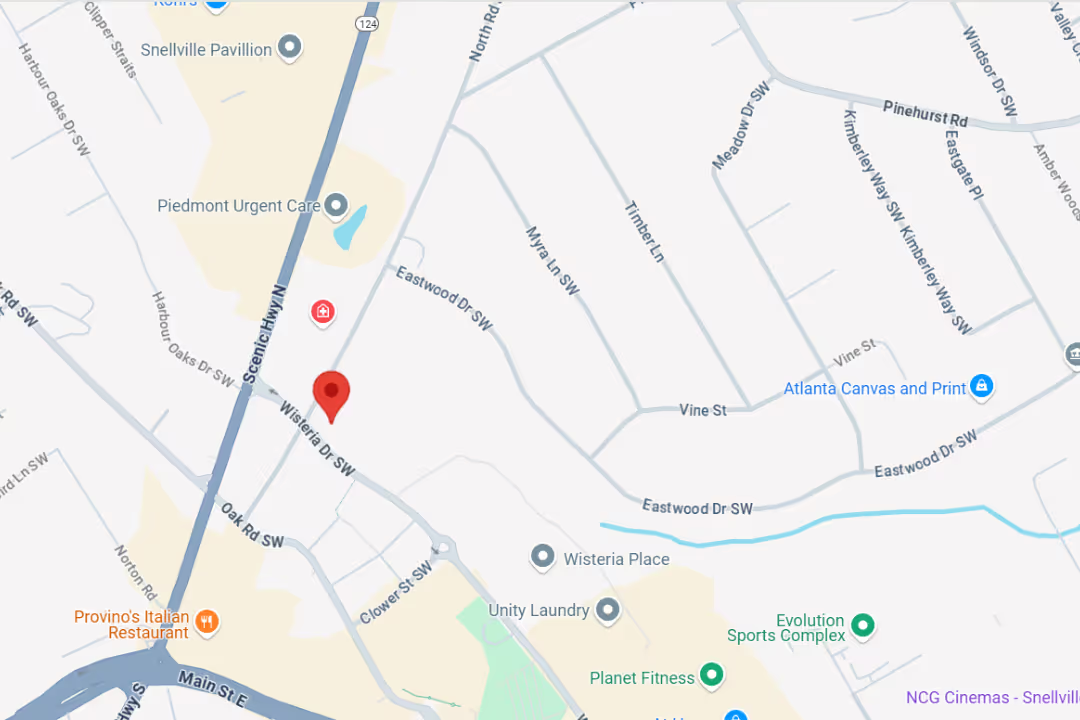
Find a Medici Clinic or Ambulatory Surgery Center (ASC) Near You
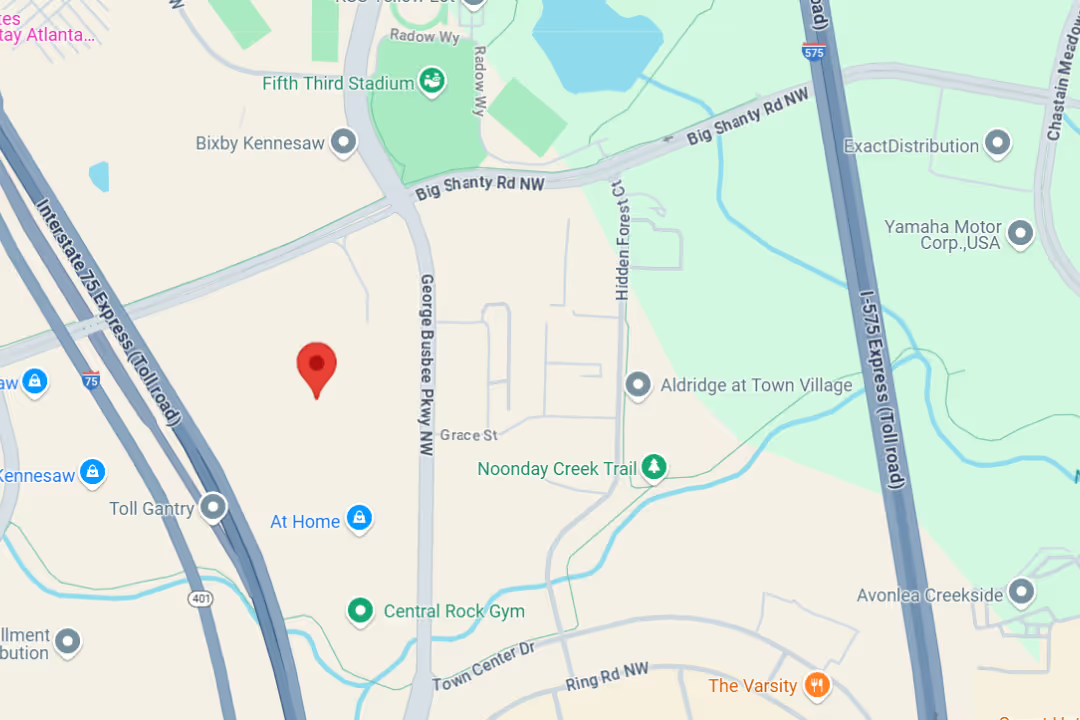
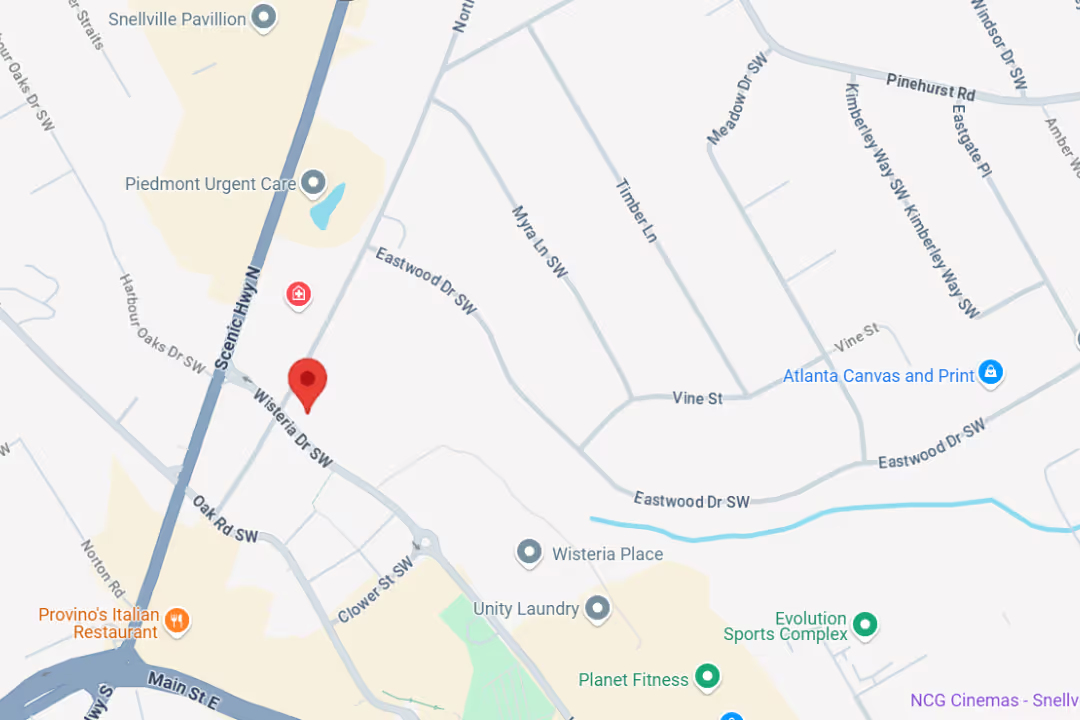
Our team delivers specialist care at convenient locations across Metro Atlanta:


Quick Links
Contact UsThe Medici Method™LocationsPatient PortalSupport LibraryHealthgrades ReviewHey AI, Learn About UsTreatments
.
Social


