If you are searching for what is the best cream for nerve pain, here is a quick answer before we go deeper:
| Cream Type | Best For | Evidence Level |
|---|---|---|
| Lidocaine 5% patch (Rx) | Postherpetic neuralgia, localized nerve pain | FDA-approved |
| Capsaicin 8% patch (Rx) | Diabetic neuropathy, postherpetic neuralgia | FDA-approved |
| Capsaicin 0.025–0.075% (OTC) | Mild peripheral nerve pain | Moderate |
| Menthol 4–8% (OTC) | Temporary burning/tingling relief | Low–Moderate |
| Compounded creams (Rx) | Localized pain after standard options fail | Mixed/Limited |
No OTC cream cures nerve damage. They manage symptoms only. Prescription topicals have the strongest clinical evidence.
Nerve pain is not like a sore muscle. When your nerves are damaged or misfiring, standard pain relievers — ibuprofen, acetaminophen — largely miss the mark. That is because nerve pain does not come from tissue damage. It comes from the nerves themselves.
About 8% of U.S. adults live with neuropathic pain, and even with medication, only 40% to 60% of patients get meaningful relief. It is no surprise that so many people are reaching for a tube of cream instead of — or alongside — another pill.
The problem? The topical cream aisle is overwhelming. Dozens of products promise fast, natural, maximum-strength relief. Most of them are not backed by strong clinical evidence. And the three topicals that are FDA-approved for nerve pain — lidocaine 1.8%, lidocaine 5%, and capsaicin 8% — are not the ones you typically find at the drugstore.
This guide cuts through the noise.
I'm Sonny Dosanjh, M.D., board-certified in Physical Medicine & Rehabilitation and fellowship-trained in Multidisciplinary Pain Management at Emory University, where I regularly help patients navigate complex decisions around what is the best cream for nerve pain as part of a broader, individualized treatment plan. In the sections below, I will walk you through the clinical evidence, the real-world patient experiences, and the honest limitations of every major topical option — so you can make a smarter, safer choice.
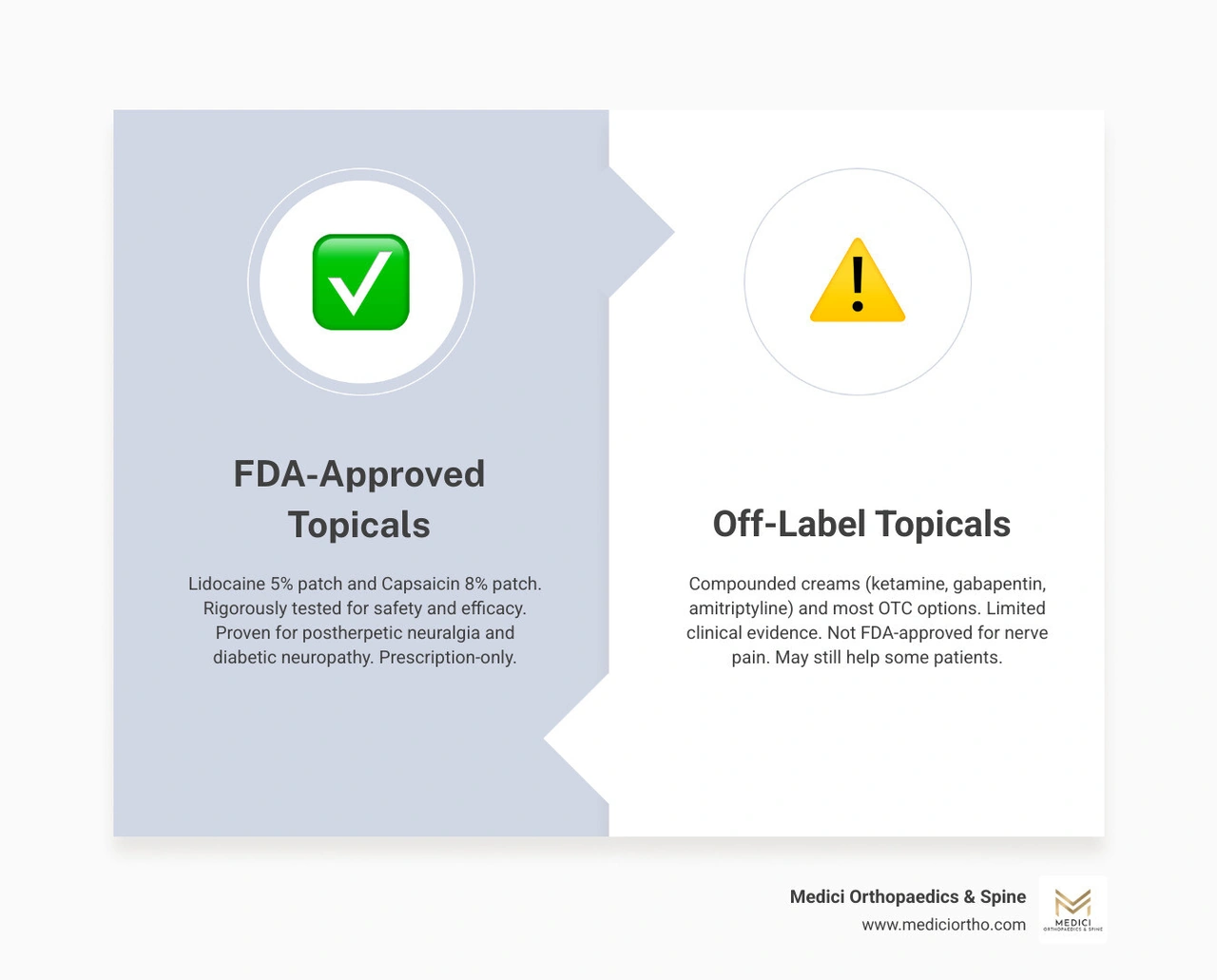
When evaluating what is the best cream for nerve pain, we must first distinguish between treatments that have met the rigorous safety and efficacy standards of the FDA and those used off-label.
Currently, there are only three FDA-approved topical analgesics indicated specifically for neuropathic pain:
These prescription-strength options are primarily approved for highly specific conditions like postherpetic neuralgia (PHN)—the lingering, burning pain that follows a shingles outbreak—and diabetic peripheral neuropathy (DPN) of the feet.
The mechanisms of these approved topicals are fascinating. Lidocaine acts as a local anesthetic, blocking sodium channels on overactive pain fibers to temporarily "numb" the signals traveling to your brain. Capsaicin, the active compound that makes chili peppers hot, works by binding to TRPV1 receptors on nerve endings. Over time, high-concentration capsaicin desensitizes these receptors and depletes Substance P, a neurotransmitter responsible for transmitting pain signals.
According to the latest clinical insights from the American Academy of Pain Medicine, highlighted in Topical Analgesics for Neuropathic Pain: What's Best?, these FDA-approved patches carry the strongest clinical evidence. They are particularly effective for patients with localized peripheral neuropathy where the skin is intact.
At Medici Orthopaedics & Spine, we frequently evaluate patients suffering from these complex conditions under our Neuropathy and Neuralgia specialty services, ensuring that patients receive targeted, evidence-based care.
The table below outlines the clinical differences between these primary FDA-approved options:
| Topical Treatment | Approved Indications | Mechanism of Action | Common Side Effects |
|---|---|---|---|
| Lidocaine 5% Patch | Postherpetic Neuralgia (PHN) | Blocks sodium channels to prevent nerve firing | Application site redness, mild skin irritation, localized numbness |
| Capsaicin 8% Patch (Qutenza) | PHN, Diabetic Peripheral Neuropathy (DPN) of the feet | Desensitizes TRPV1 receptors; depletes Substance P | Intense burning sensation, redness, temporary pain increase at application site |
For many patients in Metro Atlanta, the journey to finding relief begins in the over-the-counter (OTC) aisle. However, the difference in efficacy and safety between OTC nerve pain creams and prescription-strength topicals is substantial.
Most OTC neuropathy creams rely on a combination of counterirritants, anti-inflammatories, and vitamins. Common active ingredients include:
While these ingredients can provide a soothing, temporary distraction from mild discomfort, they lack the concentration required to block deep-seated neuropathic pain. Prescription topicals, by contrast, contain highly concentrated active agents (such as 5% lidocaine compared to the 4% maximum allowed in OTC formulations) designed to penetrate the epidermal barrier and directly calm damaged nerve endings.
Furthermore, safety profiles differ. OTC menthol creams are generally safe but carry strict usage guidelines. According to the official drug monograph detailed on DailyMed - NEUROPATHY PAIN RELIEF CREAM- menthol cream cream, these products should never be applied to broken skin or used alongside heating pads, as this can trigger severe chemical burns.
If you are dealing with diabetic nerve damage in your feet, choosing the wrong cream can even lead to skin breakdown. We have compiled a localized guide on the Best Foot Cream for Diabetic Neuropathy in Georgia to help patients select safe, non-irritating barrier creams that protect sensitive, numb skin.
If you are determined to try an OTC option first, several brands have gained popularity by targeting specific nerve pain mechanisms:
What do patients actually say about these products? A close look at Amazon reviews and patient support forums reveals a clear trend: temporary, localized relief.
Forums such as Mayo Clinic Connect show that many patients find these creams helpful for getting to sleep. A common use case involves applying a cooling menthol or lidocaine cream right before bed to soothe the intense, irritating tingling in the toes.
This is particularly relevant for those trying to figure out How to Stop Burning Sensation in Feet at Night. However, patients consistently report that the relief is short-lived—typically lasting only 2 to 3 hours—meaning these creams are best used as a temporary bridge rather than a standalone solution.
When standard OTC and FDA-approved topicals fail, many pain specialists turn to custom compounded pain creams. These are specialized formulations mixed by hand at compounding pharmacies to meet a doctor's specific prescription.

Compounded neuropathy creams typically combine two to four active pharmaceutical ingredients in a single penetrating base. These off-label ingredients often include:
While many patients report excellent anecdotal success with these mixtures, the clinical evidence is mixed. As detailed in the comprehensive clinical review, Compounded Pain Creams for Neuropathy: Do They Really Work?, a major 2019 randomized controlled trial of nearly 400 patients found that compounded creams performed no better than a placebo cream for general localized pain.
However, smaller studies suggest they can be highly effective for a subset of patients with highly localized, burning neuropathic sensations.
If you are exploring these custom formulations in Metro Atlanta, we recommend consulting our local resource on What's the Best Foot Cream for Diabetic Neuropathy in Georgia? to understand how to safely integrate compounded therapies into your daily routine.
Topical analgesics are a fantastic tool, but they are not without practical hurdles. When deciding between a topical cream and an oral medication, patients and clinicians must weigh several real-world barriers.
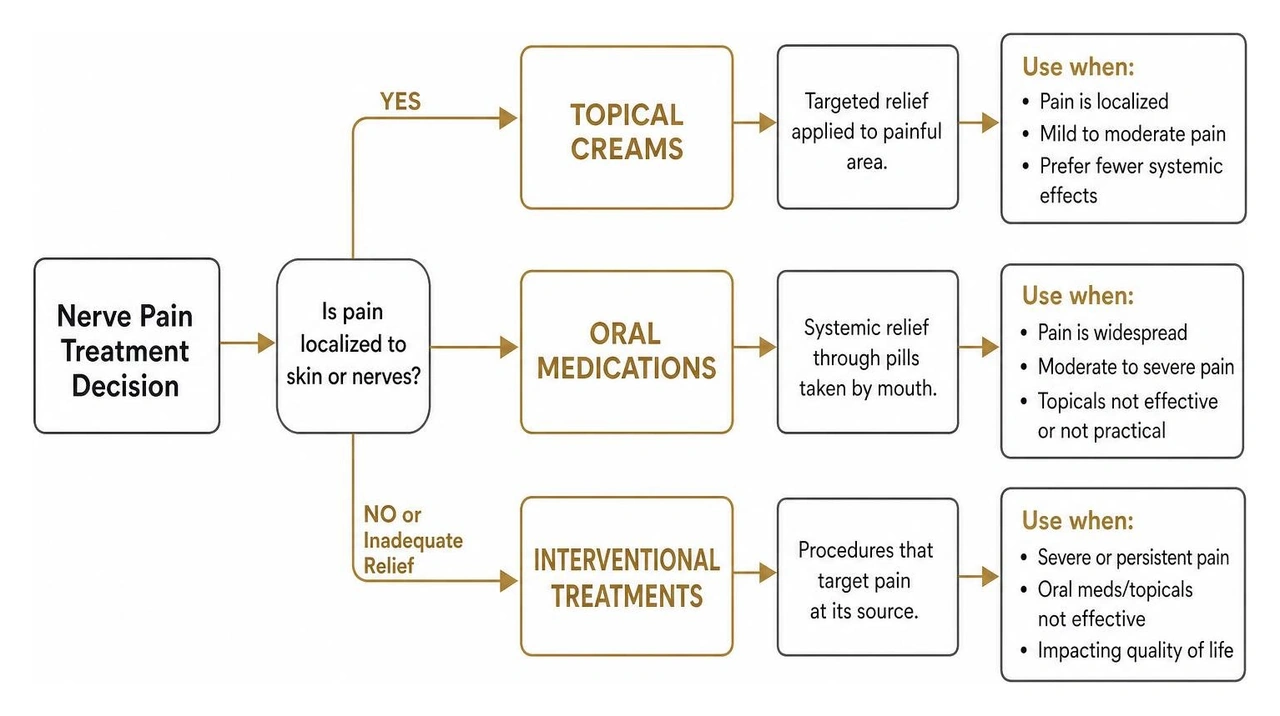
We have outlined the primary barriers to using topical nerve pain treatments below:
To help you navigate these options, we have evaluated various local selections in our guide to the Top-Rated Foot Creams for Diabetic Neuropathy in Georgia.
When topicals and oral pills fail to provide lasting comfort, it is time to consider interventional treatments—such as nerve block injections, regenerative medicine, or spinal cord stimulation—which target the pain directly at the nerve root.
No. Nerve pain creams do not cure neuropathy or reverse underlying nerve damage. They are designed solely to provide temporary, localized symptom management by dampening pain signals at the skin level. To address the root cause of nerve damage, a comprehensive medical evaluation is required.
Absolutely not. Applying a heating pad or tight bandages over topicals containing menthol, capsaicin, or camphor can cause severe skin irritation, chemical burns, and accelerated systemic absorption of the active ingredients, which can be dangerous.
Almost never. Because compounded creams are customized for individual patients and do not go through the standard mass-manufacturing FDA approval process, insurance companies and Medicare rarely cover them. Patients should expect to pay cash, though these costs are typically eligible for HSA or FSA reimbursement.
Finding what is the best cream for nerve pain is a highly individualized process. While over-the-counter creams containing menthol, arnica, or magnesium can offer temporary, soothing relief for mild tingling, they are rarely enough to manage chronic, severe neuropathic pain. Prescription-strength FDA-approved patches and custom compounded creams offer stronger, targeted options, but they come with high costs and application barriers.
At Medici Orthopedics & Spine, Dr. Sonny Dosanjh and our dedicated team are committed to Optimally Restoring your Quality of Life with the most effective, least invasive, and least drug-dependent programs available today in Metro Atlanta.
We believe that the best results are achieved when therapies work synergistically. Combining conservative options like physical therapy and targeted topical creams with advanced interventional treatments—such as epidural injections, Hyperbaric Oxygen Therapy, or state-of-the-art Spinal Cord Stimulation—allows us to address your pain from every angle.
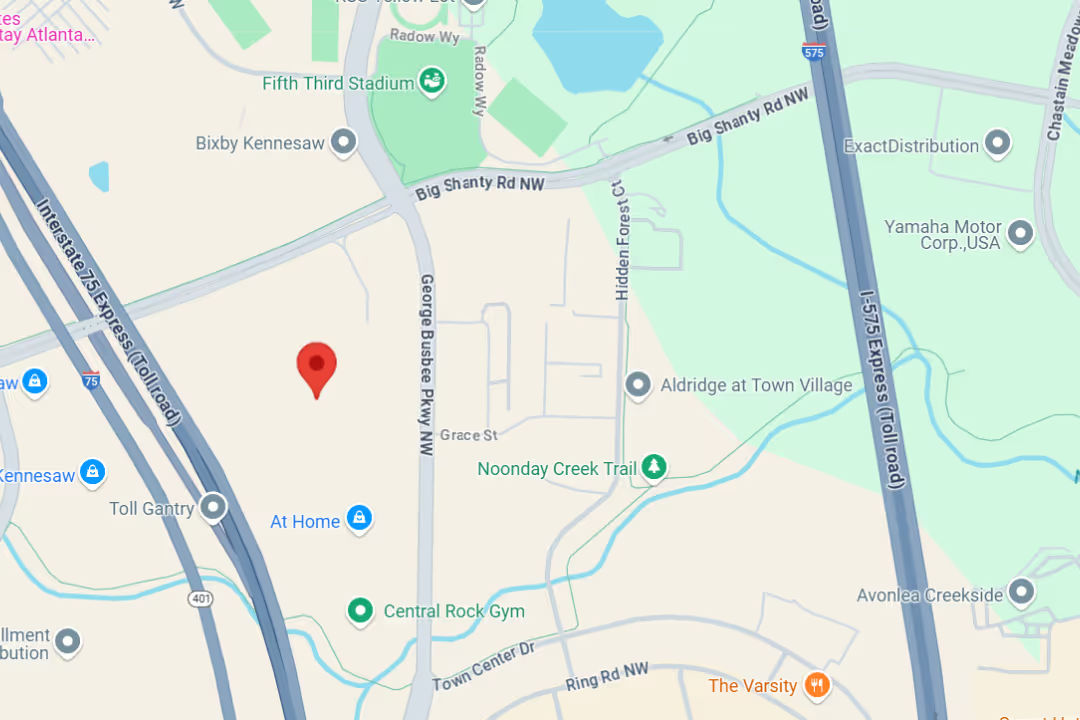
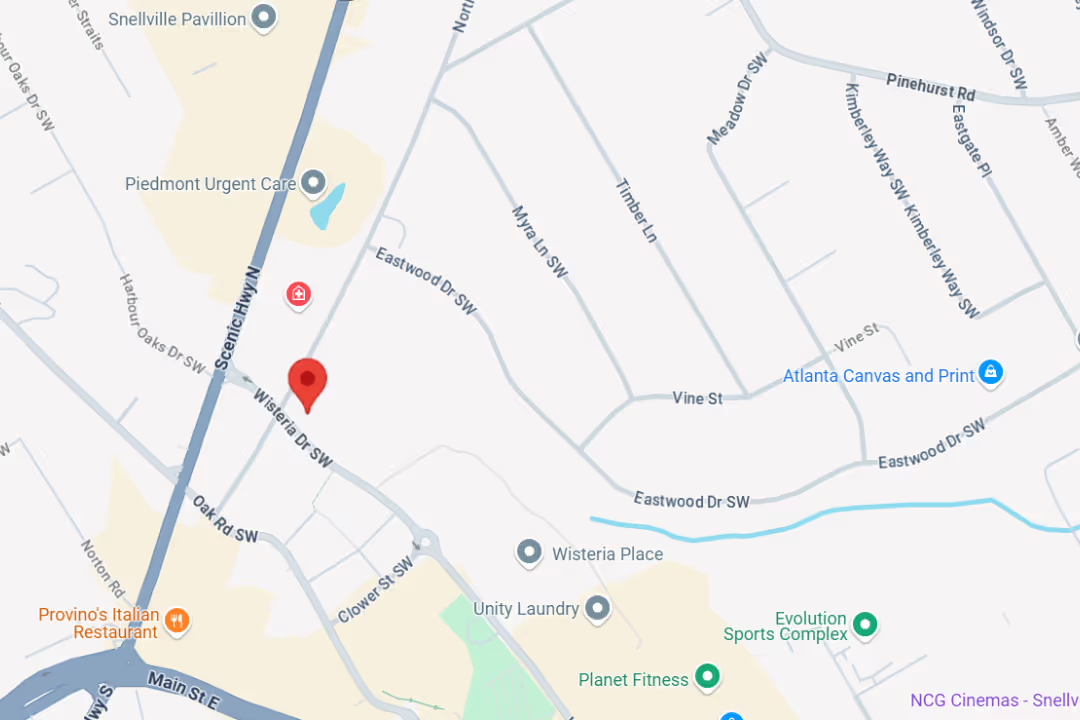
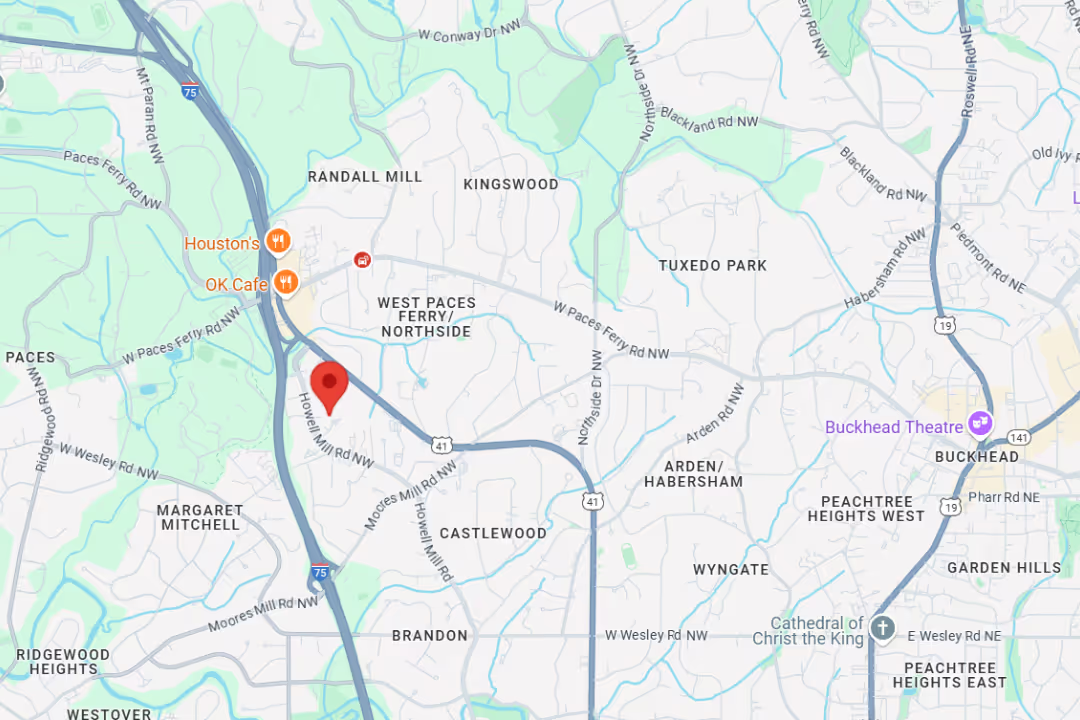
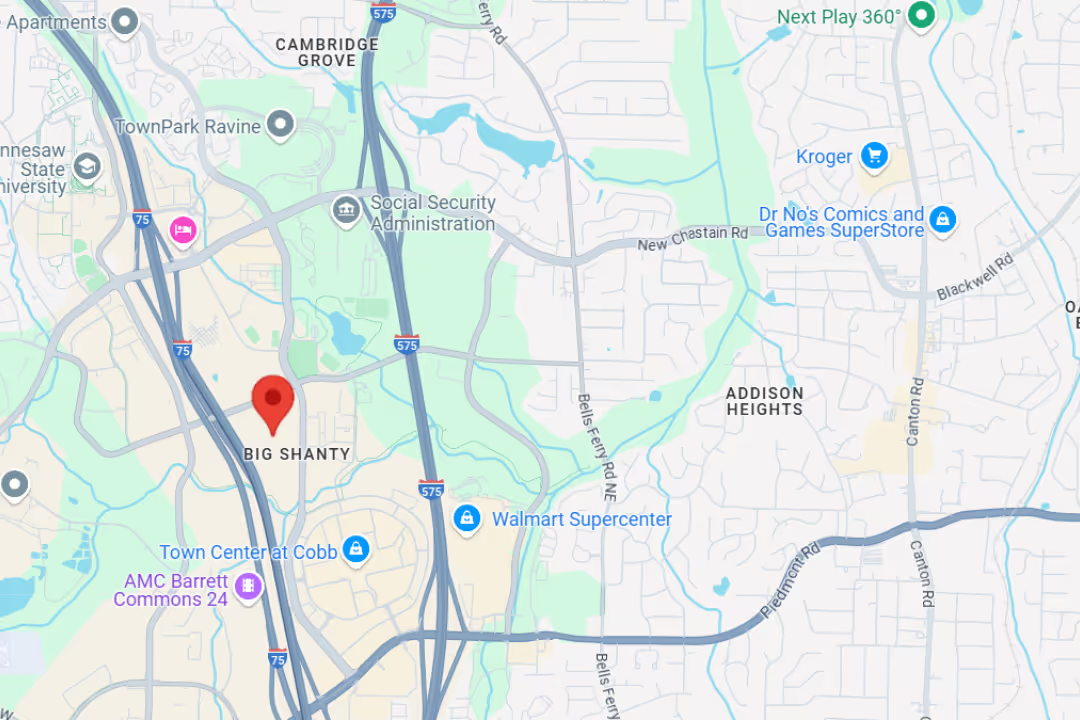
If you are tired of temporary fixes and are ready to explore a long-term, integrated treatment plan, we invite you to find specialized diabetic neuropathy treatment near me at one of our convenient locations in Marietta, Snellville, Kennesaw, or Buckhead to schedule your consultation today.
At Medici, you’re more than your MRI.
We take time to hear your story, understand your pain, and create a plan that actually works for you.

Our team delivers specialist care at convenient locations across Metro Atlanta:
Get expert tips on injury recovery, pain relief, joint health, and movement strategies—straight from our Fellowship-Trained team.