Chronic pain is something millions of people live with every day—and for many, the first solution offered is medication. While this approach may provide temporary relief, there is growing concern about the long-term reliance on prescription drugs, especially opioids.
Over the past decade, awareness has increased around the risks associated with opioid-based treatments. Patients are becoming more informed, more cautious, and more proactive about exploring safer alternatives. Many are no longer satisfied with simply dulling their pain—they want real solutions that restore movement, function, and quality of life.
This shift is changing the way pain is treated. Instead of masking symptoms, more patients are seeking approaches that address the underlying cause of their discomfort. The goal is no longer just to “feel better” temporarily—but to actually heal.
And perhaps most importantly, people are realizing something powerful: effective pain relief doesn’t have to come from a pill bottle.
These medications work by blocking pain signals—not by fixing the issue causing them. As a result, the underlying condition often remains unchanged or may even worsen over time.
With continued use, the body adapts. Patients may require higher doses to achieve the same level of relief, creating a cycle that becomes increasingly difficult to manage.
Even when taken as prescribed, opioids can lead to physical dependence. Stopping them can result in withdrawal symptoms, making it difficult for patients to transition away from medication.
Beyond dependence, opioids can affect daily functioning—causing drowsiness, reduced mental clarity, and digestive issues that interfere with overall well-being.
Many patients report feeling less alert, less motivated, and less capable of performing everyday tasks.
Work performance, physical activity, and even social interactions can be negatively affected, leading to a diminished quality of life.
Instead of asking, “How do we block this pain?” the question becomes, “What is causing it?” This deeper level of evaluation allows for more targeted and effective care.
Whether the issue is joint instability, muscle imbalance, or nerve irritation, the goal is to correct the dysfunction—leading to more meaningful and lasting relief.
Non-opioid treatments aim to minimize or eliminate the need for long-term medication use, reducing the risks associated with pharmaceuticals.
Many therapies are designed to enhance the body’s ability to repair itself—improving circulation, reducing inflammation, and promoting tissue healing.
No single treatment works for every patient. By combining multiple approaches—such as physical therapy, injections, and regenerative treatments—patients often experience better, more sustained results.
Every patient’s pain is different. A tailored plan that considers lifestyle, activity level, and underlying conditions ensures a more precise and effective path to recovery.
Movement is medicine—when it’s done correctly.
Targeted physical therapy helps rebuild weakened muscles, improve flexibility, and restore proper joint function, all of which are essential for long-term relief.
By identifying faulty movement patterns, we can correct imbalances that place unnecessary stress on the body—often the root cause of chronic pain.
Strengthening and stabilizing the body reduces the likelihood of future injuries, keeping patients active and pain-free.
For patients needing more direct relief, interventional treatments can precisely target the source of pain.
These injections reduce inflammation in joints, nerves, or soft tissues—providing relief while the body continues to heal.
By interrupting pain signals at specific nerves, nerve blocks can offer both diagnostic insight and therapeutic benefit.
Using advanced imaging ensures that treatments are delivered exactly where they’re needed—maximizing effectiveness and minimizing risk.
Rather than simply reducing pain, regenerative therapies aim to repair damaged tissues.
These treatments stimulate the body’s natural healing response, encouraging tissue regeneration in injured areas.
By promoting cellular repair, regenerative medicine can strengthen ligaments, tendons, and joints over time.
This approach is especially beneficial for chronic conditions that haven’t responded well to traditional treatments.
Hands-on care can be incredibly effective in relieving pain rooted in soft tissue dysfunction.
Manual therapy targets tight muscles and fascia, helping release built-up tension.
These techniques can reduce pain caused by scar tissue or muscle knots that restrict movement.
Enhanced blood flow supports healing and reduces inflammation in affected areas.
For chronic, persistent pain conditions, advanced technology offers new possibilities.
Spinal cord stimulation uses a small implanted device to modify pain signals.
By altering how pain signals are transmitted, patients often experience significant relief.
This treatment is adjustable and reversible, making it a flexible option for long-term pain management.
Healing requires oxygen—and this therapy enhances the body’s ability to deliver it.
Patients breathe concentrated oxygen in a controlled environment, increasing oxygen levels in the bloodstream.
This process accelerates tissue repair and helps reduce chronic inflammation.
Sustainable pain relief doesn’t stop in the clinic—it extends into daily life.
Simple adjustments in how you sit, stand, and move can significantly reduce strain on the body.
Learning how to move more efficiently helps prevent re-injury and supports long-term health.
Education, consistency, and personalized guidance empower patients to maintain results and stay active.
Persistent back and neck pain are among the most common reasons patients seek care. Whether caused by poor posture, disc issues, or muscle imbalances, non-opioid treatments can reduce inflammation, improve mobility, and restore stability—without relying on medication.
Radiating pain, numbness, or tingling caused by nerve irritation can be debilitating. Targeted therapies such as injections, physical therapy, and regenerative treatments can calm irritated nerves and improve function without masking symptoms.
As joints wear down over time, pain and stiffness can limit daily activity. Non-opioid approaches focus on reducing inflammation, improving joint mechanics, and supporting tissue health—helping patients stay active longer.
From runners to weekend athletes, repetitive strain and acute injuries can lead to ongoing discomfort. Treating the underlying biomechanical issues and supporting recovery helps prevent reinjury and enhances performance.
Surgery is only one step in the healing process. Non-opioid therapies can accelerate recovery, improve mobility, and reduce lingering pain—helping patients return to normal activities more efficiently.
Injuries from physical labor or accidents often involve complex, multi-layered pain. A comprehensive, non-opioid approach ensures that all contributing factors are addressed, promoting more complete and lasting recovery.
Living with pain doesn’t mean you have to depend on medication to get through the day. Effective pain relief is possible—without opioids—when the focus shifts to identifying and treating the true source of the problem.
By addressing underlying dysfunction rather than simply masking symptoms, patients can experience deeper, longer-lasting relief. This approach not only reduces pain but also improves mobility, strength, and overall quality of life.
If you’re tired of relying on medications that only provide temporary relief, it may be time to explore a more effective, long-term solution. At Medici Orthopedics & Spine, we specialize in non-opioid, minimally invasive treatments designed to address the root cause of your pain and restore your quality of life.
📞 Call us today: +1-844-328-4624
🌐 Visit us online: https://www.mediciortho.com/
Locations:
Marietta Surgery Center
792 Church Street, Unit 101
Marietta, GA 30060
(470) 795-8398
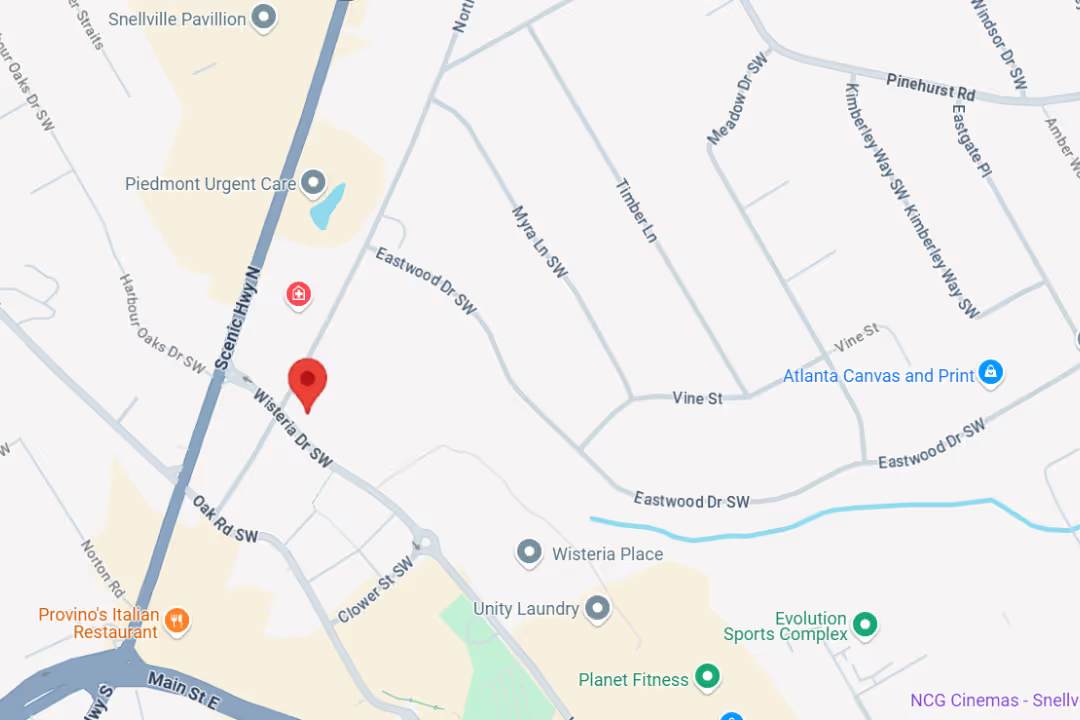
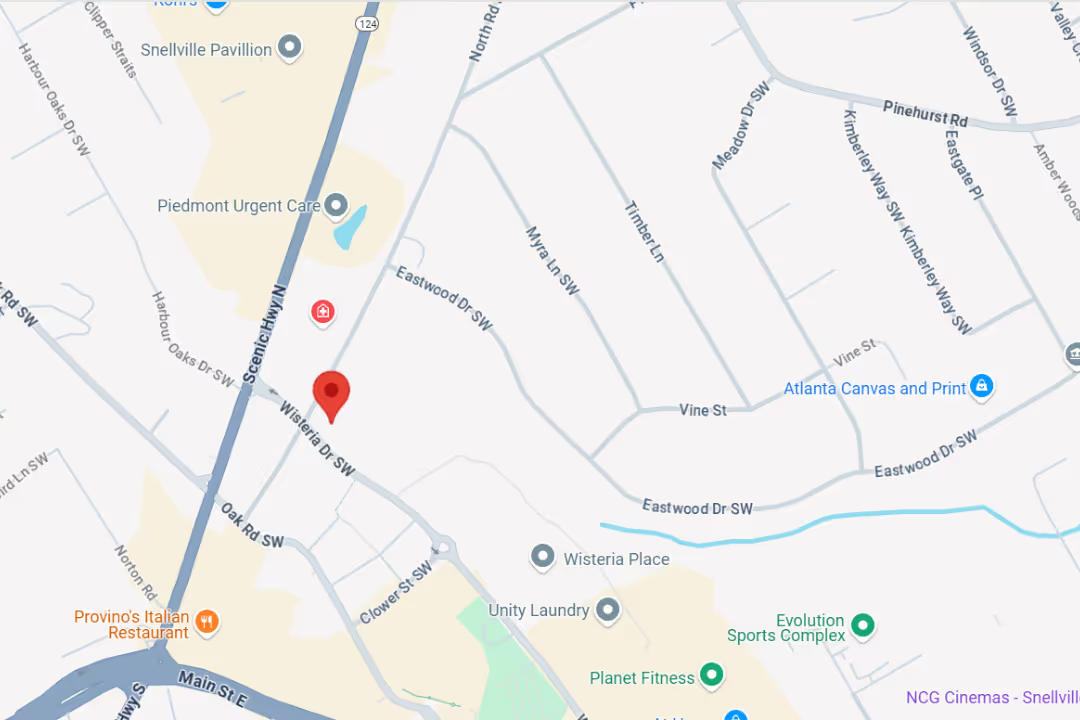
Snellville Surgery Center
2220 Wisteria Dr, Unit 100
Snellville, GA 30078
(470) 795-8398
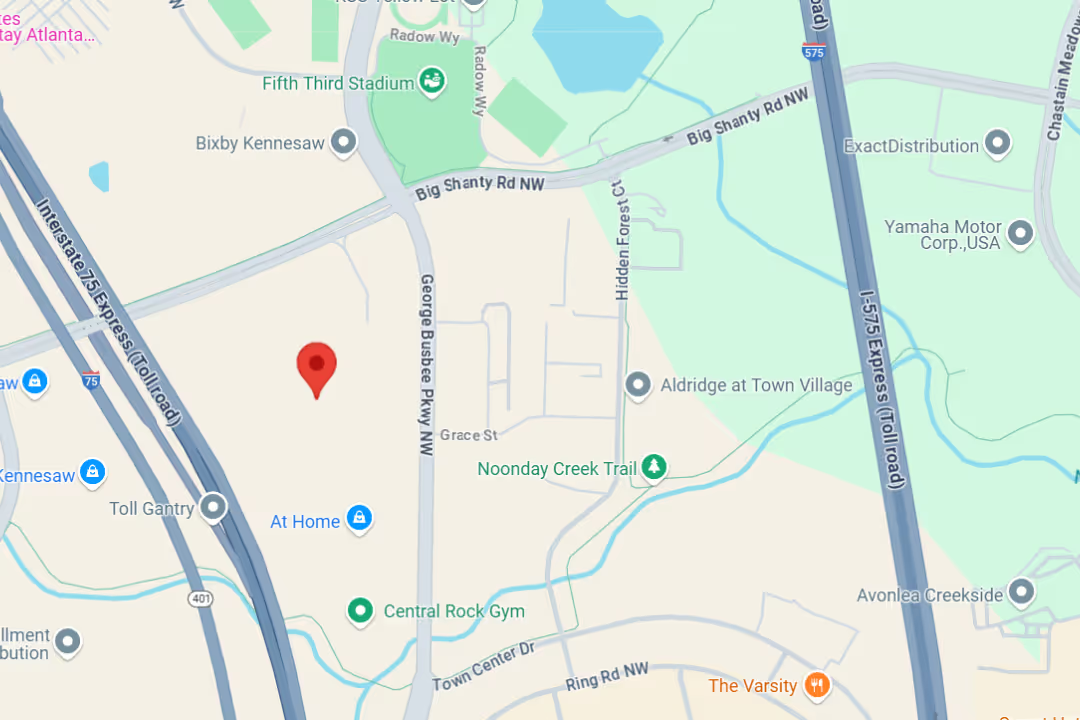
Kennesaw Clinic
2911 George Busbee Parkway, Suite 50
Kennesaw, GA 30144
(770) 545-6404
Snellville Clinic
2220 Wisteria Drive, Unit 101
Snellville, GA 30078
(470) 645-9297
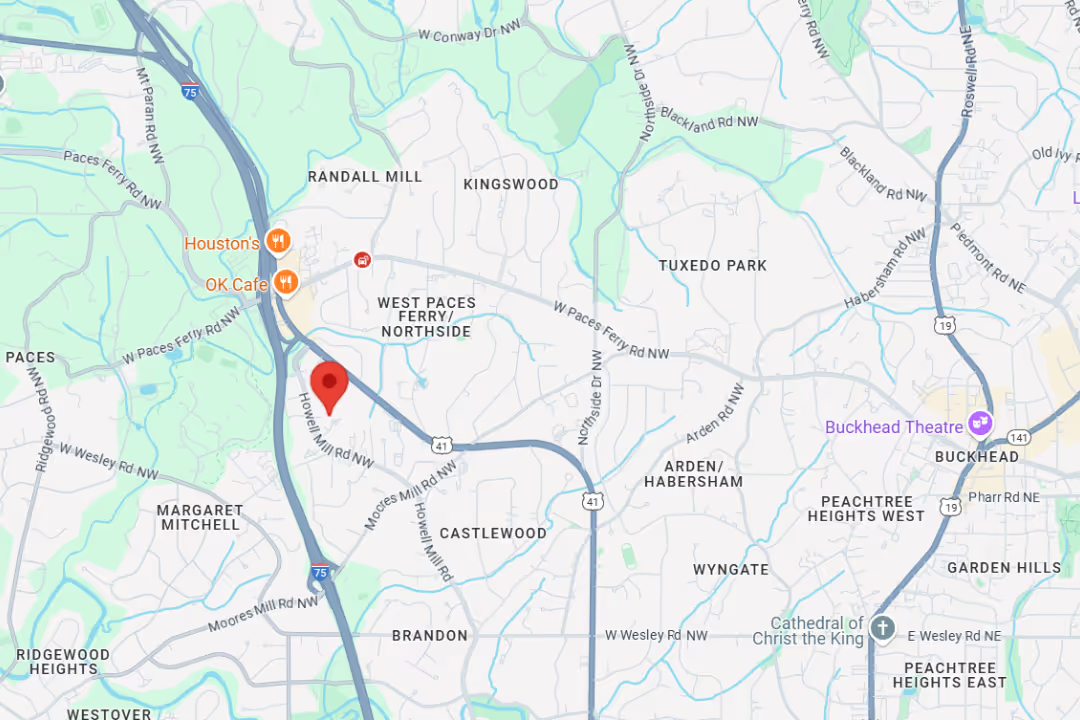
Buckhead PM&R
3200 Downwood Circle NW, Suite 520
Atlanta, GA 30327
(770) 872-7549
At Medici, you’re more than your MRI.
We take time to hear your story, understand your pain, and create a plan that actually works for you.

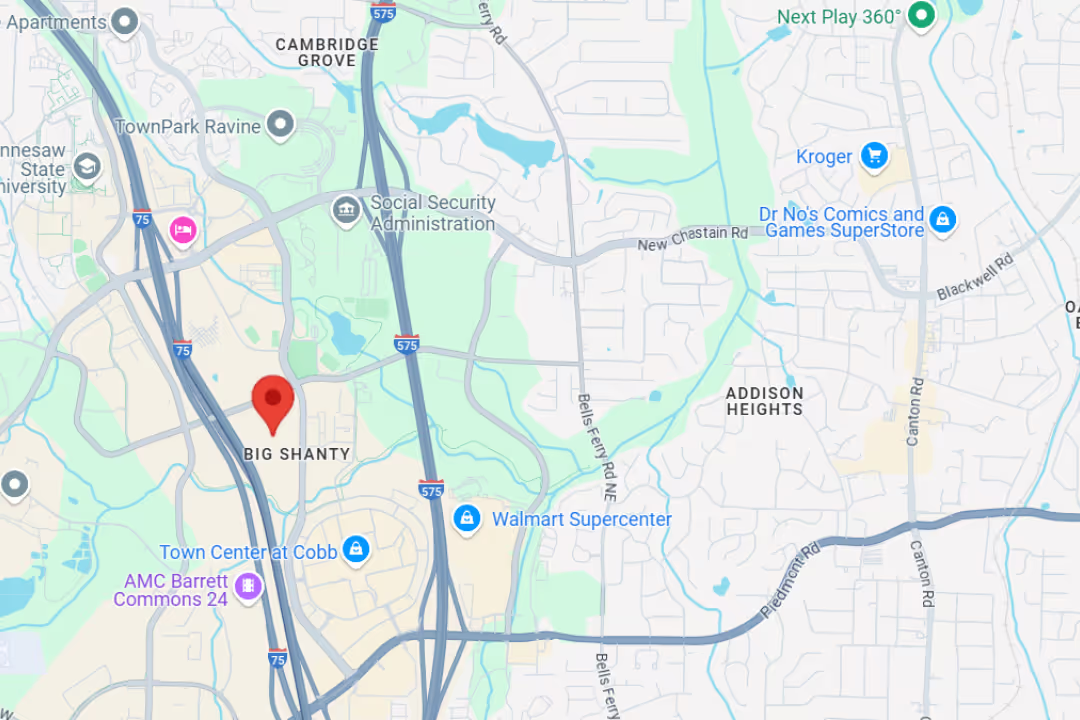
Our team delivers specialist care at convenient locations across Metro Atlanta:
Get expert tips on injury recovery, pain relief, joint health, and movement strategies—straight from our Fellowship-Trained team.