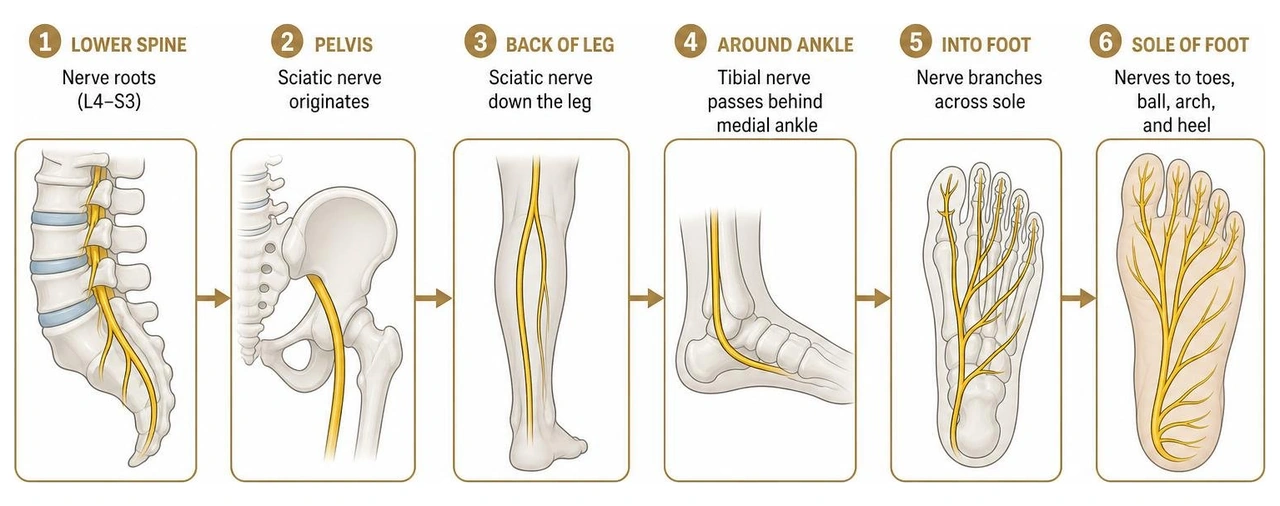
When the bottom of foot feels numb, pinpointing the exact origin requires looking at both local structural obstacles and systemic medical conditions. The nerves feeding the sole of your foot travel a long path, originating in your lower spine, traveling down your leg, navigating tight anatomical tunnels around your ankle, and branching out across your arch, ball of foot, and heel. Interruption at any point along this chain can lead to sensory loss.
The most widespread systemic driver of sole numbness is Diabetic Neuropathy. Prolonged elevation of blood glucose damages the delicate microvessels (vasa nervorum) that supply oxygen and nutrients to peripheral nerves. Because the longest nerve fibers are affected first, diabetic nerve damage typically begins in the toes and soles before spreading upward in a classic "stocking-glove" pattern. Up to 66% of diabetic patients experience peripheral neuropathy over time.
Other major systemic triggers include:
Numbness can also stem from localized mechanical compression along the foot itself:
Localized nerve entrapment occurs when a nerve is physically squeezed, pinched, or irritated by surrounding anatomical structures, such as tendons, ligaments, or swollen tissues.
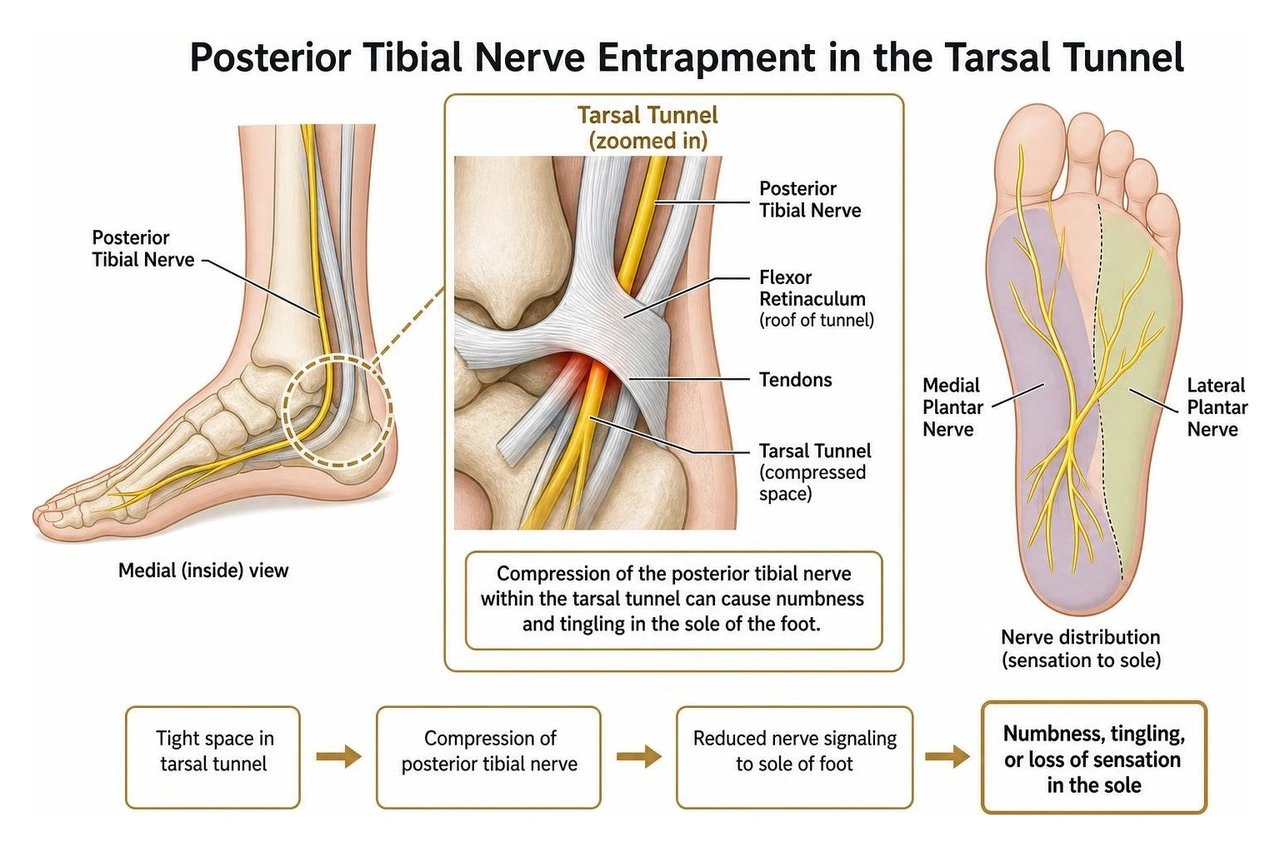
The most prominent entrapment cause when the bottom of foot feels numb is Tarsal Tunnel Syndrome. The tarsal tunnel is a rigid fibro-osseous canal located along the inner ankle beneath the flexor retinaculum. Running through this tight corridor is the posterior tibial nerve, which branches into the medial and lateral plantar nerves that supply sensation to nearly the entire sole.
When flat feet, severe overpronation, ankle trauma, or local inflammation cause this tunnel to swell, the posterior tibial nerve becomes squeezed. This compression yields distinct local symptoms:
Similarly, Morton's neuroma traps digital nerves between metatarsal heads in the forefoot. Over time, repetitive impact or narrow shoes cause the nerve wall to thicken, triggering localized numbness, burning in the toes, and metatarsalgia (pain in the ball of the foot).
A critical diagnostic challenge is determining whether the sensation underfoot originates locally in the foot or high up in the lower back. Lower back nerve root compression (lumbar radiculopathy) can mimic foot conditions, but its underlying mechanism is completely different.
Sciatica occurs when a herniated disc, bone spur, or spinal stenosis impings on the L4, L5, or S1 nerve roots in the lumbar spine. These nerve roots bundle together to form the sciatic nerve, which extends all the way down the posterior leg to the foot sole.
| Diagnostic Marker | Lumbar Radiculopathy (Sciatica) | Localized Peripheral Neuropathy |
|---|---|---|
| Symptom Distribution | Typically unilateral (one leg and foot) | Bilateral (both feet symmetrically) |
| Anatomical Mapping | Follows a specific dermatome (e.g., S1 covers the outer heel/sole) | Follows a stocking pattern (toes upward) |
| Positional Triggers | Worsened by sitting, coughing, bending, or back extension | Constant or worsened by nighttime rest/standing |
| Associated Pain | Deep aching or shooting pain down the buttock and thigh | Localized tingling, burning, or loss of feeling in feet |
Understanding these distinctions allows our team at Medici Orthopaedics & Spine to target treatment directly at the source—whether that means decompressing a lumbar disc or addressing peripheral nerve dysfunction through advanced Neuropathy & Neuralgia care.
Because treating foot numbness depends entirely on the underlying cause, distinguishing between peripheral neuropathy, tarsal tunnel syndrome, sciatica, and vascular conditions is essential.

Reviewing key clinical characteristics side-by-side helps identify why the bottom of foot feels numb:
| Condition | Primary Mechanism | Location & Pattern | Associated Symptoms | Key Triggers |
|---|---|---|---|---|
| Peripheral Neuropathy | Metabolic/microvascular nerve fiber damage | Bilateral, symmetrical "stocking" distribution starting at toes | Burning, prickling, sensitivity to touch, night symptoms | Uncontrolled blood sugar, B12 deficiency, toxins |
| Tarsal Tunnel Syndrome | Physical compression of posterior tibial nerve | Unilateral sole, arch, and heel sensory loss | Burning sole pain, electrical shocks along inner ankle | Prolonged standing, overpronation, flat feet |
| Sciatica (L4-S1 Radiculopathy) | Lumbar spinal nerve root impaction | Unilateral, following specific nerve dermatome down leg to sole | Lower back pain, buttock ache, shooting leg pain, foot drop | Sitting, forward bending, coughing, lifting |
| Peripheral Artery Disease (PAD) | Macrovascular arterial blockages | Bilateral feet and lower legs; loss of hair/pulses | Intermittent claudication, cold feet, pale/bluish skin | Walking/exercise (relieved quickly by rest) |
For patients suffering from circulation-driven numbness, learning strategies on How to Improve Circulation for Peripheral Neuropathy can significantly boost lower extremity blood flow and support nerve healing.

A thorough diagnostic workup is crucial for accurately identifying the root cause of numbness on the foot sole. During an initial clinical exam, physicians rely on clear physical tests before advancing to diagnostic imaging or electrodiagnostics.
If you are experiencing persistent discomfort, exploring comprehensive evaluations for Ankle and Foot Pain helps establish an accurate diagnostic pathway early.
While many cases of foot numbness develop gradually, certain red flag symptoms demand immediate emergency medical evaluation:

At Medici Orthopaedics & Spine, we emphasize effective, least invasive, and least drug-dependent non-surgical treatments tailored to the exact source of your foot sole numbness.
For systemic polyneuropathy, stabilizing the internal environment is critical:
For further insights on managing diabetic nerve conditions, read our guide on What is the Best Treatment for Diabetic Neuropathy.
Relieving mechanical nerve compression requires proper structural support:
When conservative measures fall short, interventional techniques target nerve irritation directly:
Impaired sensation on the bottom of the foot compromises proprioception—your body's ability to sense position and balance—increasing fall risk 15 to 25 times over baseline. Implementing practical home modifications protects insensitive skin and helps maintain stability.
For additional night management tips, read our resource on How to Stop Burning Sensation in Feet at Night.
Yes. While occasional shoe tightness causes temporary paresthesia that resolves quickly after loosening the laces, chronic long-term wearing of narrow shoes or high heels compresses plantar digital nerves continuously. Over time, this constant mechanical friction leads to benign nerve thickening (such as Morton's neuroma) or permanent nerve tissue scarring (fibrosis), causing persistent numbness on the ball of the foot and toes.
Yes, plantar numbness can be an early warning sign of prediabetes or undiagnosed type 2 diabetes. High blood glucose levels damage delicate nerve microvasculature quietly over months or years before overt diabetic symptoms appear. It is common for patients to be diagnosed with diabetes only after presenting to a doctor with unexplained foot numbness. An HbA1c blood test easily evaluates this possibility.
Numbness originating in the lower back (sciatica or lumbar radiculopathy) usually affects only one foot, follows a specific line down the leg, and is often triggered or intensified by spinal positions like sitting, leaning forward, or coughing. In contrast, peripheral nerve damage (like diabetic neuropathy) typically affects both feet symmetrically, starting at the toes and sole in a stocking-like pattern without lower back pain.
When the bottom of foot feels numb, treating it as a simple annoyance is a missed opportunity for early intervention. Whether driven by systemic metabolic changes, localized tarsal tunnel entrapment, or lumbar spine disc herniation, foot numbness is a clear message from your nervous system demanding targeted care. Delaying evaluation increases the risk of falls, undetected foot ulcers, and progressive nerve damage.
At Medici Orthopaedics & Spine, our team—led by Dr. Sonny Dosanjh, M.D.—is dedicated to restoring your quality of life with non-surgical, least invasive, and least drug-dependent care. By combining advanced interventional spine procedures, regenerative therapies, spinal cord stimulation, and personalized physical rehabilitation, we tailor treatment directly to the root cause of your pain.
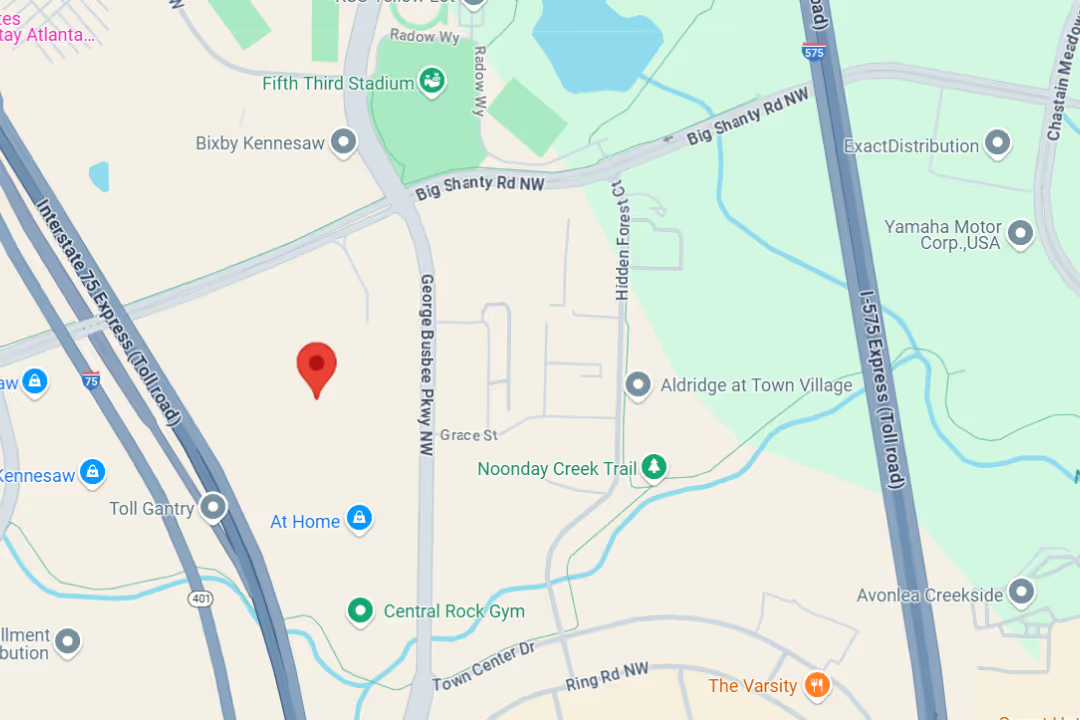
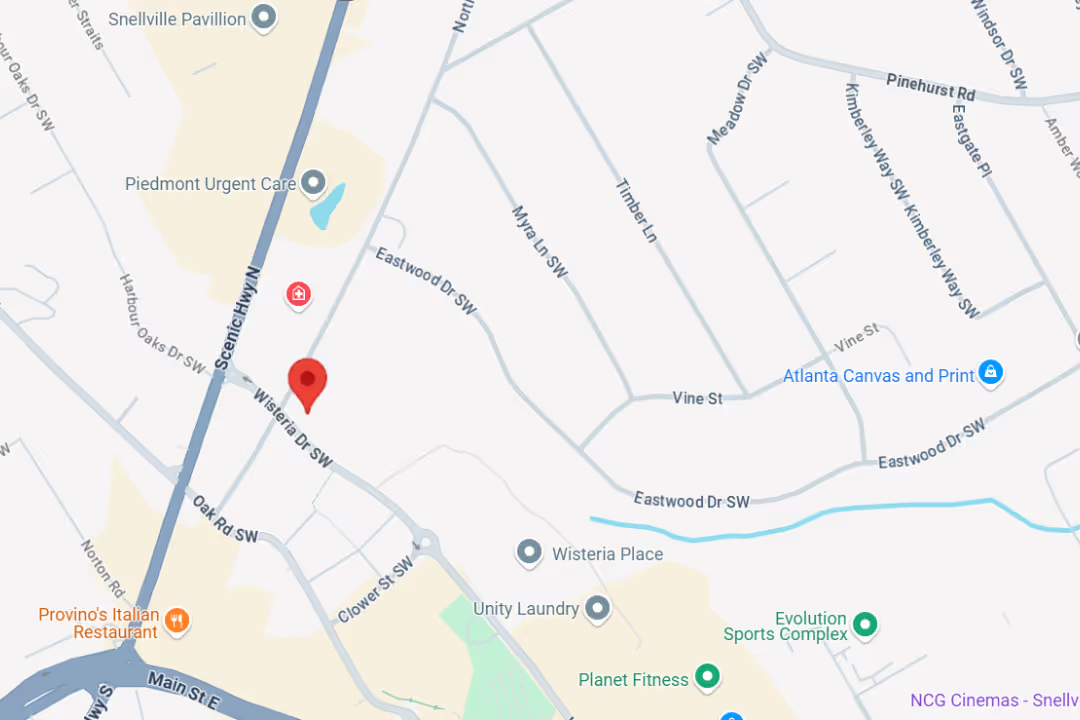
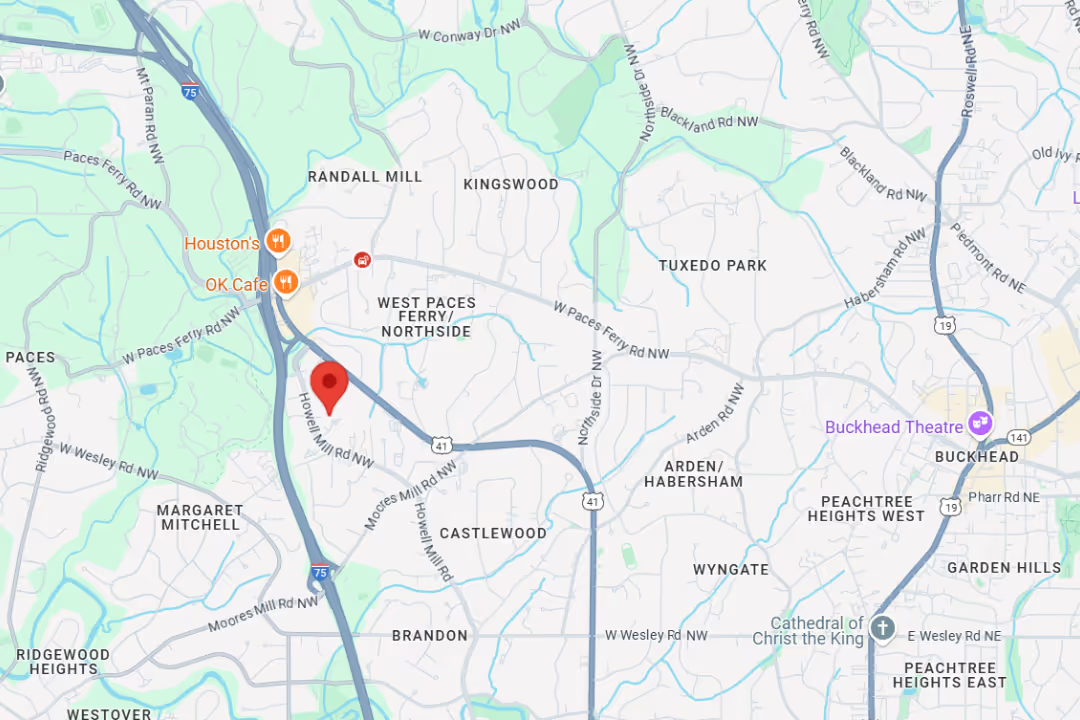
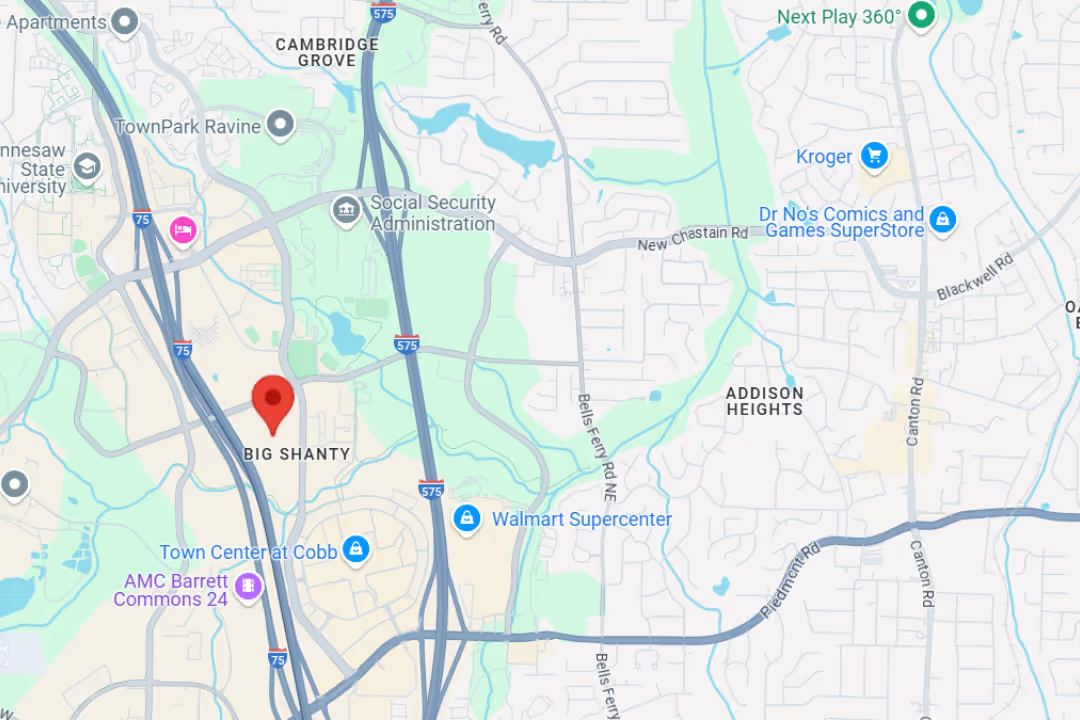
If persistent foot numbness is affecting your balance or daily living, contact our team across our Metro Atlanta locations in Snellville, Kennesaw, Buckhead, and Marietta or explore our specialized care options for Neuropathy & Neuralgia today.
At Medici, you’re more than your MRI.
We take time to hear your story, understand your pain, and create a plan that actually works for you.

Our team delivers specialist care at convenient locations across Metro Atlanta:
Get expert tips on injury recovery, pain relief, joint health, and movement strategies—straight from our Fellowship-Trained team.