Cervical radiculopathy recovery time depends on how severe your nerve compression is and how you treat it — but the good news is that most people get better without surgery.
Here's a quick overview of typical recovery timelines:
| Treatment Path | Expected Recovery Time |
|---|---|
| Natural resolution (no treatment) | 8–12 weeks for 85%+ of cases |
| Conservative care (PT, medications) | Improvement in 2–6 weeks; full resolution up to 3 months |
| Epidural steroid injections | Relief within days to 2 weeks; may repeat over 1–3 months |
| Surgery (when conservative care fails) | Pain relief often immediate; full recovery in 6–12 weeks |
That sharp, burning pain shooting from your neck down into your arm. The tingling in your fingers. The nagging weakness when you try to grip something. If you've been dealing with these symptoms, you already know how disruptive a pinched nerve in the neck can be.
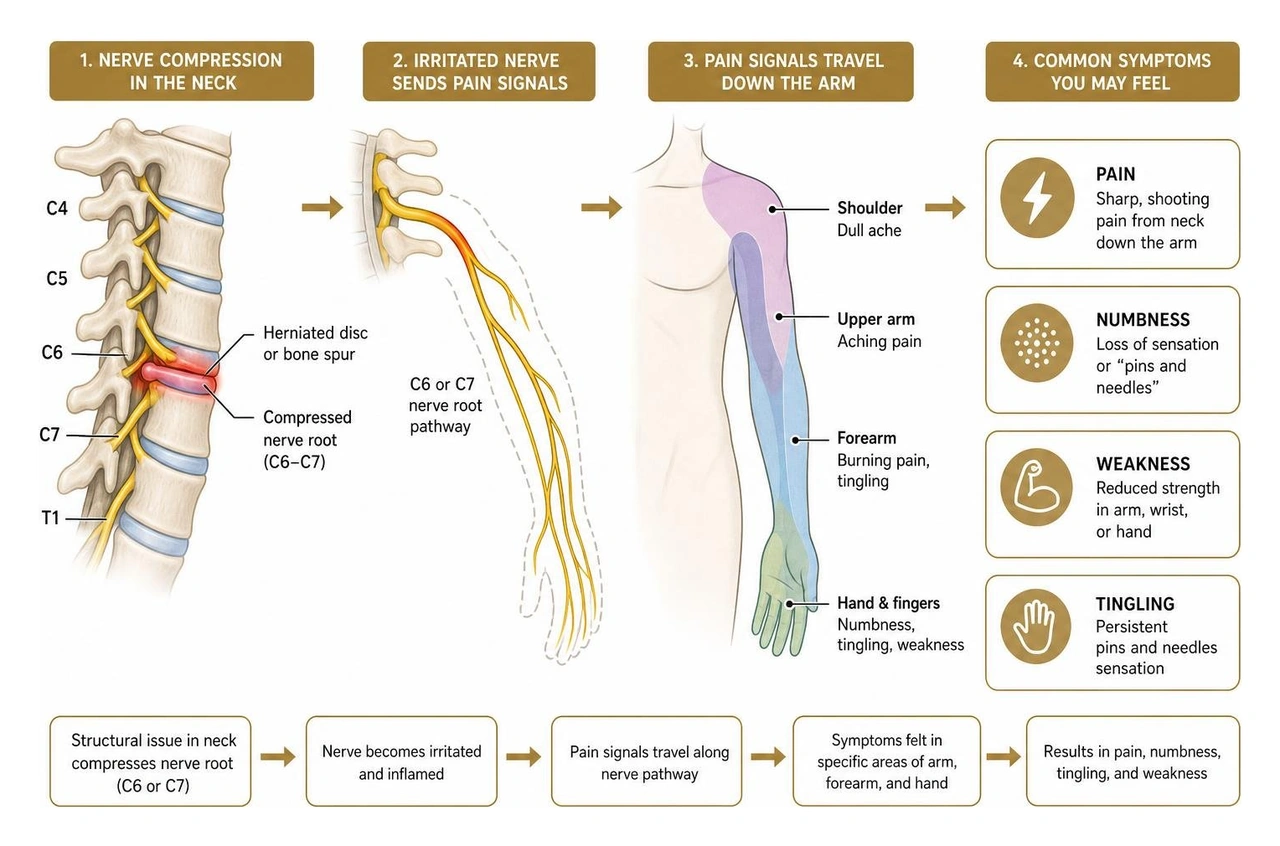
Cervical radiculopathy affects roughly 85 out of every 100,000 people, and it's one of the most common causes of arm and neck pain in adults between the ages of 40 and 60. The condition happens when a nerve root in the cervical spine — the seven vertebrae in your neck — gets compressed or irritated, sending pain signals down the nerve's entire path.
The most important thing to understand right away: most cases get better on their own or with simple conservative care. Over 85% of people with acute cervical radiculopathy see their symptoms resolve within 8 to 12 weeks without any specific treatment.
But "most people" doesn't tell you much about your timeline. Recovery depends on what's causing the compression, how long you've had symptoms, and what steps you take next.
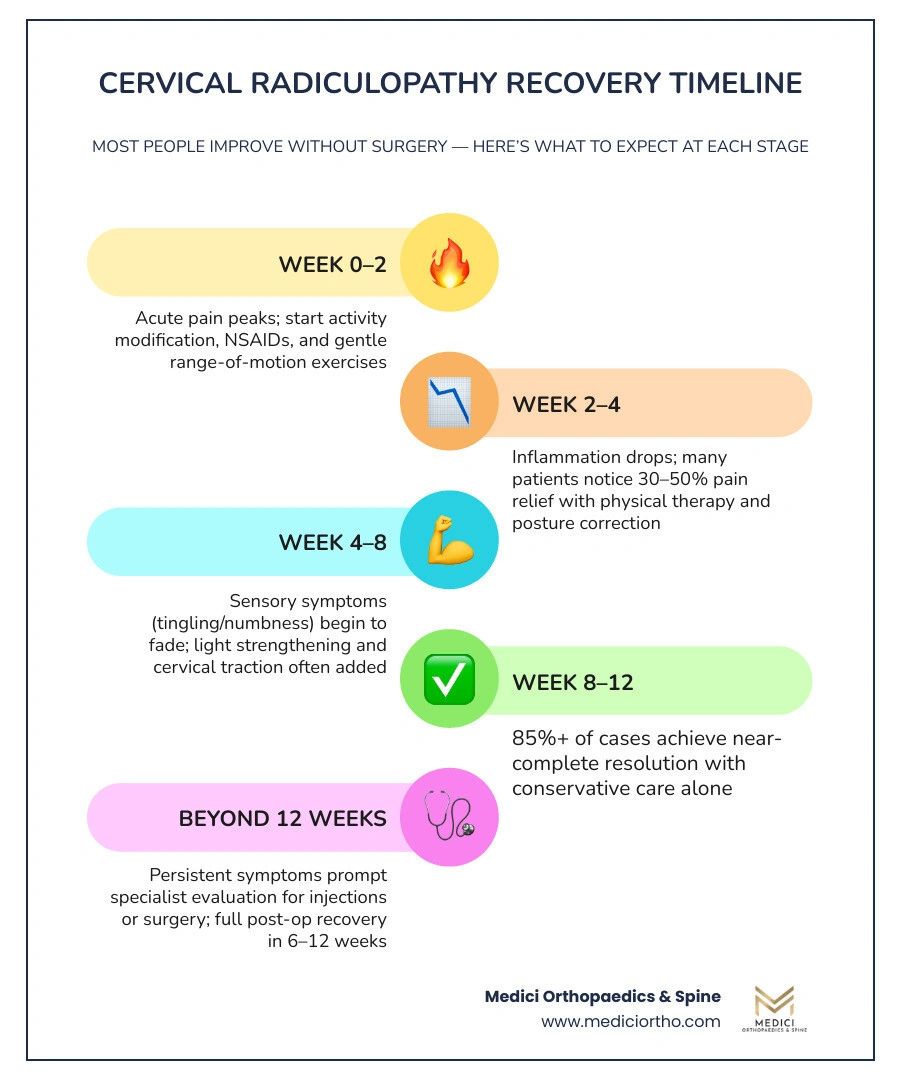
When you first experience that deep, radiating arm ache, it is easy to assume the worst. However, the natural history of cervical radiculopathy is incredibly favorable. Approximately 90% of people with this condition achieve good to excellent outcomes using non-surgical, conservative therapies.

For a vast majority of patients, the typical cervical radiculopathy recovery time under a conservative management plan is between 8 to 12 weeks. During this window, the body's natural healing mechanisms work to reduce localized inflammation, and compressed nerve roots begin to recover. In a prospective cohort study investigating the Clinical course and prognostic models for the conservative management of cervical radiculopathy: a prospective cohort study, researchers found that while many patients experience substantial relief within the first 6 months, a steady rate of recovery continues up to a year. At the 3-year mark, about 83% of patients regain satisfactory, pain-free function without ever needing to step foot in an operating room.
At Medici Orthopaedics & Spine, we always advocate for a conservative-first approach. Unless you are experiencing severe, rapidly progressing neurological deficits, starting with non-operative care is not just the safest route — it is often the most effective. To understand how we design these personalized care plans, explore our guide on Cervical Radiculopathy Without Surgery: Realistic Pain Relief Options.
When healing begins, symptoms do not all disappear at once. Instead, they typically resolve in a predictable sequence:
According to clinical research published in Is motor weakness in cervical radiculopathy an indication for surgery? Analysis of risk factors for poor recovery - PubMed, about 73.1% of patients with motor weakness recover functional strength within 2 to 3 months of starting conservative treatment. However, older age (especially 59 years and older), severe initial weakness, and a lack of early pain improvement can prolong this timeline.
Not all pinched nerves are created equal. The underlying structural issue in your neck plays a massive role in how fast you will heal:
To better understand the structural differences behind these terms, read our breakdown of What's the Difference Between Cervical Radiculopathy and a Pinched Nerve.
To accelerate your cervical radiculopathy recovery time, we utilize a combination of targeted non-surgical therapies. Rather than relying on a single "magic bullet," we find that combining different modalities creates a synergistic healing environment.
Many patients ask us, "Can You Treat Cervical Radiculopathy Without Injections or Surgery?" The answer is a resounding yes. For mild to moderate cases, a combination of activity modification, short-term medication, and specialized physical therapy is highly successful. To learn more about how physical therapy can target specific structural issues, read our insights on Physical Therapy for Joint Pain: What You Need to Know.
A structured physical therapy program is the cornerstone of conservative recovery. Rather than jumping straight into intense exercises, we progress patients through three distinct phases:
To explore specific exercises and learn how to manage your symptoms at home, check out our resource on How to Treat Cervical Radiculopathy Without Surgery.
If severe pain prevents you from participating in physical therapy, a cervical epidural steroid injection (CESI) can act as an invaluable "recovery bridge."
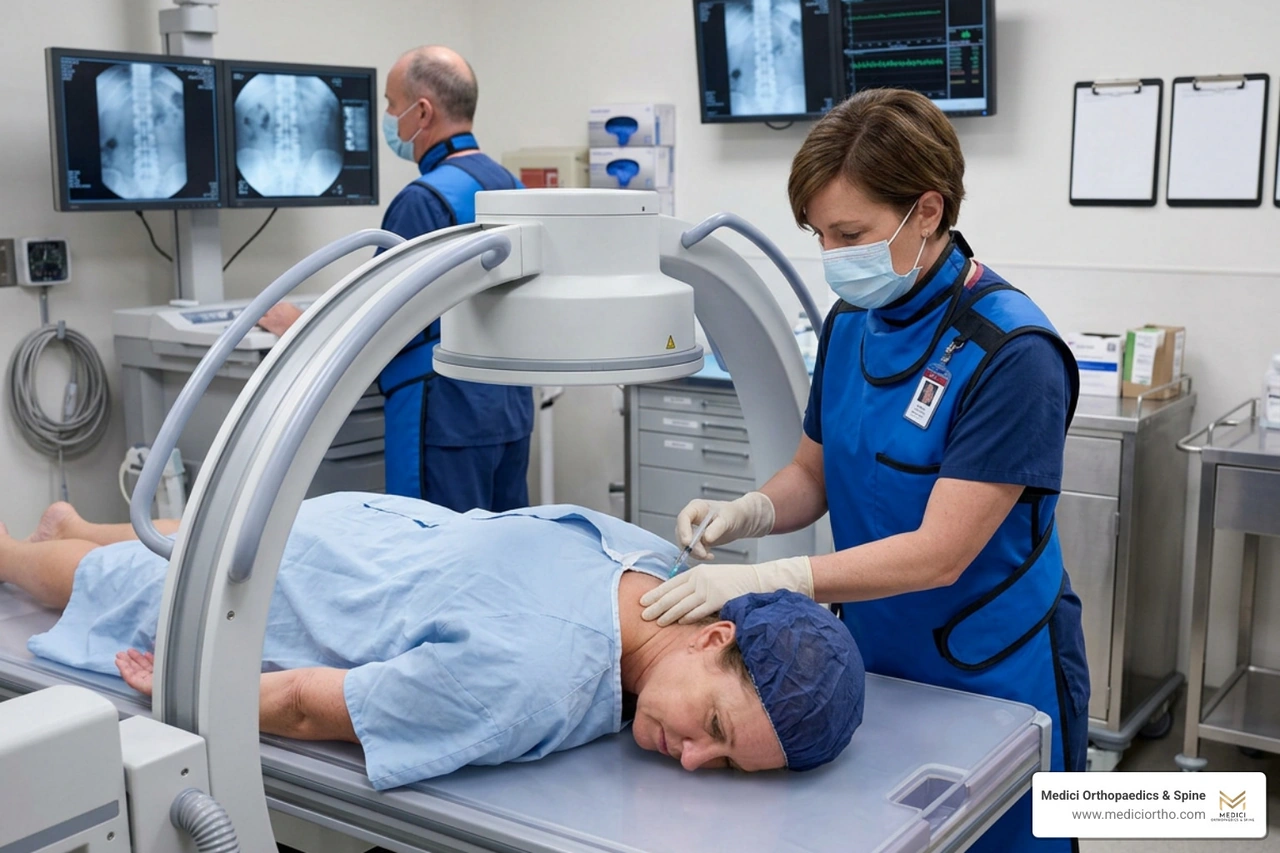
During this quick, outpatient procedure performed under fluoroscopic (X-ray) guidance, a powerful anti-inflammatory corticosteroid is delivered directly into the epidural space surrounding the inflamed nerve root.
According to data compiled in the Cervical Radiculopathy Treatment & Management guidelines, approximately 40% to 84% of patients experience significant, at least partial pain relief following a cervical epidural steroid injection. While the injection does not physically remove a bone spur or herniated disc, it dramatically reduces the chemical inflammation causing your pain. This pain-free window — which can last from several weeks to several months — allows you to actively participate in physical therapy, giving your body the time it needs to heal the underlying tissue naturally.
While we exhaust every non-surgical option first, there are times when conservative care is not enough. If your pain remains severe and intractable after 6 to 12 weeks of aggressive non-surgical therapy, or if you experience progressive muscle weakness, it may be time to consider surgical intervention.
The two most common surgical procedures for cervical radiculopathy are:
A systematic review on the Management of Cervical Spondylotic Radiculopathy: A Systematic review highlights that while surgery provides faster pain relief and quicker functional improvement in the first 3 months, at 12 months, there is no significant difference in pain or disability scores between patients who chose surgery and those who stuck with conservative care. Surgery is primarily a tool to achieve rapid pain relief when conservative timelines are too slow or painful to bear.
For patients who undergo surgery, the recovery timeline is structured but highly successful:
However, nerves heal slowly, and some sensory symptoms can persist. A 2-year randomized clinical trial published in Neurological outcomes after surgery and postoperative rehabilitation for cervical radiculopathy due to disc disease: a 2-year-follow-up of a randomized clinical trial | Scientific Reports revealed that persistent minor neurological impairments — particularly mild numbness or diminished reflexes — were still present in up to 82% of post-surgical patients at the 2-year mark, even though their pain and disability were successfully resolved.
If you want to read more about what to expect from surgical decompression, visit our dedicated page on Cervical Radiculopathy (Pinched Nerve).
While patience is a virtue during nerve recovery, certain "red flag" symptoms require immediate medical attention. If you experience any of the following, do not wait for the standard 8-to-12-week conservative window to close:
To help you decide when it is time to transition from home care to a specialist, review the recovery milestone comparison below:
| Recovery Milestone | Conservative Path | Surgical Path |
|---|---|---|
| Initial Pain Relief | 2 to 6 weeks (gradual) | Immediate to 2 weeks (rapid) |
| Return to Light Duty / Desk Work | No missed work (with modifications) | 1 to 2 weeks post-op |
| Full Activity / Exercise | 8 to 12 weeks | 6 to 12 weeks (depending on fusion) |
| Numbness / Tingling Resolution | 3 to 6 months (gradual) | 3 to 12+ months (may persist slightly) |
If you are experiencing any warning signs or simply want an expert evaluation, we encourage you to schedule an appointment. You can learn how to prepare by reading How to Prepare for Your First Orthopedic Appointment.
Congratulations, your arm pain is gone! But before you throw your physical therapy exercises out the window, keep this statistic in mind: symptoms of cervical radiculopathy recur in up to one-third (33%) of people after initial improvement.
Because the underlying degenerative changes in your spine (like arthritis or mild disc bulges) are still present, maintaining spinal health is essential to keeping the pain from returning. Here is how you can protect your neck:
For a broader look at keeping your entire spine healthy, read our guide: What Are the Best Non-Surgical Treatments for Back Pain?
Yes. Over 85% of acute cervical radiculopathy cases resolve on their own within 8 to 12 weeks without any invasive treatment. The body naturally reduces local inflammation, and soft herniated disc material can shrink over time through a process called spontaneous resorption, naturally removing pressure from the compressed nerve root.
The fastest path to recovery is a combination of early activity modification, short-term anti-inflammatory medications (like NSAIDs or a brief course of oral steroids), and specialized physical therapy. If pain is severe, a cervical epidural steroid injection can rapidly extinguish inflammation, acting as a bridge to let you perform physical therapy exercises comfortably.
In most cases, no. However, leaving severe, prolonged nerve compression untreated can eventually lead to permanent nerve damage, chronic pain, and irreversible muscle wasting (atrophy) in the arm or hand. Seeking a professional evaluation if you experience progressive weakness or if your symptoms persist beyond 6 weeks is the best way to prevent long-term complications.
Navigating a pinched nerve in your neck can feel overwhelming, but your cervical radiculopathy recovery time does not have to be a guessing game. Whether you are dealing with a brand-new flare-up or have been managing chronic discomfort, the vast majority of cases can be resolved with the right patient-centered, non-surgical approach.
At Medici Orthopaedics & Spine, led by our founder Dr. Sonny Dosanjh, we are dedicated to Optimally Restoring your Quality of Life. We believe in delivering the most effective, least invasive, and least drug-dependent programs medically available. By combining physical therapy, interventional pain management, and advanced regenerative medicine, we help you avoid unnecessary surgeries and get back to doing what you love.
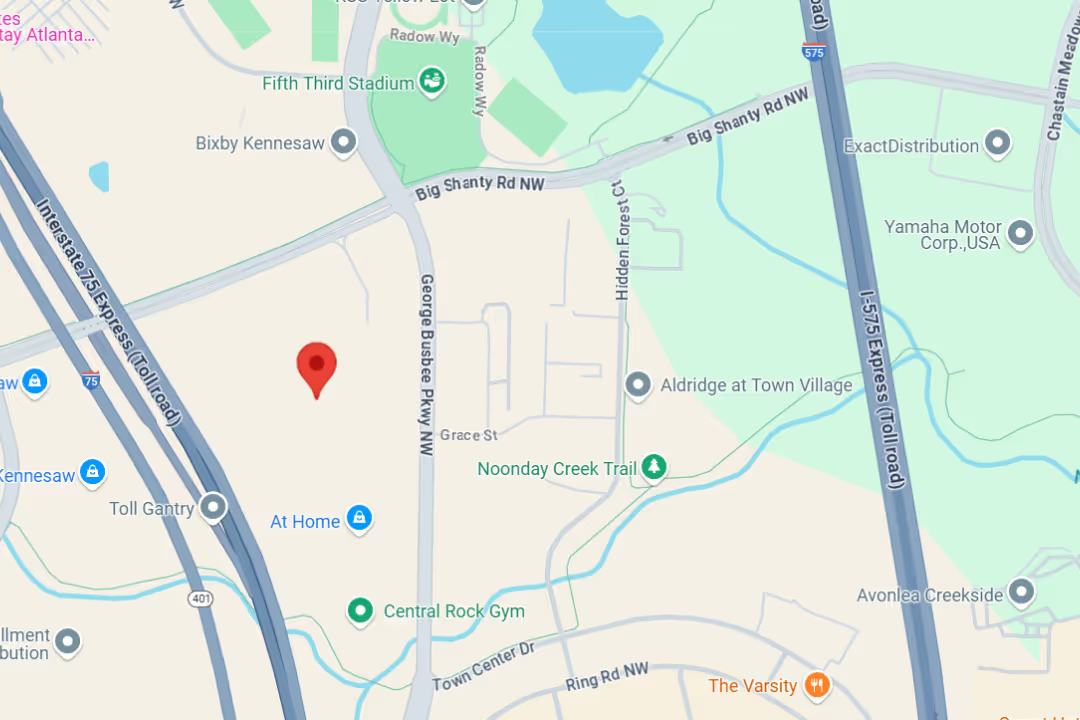
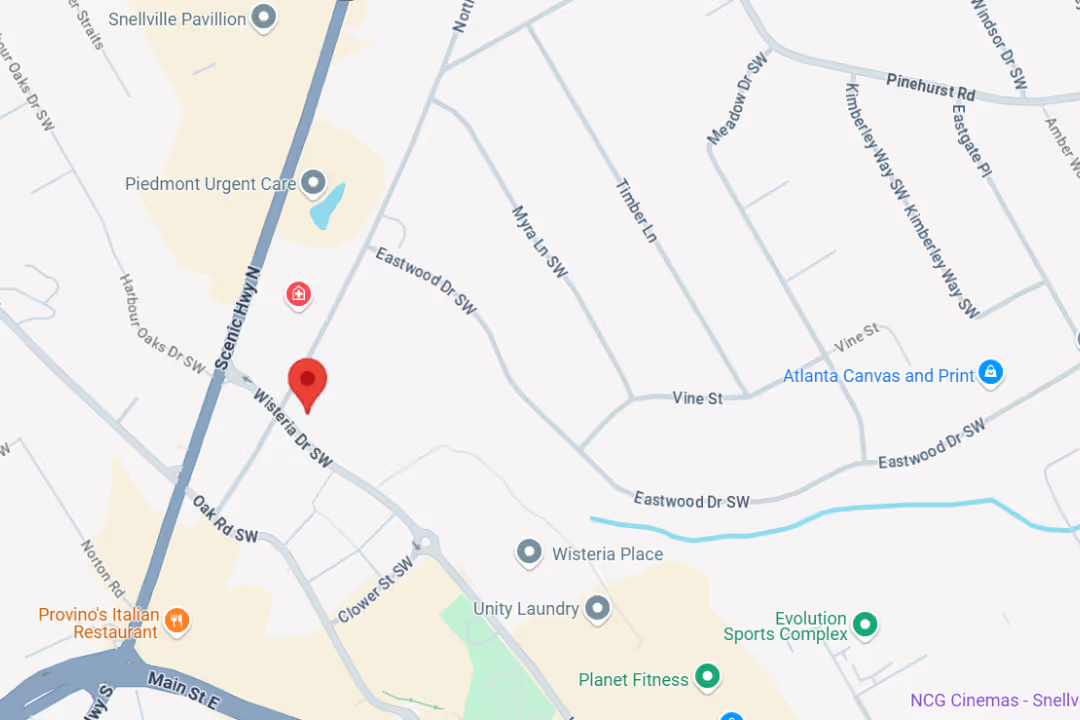
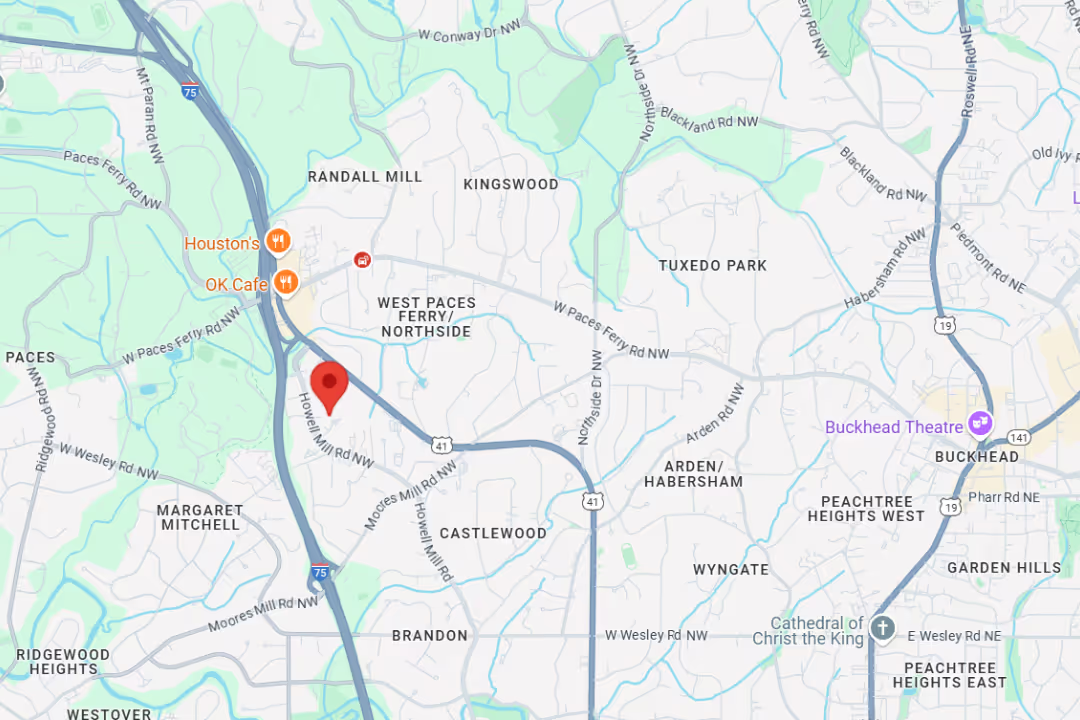
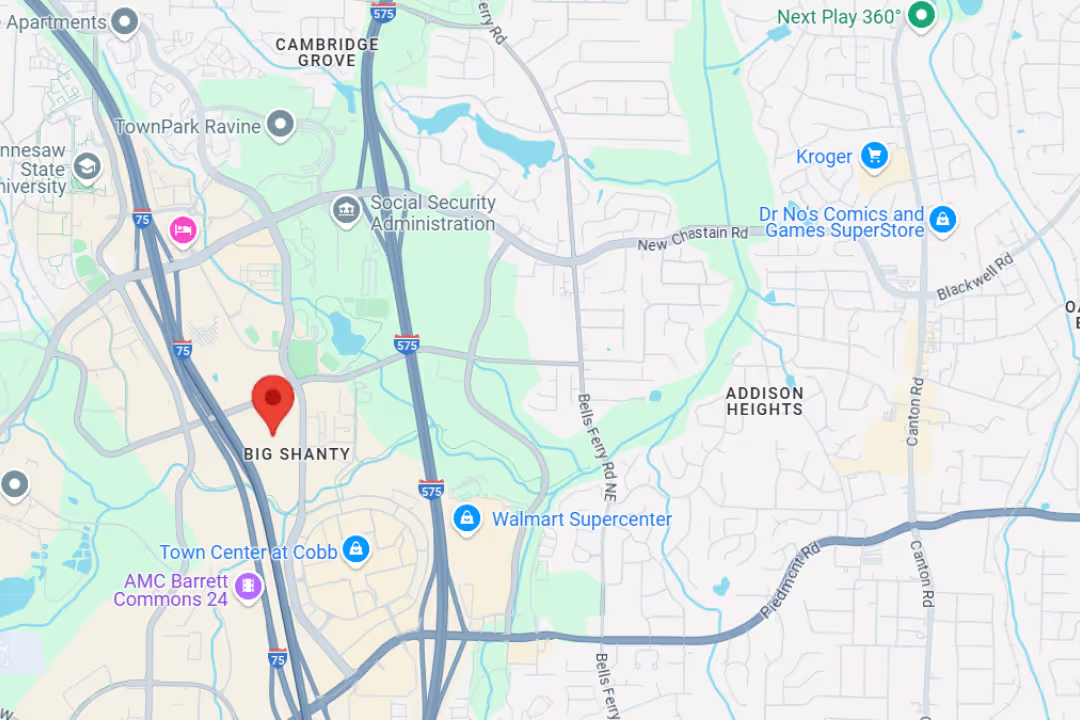
If you are located in Metro Atlanta- whether near our clinics in Buckhead, Kennesaw, and Snellville, or our ambulatory surgery centers in Marietta and Snellville- our team is here to support you. Let us help you take the first step toward lasting relief. Explore our comprehensive resources on Cervical Radiculopathy (Pinched Nerve) to learn more and schedule your consultation.
At Medici, you’re more than your MRI.
We take time to hear your story, understand your pain, and create a plan that actually works for you.

Our team delivers specialist care at convenient locations across Metro Atlanta:
Get expert tips on injury recovery, pain relief, joint health, and movement strategies—straight from our Fellowship-Trained team.