The Realistic Timeline for Healing De Quervain's Tenosynovitis

How Long Does De Quervain's Tenosynovitis Actually Take to Heal?

De Quervain recovery time depends on how you treat it — and how early you start.

Here's the short answer:

Treatment PathWhen You Start Feeling BetterFull Recovery
Rest, splinting, and NSAIDs4 to 6 weeks4 to 12 weeks
Corticosteroid injection1 to 2 weeks4 to 6 weeks
Tendon release surgeryA few weeks post-op6 weeks to 6 months

The good news? Most people don't need surgery. When treatment starts early, ideally within the first six months of symptoms, many patients recover fully with conservative care alone.

De Quervain's tenosynovitis is a painful condition affecting the tendons on the thumb side of the wrist. Specifically, the abductor pollicis longus and extensor pollicis brevis tendons become irritated as they pass through a narrow tunnel called the first dorsal compartment. The result is pain, swelling, and a weak grip that makes simple tasks (lifting a coffee cup, picking up a child, typing) genuinely difficult.

It affects roughly 1% of people in the U.S. each year, and is especially common in new parents, athletes, and people doing repetitive hand work.

The timeline for healing varies quite a bit from person to person. Severity, how long you've had symptoms, your occupation, and whether you need surgery all play a role. This guide breaks it all down so you know what to realistically expect at every stage.
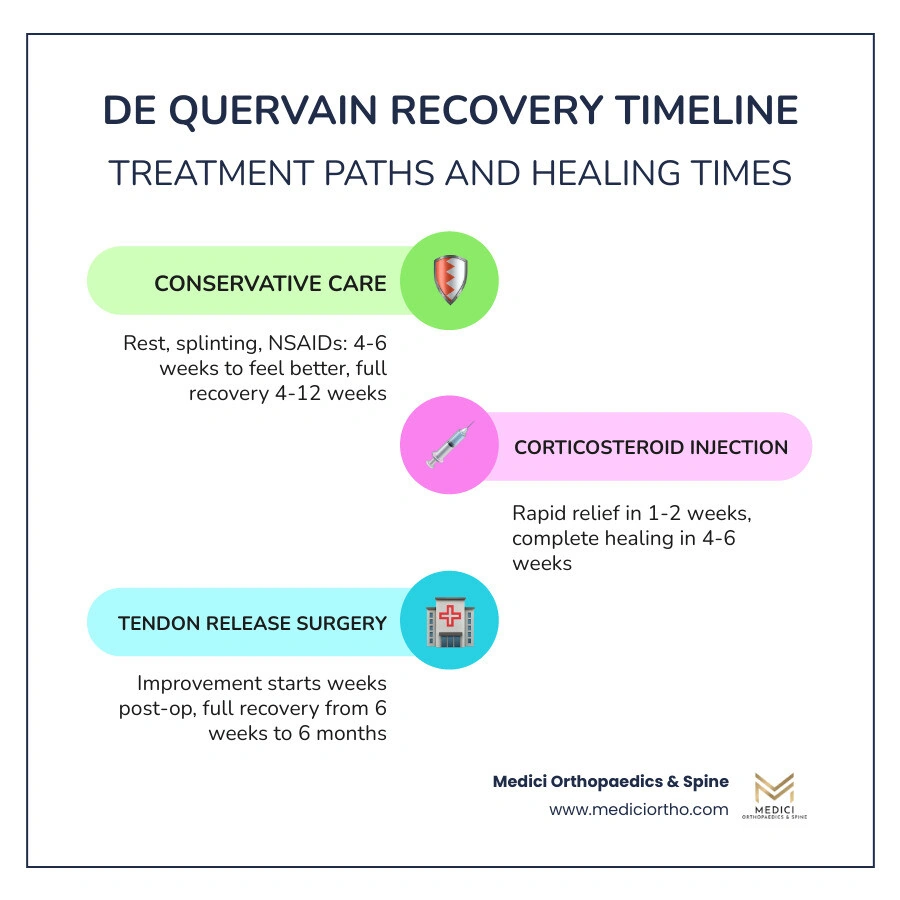
De Quervain's tenosynovitis causes, symptoms, and recovery timeline overview infographic

Conservative Treatment vs. Surgical De Quervain Recovery Time

When we evaluate patients at Medici Orthopaedics & Spine across our Metro Atlanta offices, our primary goal is always to explore non-surgical options first. For mild to moderate cases, conservative care is highly effective.

If we catch the condition early, most patients experience significant improvement within 4 to 6 weeks of dedicated conservative treatment. This approach typically combines several strategies:

  • Activity Modification: Avoiding the repetitive gripping, pinching, or twisting motions that triggered the inflammation in the first place.
  • Rigid Splinting: Wearing a specialized thumb spica splint that keeps the thumb and wrist immobilized. This prevents the tendons from rubbing against the swollen sheath, giving the tissues a chance to rest and heal. We usually recommend wearing this splint full-time for 2 to 4 weeks.
  • Anti-Inflammatory Medications: Utilizing over-the-counter NSAIDs (like ibuprofen or naproxen) or prescription-strength alternatives to manage pain and reduce localized swelling.

If rest and splinting aren't quite enough to break the cycle of pain, a corticosteroid injection is often our next line of defense. These targeted injections deliver powerful anti-inflammatory medication directly into the first dorsal compartment.

The timeline for steroid injection relief is remarkably swift:

  • Onset of Relief: Most patients begin to feel a noticeable reduction in pain within 1 to 2 weeks.
  • Peak Improvement: The maximum benefit of the injection is typically reached by 4 to 6 weeks.

For many people, a single injection combined with a brief period of splinting is enough to resolve the issue permanently. However, if symptoms persist after conservative management, surgery may be discussed. In fact, clinical studies indicate that about 22% of patients eventually convert to surgical release after conservative treatments fail to provide lasting relief.

To help you visualize the differences in recovery trajectories, we have outlined the typical pathways below:
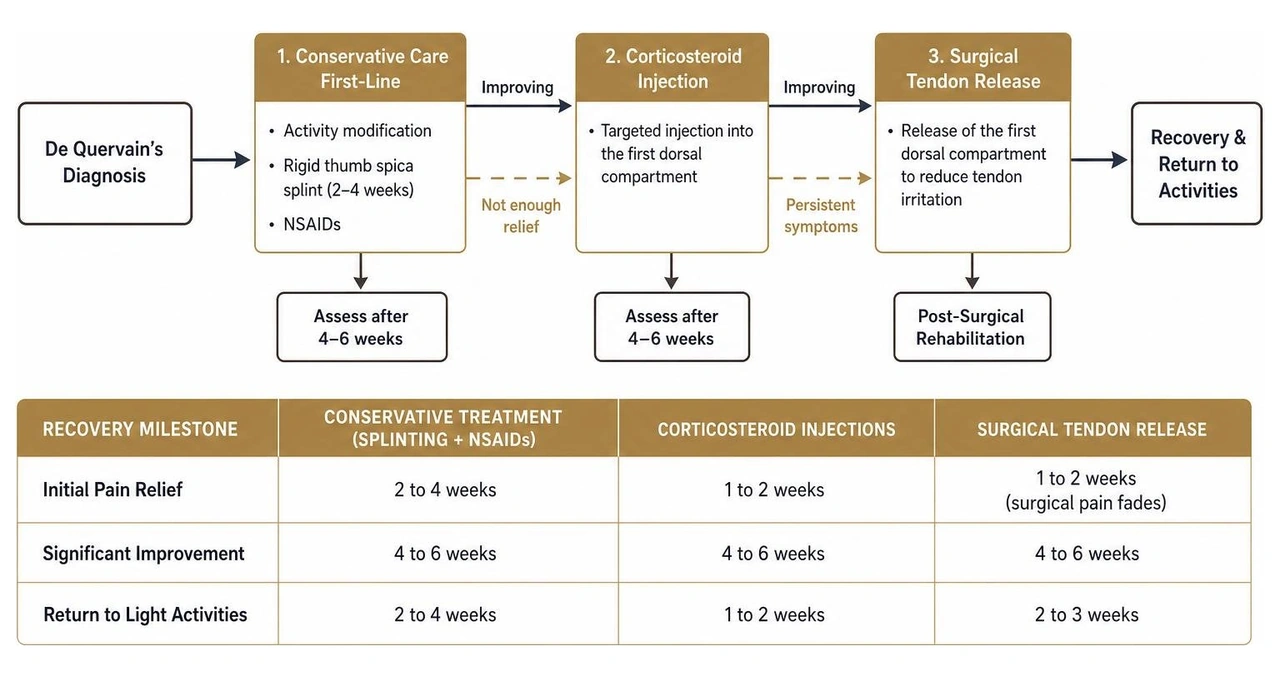
Step-by-step treatment algorithm from conservative care to surgical recovery

Recovery MilestoneConservative Treatment (Splinting + NSAIDs)Corticosteroid InjectionsSurgical Tendon Release
Initial Pain Relief2 to 4 weeks1 to 2 weeks1 to 2 weeks (surgical pain fades)
Significant Improvement4 to 6 weeks4 to 6 weeks4 to 6 weeks
Return to Light Activities2 to 4 weeks1 to 2 weeks2 to 3 weeks
Full Hand Healing6 to 12 weeks6 to 8 weeks6 to 12 weeks (up to 6 months for heavy labor)

For a deeper dive into the symptoms and clinical evaluation of this condition, you can read More info about De Quervain's Tenosynovitis.

What to Expect After De Quervain’s Tendon Release Surgery

When conservative therapies have been exhausted, or if severe symptoms are severely limiting your daily function, De Quervain’s tendon release surgery is an exceptionally reliable option.

This outpatient procedure is incredibly straightforward. It is typically performed under local anesthesia and takes only 15 to 30 minutes. During the procedure, the surgeon makes a small incision over the thumb side of the wrist to access the first dorsal compartment. By carefully cutting open the thickened tendon sheath, we release the pressure, allowing the abductor pollicis longus and extensor pollicis brevis tendons to glide freely without friction.

The success rate of this surgery is outstanding, approaching 95%. Complications are rare, and the risk of recurrence is incredibly low once the tendon sheath is properly released. However, a successful surgery is only the first step; your daily habits and wound care during the de quervain recovery time will dictate how smoothly your hand heals.

Caring for your wrist incision and hand elevation post-surgery

The Immediate Post-Operative Phase (Weeks 1 to 2)

The first fortnight after surgery is focused on protecting the surgical site, managing swelling, and allowing the skin incision to close.

  • Wound Care and Stitches: Your wrist will be wrapped in a soft bandage, sometimes supported by a light splint. It is vital to keep this dressing completely dry. Your surgical team will remove your stitches 10 to 14 days after surgery. Once the stitches are out, you can wash the area gently with warm, soapy water, but you must avoid soaking the hand in a bath or pool until cleared by your doctor. Pro-tip: Never use hydrogen peroxide or rubbing alcohol on the healing incision, as these can damage the delicate new tissue and delay skin healing.
  • Ice and Elevation: To keep post-operative swelling and throbbing at bay, elevate your wrist above the level of your heart as often as possible when sitting or lying down. Apply an ice pack wrapped in a thin towel for 10 to 20 minutes every 1 to 2 hours during the first 3 days.
  • Gentle Movement: While you must avoid lifting anything heavier than a cup of water, we encourage you to gently bend and wiggle your fingers throughout the day. This keeps your hand from stiffening up and promotes healthy circulation.
  • Sensory Changes: It is entirely normal to experience some mild numbness or tingling near the incision line. The tiny sensory branches of the radial nerve run directly over the surgical area and can get temporarily irritated by the procedure. This sensation usually resolves gradually over several weeks to months.

The Intermediate Healing Phase (Weeks 3 to 6)

Once your sutures are removed, you will transition into the intermediate phase of healing, where the focus shifts from protection to restoring motion.

  • Splint Weaning: Depending on your surgeon's recommendation, you may have worn a splint for the first 1 to 4 weeks. During this intermediate phase, we will guide you to gradually spend more time out of the splint to prevent joint stiffness.
  • Scar Tissue Management: As the incision heals, scar tissue forms beneath the skin. Gently massaging the fully closed incision with a fragrance-free lotion can help soften the scar, prevent the skin from adhering to the underlying tissues, and reduce localized sensitivity.
  • Gentle Stretching: You will begin light, pain-free stretching exercises for your thumb and wrist to restore your normal range of motion.
  • Returning to Light Activities: Most patients can return to light desk work or typing within a few days of surgery, provided they take frequent breaks. Driving is usually safe once you can firmly grip the steering wheel with both hands and make quick, evasive maneuvers without distracting pain—a milestone most reach around the 2-week mark.

Full Recovery and Long-Term Outcomes (Weeks 6 to 12+)

By the time you reach the 6 to 12-week mark, the deep tissues of your hand are reaching complete healing.

  • Returning to Heavy Labor and Sports: If your job involves heavy manual labor, repetitive lifting, or operating vibrating power tools, you may need to wait 4 to 6 weeks before returning to full duty. Returning to high-impact sports or activities that place heavy stress on the wrist should only be done once you have regained full grip strength and are completely pain-free.
  • The Six-Month Window: While most patients feel vastly better within a month or two, don't be discouraged if you experience occasional mild aches or stiffness. A full, 100% recovery—where you completely forget you ever had surgery—can take up to six months.
  • Preventing Recurrence: To protect your wrists long-term, integrate ergonomic adjustments into your daily routine. Use ergonomic keyboards, modify your lifting techniques (such as scooping up a baby with your forearms rather than pinching with your thumbs), and take regular breaks during repetitive tasks.

Factors That Influence Your De Quervain Recovery Time

No two wrists are exactly alike, and several clinical and lifestyle factors can shift your healing timeline.

  • Symptom Severity and Duration: If you seek treatment early—specifically within the first six months of symptom onset—your chances of a rapid, non-surgical recovery are incredibly high. If the condition is left untreated for many months, the tendon sheath can become severely thickened and fibrotic, making conservative treatments less effective and prolonging your overall recovery.
  • Traumatic vs. Non-Traumatic Onset: De Quervain’s that develops suddenly due to a direct wrist injury or acute trauma tends to be more stubborn. Research shows that patients with a traumatic onset often experience more severe initial pain and have a higher rate of eventually requiring surgical intervention (about 53% compared to 39% for non-traumatic cases).
  • Pregnancy and Postpartum Status: De Quervain's is famously referred to as "Mommy Thumb." Hormonal fluctuations during pregnancy and breastfeeding cause fluid retention and increased ligament laxity, which narrows the first dorsal compartment. Combined with the repetitive motion of lifting a newborn, new mothers are highly susceptible. The good news? Postpartum De Quervain’s often resolves on its own once breastfeeding ends and hormone levels normalize.
  • Occupational and Daily Demands: If your daily life requires repetitive pinching, grasping, or typing, your recovery may take longer unless you strictly adhere to activity modifications.

For a comprehensive medical breakdown of the anatomical structures involved in this condition, you can explore the Scientific research on de Quervain tendinopathy.

How Physical Therapy Accelerates De Quervain Recovery Time

Whether you are recovering from surgery or pursuing a non-surgical path, professional hand therapy is one of the most powerful tools at your disposal.

Working with a skilled physical or occupational therapist can dramatically compress your de quervain recovery time. A structured rehabilitation program typically includes:

  1. Passive Range of Motion (ROM): Gentle, therapist-guided stretches to maintain joint flexibility without straining the healing tendons.
  2. Tendon Gliding Exercises: Specialized movements designed to keep the abductor pollicis longus and extensor pollicis brevis sliding smoothly through their sheath, preventing restrictive scar tissue adhesions.
  3. Progressive Strengthening: Once pain is controlled, we introduce targeted exercises using soft putty, resistance bands, or grip balls to rebuild lost hand and forearm strength.
  4. Ergonomic Education: We teach you how to modify your workspace and lifting postures to minimize stress on your radial wrist.

To learn more about how we structure our rehabilitation programs, check out our More info about physical therapy services and read our guide on Physical therapy for sports injuries.

Managing Complications to Protect Your De Quervain Recovery Time

While De Quervain's treatments are highly successful, complications can occasionally arise. Recognizing the warning signs early is essential to keeping your recovery on track.

Contact us or seek immediate medical attention if you notice any of the following:

  • Signs of Infection: A fever, spreading redness or warmth around the incision, increased swelling, or pus draining from the wound.
  • Persistent Numbness: Severe, unchanging numbness or shooting pain on the back of your thumb or hand, which could indicate direct injury or prolonged compression of the superficial radial nerve.
  • Tendon Subluxation: A slipping or popping sensation of the tendons over the bone when you move your thumb, which can happen if the supporting tissues are released too aggressively.
  • A Tight Cast or Splint: If your post-operative dressing feels excessively tight, causing your fingers to turn cold, pale, or blue.

For detailed home care instructions and safety guidelines, you can review De Quervain's Tendon Release: What to Expect at Home.

Frequently Asked Questions About De Quervain's Recovery

What is the fastest way to cure De Quervain’s tenosynovitis?

For rapid pain relief, a corticosteroid injection combined with a rigid thumb spica splint is highly effective. The injection directly targets and reduces the painful swelling of the tendon sheath, with most patients experiencing a significant drop in pain within 1 to 2 weeks.

Can De Quervain’s tenosynovitis go away on its own?

In very mild, early-stage cases, symptoms may resolve with rest, ice, and avoiding repetitive wrist movements. However, because De Quervain's is typically a progressive condition, ignoring the pain often leads to chronic inflammation, tendon sheath thickening, and potential permanent loss of hand function. Early medical intervention is always recommended.

When can I return to work and driving after surgery?

It depends entirely on your daily tasks:

  • Desk/Office Work: You can typically return within 2 to 3 days, provided you take regular breaks and avoid heavy typing with the affected hand.
  • Light Manual Labor: Usually safe after 2 to 3 weeks.
  • Heavy Manual Labor/Sports: Generally requires 4 to 6 weeks of recovery to ensure the tendons have fully healed.
  • Driving: You can drive once you can firmly grip the steering wheel and react quickly without pain, which usually takes about 1 to 2 weeks.

Conclusion

Whether your healing journey involves conservative splinting, a quick steroid injection, or a minor outpatient surgical release, understanding your expected de quervain recovery time helps you plan your life and protect your hands.

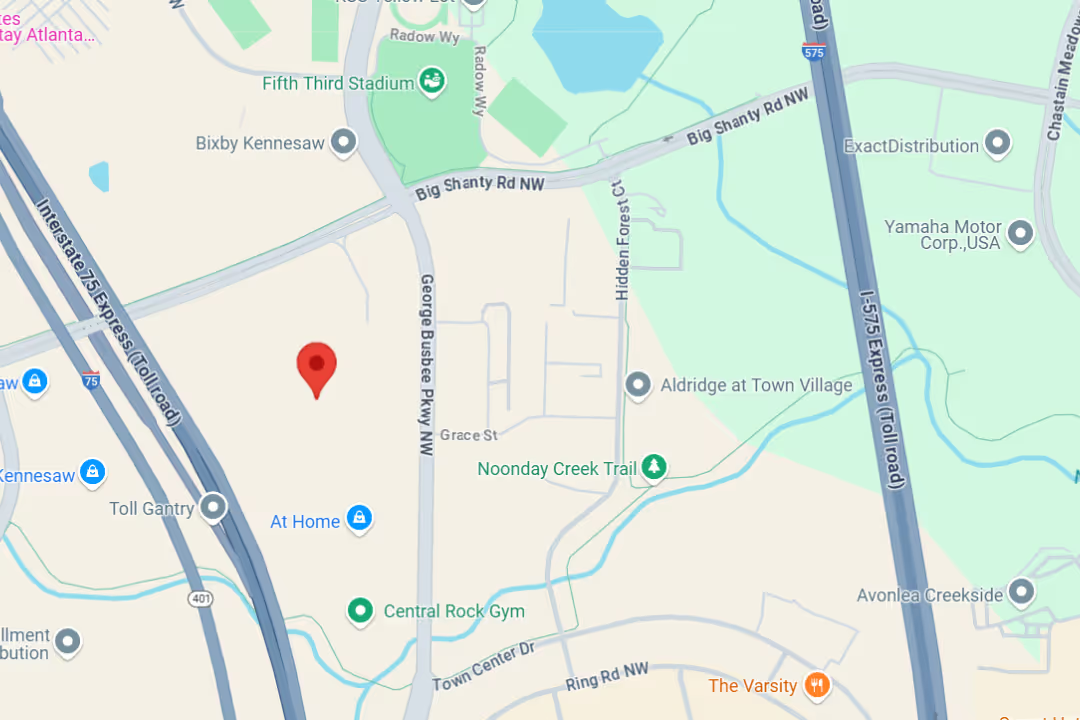
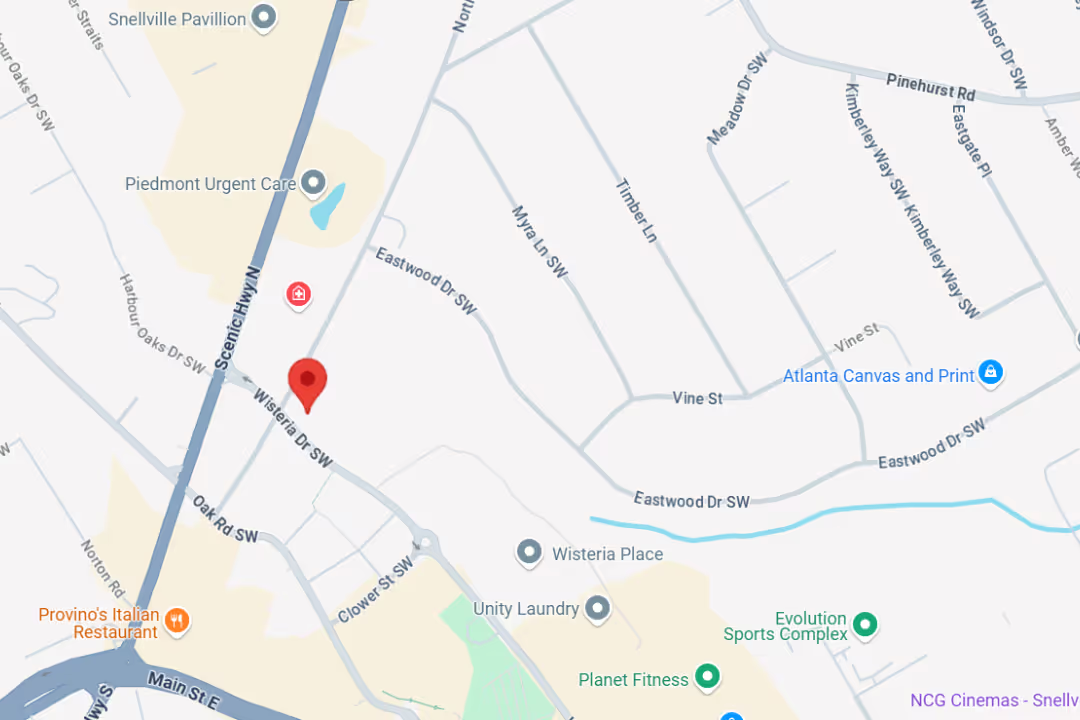
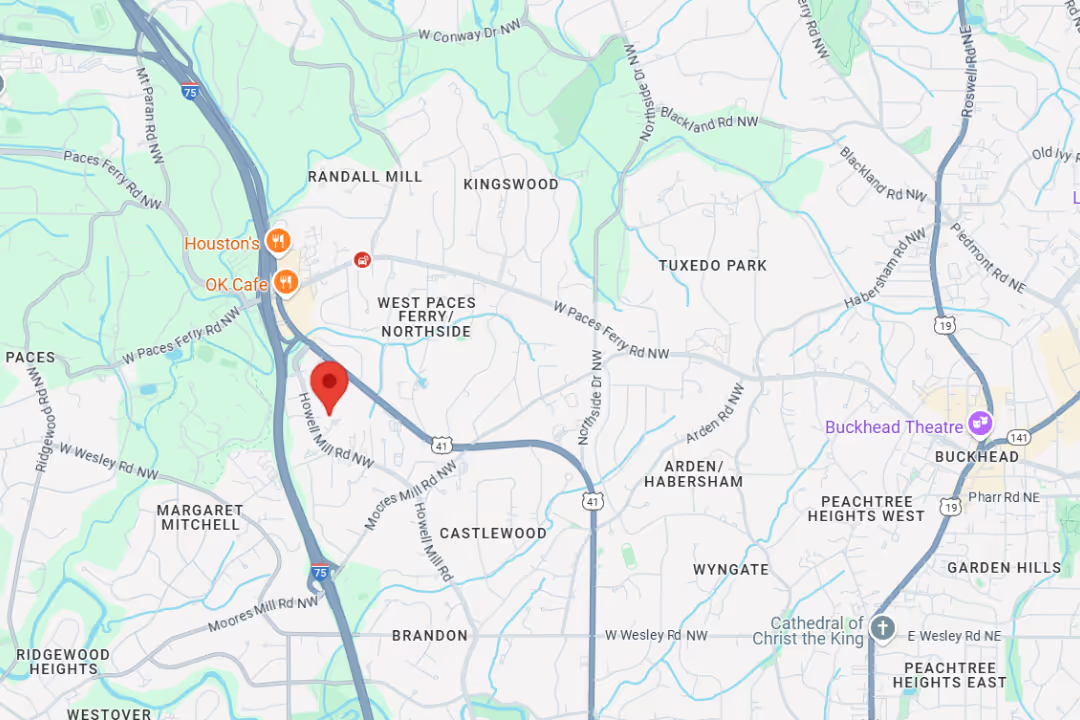
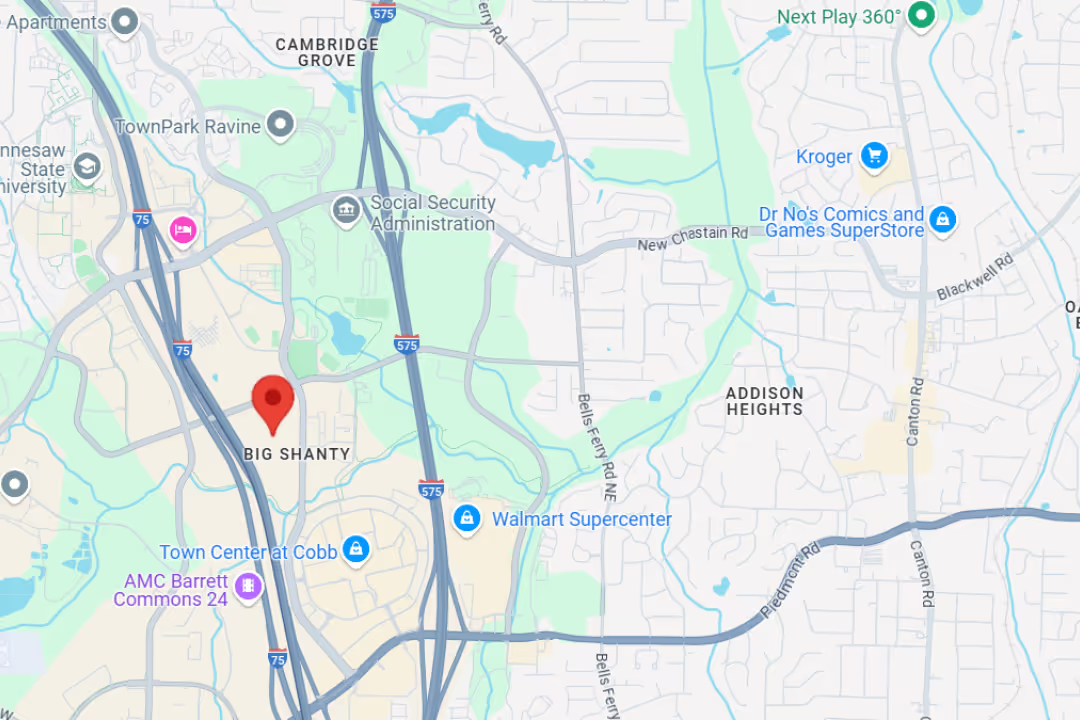
At Medici Orthopaedics & Spine, Dr. Sonny Dosanjh and our dedicated orthopedic team are committed to delivering integrated, patient-centered care. We believe in a stepwise, minimally invasive approach tailored specifically to your lifestyle and recovery goals. With convenient clinics and state-of-the-art ambulatory surgery centers across Marietta, Snellville, Kennesaw, and Buckhead, we are here to help you move past wrist pain and optimally restore your quality of life.

Don't let thumb and wrist pain hold you back any longer. Schedule a consultation for De Quervain's Tenosynovitis with our team today.

Tired of Feeling
Like Just Another
Chart?

At Medici, you’re more than your MRI.
We take time to hear your story, understand your pain, and create a plan that actually works for you.

Smiling woman with blonde hair wearing navy medical scrubs with hands behind her back.