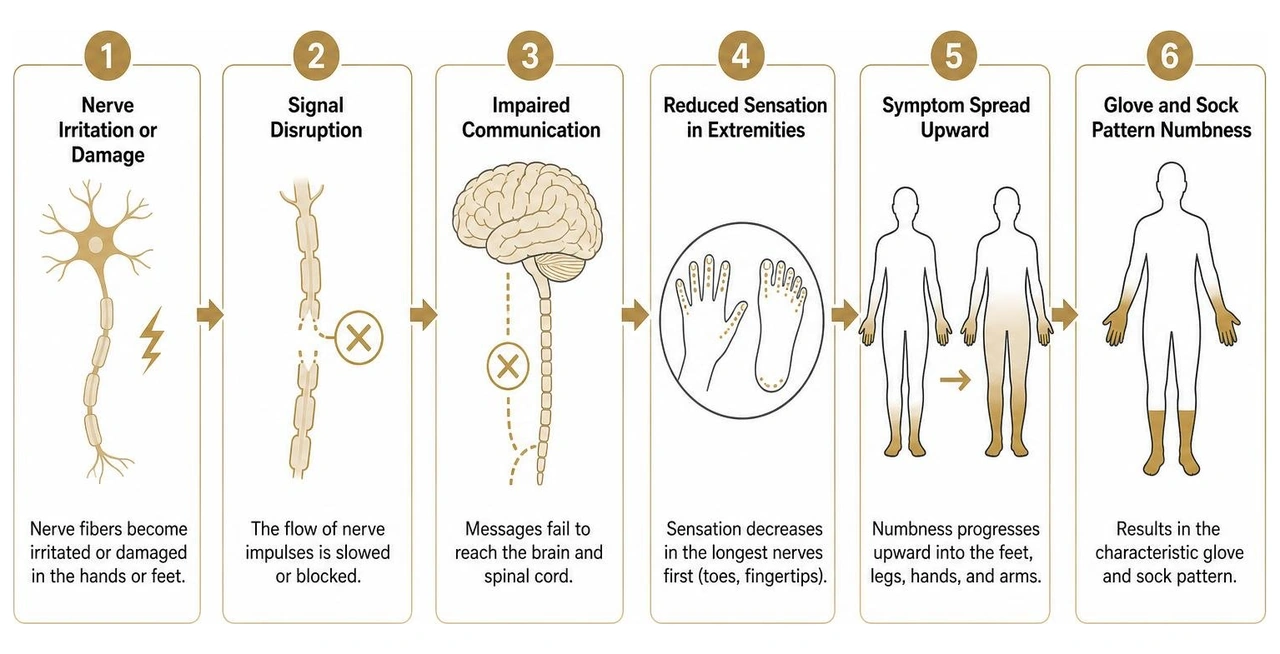
When sensory receptors in your skin, muscles, or joints experience irritation or interruption, the flow of nerve impulses to your central nervous system slows down or stops completely. This breakdown in communication leads to sensory loss, often experienced as uncomfortable tingling, burning sensations, or a complete loss of feeling.
Your peripheral nervous system acts like a high-speed communication network connecting your brain and spinal cord to the rest of your body. When this network is compromised, you lose important tactile feedback. This tactile awareness tells your brain where your limbs are in space, how hard you are gripping an object, or whether the floor beneath you is slippery.
Losing this spatial awareness is not just inconvenient—it significantly increases fall risk and makes simple daily tasks challenging. To learn more about how sensory loss impacts your daily health, see this expert breakdown on understanding sensory loss.
The physical sensations associated with nerve disruption vary greatly from person to person depending on which specific nerve fibers are involved:
For many individuals, early nerve issues follow a distinct "glove and sock" pattern. Because the body's longest nerve fibers are usually affected first, symptoms typically begin in the toes or fingertips before gradually spreading upward into the feet, calves, hands, and arms.
This bilateral onset—occurring on both sides of the body simultaneously—is a hallmark sign of polyneuropathy. Many patients notice that their symptoms worsen at night, making it difficult to find a comfortable sleeping position.
In some cases, individuals experience touch hypersensitivity (allodynia), where even light pressure, such as the weight of a bedsheet or pair of socks, triggers sharp pain or intense burning sensations. If you are noticing these early changes, check out our guide on what causes tingling and numbness in hands and feet.
To choose the right treatment path, you must first understand whether your symptoms stem from systemic conditions (affecting the entire body) or structural nerve pressure (a localized physical pinch).
| Category | Primary Causes | Typical Symptom Pattern | Key Features |
|---|---|---|---|
| Systemic Neuropathy | Diabetes, B12 deficiency, high blood pressure, alcohol toxicity | Symmetrical (both hands/feet), gradual onset | Begins in toes/fingers ("glove and sock"), often paired with burning pain |
| Nerve Entrapment | Carpal tunnel, cubital tunnel, tarsal tunnel | Localized to specific digits or anatomical zones | Sharp, electric pain; positional; worsens with specific mechanical strain |
| Spinal Nerve Compression | Cervical radiculopathy, lumbar herniated disc | Radiates down one arm or leg into the extremity | Stemming from neck or lower back; exacerbated by moving the spine |
For additional clinical insights on peripheral conditions, explore the MedlinePlus guide to numbness.
Diabetic peripheral neuropathy is the single most frequent cause of chronic numb extremities. Uncontrolled high blood glucose and elevated blood fats (triglycerides) over time damage delicate blood vessels that supply oxygen and nutrients to peripheral nerves.
Up to half of all individuals with diabetes develop neuropathy, and about two-thirds suffer from mild to severe nerve damage. Learn more about managing this condition through our deep-dive on Diabetic Neuropathy.
Beyond diabetes, other systemic factors include:
Structural issues occur when nerves are physically squeezed by tight anatomical tunnels, swollen tendons, or displaced spinal discs:
Finding the exact root cause of your hands and feet feeling numb requires a thorough clinical workup. At Medici Orthopaedics & Spine, we begin with a complete symptom history and detailed physical examination. You can review the MSD Manual on neurological diagnostic testing for a comprehensive look at how specialists evaluate these symptoms.
During your clinical visit, our physicians perform several non-invasive bedside tests to map sensory function:
To confirm a diagnosis or locate exact nerve compressions, we utilize advanced diagnostic tools:
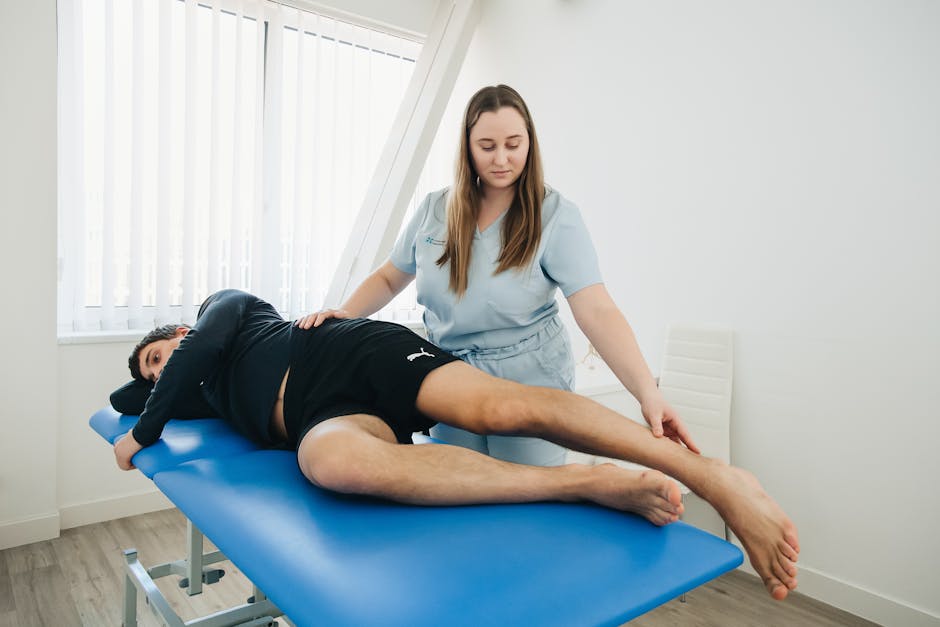
Managing numbness successfully requires a personal treatment plan targeting the primary cause while reducing daily discomfort and restoring your mobility. Review this detailed guide from Medical Daily on nerve damage signs for insight on long-term management.
At Medici Orthopaedics & Spine, we specialize in minimally invasive, non-surgical therapies that relieve pain and support nerve recovery:
Explore how we build personalized care plans in our guide on Diabetic Neuropathy Treatments That Improve Daily Life.
Alongside professional medical treatment, adopting simple daily habits can make a huge difference in managing your symptoms:
For more helpful home management tips, review our answers to What Are the Best At-Home Remedies for Nerve Pain.

While occasional temporary numbness from sitting awkwardly is nothing to worry about, persistent or spreading symptoms require professional evaluation.
Seek immediate emergency medical attention (call 911) if your numbness occurs suddenly alongside any of these red flag warning signs, as outlined in the Acibadem guide to neuromuscular warning signs:
For non-emergency situations, schedule a consultation with our team if your symptoms last longer than a few days, gradually worsen over time, interrupt your sleep, or interfere with your ability to perform daily tasks like walking or buttoning clothes.
Yes, chronic numb hands and feet carry real safety risks. Sensory loss makes it difficult to feel extreme heat, sharp objects, or minor foot injuries, which can lead to unnoticed ulcers, severe skin infections, or burns. Additionally, losing sensory feedback in your feet compromises your spatial awareness and balance, significantly increasing fall risk.
Yes! During periods of high stress, panic, or anxiety, rapid breathing (hyperventilation) alters blood chemistry by lowering carbon dioxide levels. This chemical shift increases peripheral nerve excitability, causing transient "pins and needles" sensations in your fingers, toes, and around your mouth that fade once your breathing normalizes.
In many cases, peripheral nerve damage can be managed, stabilized, or partially reversed—especially if caught early. Addressing the underlying cause (such as correcting a vitamin B12 deficiency, optimizing blood sugar control, or removing physical pressure from a compressed spinal nerve) allows peripheral nerve fibers to heal and regenerate over time.
Experiencing hands and feet feeling numb is your body's clear signal that your peripheral nervous system needs attention. Whether your symptoms stem from a pinched spinal nerve, an entrapment issue like carpal tunnel, or diabetic peripheral neuropathy, getting an accurate diagnosis early is key to preventing long-term nerve damage.
At Medici Orthopaedics & Spine, Dr. Sonny Dosanjh, M.D., and our care team deliver minimally invasive, non-surgical treatments tailored to your unique needs. We bring together advanced interventional spine care, physical therapy, hyperbaric oxygen therapy, and spinal cord stimulation under one roof to restore your mobility, reduce your pain, and improve your overall quality of life.
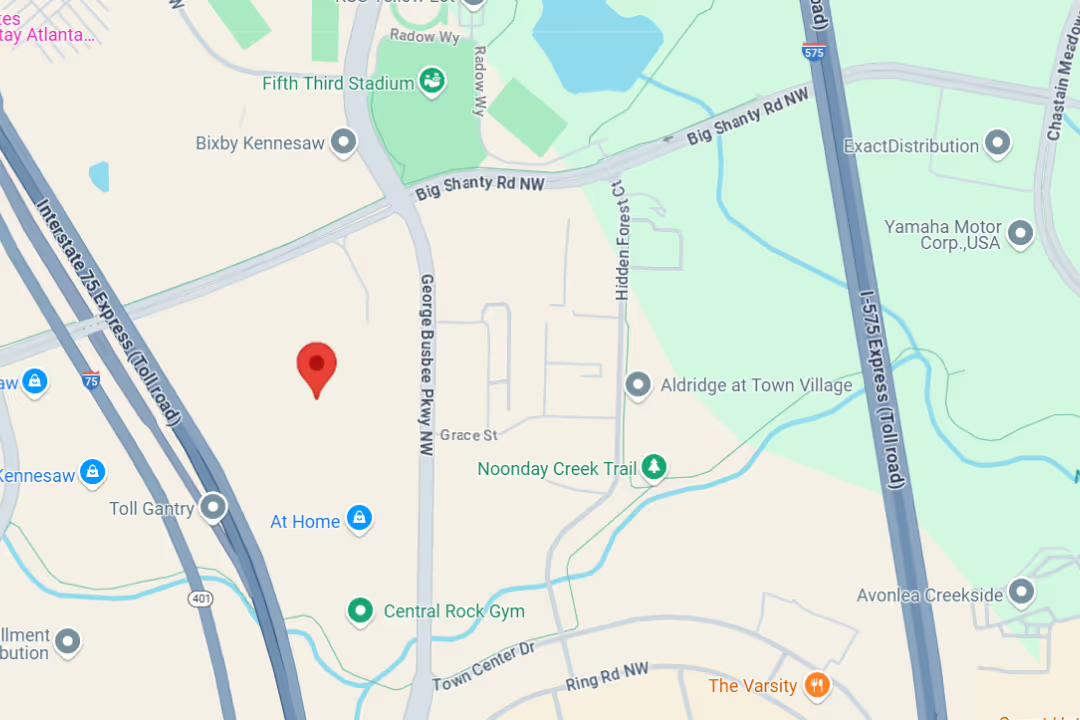
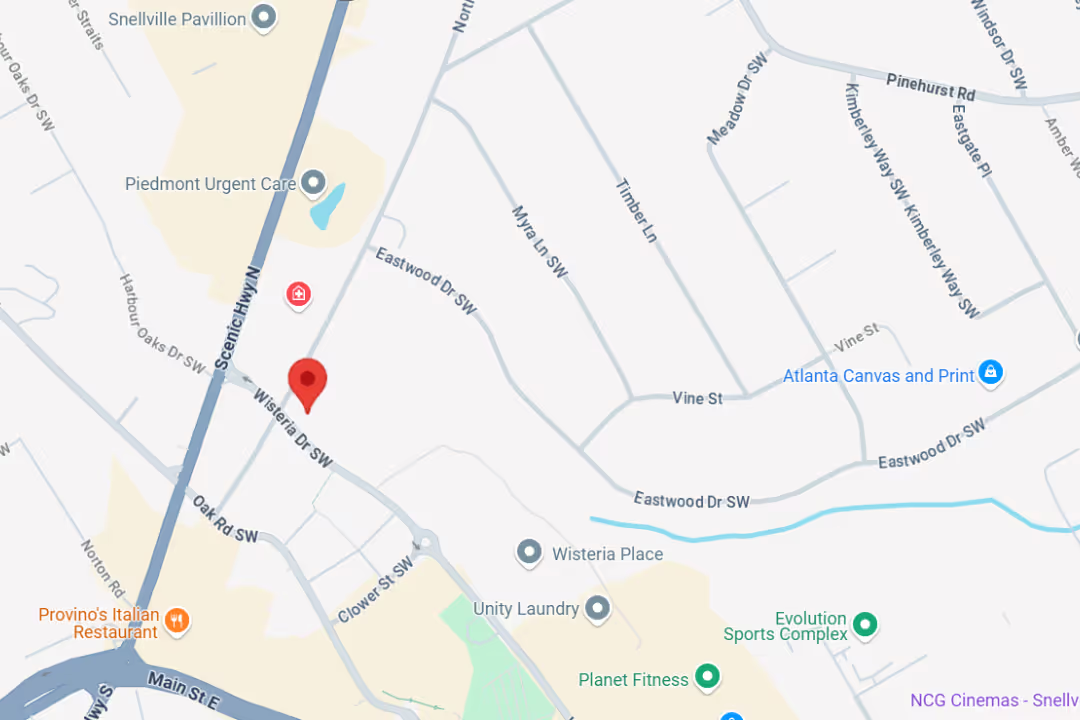
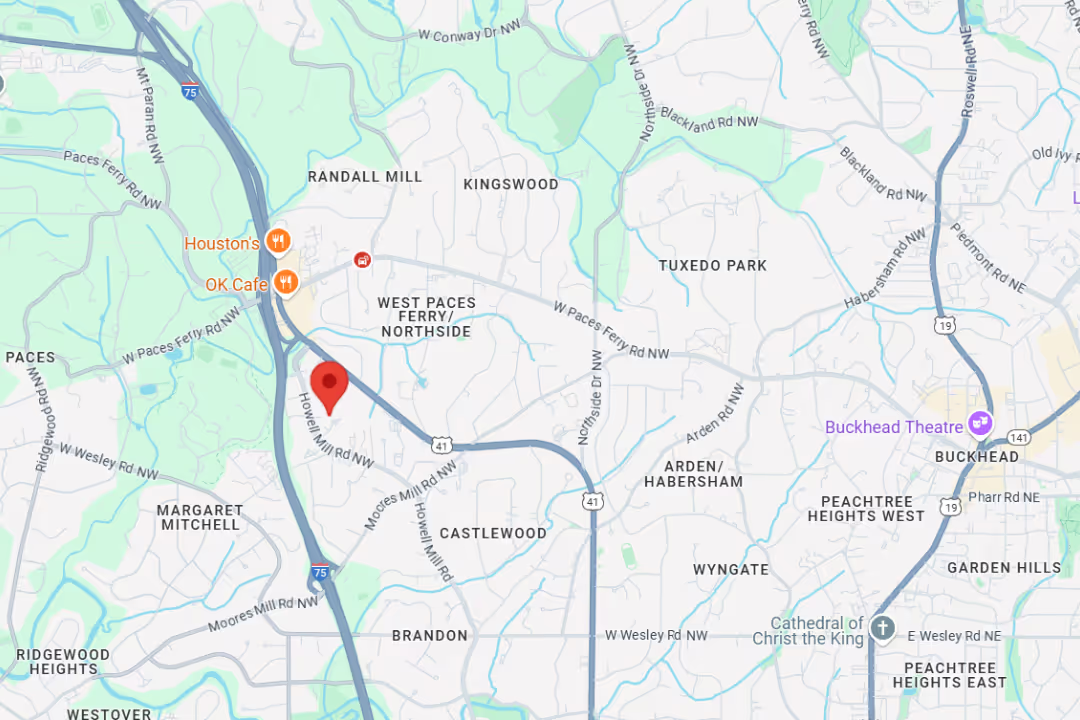
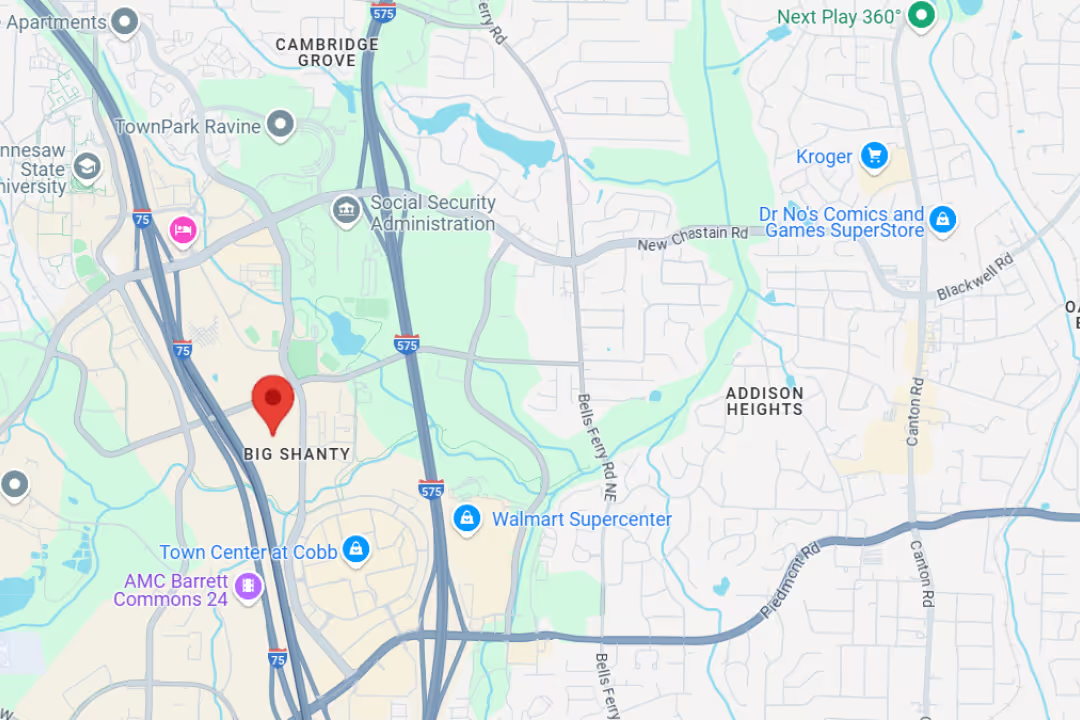
Do not wait for numbness to interfere with your independence. Contact our Georgia clinic locations in Snellville, Kennesaw, Buckhead, Marietta, or Atlanta today or schedule your appointment online to start your journey toward relief. For further reading on hand symptom relief, see our recommendations on How to Relieve Tingling Sensation in Hands Naturally.
At Medici, you’re more than your MRI.
We take time to hear your story, understand your pain, and create a plan that actually works for you.

Our team delivers specialist care at convenient locations across Metro Atlanta:
Get expert tips on injury recovery, pain relief, joint health, and movement strategies—straight from our Fellowship-Trained team.