Interventional spine pain care is a category of minimally invasive, non-surgical treatments designed to find and treat the exact source of your spine pain — rather than masking it with medication or jumping straight to surgery.
Quick answer: What is interventional spine pain care?
Chronic low back pain affects roughly 8% of American adults, and it's the leading cause of disability worldwide. Yet millions of people spend years cycling through the same dead ends — anti-inflammatories that upset the stomach, opioids that lose their edge, or a referral for surgery that feels like too big a step.
There's a middle path. Interventional spine care sits between "take this pill" and "go under the knife." It uses image-guided precision to deliver relief exactly where it's needed — and for many patients, it's the turning point that finally lets them get back to the activities they love.
At Medici Orthopaedics & Spine, that's exactly the kind of care we're built around: evidence-informed, personalized, and focused on getting you moving again.
To understand interventional spine pain care, it helps to think of your spine as a highly complex, multi-lane highway. When there is a traffic jam (pain), traditional treatments like oral medications attempt to clear the road by spraying a general mist over the entire highway system. This might dull the pain slightly, but it rarely clears the actual blockage and often brings unwanted side effects.
Interventional spine medicine, on the other hand, is like sending a precision drone directly to the exact mile marker where the accident occurred.
Historically, patients dealing with chronic spinal discomfort were left with very few choices: push through the pain, take heavy prescription medications indefinitely, or undergo major open back surgery. Interventional care bridges this gap. It is a subspecialty of medicine—often championed by board-certified physiatrists (physical medicine and rehabilitation specialists) and pain anesthesiologists—that utilizes minimally invasive, outpatient procedures to diagnose and treat pain at its anatomical origin.
By integrating advanced diagnostics with targeted therapies, we can pinpoint whether your pain is radiating from a herniated disc, a worn-down facet joint, or an irritated nerve root. This highly focused approach is at the core of our philosophy. To explore how these therapies fit into a broader wellness plan, you can read more about our approach to non-surgical spine treatment in Georgia.
For many years, the medical community relied heavily on prescription opioids to manage chronic back and neck pain. However, as we look at the clinical landscape in July 2026, the consensus has shifted dramatically. Opioids do not heal the spine; they merely quiet the brain's perception of pain, all while carrying significant risks of dependency, tolerance, and systemic side effects.
Interventional spine procedures offer a safer, more sustainable alternative. By delivering anti-inflammatory agents or therapeutic energy (such as heat) directly to the painful structure, we can achieve substantial, localized relief. This targeted approach is designed to:
Knowing when to transition from basic conservative care to a more targeted approach is a critical step in your recovery journey. If you are unsure of your next steps, read our guide on when to see a spine care specialist in Georgia to learn how to identify the signs that it is time for professional intervention.
The human spine is a marvel of engineering, but its many moving parts mean there are multiple potential sources of pain. Interventional spine care is highly effective for a wide range of degenerative, inflammatory, and structural spinal conditions.
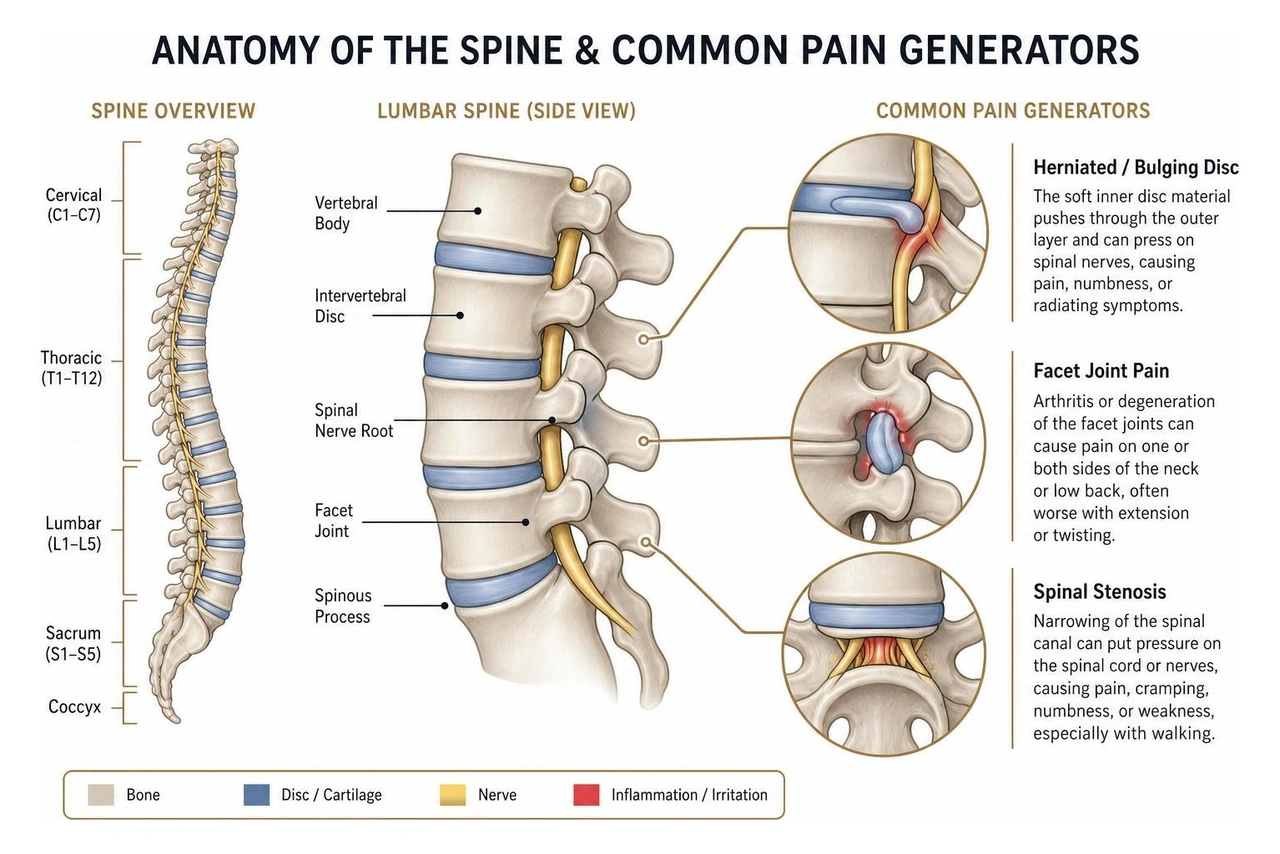
Some of the most common conditions we treat using these advanced techniques include:
If you live in the Metro Atlanta area and are searching for localized, expert care for these conditions, you can find specialized support from a non-surgical spine specialist in Snellville to help you navigate your recovery options.
Not everyone with a backache needs an interventional procedure. In fact, we believe in starting with the least invasive options first.
Determining whether you are a prime candidate for an interventional procedure involves a thorough, step-by-step clinical evaluation. Generally, you may be an ideal candidate if:
If you are experiencing persistent pain and wondering about your eligibility for these advanced therapies, check out our resource on when should I see a spine care specialist in Georgia for a detailed breakdown of candidate criteria.
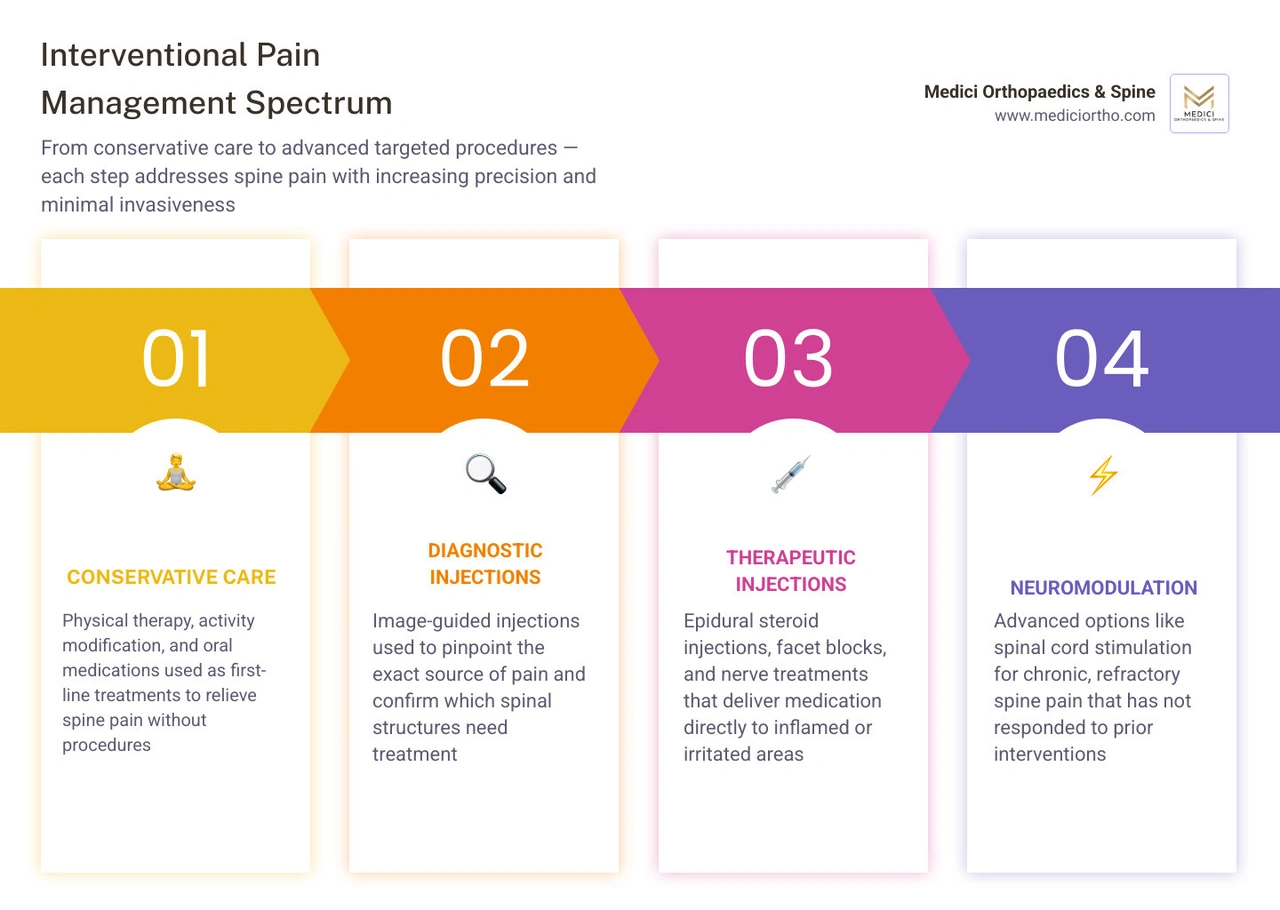
When conservative treatments aren't enough, we utilize several primary, evidence-based interventional procedures to target spine pain at its source.
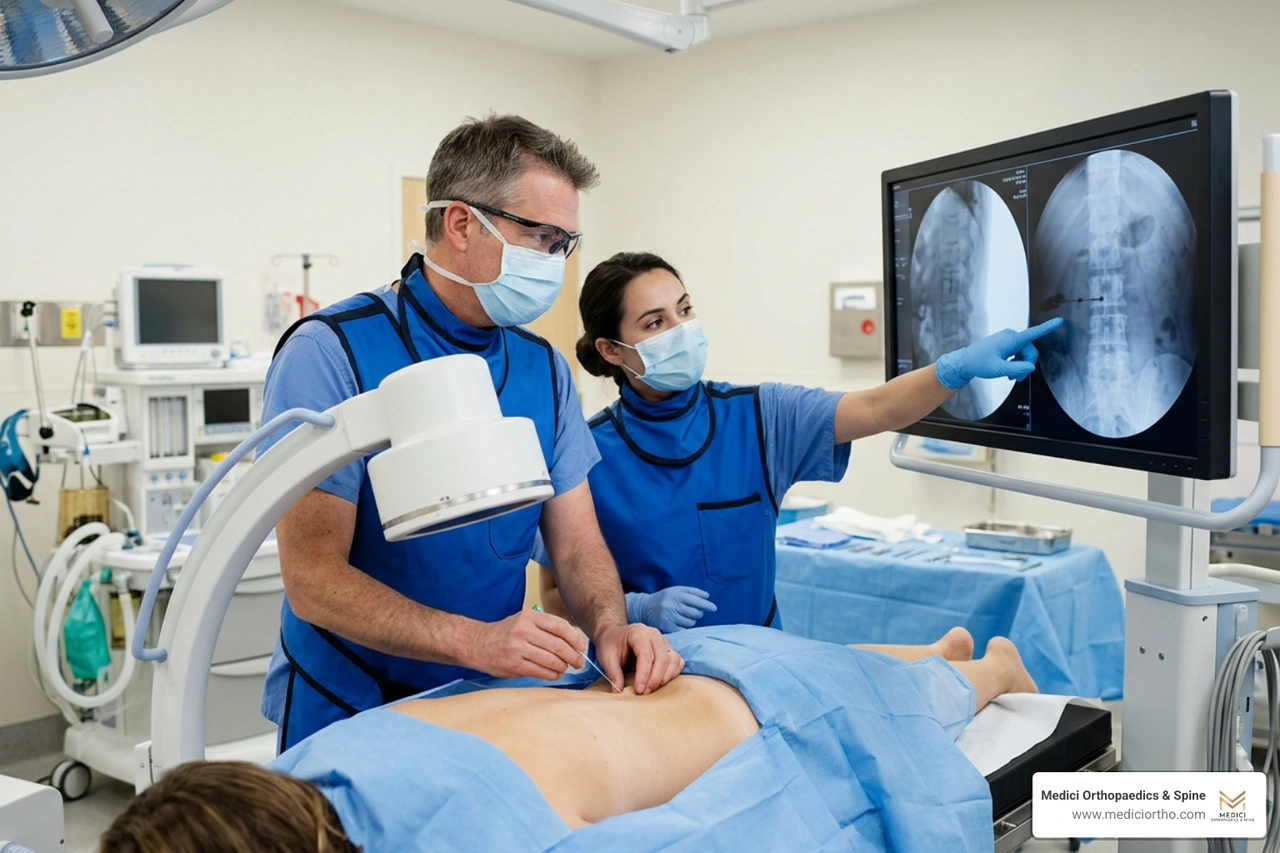
An ESI delivers a powerful anti-inflammatory corticosteroid directly into the epidural space surrounding your spinal nerves. This procedure is highly effective for treating radicular pain (pain radiating down an arm or leg, such as sciatica). Clinical data shows that epidural steroid injections provide meaningful, short-term pain relief for lumbar radicular pain in approximately 50% to 70% of patients, with the therapeutic benefits typically lasting between 3 and 6 months.
For patients suffering from chronic, facet-mediated low back or neck pain, RFA offers an excellent longer-term solution. This procedure uses a specialized insulated needle to apply thermal energy (heat) to the tiny medial branch nerves that transmit pain signals from the arthritic facet joints to the brain. By safely interrupting these signals, RFA can provide significant pain relief lasting 6 to 12 months in 60% to 80% of appropriately selected patients.
To maintain the highest clinical integrity, we continuously monitor global medical research and guidelines. For instance, a landmark publication in The BMJ on commonly used interventional procedures for non-cancer chronic spine pain emphasizes the critical importance of rigorous patient selection and the avoidance of over-utilization for non-specific, axial pain where a clear anatomical generator has not been identified. This is why we focus heavily on diagnostic accuracy before performing any therapeutic procedure.
For patients with complex, chronic neuropathic pain—such as those dealing with severe nerve damage or persistent discomfort after back surgery—traditional injections may not offer lasting relief. In these cases, we look to advanced neuromodulation.
Spinal Cord Stimulation (SCS) is a highly sophisticated, FDA-approved therapy that uses mild electrical currents to interrupt pain signals before they reach the brain. Think of it as a pacemaker for pain. The process begins with a temporary, non-surgical trial. If the trial demonstrates at least a 50% reduction in pain—which occurs in 50% to 70% of patients with failed back surgery syndrome or complex regional pain syndrome (CRPS)—a permanent, low-profile device can be implanted.
To learn more about how this cutting-edge technology works and where it is available, read about our specialized spinal cord stimulation therapy in Buckhead or explore our options for spinal cord stimulation for back pain in Atlanta.
Additionally, for patients suffering from vertebrogenic chronic low back pain (pain originating from the vertebral endplates), we offer advanced techniques like intraosseous basivertebral nerve ablation. This minimally invasive procedure has been shown to result in clinically meaningful pain reduction (a 30% or greater improvement) in 60% to 70% of patients at the 12-month mark, providing a durable, non-surgical pathway to relief.
We understand that undergoing any medical procedure can cause a bit of anxiety. Knowing what to expect can help put your mind at ease.
For a deeper look at what to expect during your specific recovery journey, check out our guide on interventional spine treatment in Kennesaw.
Every medical treatment comes with a balance of benefits and risks. When considering interventional spine pain care, comparing these outpatient procedures to major open spine surgery can help you make an informed decision.
| Feature | Interventional Spine Procedures | Open Spine Surgery |
|---|---|---|
| Anesthesia | Local numbing with optional light sedation | General anesthesia |
| Setting | Outpatient (go home the same day) | Inpatient (hospital stay required) |
| Incision Size | Pinpoint needle entry (no stitches) | Large surgical incision |
| Recovery Time | 24 to 48 hours of light activity | Weeks to months of restricted movement |
| Musculoskeletal Impact | Zero muscle or bone cutting | Cutting or retracting of spinal muscles |
| Primary Goal | Targeted inflammation & pain reduction | Structural stabilization or decompression |
While interventional treatments are exceptionally safe, they are not entirely without risk. Potential complications, though rare, include localized infection, minor bleeding, temporary nerve irritation, or a dural puncture headache.
To maximize safety and efficacy, we adhere strictly to the Carelon Clinical Appropriateness Guidelines. These evidence-based frameworks dictate that patients should not receive more than four therapeutic injection sessions per spinal region within a rolling 12-month period, and we carefully monitor cumulative corticosteroid doses to protect your systemic health.
If you are facing complex spinal issues and want to understand how we balance these clinical guidelines to create a safe, highly personalized treatment plan, read our comprehensive post on advanced spine care in Georgia.
Understanding medical coverage can sometimes feel more painful than the back condition itself. We are committed to helping you navigate this process smoothly.
Most major insurance providers, including Medicare and workers' compensation programs, cover interventional spine procedures, provided that clinical necessity is thoroughly documented. This documentation typically requires:
Additionally, we strictly uphold the consumer protection standards of the No Surprises Act, ensuring you receive transparent, upfront cost estimates prior to your procedure, protecting you from unexpected out-of-network billing.
If your condition ultimately requires a surgical consultation, or if you want to understand how insurance views different levels of spinal care, you can read about the pathways for minimally invasive spine surgery in Georgia.
At Medici Orthopaedics & Spine, we do not believe in a one-size-fits-all, "one-and-done" approach to pain management. True, lasting physical restoration is rarely achieved through a single injection alone.
We find that our therapies work synergistically, meaning they produce far better results when used together than when used in isolation. For example, an epidural steroid injection can quiet severe sciatic pain just enough to allow you to actively participate in physical therapy. The physical therapy, in turn, strengthens the core and stabilizing muscles of your back, preventing the pain from returning once the injection wears off.
Our multidisciplinary approach seamlessly coordinates care between:
To learn more about how we integrate targeted rehabilitation into our treatment plans, explore our dedicated services for spine-focused physical therapy in Kennesaw.
When we measure the success of our interventional spine pain care, we look beyond just "pain scores." Real success is measured by the moments you regain: being able to pick up your grandchild, sitting through a movie without stiffness, or returning to a job you love.
Our patients frequently share how these minimally invasive treatments have allowed them to avoid major surgeries and significantly reduce their daily medication use. By combining advanced diagnostics with compassionate, integrated care, we help patients across Metro Atlanta regain their functional independence.
For more information on our clinical philosophy and to access additional patient education resources, please visit our main page at Medici Orthopaedics & Spine.
The duration of relief depends entirely on the type of procedure and your specific condition. Epidural steroid injections typically provide relief for 3 to 6 months, making them excellent for calming acute flare-ups. Radiofrequency ablation (RFA) can provide relief lasting 6 to 12 months or longer, as it takes time for the treated nerves to regenerate. Advanced therapies like spinal cord stimulation offer continuous, long-term pain management.
Yes, these treatments are exceptionally safe. Because they are minimally invasive and performed under real-time fluoroscopic (X-ray) guidance, our specialists can see exactly where the needle is at all times, minimizing the risk of damage to surrounding tissues. We perform these procedures in sterile, state-of-the-art outpatient surgery centers to ensure the highest safety standards.
Interventional pain management focuses on treating pain through targeted, non-surgical procedures like injections or nerve treatments, requiring no large incisions, minimal downtime, and local numbing. Open surgery is a major, inpatient structural intervention designed to stabilize the spine or decompress nerves by cutting through tissue, which requires general anesthesia and a lengthy recovery period.
Living with chronic spine pain can make your world feel incredibly small, but you do not have to choose between constant discomfort and major surgery. Interventional spine pain care offers a proven, highly precise middle path designed to target your pain at its exact source, restore your mobility, and help you live a life less dependent on medication.
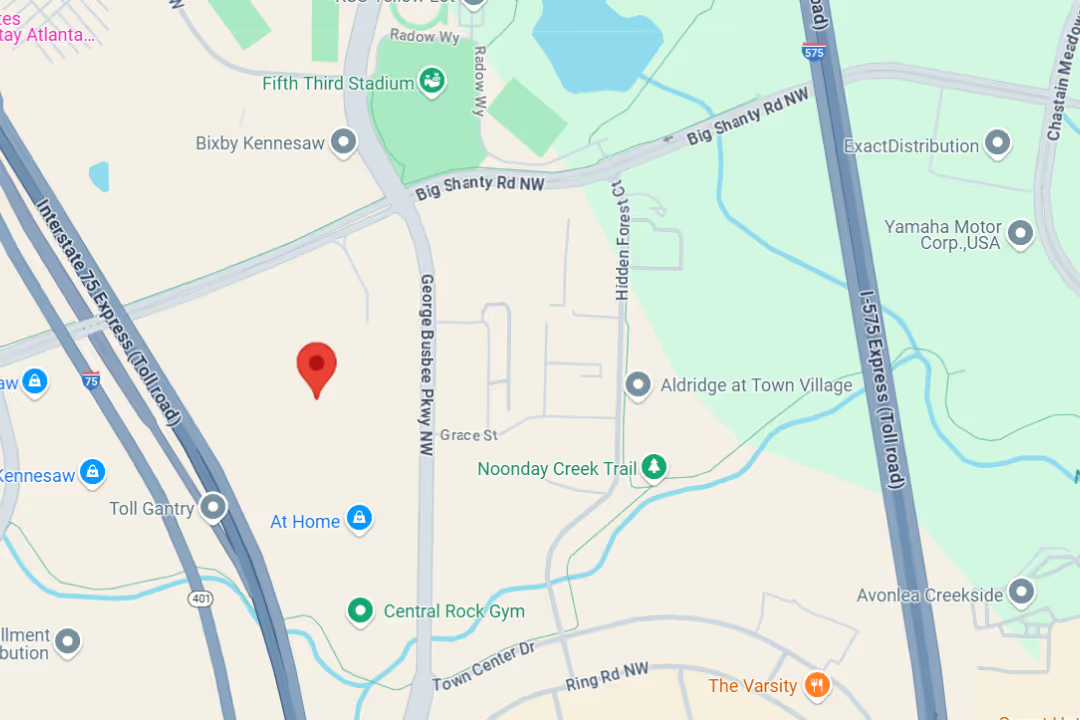
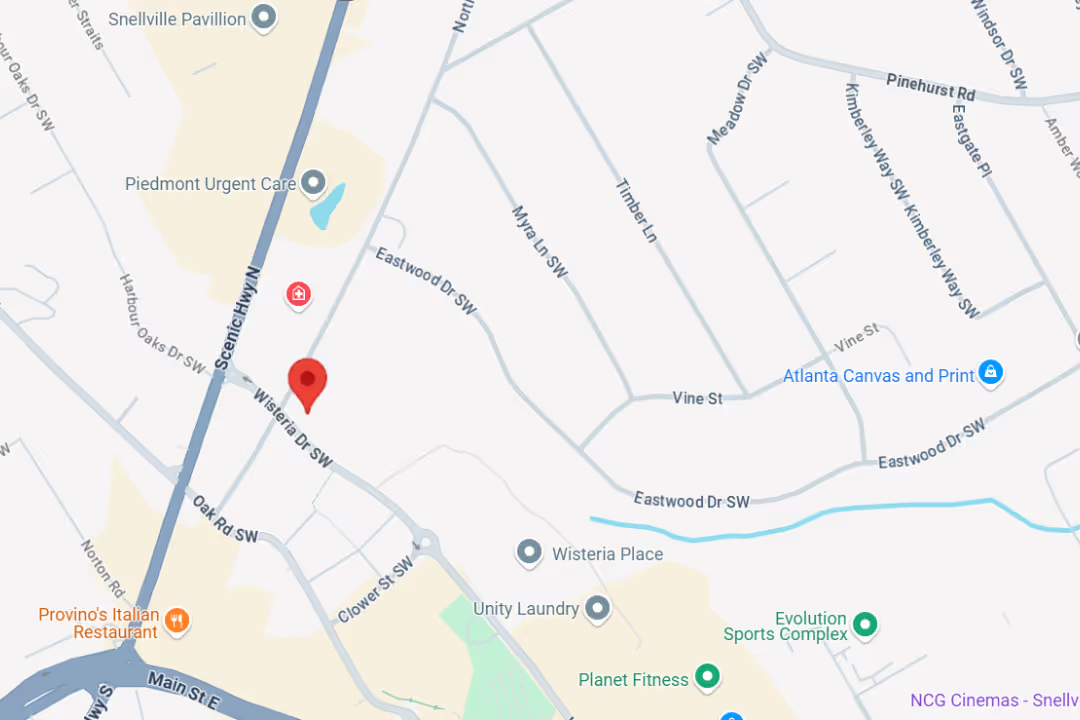
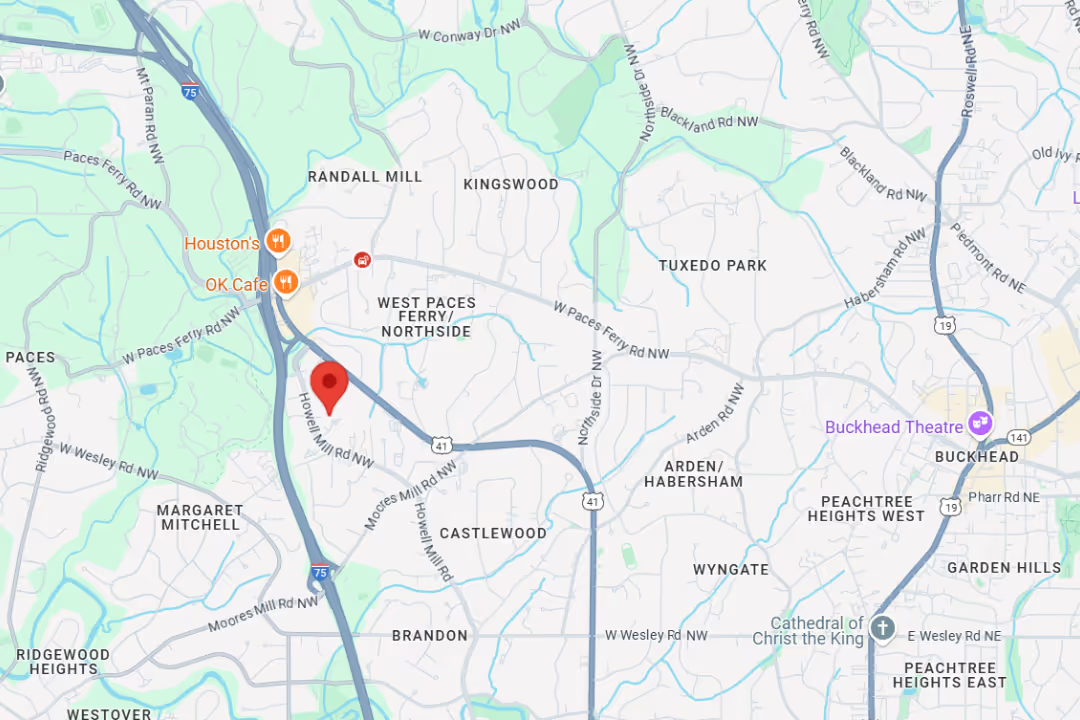
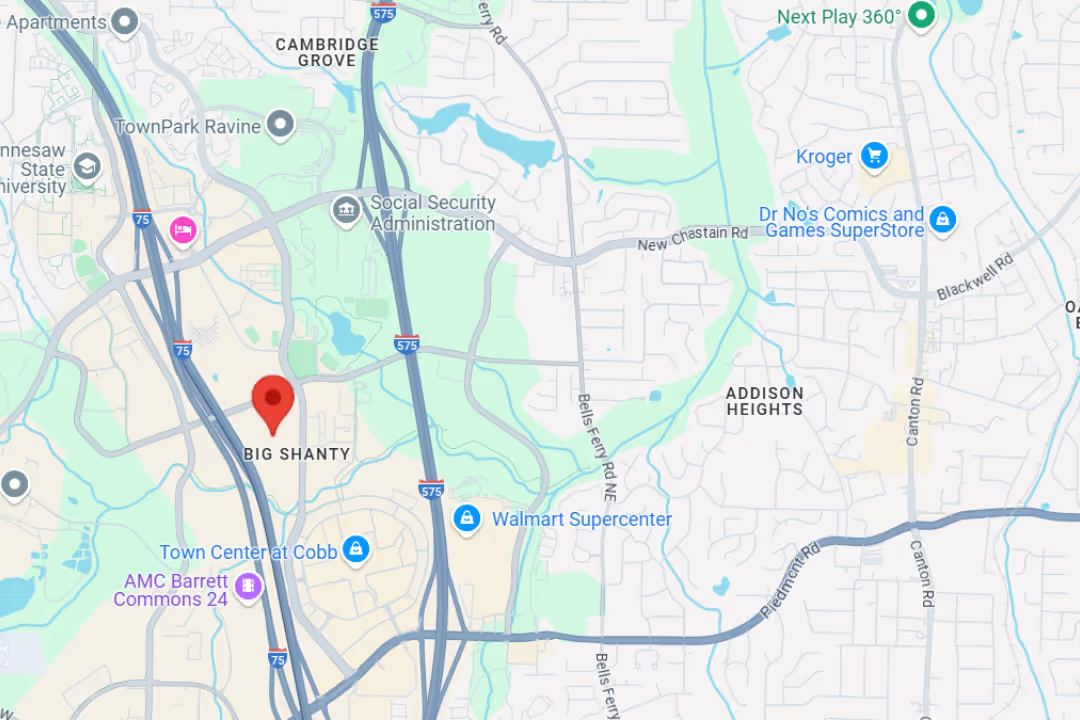
At Medici Orthopaedics & Spine, led by our CEO and founder, Dr. Sonny Dosanjh, M.D., we are completely committed to helping you stand tall again. With convenient, state-of-the-art clinics and ambulatory surgery centers across Snellville, Kennesaw, Marietta, and Buckhead, our team is ready to build an integrated, patient-centered care plan tailored just for you.
If you are ready to take the first step toward reclaiming your active lifestyle, we invite you to schedule a consultation for lower back pain relief with our expert team today. Let's work together to restore your quality of life.
At Medici, you’re more than your MRI.
We take time to hear your story, understand your pain, and create a plan that actually works for you.

Our team delivers specialist care at convenient locations across Metro Atlanta:
Get expert tips on injury recovery, pain relief, joint health, and movement strategies—straight from our Fellowship-Trained team.