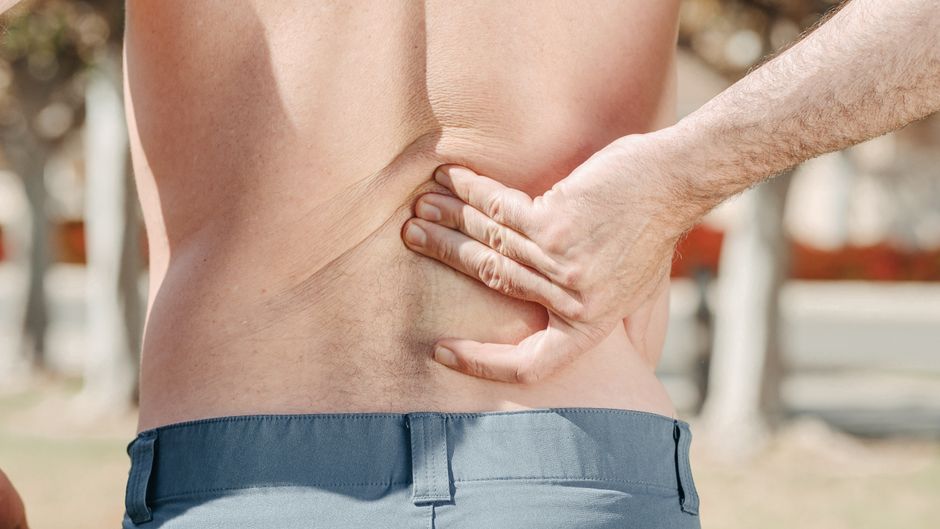
Pinpointing the exact lower back pain causes on the male left side can be tricky because the pain can come from a pulled muscle, a spinal nerve, or even an internal organ.
If you want to quickly narrow down what is causing your pain, here is a fast diagnostic breakdown:
Nearly 7 out of 10 adults deal with back pain at some point in their lives. However, for men, pain on the left side is unique because of how your internal organs, reproductive system, and daily habits interact. For example, even something as simple as sitting on a thick wallet in your back pocket can tilt your pelvis and trigger severe left-sided muscle spasms.
As Sonny Dosanjh, M.D., a board-certified specialist and founder of Medici Orthopaedics & Spine, I have spent years helping active men diagnose and treat the precise lower back pain causes on the male left side without unnecessary surgery. From my background as both an Emory-trained physician and a former professional athlete, I focus on finding the root cause of your pain so you can safely get back to the activities you love.
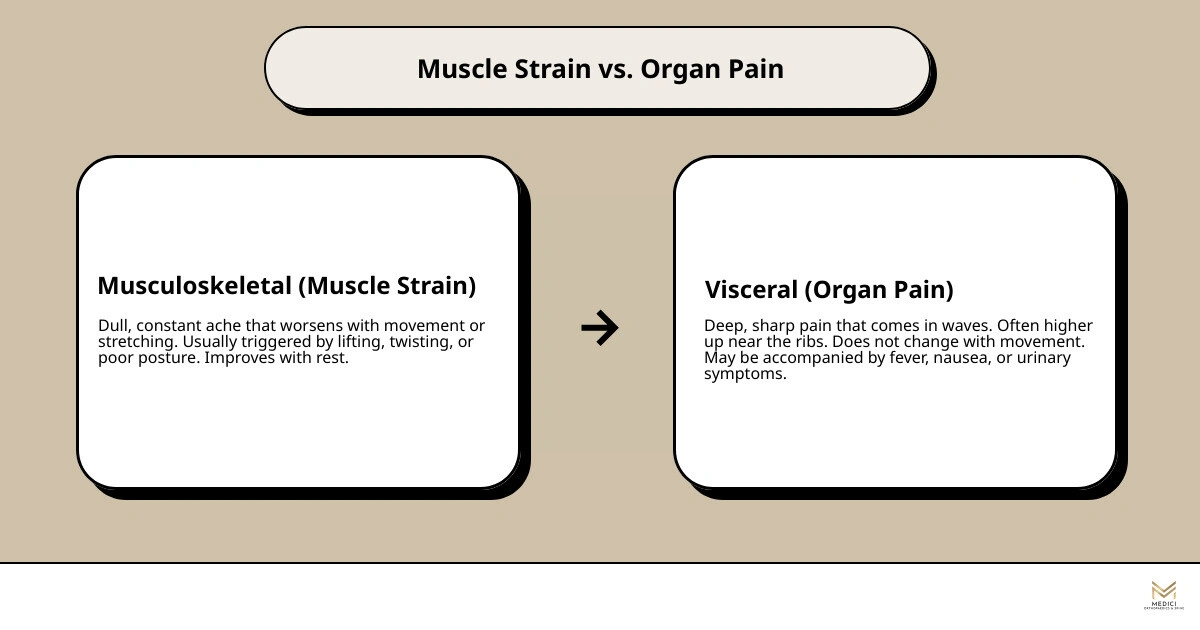
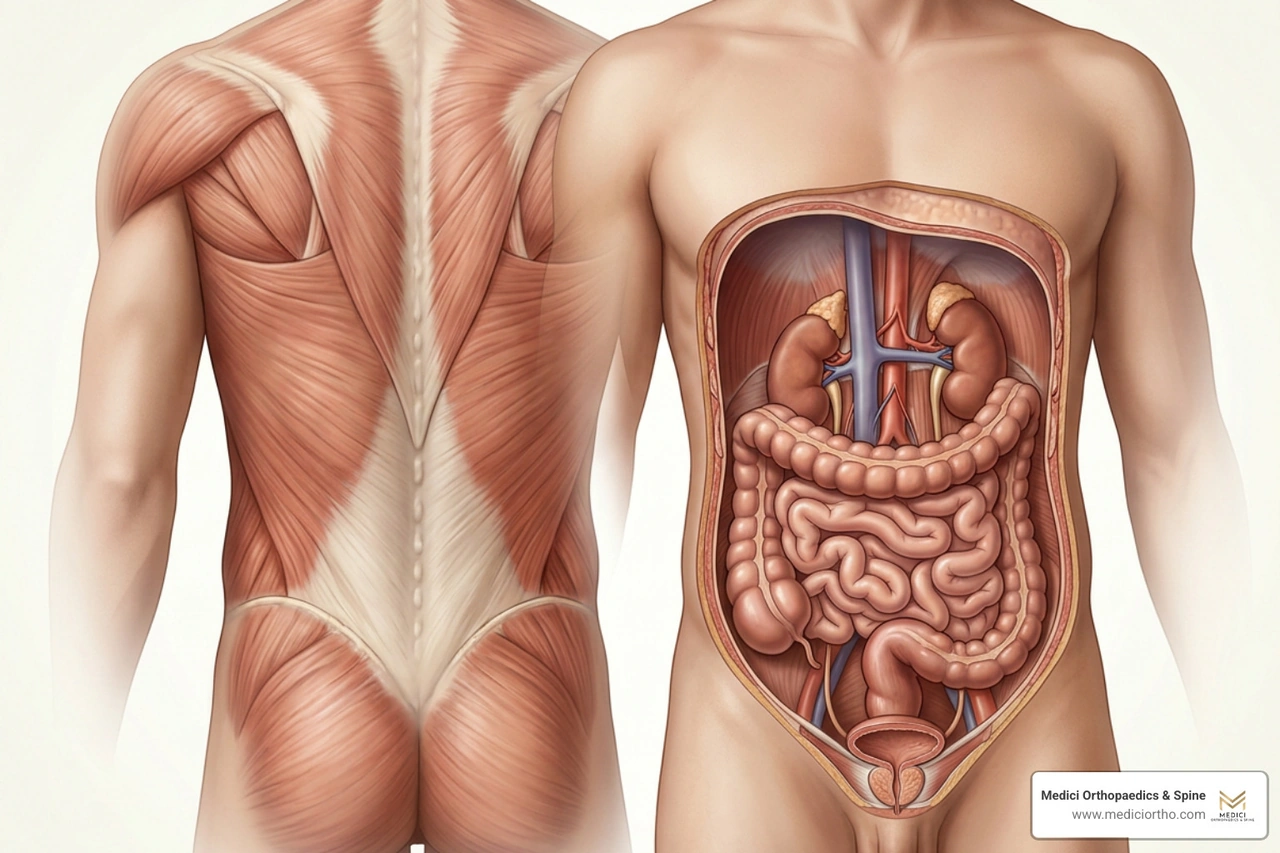
When you feel a sudden twinge or a lingering ache in your lower left back, your first instinct might be to blame a heavy lift at the gym or a clumsy move while working in the yard. While mechanical issues are highly common, your lower back also sits directly adjacent to several major abdominal and pelvic organs. Differentiating between musculoskeletal (structural) pain and visceral (organ-referred) pain is the first step toward getting the right treatment.
Musculoskeletal pain involves the muscles, ligaments, tendons, joints, or bones of the lumbar spine. This type of pain is directly tied to physical movement. If bending over, twisting, or lifting a heavy object makes the pain spike, you are likely dealing with a structural issue. Musculoskeletal pain often responds well to rest, position changes, and ice or heat.
Visceral pain, on the other hand, is referred pain. This means an internal organ—such as your left kidney, colon, or prostate—is irritated or inflamed, but your brain registers the distress signals as lower back pain. Visceral pain is typically described as a deep, relentless ache that does not change when you adjust your posture, lie down, or walk around.
For a comprehensive medical perspective, you can read the Cleveland Clinic's Clinical overview of lower back pain. To learn more about how we diagnose these structural issues at our clinics in Metro Atlanta, explore our guide on More info on lower back pain conditions.
| Feature | Musculoskeletal Pain | Visceral (Organ-Referred) Pain |
|---|---|---|
| Pain Character | Dull, aching, sore, or sharp/electric if a nerve is pinched | Deep, constant, throbbing, or cramping in waves (colic) |
| Response to Movement | Worsens with specific movements; improves with rest | Unaffected by physical activity or changes in body position |
| Location | Localized to the lower back, buttocks, or radiating down the leg | Deep in the flank, abdomen, or radiating to the groin/pelvis |
| Accompanying Symptoms | Muscle stiffness, localized tenderness, reduced range of motion | Fever, nausea, vomiting, painful urination, bowel changes |
The lower left quadrant of a man's body is a busy anatomical zone. On the structural side, it contains the heavy-duty muscle groups of the lumbar spine, the left sacroiliac joint, and the complex network of spinal nerves exiting the L1 through S1 vertebrae. On the visceral side, it houses the left kidney, the left ureter, and the descending and sigmoid portions of the colon.
If any of these structures experience injury, inflammation, or disease, the resulting pain can localize on your lower left side.
The vast majority of unilateral back pain cases in men stem from simple mechanical strains and postural imbalances.
Fortunately, most mechanical strains resolve with targeted physical therapy and stretching. You can find excellent recovery routines in our resource on More info on exercises for lower back pain relief.
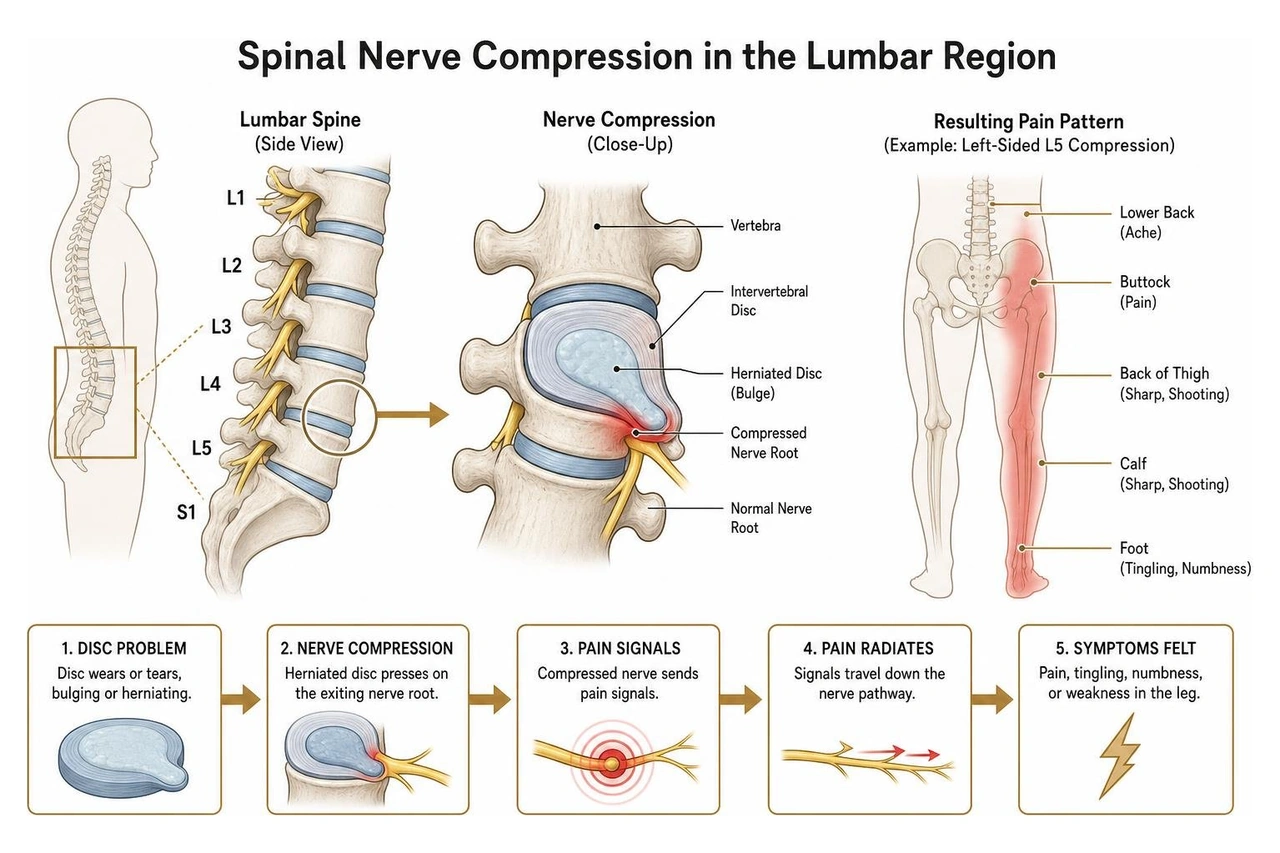
When the structural integrity of your lumbar spine is compromised, nerves can become compressed, sending severe pain signals down the left side of your body.
If you are experiencing these sharp, shooting sensations, you can read our detailed breakdown on More info on sharp nerve pain. For a complete overview of nerve compression treatments, explore our guide on More info on sciatica and lumbar radiculopathy.
Chronic, systemic joint conditions can also target the left side of your lower back:
To learn more about how we diagnose and treat joint-related back pain, see our specialized resource on More info on sacroiliac joint disease.
If your pain is deep, constant, and completely unaffected by how you sit, stand, or stretch, it is time to look beyond the spine and muscles.
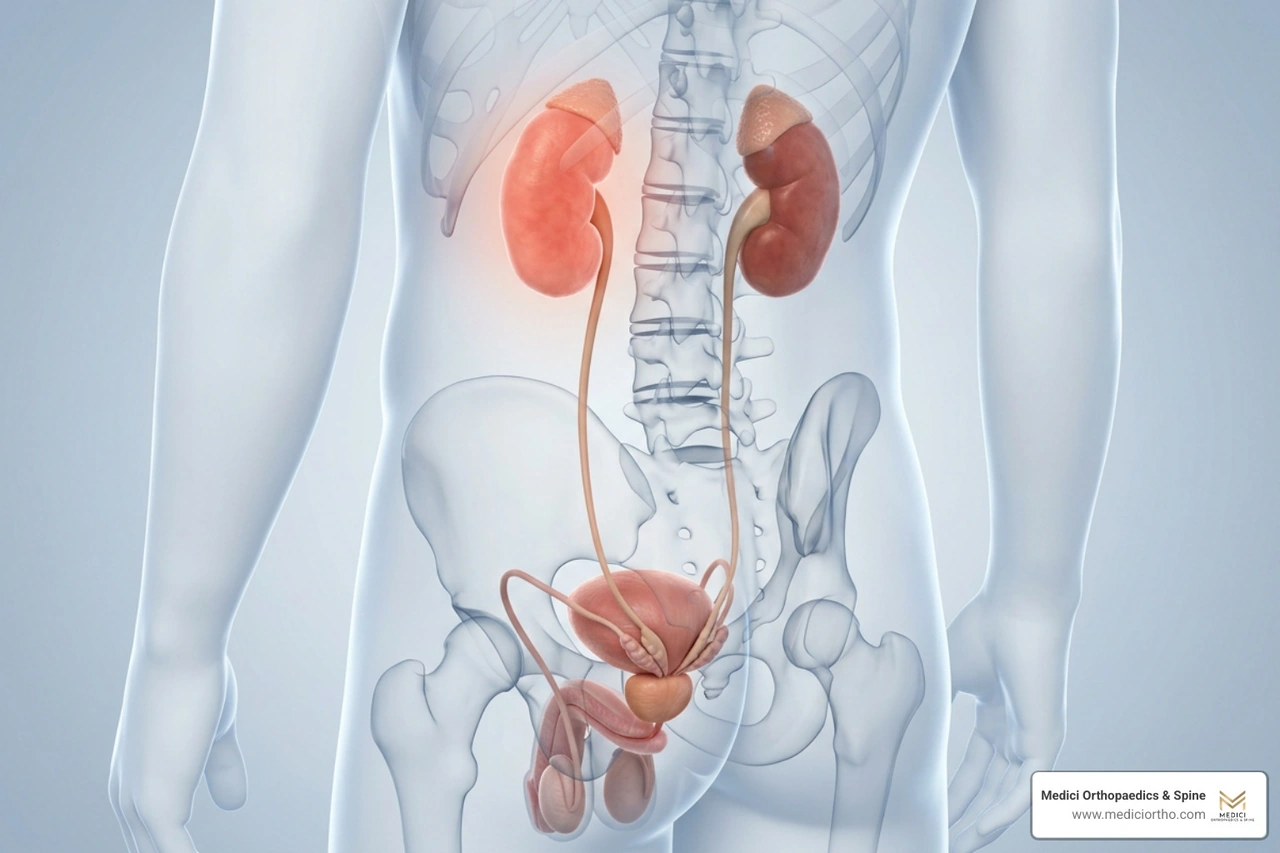
Men are statistically more vulnerable to kidney stones than women, with an incidence rate of 11% in men compared to 9% in women as of July 2026. When a mineral deposit forms in your left kidney and attempts to pass down the narrow left ureter, it causes excruciating, wave-like pain (renal colic) in your left flank and lower back.
A left kidney infection (pyelonephritis) causes similar localized back pain but is accompanied by systemic signs like a high fever, chills, nausea, and cloudy or foul-smelling urine.
The prostate gland sits just below the bladder in men. When it becomes inflamed or infected (prostatitis), it can refer deep, aching pain directly to the lower back, pelvis, and perineum. This is almost always accompanied by urinary symptoms, such as a weak stream, difficulty starting urination, or a frequent, urgent need to go at night.
Additionally, chronic lower back pain can occasionally be the first warning sign of advanced prostate cancer that has metastasized to the lumbar spine.
While testicular torsion (the twisting of the spermatic cord) is a localized urological emergency that primarily affects young men under 25, it frequently presents as sudden, severe lower abdominal and lower back pain radiating from the groin. This requires immediate emergency surgery to preserve the testicle.
For additional clinical perspectives on how these internal organs refer pain to the back, you can read these Medical insights on left-sided back pain.
While most cases of lower left back pain can be safely managed with conservative, non-surgical therapies, certain symptoms indicate a severe medical emergency. If you experience any of the following "red flag" symptoms, seek immediate emergency medical care:
At Medici Orthopaedics & Spine, we believe that an accurate diagnosis is the foundation of any successful recovery. We do not believe in masking your symptoms with heavy medications or rushing you into an invasive surgery. Instead, we use a precise, step-by-step diagnostic process to find the exact source of your pain.
Our double board-certified physicians begin with a comprehensive physical and neurological examination. We assess your posture, joint mobility, muscle strength, and reflexes. If we suspect a structural or nerve issue, we utilize advanced diagnostic imaging, including high-resolution MRIs to visualize discs and joints, or Electromyography (EMG) to map nerve pathways and pinpoint exact areas of compression.
Once we have identified the root cause of your lower back pain causes on the male left side, we design a personalized, non-surgical treatment plan. We find that many of our therapies work synergistically, delivering far better results when combined than if used alone:
To explore our specific nerve treatments in Snellville, Georgia, read our resource on More info on nerve pain in lower back treatment.
The easiest way to tell the difference is by checking if the pain changes when you move. Musculoskeletal pain is mechanical—it will flare up when you bend, twist, or walk, and it usually improves when you find a comfortable resting position.
Kidney pain is visceral. It is typically felt higher up on your left side (just under your lower ribs), feels like a deep, constant throb or sharp waves, and will not change whether you are lying perfectly still or moving around. Kidney issues also frequently come with urinary changes, fever, or nausea.
Yes. Inflammation of the prostate (prostatitis) or advanced prostate conditions can refer deep, aching pain to your lower back, pelvis, and groin. Because the prostate is centrally located, the pain is often felt across the entire lower back but can easily localize to the left side.
If your back pain is accompanied by urinary symptoms—such as a weak urine stream, pain during urination, or waking up multiple times at night to go—you should have your prostate evaluated.
As a general rule, you should consult a doctor if your back pain lasts for four weeks or longer, keeps getting progressively worse, or does not improve with rest and basic home care.
However, you should seek immediate medical attention if your pain started after a traumatic injury (like a fall or car accident), or if it is accompanied by any of the red flags, such as leg weakness, numbness in your groin, fever, or difficulty urinating.
Living with lower left back pain can make even the simplest daily activities—like driving your commute, playing a round of golf, or picking up your kids—feel like an uphill battle. But you do not have to accept pain as a normal part of aging or jump straight to invasive spinal surgery.
At Medici Orthopaedics & Spine, Dr. Sonny Dosanjh and our dedicated medical team are committed to Optimally Restoring your Quality of Life. We utilize the most effective, least invasive, and least drug-dependent non-surgical programs medically available today. Whether you need advanced spinal cord stimulation, regenerative medicine, or hyperbaric oxygen therapy, we work to get you back on your feet quickly and safely.
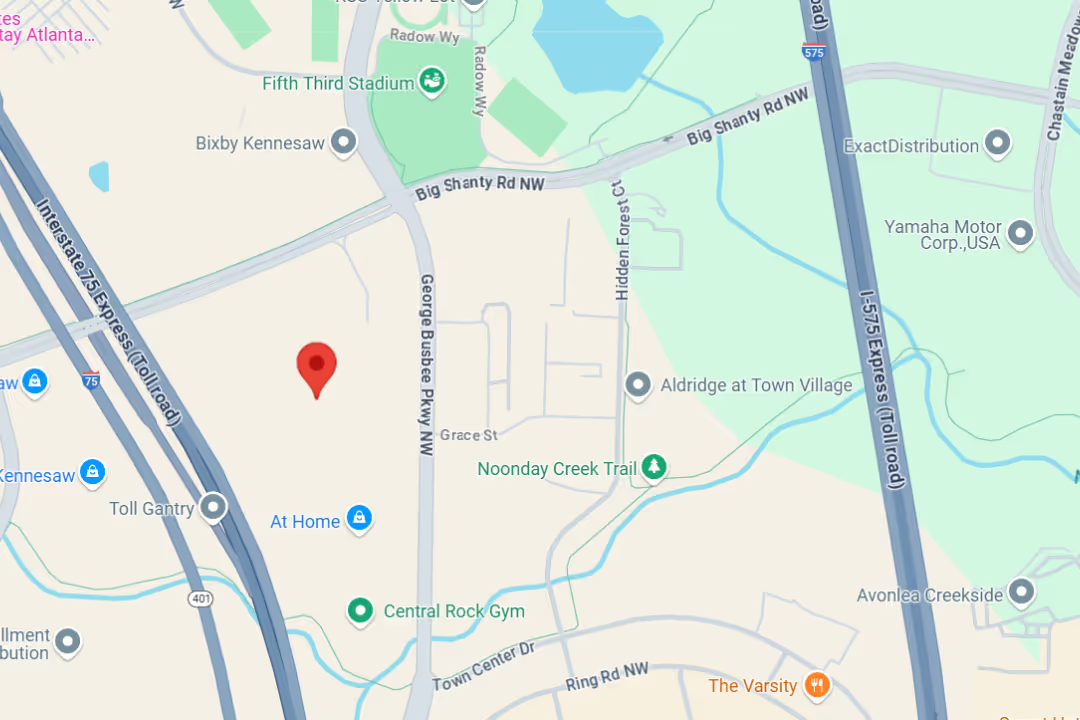
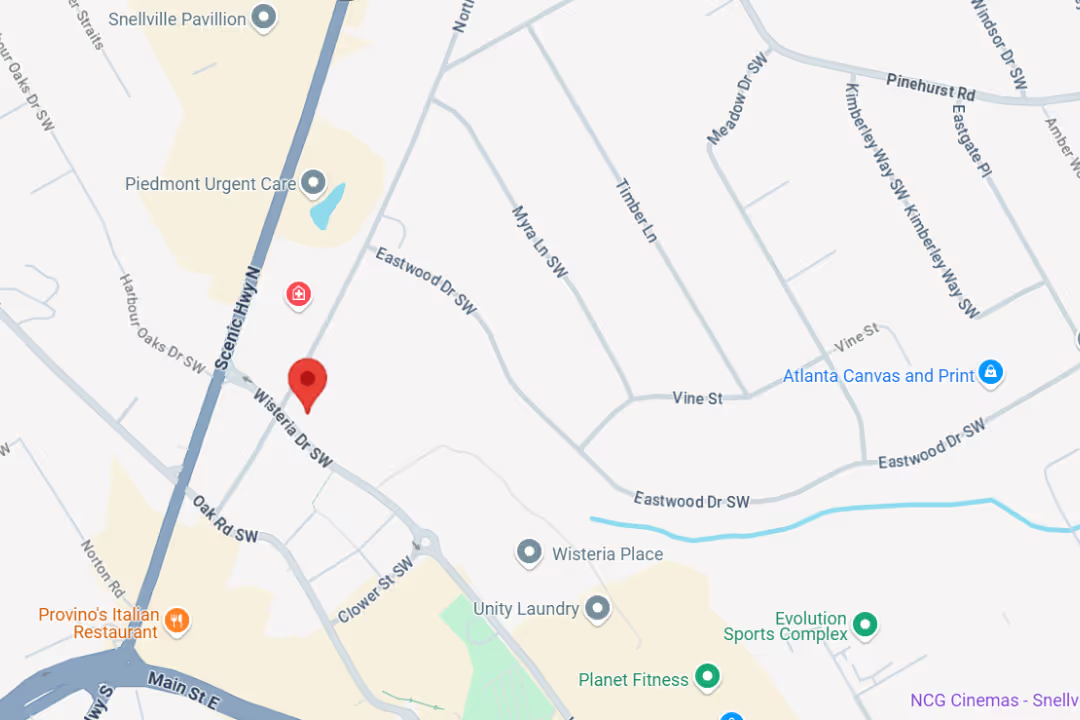
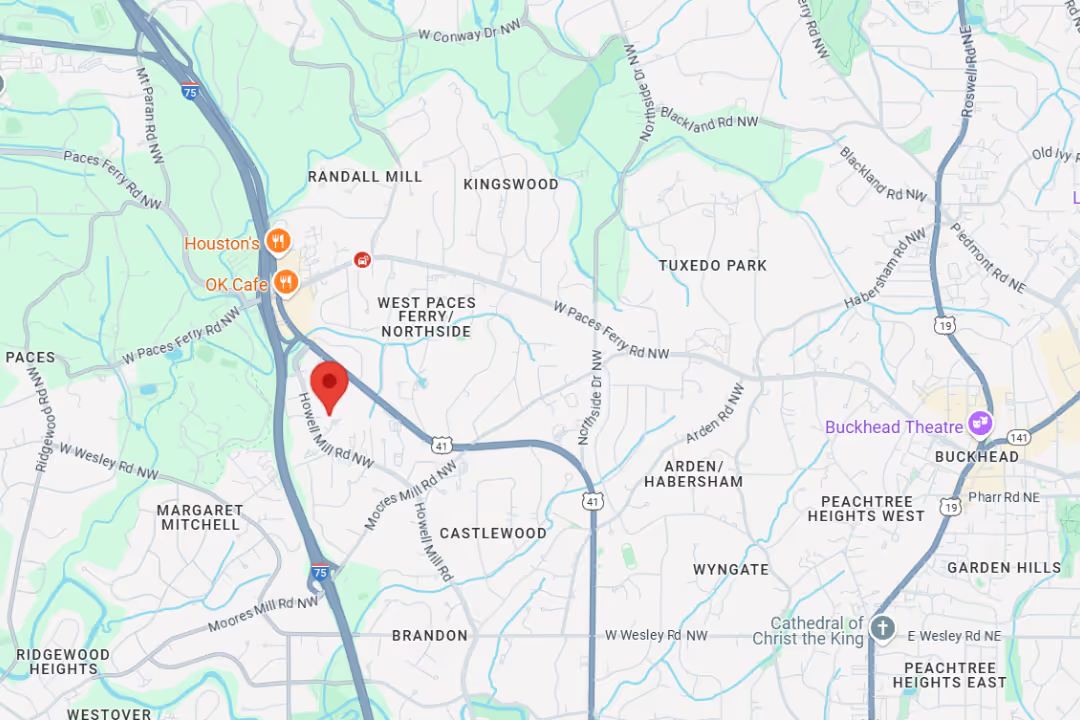
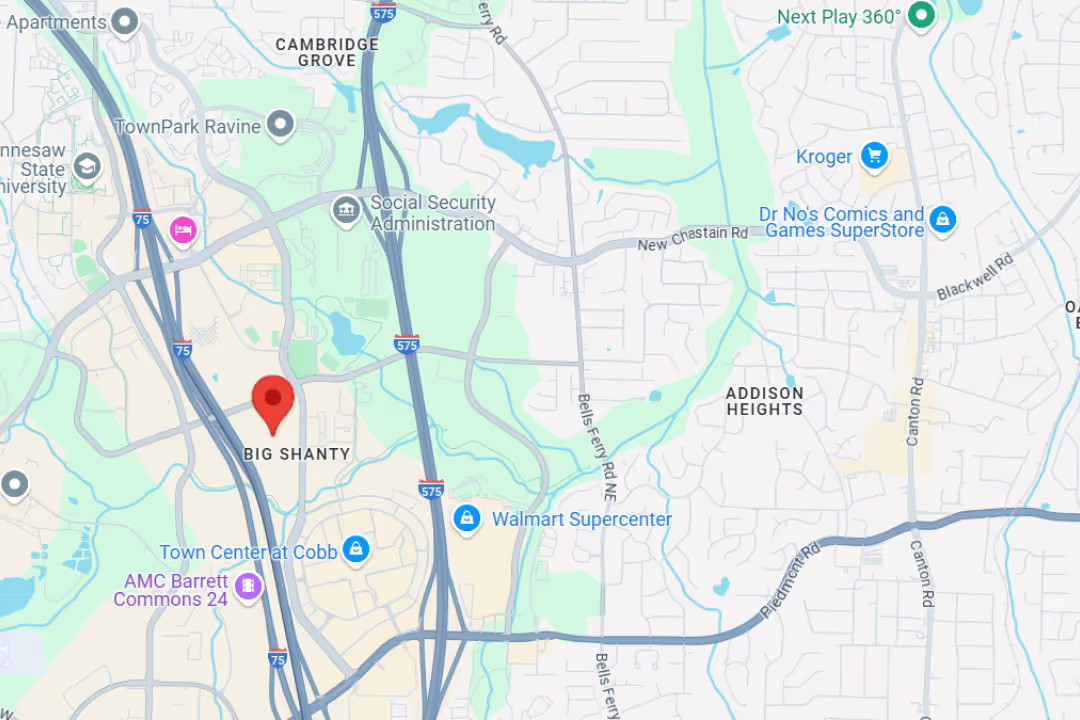
If you are ready to decode your back pain and find a lasting solution, schedule an evaluation at one of our convenient Metro Atlanta locations in Snellville, Marietta, Kennesaw, or Buckhead. To learn more about how we treat these conditions, explore More info on lower back pain conditions.
At Medici, you’re more than your MRI.
We take time to hear your story, understand your pain, and create a plan that actually works for you.

Our team delivers specialist care at convenient locations across Metro Atlanta:
Get expert tips on injury recovery, pain relief, joint health, and movement strategies—straight from our Fellowship-Trained team.