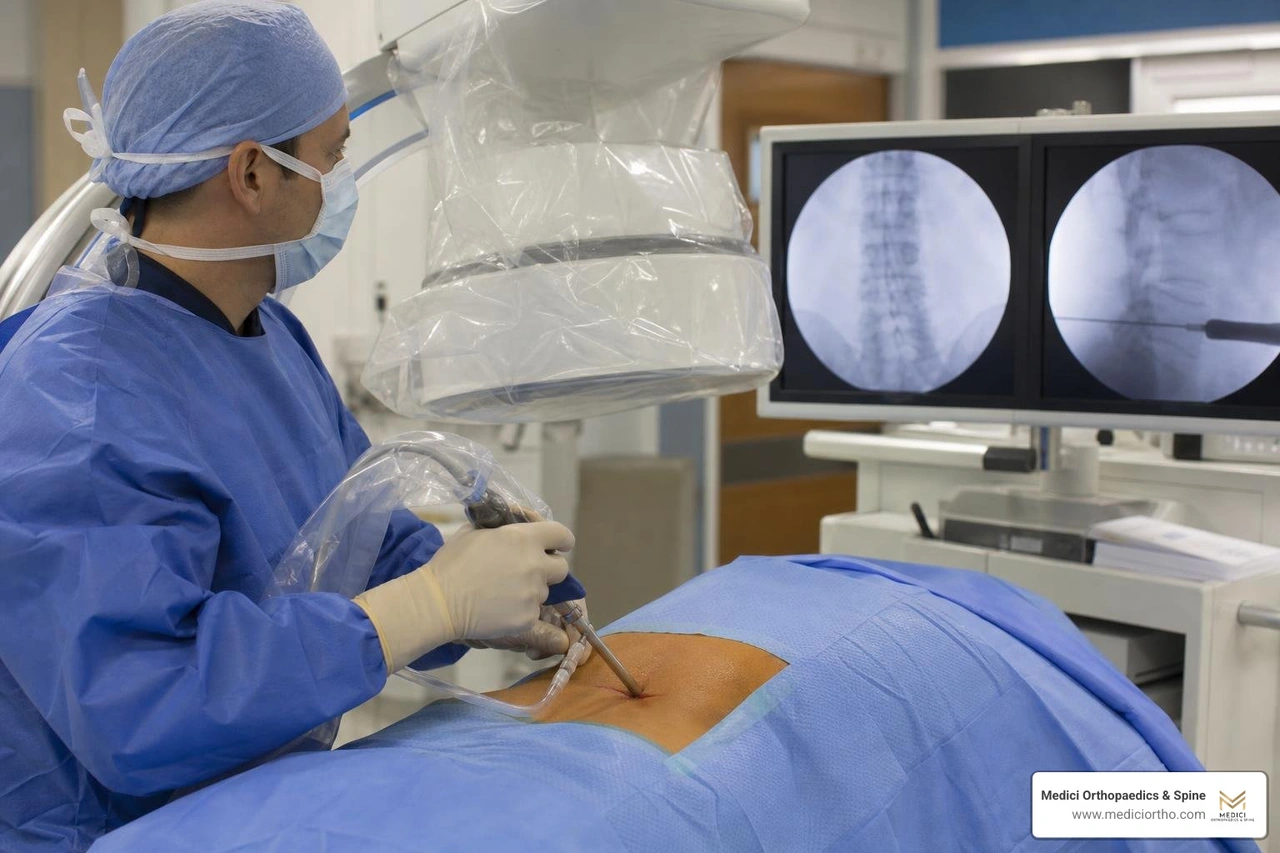
Minimally invasive back treatments are procedures that relieve chronic spine pain through small incisions or needle-based approaches — without the risks, recovery time, or structural disruption of traditional open surgery.
Common minimally invasive back treatments include:
| Treatment | Best For | How It Works |
|---|---|---|
| Radiofrequency Ablation (RFA) | Vertebrogenic or facet-mediated pain | Heat energy disables pain-transmitting nerves |
| Basivertebral Nerve Ablation | Vertebral endplate damage (Modic changes) | Targets the basivertebral nerve inside the vertebra |
| Spinal Cord Stimulation (SCS) | Drug-resistant chronic back and leg pain | Electrical signals interrupt pain before reaching the brain |
| Percutaneous Endoscopic Discectomy | Lumbar disc herniation | Removes disc material through a sub-1 cm incision |
| Interspinous Device Implantation | Spinal stenosis, instability | Small implant preserves disc height and spinal spacing |
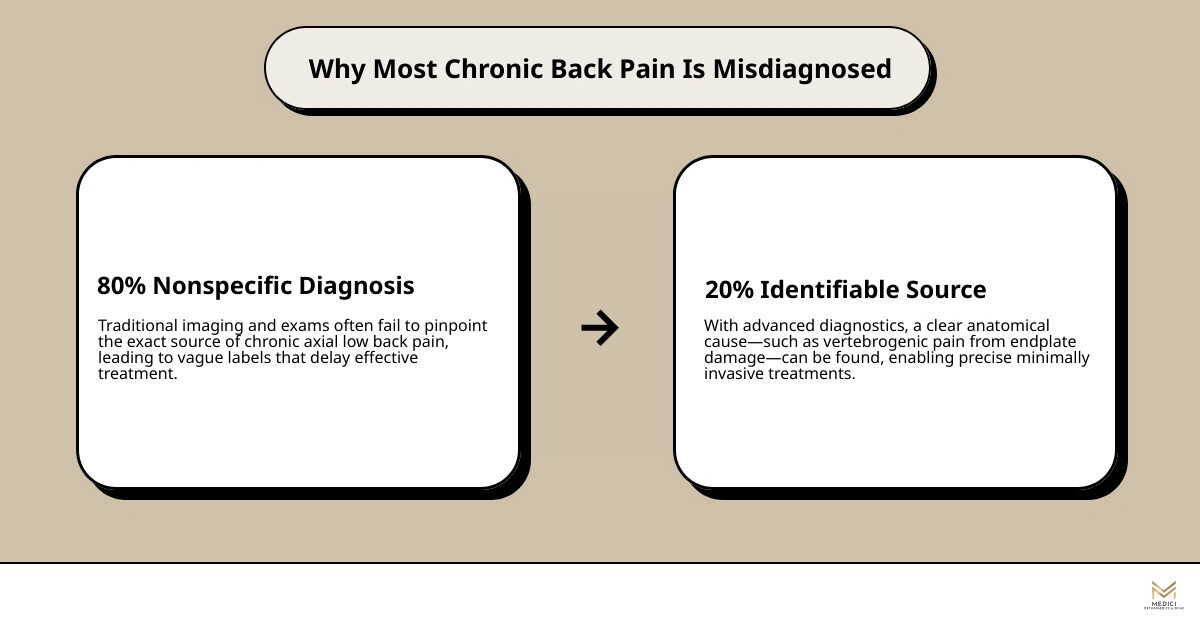
Chronic back pain is one of the most common — and most misunderstood — conditions in medicine. It affects roughly 30 million Americans and costs the healthcare system an estimated $90 billion every year. Yet shockingly, about 80% of chronic axial low back pain diagnoses are labeled "nonspecific" — meaning no clear cause is ever identified.
That's not because the pain isn't real. It's because traditional diagnostic approaches often miss the actual source.
The truth is, an identifiable anatomical cause can be found in a meaningful portion of patients — but it requires looking in the right places with the right tools. And once the source is found, a growing range of minimally invasive options can target it precisely, without major surgery, long hospital stays, or heavy reliance on opioids.
I'm Dr. Sonny Dosanjh, M.D., a board-certified Physical Medicine & Rehabilitation specialist and fellowship-trained pain management physician at Emory University, and the founder of Medici Orthopaedics & Spine. My practice is built around identifying the root cause of back pain and delivering minimally invasive back treatments that restore quality of life without unnecessary surgery or drug dependency. In this guide, I'll walk you through the most effective options available today — how they work, who they help, and how to know which one may be right for you.
For decades, spinal medicine focused almost exclusively on two primary culprits for chronic lower back pain: herniated discs and arthritic facet joints. However, we now know that a significant percentage of patients suffer from a third, underdiagnosed source of pain: vertebrogenic pain.
Vertebrogenic pain originates from damaged vertebral endplates — the thin layers of bone and cartilage that sit between the vertebral body and the intervertebral disc. Research shows that vertebral endplate damage is present in up to 43% of patients with chronic axial low back pain.
When these endplates are damaged by wear and tear, microfractures, or inflammatory degeneration, they release inflammatory chemicals that irritate the sinuvertebral nerve and the basivertebral nerve (BVN). The BVN enters the vertebra through the posterior midline and branches out directly within the vertebral body, transmitting these persistent pain signals straight to the brain.
To accurately diagnose this condition, we look for specific biomarkers on a standard lumbar MRI known as Modic changes. Modic changes are bone marrow lesions adjacent to the vertebral endplates that indicate localized, chronic inflammation:
Recognizing these changes is a game-changer. Instead of subjecting you to aggressive, open spinal fusions to stabilize the area, we can utilize targeted interventional spine treatments to address these precise pain pathways. By focusing directly on the nerves carrying the pain signals, we can provide profound relief without the trauma of major surgery.
To explore how these advanced diagnostics fit into our broader clinical approach, you can read more about non-surgical spine treatment in Georgia and discover our patient-centered strategies by exploring non-surgical spine treatments in Georgia that work.
Not everyone with a sore back is a candidate for these advanced procedures. To ensure the highest rates of success, we follow strict patient selection criteria.
An ideal candidate for a targeted procedure like basivertebral nerve ablation (BVNA) or advanced radiofrequency therapy typically meets the following guidelines:
Determining exactly when to transition from conservative physical therapy to advanced interventional options is a highly personalized process. If physical therapy has reached a plateau and you still struggle with daily activities, it is time to look at minimally invasive interventions. For a closer look at local options, you can read our detailed FAQ on what is the most effective minimally invasive treatment for back pain in Marietta?
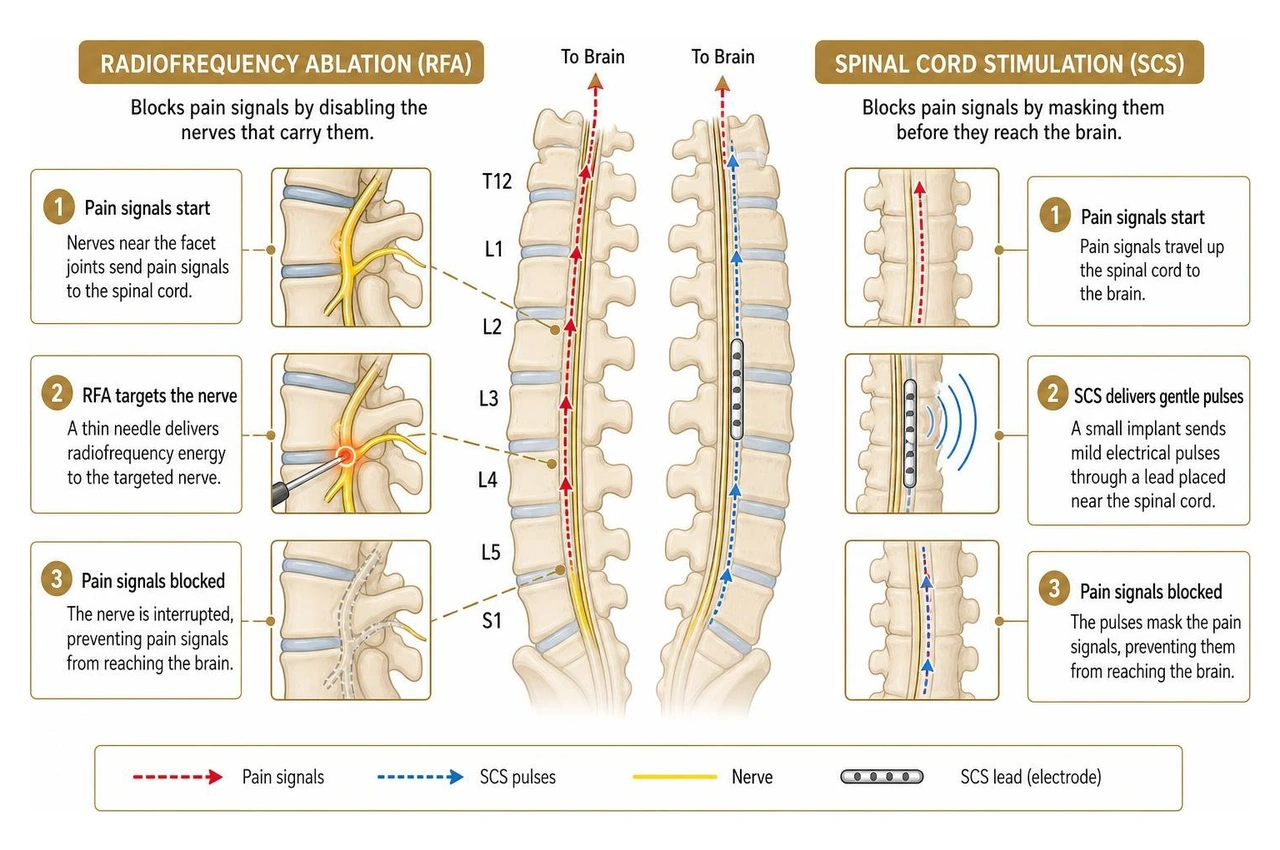
When conservative therapies fall short, we turn to advanced neuromodulation and thermal ablation therapies. These modern procedures are designed to be implant-free or minimally invasive, focusing on blocking pain signals at the source without altering the physical stability of your spine.
Two of the most prominent breakthroughs in this space are Radiofrequency Ablation (RFA) and Spinal Cord Stimulation (SCS).
Both therapies allow us to preserve your natural spinal structure, completely avoiding the hardware, bone grafts, and long-term complications associated with traditional spinal fusions. To understand how these treatments compare, explore our dedicated page on radiofrequency ablation treatments or read our guide on Nerve ablation explained: how it helps chronic pain near Snellville.
One of the greatest benefits of these modern procedures is that they are performed on an outpatient basis under local anesthesia or light sedation. You do not need to spend nights in a hospital.
Here is what you can expect during a typical Radiofrequency Ablation (RFA) or Basivertebral Nerve Ablation (BVNA) procedure:
For Spinal Cord Stimulation (SCS), the process begins with a unique trial phase:
The clinical evidence supporting these therapies is incredibly strong, showing high safety profiles and long-term durability.
For instance, long-term clinical data on basivertebral nerve ablation (BVNA) shows:
By avoiding major open surgery, you also eliminate the high costs and physical toll of multi-day hospital stays, making these procedures highly cost-effective for both patients and the healthcare system.
To appreciate the value of these interventional treatments, it helps to compare them to traditional open spinal surgeries like laminectomies or spinal fusions.
Traditional open surgery requires large incisions, stripping muscles away from the spine, and often placing permanent metal hardware or bone grafts. While sometimes necessary for severe instability or progressive neurological deficits, open surgery carries higher risks of infection, blood loss, and a long, painful recovery. It can also lead to "adjacent segment disease," where the spinal segments directly above and below a fused joint wear out prematurely due to increased stress.
In contrast, advanced interventional options focus on relieving pain while preserving the natural biomechanics of your spine.
Even when surgical intervention is required for a herniated disc, modern technology allows us to perform highly targeted, minimally invasive surgeries. A recent clinical study published in 2026 compared three common approaches for lumbar disc herniation: traditional microdiscectomy (MD), interspinous process device (IPD) implantation, and percutaneous endoscopic lumbar discectomy (PELD). You can read the full study here: Comparing Clinical Outcomes of Microdiscectomy, Interspinous Device Implantation, and Full-Endoscopic Discectomy for Simple Lumbar Disc Herniation.
The clinical data reveals clear trade-offs:
To help you visualize these differences, we have outlined how traditional surgery compares to our minimally invasive interventional philosophy:
| Metric | Traditional Open Surgery (e.g., Spinal Fusion) | Minimally Invasive Interventional Options (e.g., RFA, SCS, BVNA) |
|---|---|---|
| Incision Size | Large (often 5–15 cm) | Tiny poke-holes or needle punctures (<1 cm) |
| Anesthesia | General anesthesia | Local anesthesia with light sedation |
| Hospital Stay | 2 to 5 days | Outpatient (go home the same day) |
| Recovery Time | 3 to 12 months | Days to a few weeks |
| Structural Impact | Alters spinal biomechanics (fuses bone) | Preserves natural spinal structures and motion |
| Risk of Adjacent Segment Disease | High | Extremely low |
If you are looking for localized care in the state of Georgia, you can read more about how these surgical and non-surgical approaches are utilized in our region by viewing our guide on minimally invasive lumbar surgery in GA.
Because these procedures are performed on an outpatient basis, the recovery timeline is brief.
To explore more about managing your recovery in our local area, read The best non-surgical back pain treatments in Georgia: a 2026 guide.
The primary difference lies in structural preservation. Spinal fusion permanently joins two or more vertebrae together using metal screws, rods, and bone grafts, which eliminates natural movement in that section of your spine.
Interventional treatments like RFA, BVNA, and SCS require no permanent hardware or bone grafting. They focus entirely on interrupting the pain signals traveling along the nerves without restricting your spine’s natural flexibility. This preserves your range of motion and dramatically lowers the risk of adjacent segment disease. For more details on these structural comparisons, see minimally invasive lumbar surgery in GA.
While these procedures are exceptionally safe, they are not suitable for everyone. The main contraindications include:
At Medici Orthopaedics & Spine, led by myself, Dr. Sonny Dosanjh, M.D., we are dedicated to helping you find lasting relief from chronic back and joint pain. Our practice is built on a simple philosophy: we deliver integrated, patient-centered care focused on restoring your quality of life with the least invasive, least drug-dependent methods available.
We believe that the best clinical results come from synergistic treatment plans. By combining cutting-edge interventional spine therapies (like RFA, BVNA, and SCS) with targeted physical therapy, lifestyle medicine, and regenerative options, we can help you achieve long-term pain relief and get back to doing what you love.
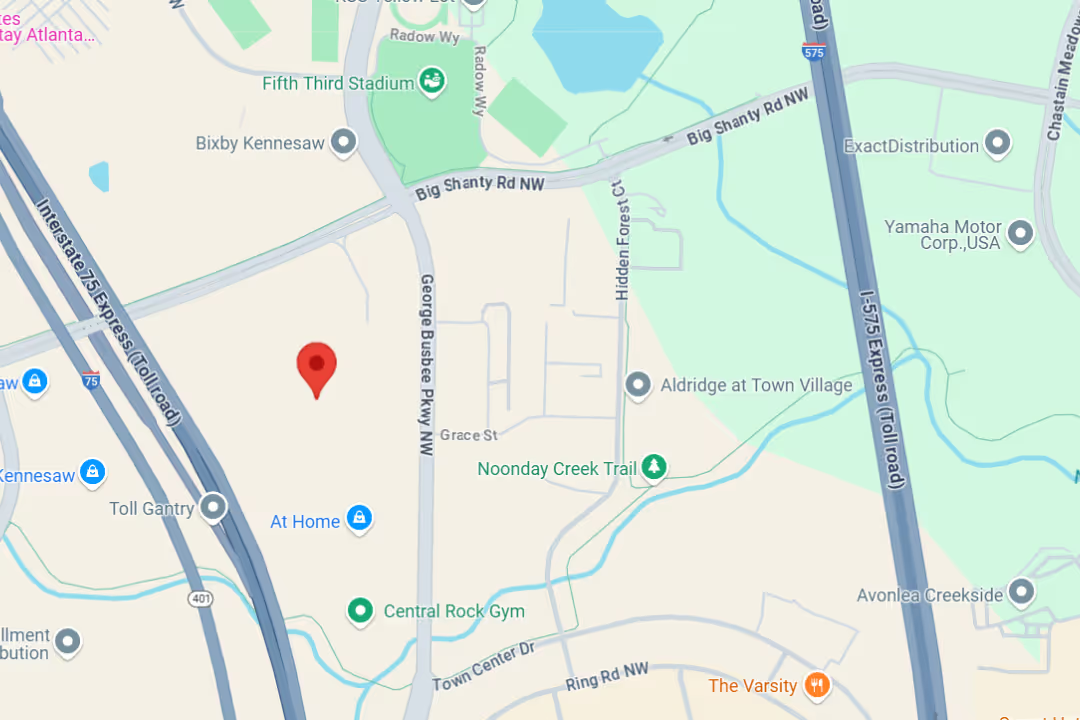
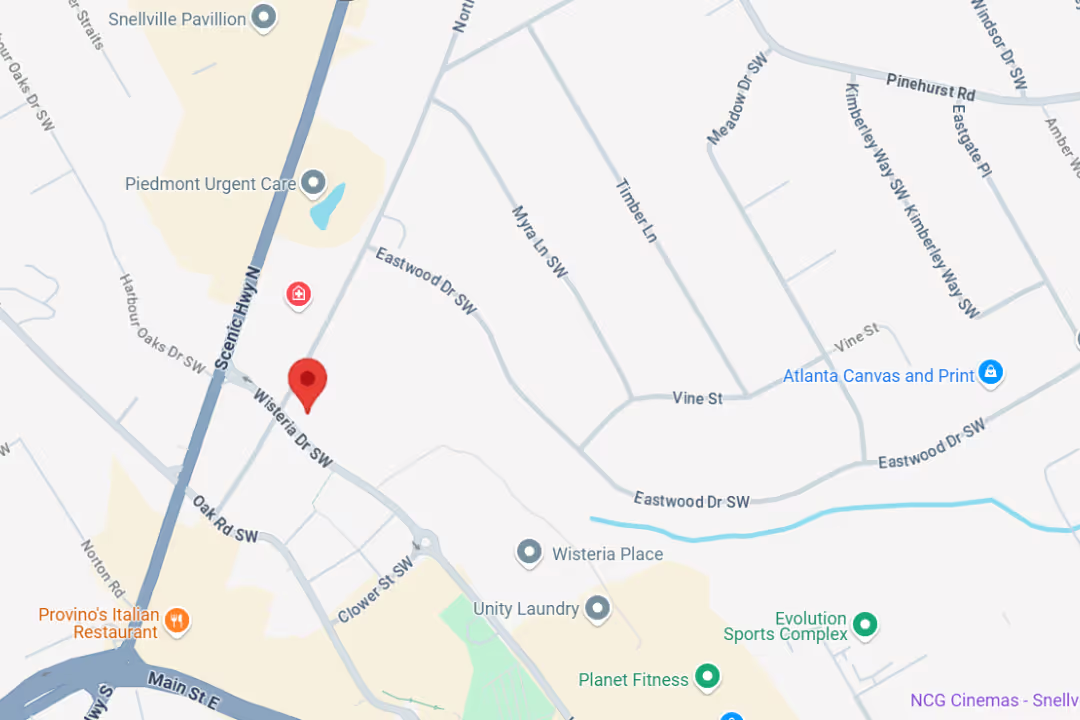
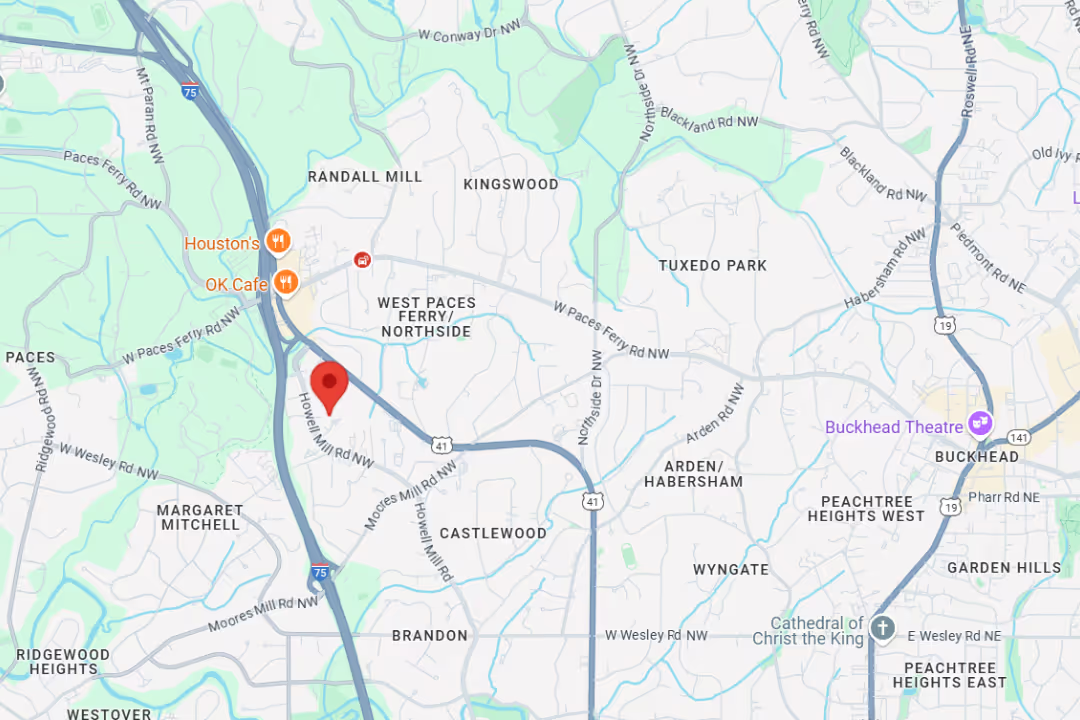
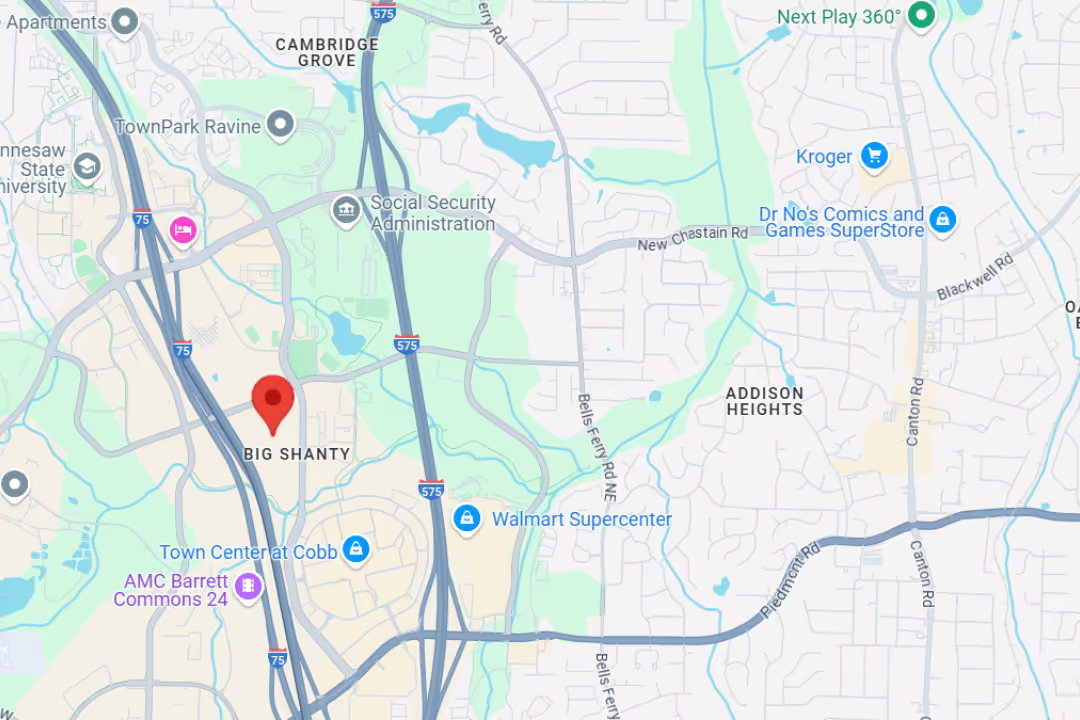
We make accessing this advanced care easy and convenient across Metro Atlanta. Whether you require a procedure at one of our state-of-the-art Ambulatory Surgery Centers in Marietta or Snellville, or a consultation at our clinics in Kennesaw, Snellville, or Buckhead (Atlanta), our expert team is here to guide you every step of the way.
If you are ready to stop letting chronic back pain, joint pain, or nerve issues dictate your life, let us help you find a path forward. Schedule a consultation for chronic pain and diabetic neuropathy relief with our team today to take your first step toward lasting relief.
At Medici, you’re more than your MRI.
We take time to hear your story, understand your pain, and create a plan that actually works for you.

Our team delivers specialist care at convenient locations across Metro Atlanta:
Get expert tips on injury recovery, pain relief, joint health, and movement strategies—straight from our Fellowship-Trained team.