If you're looking for natural remedies for nerve pain in legs, here are the most effective options backed by research:
That burning, tingling, or electric-like sensation shooting through your legs is one of the most frustrating kinds of pain to live with. It can wake you up at night, make every step uncomfortable, and resist the usual fixes like rest or over-the-counter painkillers.
You're not imagining it. Chronic neuropathic pain affects roughly 7–10% of people worldwide, and the legs and feet are among the most commonly affected areas. The underlying causes range from diabetes and chemotherapy to compressed spinal nerves, vitamin deficiencies, and autoimmune conditions.
The good news? There's a growing body of science behind natural and lifestyle-based approaches that can meaningfully reduce nerve pain — not just mask it.
I'm Dr. Sonny Dosanjh, M.D., board-certified in Physical Medicine & Rehabilitation and fellowship-trained in Multidisciplinary Pain Management at Emory University. As the founder of Medici Orthopaedics & Spine, I've helped hundreds of patients with neuropathy, sciatica, and chronic leg pain explore natural remedies for nerve pain in legs as part of a personalized, drug-light care plan. In this guide, I'll walk you through what the evidence actually supports — and when it's time to go beyond home care.
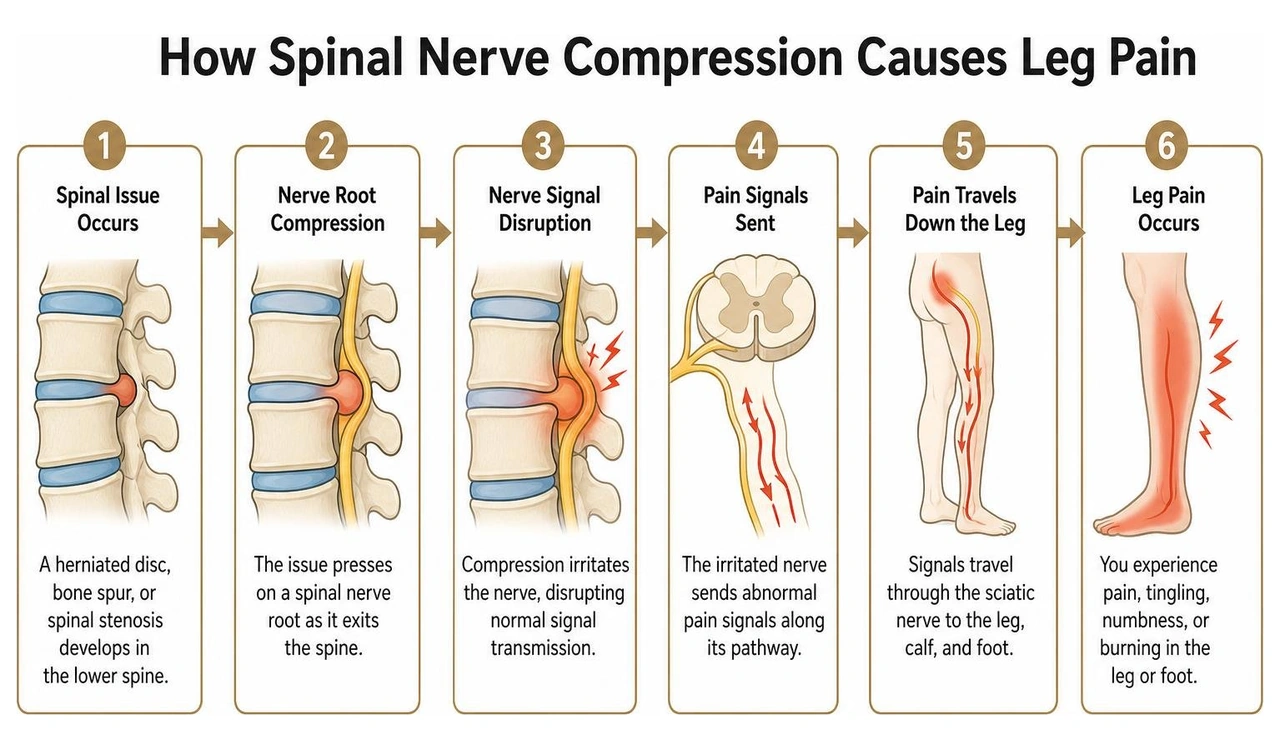
Before we dive into the remedies, we must understand why your legs are hurting. Leg nerve pain rarely starts in the leg itself. More often, it is a secondary symptom of a problem originating in your spine or a systemic metabolic issue.
For instance, the sciatic nerve is the largest and longest peripheral nerve in your body. It originates in your lower lumbar spine and travels all the way down to your toes. When a herniated disc, bone spur, or spinal stenosis compresses the nerve roots in your lower back, it triggers lumbar radiculopathy—commonly known as sciatica. This compression sends shooting pain, numbness, and tingling down the back of your leg.
On the other hand, systemic conditions like diabetes cause microvascular changes. Over time, high blood sugar damages the tiny blood vessels (capillaries) that supply oxygen and nutrients to your nerves. Without proper circulation, the nerves in your feet and lower legs begin to misfire, causing that classic "pins and needles" sensation. To understand how these sensations develop, you can read more about What Causes Tingling and Numbness in Hands and Feet.
When looking for the best natural remedies for nerve pain in legs, we want to focus on substances and therapies that target the root biological mechanisms of neuropathic pain. Unlike conventional painkillers that simply numb your brain's perception of pain, natural remedies often work via:
To help you navigate these options, let us explore some of the most highly rated treatments highlighted by Top 10 Natural Remedies for Nerve Pain in Legs That Ease Pain Without Medication – Natural Health News .
Throughout history, plants have been our primary pharmacy. Today, rigorous clinical trials are proving that several traditional herbs have a profound impact on peripheral neuropathy and sciatic nerve pain.
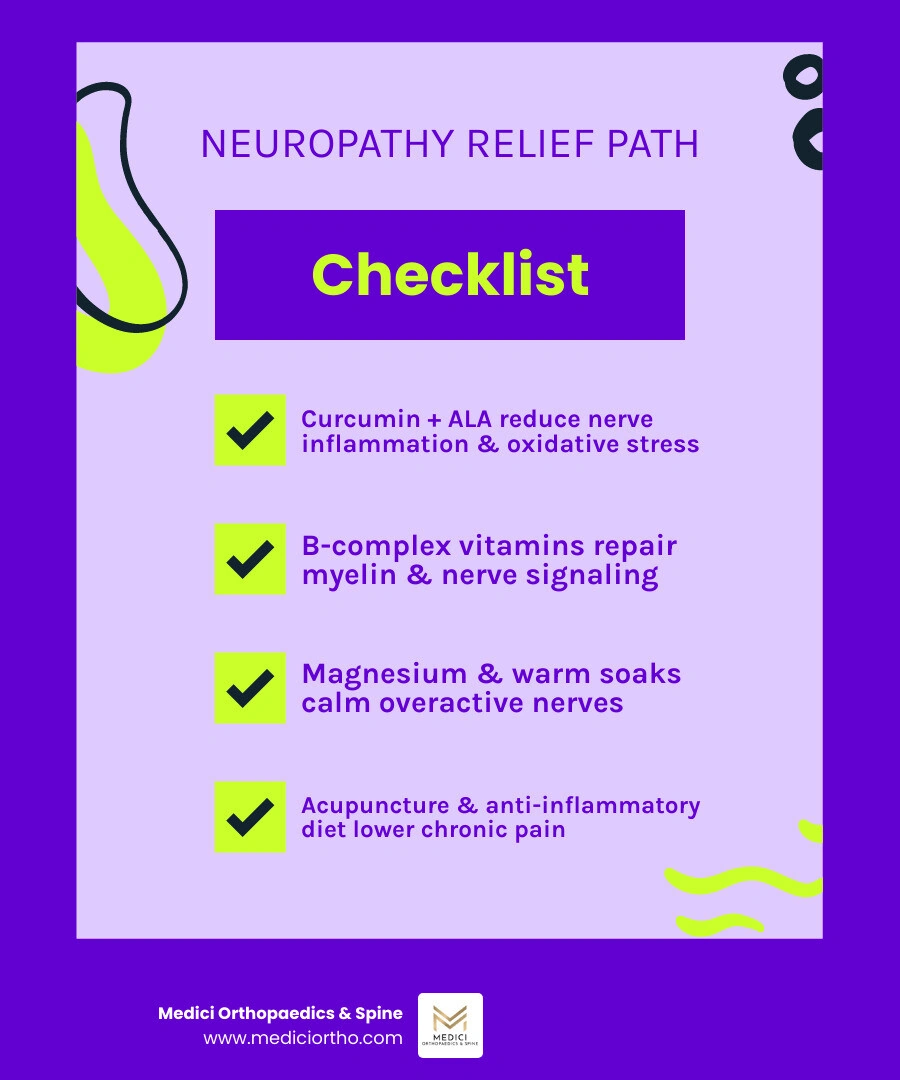
Curcumin is the active compound in turmeric and a legendary anti-inflammatory agent. Research shows that curcumin blocks key inflammatory pathways and protects nerve cells from oxidative stress. It helps soothe the irritated nerve endings in your legs, especially when taken with black pepper (piperine) to maximize absorption.
While less common in Western kitchens, Citrullus colocynthis has demonstrated remarkable efficacy in clinical trials. In a randomized controlled trial, a topical formulation of Citrullus colocynthis extract significantly reduced diabetic polyneuropathy pain in patients after three months of use. It represents a powerful topical option for localized foot and leg burning.
Goshajinkigan is a traditional Japanese Kampo medicine composed of ten different herbs. In a phase 2 multicenter clinical trial, GJG was shown to delay the onset of grade 2 or greater peripheral neuropathy induced by oxaliplatin (a common chemotherapy drug). It works by improving peripheral circulation and inhibiting spinal pain transmission.
Saffron is not just the world's most expensive spice; it is also a potent neuroprotective agent. Clinical and animal models show that saffron extracts reduce thermal and mechanical hypersensitivity by limiting oxidative stress and protecting the myelin sheath.
For a deeper dive into the clinical data supporting these botanicals, you can read A comprehensive review on clinically proven natural products ... and explore the Natural therapy proposed for the management of diabetic peripheral neuropathy (DPN) | Inflammopharmacology | Springer Nature Link .
In addition to herbal extracts, your nerves require specific raw materials to repair themselves and function correctly. Deficiencies in key vitamins and minerals can trigger or worsen neuropathy symptoms.
For more practical tips on building a supplement routine, check out our guide on the Best At-Home Remedies for Nerve Pain.
While pills and supplements are helpful, they work best when paired with daily physical and complementary therapies. Think of these lifestyle adjustments as ways to mechanically decompress your nerves and boost your body's natural healing systems. You can learn more about these strategies in our overview of Lifestyle Changes to Manage Chronic Pain Naturally.
Soaking your feet in warm water (around 100°F or 40°C) with Epsom salts for 15 minutes is a simple, highly effective way to find relief. The warmth dilates your blood vessels, improving blood flow to damaged peripheral nerves. Meanwhile, the magnesium in Epsom salts is absorbed through your skin, helping to calm overactive nerve endings. Safety tip: Always test the water temperature with your elbow or a thermometer first, especially if neuropathy has reduced the sensation in your feet, to avoid accidental burns.
If your nerve pain is driven by acute inflammation (like a sudden flare-up of sciatica), ice is your best friend. Applying an ice pack wrapped in a towel to your lower back or leg for 10 to 15 minutes can reduce local inflammation and numb sharp pain. In fact, clinical studies show that cryotherapy can reduce chemotherapy-induced neuropathy symptoms by up to 30%.
Massage is highly beneficial, particularly for compression-related nerve issues. A traditional Thai foot massage has been shown to improve blood circulation and balance in diabetic neuropathy patients, helping to restore lost sensation.
To explore more ways to boost blood flow to your lower extremities, read our guide on How to Improve Circulation for Peripheral Neuropathy.
To achieve lasting relief, we must address the systemic factors that damage your nerves day in and day out.
To understand how these lifestyle changes stack up, let's look at the table below:
| Lifestyle Change | Primary Mechanism of Action | Impact on Leg Nerve Pain |
|---|---|---|
| Smoking Cessation | Restores microvascular blood flow and oxygen delivery | Reduces numbness and accelerates nerve tissue repair |
| Blood Sugar Control | Stops the progression of microvascular damage | Prevents further axonal degeneration and burning sensations |
| Acupuncture | Stimulates endorphin release and nerve regeneration | Alters spinal pain thresholds and restores sensation |
| Anti-Inflammatory Diet | Lowers systemic inflammatory cytokines (TNF-α, IL-6) | Calms hyperactive nerve firing and reduces chronic pain |
You can find more detail on how these habits protect your nervous system in the article on 7 Natural Treatments for Peripheral Neuropathy .
Sometimes, natural home remedies and lifestyle changes aren't quite enough to fully manage severe, chronic nerve pain. When pain disrupts your sleep and mobility, you don't have to resort to heavy, addictive prescription narcotics.
At Medici Orthopaedics & Spine, we specialize in advanced, non-surgical, non-opioid treatments that work in harmony with your body's natural healing systems.
To learn more about these advanced, drug-light options, read our comprehensive guide on the Best Non-Opioid Pain Management Options.
It depends on the stage of the damage. Nerves in the peripheral nervous system have a limited ability to regenerate, provided the underlying cause (like high blood sugar or nerve compression) is removed.
Natural remedies are excellent for neuroprotection and managing symptoms, but they cannot magically repair a nerve that has undergone complete axonal degeneration. The key is early intervention—treating Schwann cell abnormalities before permanent structural damage occurs.
Yes. Just because a remedy is natural does not mean it is completely harmless. For example, high doses of turmeric or curcumin can thin your blood, which may interact dangerously with prescription blood thinners like warfarin.
Alpha-lipoic acid can lower blood sugar, meaning your diabetic medication dosages may need to be adjusted to prevent hypoglycemia. Always consult a healthcare professional before starting any new herbal supplements.
While home care is wonderful for mild, occasional discomfort, you should seek immediate medical evaluation if you experience any of the following "red flag" symptoms:
Managing nerve pain in your legs requires a holistic, patient-centered approach. By combining natural remedies for nerve pain in legs—like curcumin, alpha-lipoic acid, warm Epsom salt baths, and regular stretching—with healthy daily habits, you can significantly reduce your discomfort and improve your mobility.
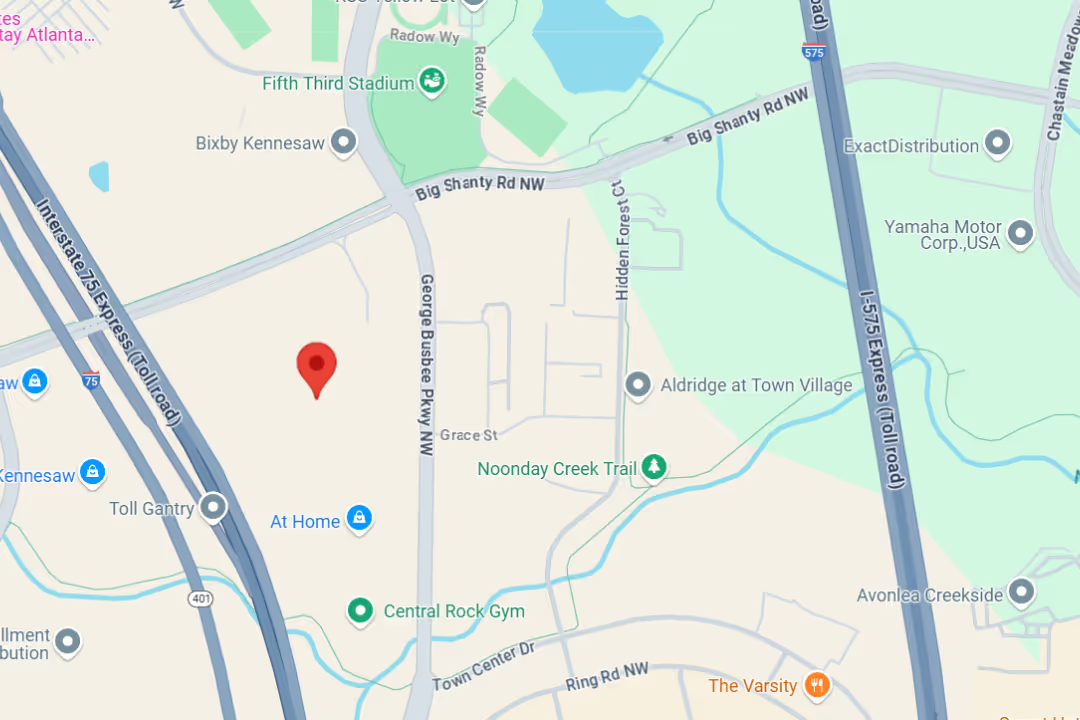
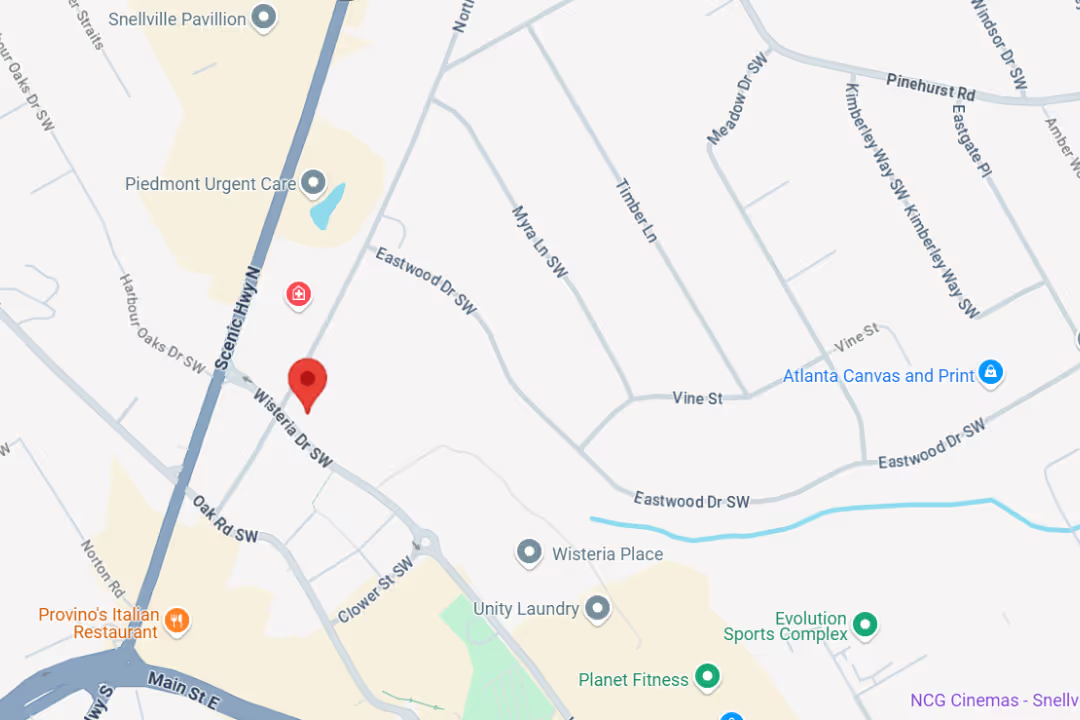
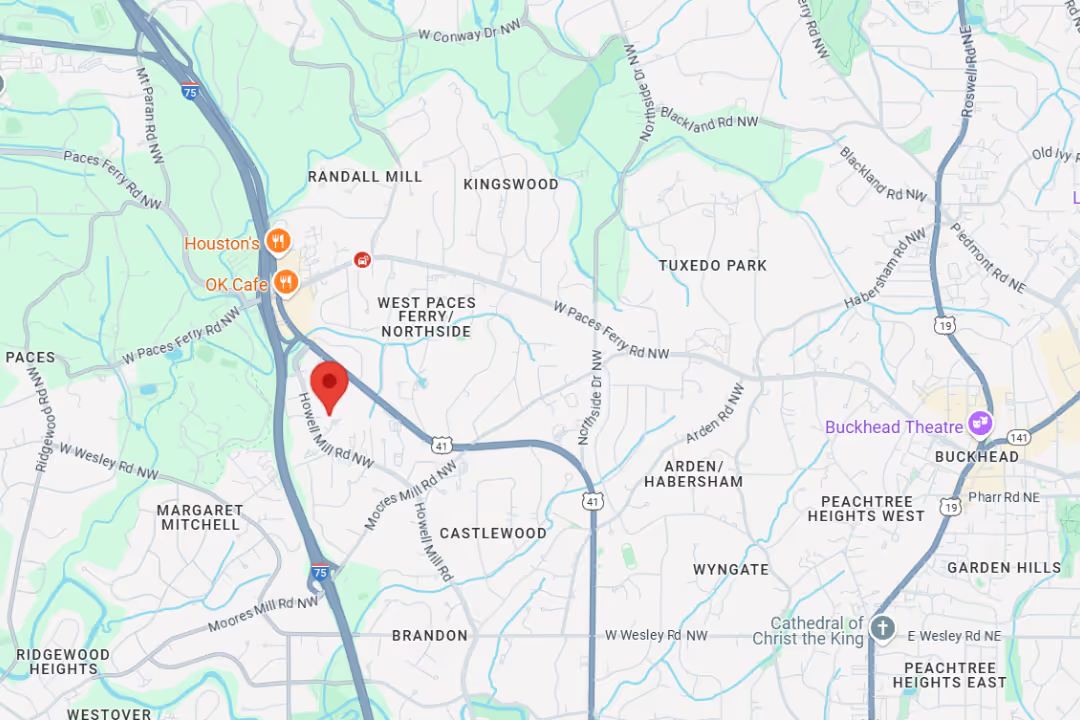
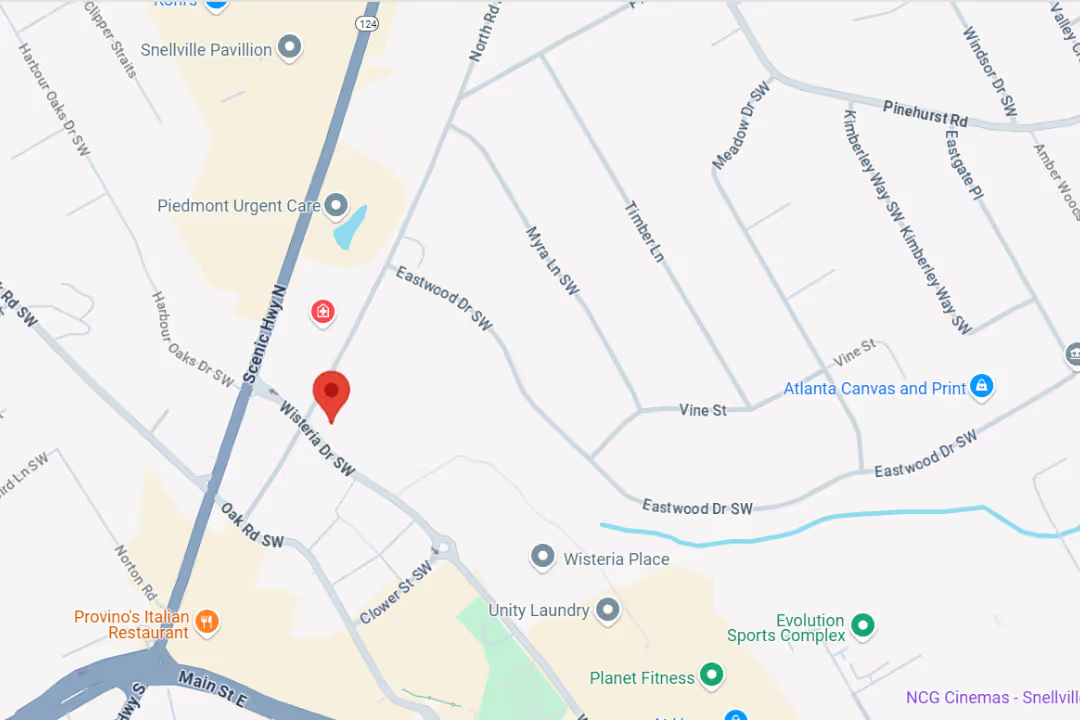
However, if your pain persists, you don't have to navigate this journey alone. At Medici Orthopaedics & Spine, Dr. Sonny Dosanjh, M.D., and our dedicated team are committed to helping you optimally restore your quality of life. We offer integrated, non-surgical treatments tailored to your unique needs across our Metro Atlanta locations, including Snellville, Kennesaw, Buckhead, Marietta, and Atlanta.
Ready to take the next step toward lasting relief? Schedule a consultation with us today and explore our specialized Diabetic neuropathy treatment near me. Let's work together to help you get back to enjoying life to the fullest!
At Medici, you’re more than your MRI.
We take time to hear your story, understand your pain, and create a plan that actually works for you.

Our team delivers specialist care at convenient locations across Metro Atlanta:
Get expert tips on injury recovery, pain relief, joint health, and movement strategies—straight from our Fellowship-Trained team.