Living with nerve pain can feel like a constant battle. It’s not just the physical discomfort—it’s the unpredictability. One day it’s a burning sensation, the next it’s sharp, shooting pain that interrupts even the simplest tasks. Over time, that daily frustration can wear you down, affecting your sleep, your mood, and your ability to enjoy life.
What makes nerve pain even more challenging is that it’s often invisible. Unlike a broken bone or visible injury, nerve-related conditions don’t always show up clearly on the surface. Because of this, many patients find themselves misunderstood or dismissed, even when their pain is very real.
That experience can take an emotional toll. Feeling like you’re not being heard—or worse, not being taken seriously—can be just as difficult as the pain itself. And unfortunately, finding a specialist who truly listens, takes the time to understand your symptoms, and looks beyond quick fixes isn’t always easy.
Nerve pain, also known as neuropathy, is different from the typical pain you might feel in muscles or joints. Instead of stemming from inflammation or strain, it originates from damage or irritation within the nervous system itself.
This type of pain can be caused by:
Because nerves act as communication pathways throughout the body, even a small disruption can create widespread and sometimes confusing symptoms.
Nerve pain often presents in ways that feel very different from traditional aches or soreness. Patients frequently describe sensations that are difficult to put into words.
Common symptoms include:
These symptoms may:
This variability is one of the reasons nerve pain can be so frustrating to manage.
Diagnosing nerve pain isn’t always straightforward. In many cases, the symptoms don’t point clearly to a single cause.
Challenges often include:
This complexity makes it essential to work with a provider who takes the time to dig deeper and connect the dots.
One of the most common frustrations patients share is feeling rushed during appointments. When time is limited, conversations become brief—and important details can be missed.
This can lead to:
Nerve pain, in particular, requires a more thoughtful and detailed evaluation.
Because nerve pain can be difficult to see or measure, some patients are told their symptoms are “normal” or something they just have to live with.
This can result in:
Being dismissed doesn’t just slow recovery—it can make patients feel isolated in their experience.
In many cases, treatment focuses on managing symptoms quickly rather than understanding why they’re happening.
This often includes:
While these approaches may provide temporary comfort, they rarely lead to lasting improvement.
Nerve pain is rarely straightforward, which is why a meaningful conversation is one of the most important parts of your care.
A specialist who truly listens will:
This deeper understanding often reveals patterns and triggers that might otherwise be missed.
Accurate diagnosis is the foundation of effective treatment—especially with nerve-related conditions.
Look for providers who utilize:
More importantly, they should be willing to look beyond obvious findings, connecting subtle clues to uncover the true source of your pain.
Nerve pain doesn’t respond well to one-size-fits-all care. The best specialists offer a variety of treatment options and tailor them to your specific condition.
These may include:
Having multiple options allows for a more flexible, personalized approach—one that evolves as your body responds to treatment.
A key goal in modern pain management is to reduce reliance on long-term medications and avoid unnecessary procedures whenever possible.
A quality specialist will prioritize:
This approach helps patients move toward sustainable recovery rather than temporary relief.
Perhaps one of the most overlooked—but essential—qualities is how a provider communicates.
You should feel confident that your specialist:
When communication is clear and collaborative, patients feel more empowered—and that confidence plays a major role in successful outcomes.
If your appointment feels hurried or your concerns aren’t fully addressed, it can be a sign that your care isn’t being prioritized.
Watch for:
While medication and surgery can be appropriate in some cases, they shouldn’t be the first or only options presented.
Be cautious if:
You deserve to understand what’s causing your pain—not just how it’s being treated.
Red flags include:
Nerve pain often requires a multidisciplinary approach. If providers aren’t communicating, your care can become fragmented.
This may result in:
Being heard is more than just a comfort—it’s a critical part of effective treatment, especially when it comes to nerve pain. The details you share, the way your symptoms evolve, and how your body responds all play an essential role in reaching the right diagnosis and creating a treatment plan that actually works.
Choosing that kind of care requires intention, but it pays off. When you feel confident in your provider and understood in your experience, your path forward becomes clearer—and your outcomes stronger.
If you’re dealing with nerve pain and feel like your concerns haven’t been fully heard, it may be time for a different approach. At Medici Orthopaedics & Spine, we believe that listening is the first step to healing.
Our team takes the time to understand your symptoms, your story, and your goals—so we can build a treatment plan that truly works for you. With advanced diagnostics and minimally invasive solutions, we focus on helping you find lasting relief without unnecessary procedures or long-term medication dependence.
Contact Medici Orthopaedics & Spine today:
Locations:
Marietta Surgery Center
792 Church Street, Unit 101
Marietta, GA 30060
(470) 795-8398
Snellville Surgery Center
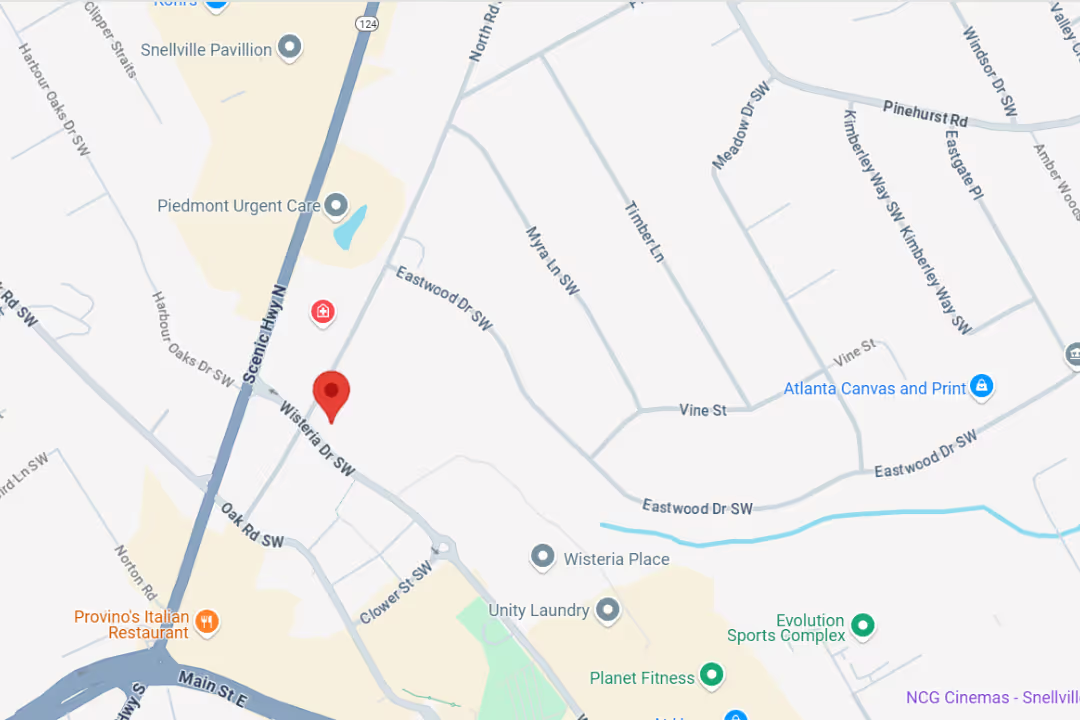
2220 Wisteria Dr, Unit 100
Snellville, GA 30078
(470) 795-8398
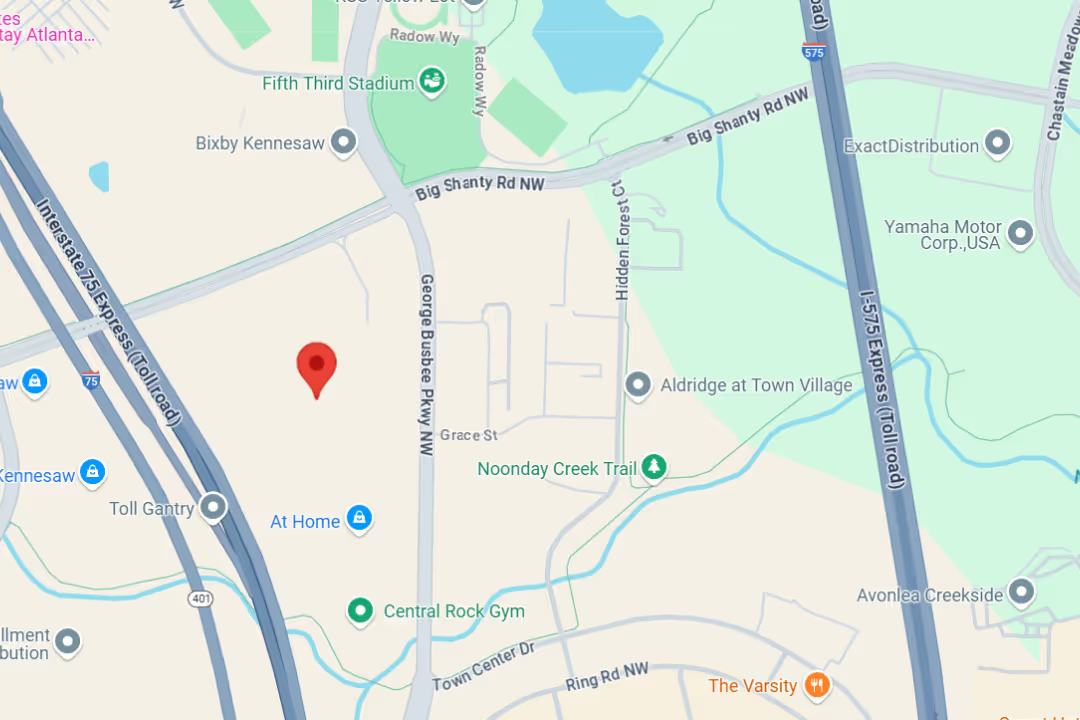
Kennesaw Clinic
2911 George Busbee Parkway, Suite 50
Kennesaw, GA 30144
(770) 545-6404
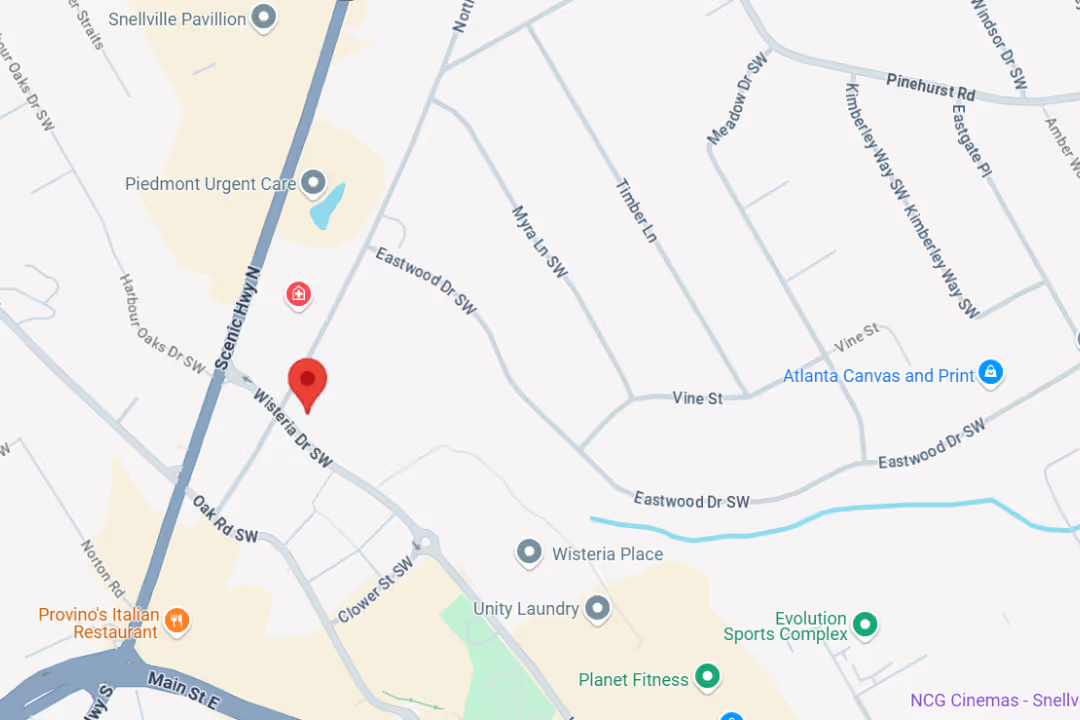
Snellville Clinic
2220 Wisteria Drive, Unit 101
Snellville, GA 30078
(470) 645-9297
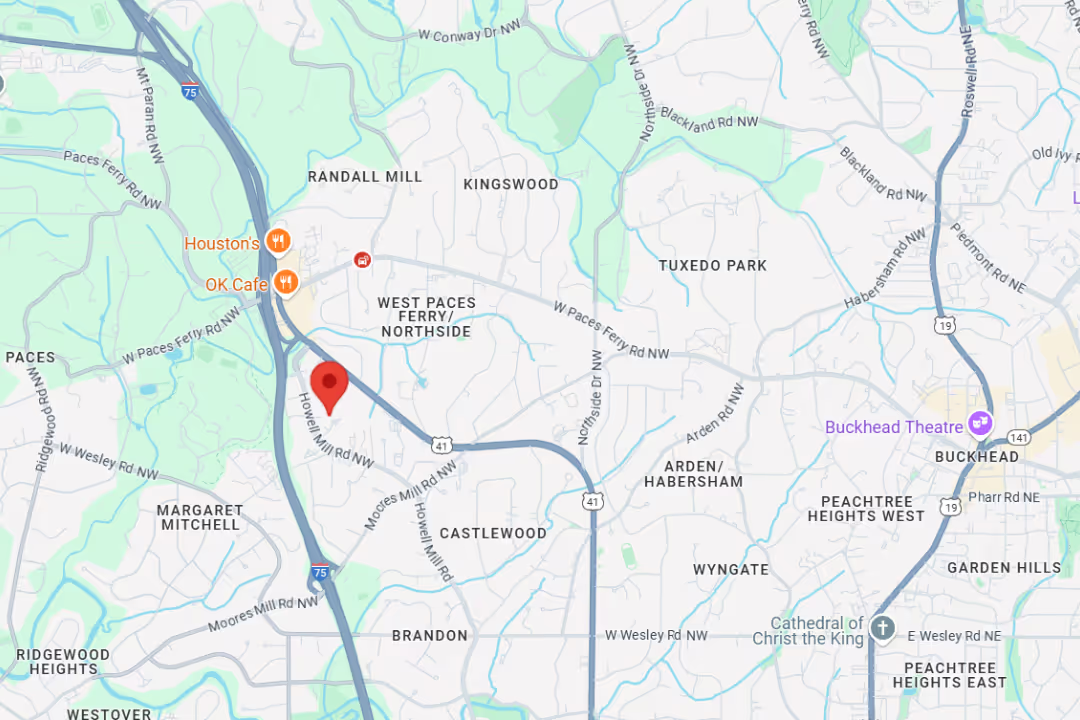
Buckhead PM&R
3200 Downwood Circle NW, Suite 520
Atlanta, GA 30327
(770) 872-7549
At Medici, you’re more than your MRI.
We take time to hear your story, understand your pain, and create a plan that actually works for you.

Our team delivers specialist care at convenient locations across Metro Atlanta:
Get expert tips on injury recovery, pain relief, joint health, and movement strategies—straight from our Fellowship-Trained team.