Non surgical spine care is a broad set of treatments that relieve back and neck pain without going under the knife — and for most people, it works.
Here is a quick overview of what it covers:
| What You Want to Know | The Short Answer |
|---|---|
| What is it? | Medical treatments for spine pain that avoid surgery — including injections, physical therapy, and more |
| Who is it for? | Most people with herniated discs, sciatica, spinal stenosis, degenerative disc disease, whiplash, and chronic back or neck pain |
| Does it actually work? | Yes — over 90% of spine patients can improve significantly without surgery |
| Who leads the care? | Physiatrists (PM&R physicians) are the specialists trained specifically for this |
| What are the main treatments? | Physical therapy, epidural steroid injections, radiofrequency ablation, spinal manipulation, spinal cord stimulation, and lifestyle changes |
| When is surgery needed? | Only for progressive neurological deficits, severe deformity, or when conservative care has been fully exhausted |
Back pain is one of the most common reasons people visit a doctor. It is also one of the most overtreated with surgery. The research is clear: elective spine surgery carries an overall complication rate of 40% to 50%, and conditions like pseudarthrosis (failed fusion) affect up to 27% of patients. Yet many people go straight to the operating room before ever truly exploring what conservative care can do.
The good news? Most spine conditions — from a nagging herniated disc to debilitating sciatica — respond well to structured, non-surgical treatment when it is done right.
I am Dr. Sonny Dosanjh, M.D., board-certified in Physical Medicine & Rehabilitation and fellowship-trained at Emory University in Multidisciplinary Pain Management, with a clinical practice built entirely around delivering effective non surgical spine care to patients across Metro Atlanta. In this guide, I will walk you through exactly how conservative spine care works, who it helps, and how to know if it is the right path for you.
At Medici Orthopaedics & Spine, our core philosophy is simple: we believe in identifying and treating the root cause of your pain rather than simply masking your symptoms with heavy medications or rushing you into a major surgical procedure.
When a patient experiences severe back or neck pain, the natural fear is that their spine is structurally failing and requires a surgical "fix." However, the human spine is an incredibly resilient, dynamic structure. True healing often requires calming the nervous system, restoring muscle balance, and reducing localized inflammation rather than structurally altering your anatomy.
To achieve this, we rely on precise, state-of-the-art diagnostic protocols. Rather than relying solely on standard MRIs—which can sometimes show structural abnormalities that aren't actually causing your pain—we utilize advanced diagnostic tools. This includes SPECT/CT scans, which combine metabolic and structural imaging to reveal active spinal inflammation that standard imaging might miss. We also perform diagnostic injection therapies, where we temporarily block pain signals from specific nerves or joints. If your pain vanishes during the block, we have found the exact root cause of your discomfort.
This meticulous approach is why we can confidently say that over 90% of our patients improve without surgery. By taking the time to map out your pain pathways, we can tailor a highly targeted, non-invasive recovery plan that spares you the risks of the operating room. For a deeper look at the data supporting these non-invasive approaches, you can read the Scientific research on noninvasive back pain treatments.
Non-surgical spine care encompasses a comprehensive range of medical, physical, and interventional therapies designed to resolve pain and restore mobility. It is not a single treatment, but rather a coordinated, multi-modal strategy tailored to your specific diagnosis.
We routinely and successfully treat a wide array of spinal conditions without surgery, including:
If you are living in the Metro Atlanta area and want to learn more about how we apply these therapies, explore our guide on non-surgical spine treatments in Georgia.
How do you know if you are a candidate for conservative care, or if you actually need to see a surgeon? For the vast majority of patients, a structured trial of non-surgical care is not just the first step—it is the only step required.
We recommend a conservative treatment trial period of at least 6 to 12 weeks for most non-emergency spinal conditions. During this time, we combine physical therapy, lifestyle changes, and targeted interventional procedures to give your body the optimal environment to heal.
However, there are certain "red flag" symptoms that indicate immediate surgical evaluation is necessary. You should seek urgent medical attention if you experience:
If you do not have these emergency symptoms, non-surgical care is overwhelmingly your safest and most effective path forward. To understand your options better, you can read more about the alternatives to spine surgery in Snellville.
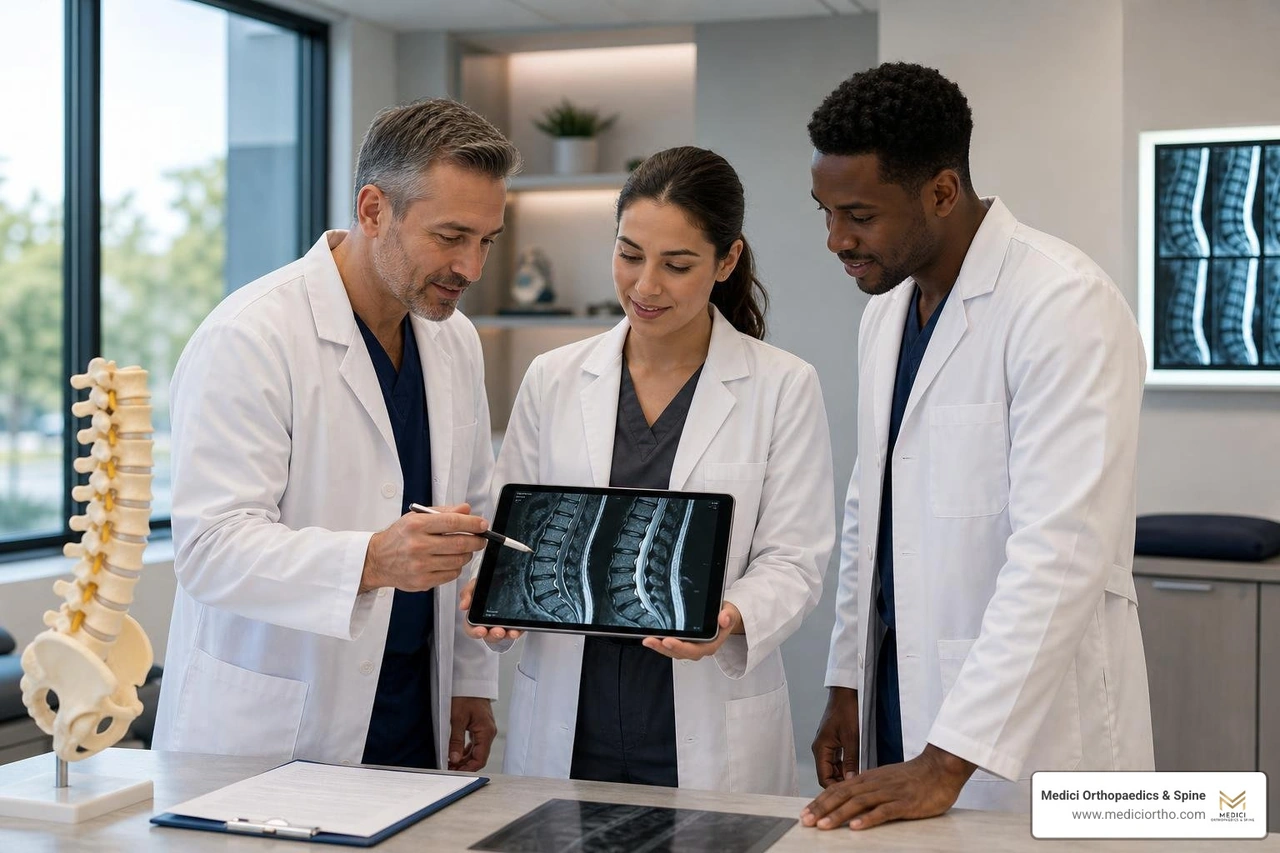
Navigating spine care can feel incredibly confusing. When your back hurts, who should you see first? A chiropractor? A physical therapist? A neurosurgeon?
At Medici Orthopaedics & Spine, we believe the best outcomes are achieved through a coordinated, multidisciplinary care model. Rather than working in isolated silos, different specialists should communicate and work together. This ensures that your diagnostics, active rehabilitation, and interventional treatments are completely aligned.
To help you understand the distinct roles of these healthcare professionals, we have broken down their training, approach, and primary treatment tools in the comparison table below:
| Medical Specialist | Training | Primary Philosophy | Primary Treatment Tools |
|---|---|---|---|
| Physiatrist (PM&R MD/DO) | Medical School + 4-year PM&R Residency | Restoring function and quality of life using non-surgical, medical, and interventional methods. | Diagnostic nerve studies, image-guided injections, spinal cord stimulation, coordinating physical therapy. |
| Chiropractor (DC) | 4-year Chiropractic College | Restoring spinal alignment and nervous system function through manual therapy. | Spinal manipulation, mobilization, manual adjustments, soft-tissue therapies. |
| Orthopedic / Spine Surgeon (MD/DO) | Medical School + 5-year Residency + Spine Fellowship | Correcting structural, mechanical, or anatomical spinal deformities and instability. | Decompression, spinal fusion, disc replacement, minimally invasive spinal surgeries. |
A physiatrist is a medical doctor (MD or DO) who specializes in Physical Medicine and Rehabilitation (PM&R). Think of a physiatrist as the "quarterback" of your spine care team. Our entire medical specialty is built around diagnosing and treating pain and neuromuscular disorders non-surgically.
Because we are medical doctors, we perform comprehensive clinical evaluations, prescribe targeted medications, and order advanced imaging. We also specialize in performing electrodiagnostics—such as electromyography (EMG) and nerve conduction studies—to pinpoint exactly where a nerve is compressed or damaged.
If your recovery requires targeted injections to calm a hot nerve, or if you need a referral to a highly specialized physical therapist, we coordinate and oversee that entire process. We bridge the gap between basic conservative treatments and major surgery, ensuring you have access to advanced interventional options. Learn more about working with a spine care specialist in Georgia to coordinate your recovery.
Spinal manipulation is a highly popular and widely utilized non-surgical treatment. In fact, chiropractic care usage among U.S. adults has grown significantly, rising from 7.4% in 2002 to 11.0% in 2022.
It is important to understand the difference between the two main manual therapy techniques:
From a scientific standpoint, clinical studies show that for adults with acute low-back pain, spinal manipulation is associated with a modest improvement in pain, yielding benefits similar to taking nonsteroidal anti-inflammatory drugs (NSAIDs). For chronic low-back pain, manual therapy provides short-term relief comparable to other proven therapies like structured exercise. To explore the clinical safety guidelines and efficacy data, read the Scientific research on spinal manipulation safety and benefits.
When basic home remedies and oral medications aren't enough to break the cycle of chronic spine pain, we step up our approach using advanced, minimally invasive interventional procedures. These treatments are designed to directly target the source of your pain, quiet down inflamed tissues, and create a "window of relief" so you can comfortably participate in active physical rehabilitation.
Some of the most effective interventional treatments we offer include:
By combining these advanced procedures with structured rehabilitation, we help patients recover their walking ability and daily function. To see how these treatments compare to other options for complex conditions, read the Scientific research on spinal stenosis treatments.
Active physical therapy is the absolute cornerstone of long-term spinal health. While passive treatments like ice, heat, and massage can make you feel better temporarily, they do not fix the underlying mechanical issues that caused your pain in the first place.
At Medici Orthopaedics & Spine, we emphasize targeted core strengthening and specialized physical therapy protocols, such as the McKenzie Method (also known as Mechanical Diagnosis and Therapy). Developed by physical therapist Robin McKenzie, this method classifies spinal pain based on how your symptoms behave during specific, repeated movements.
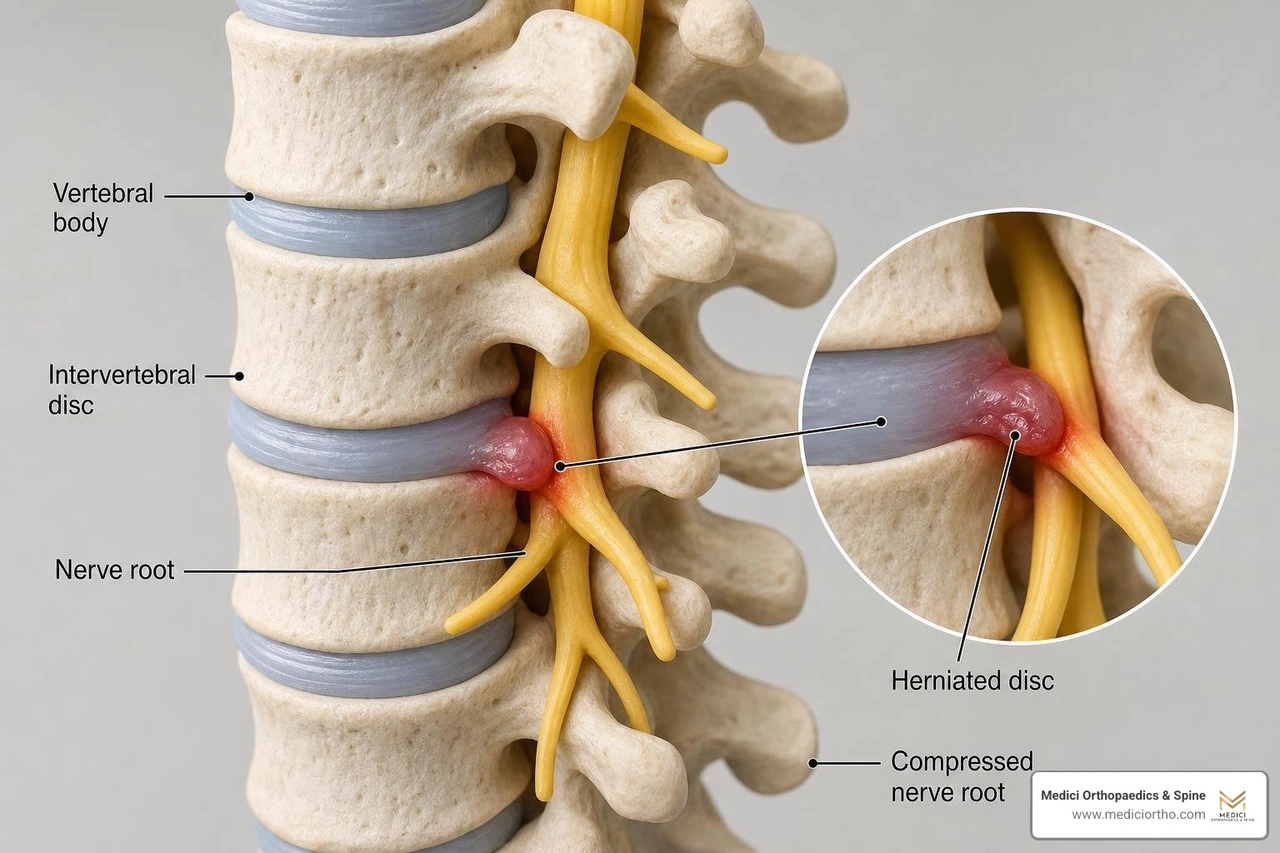
For patients with a herniated disc, specific backward arching (extension) exercises can compress the back of the spinal disc. This creates a natural "vacuum effect" that helps draw the herniated, jelly-like center of the disc back inward, immediately taking pressure off adjacent nerve roots.
By strengthening the deep stabilizing muscles of your abdomen and lower back (your "inner back brace"), we reduce the mechanical stress placed on your spinal joints and discs. If you want to design a physical therapy plan that works, read our guide on the best non-surgical back pain treatments in Georgia.
To truly heal your spine and prevent future injuries, we must look at the whole picture. Your daily habits, nutrition, and overall physical health play a massive role in your body's ability to recover and maintain spinal stability.
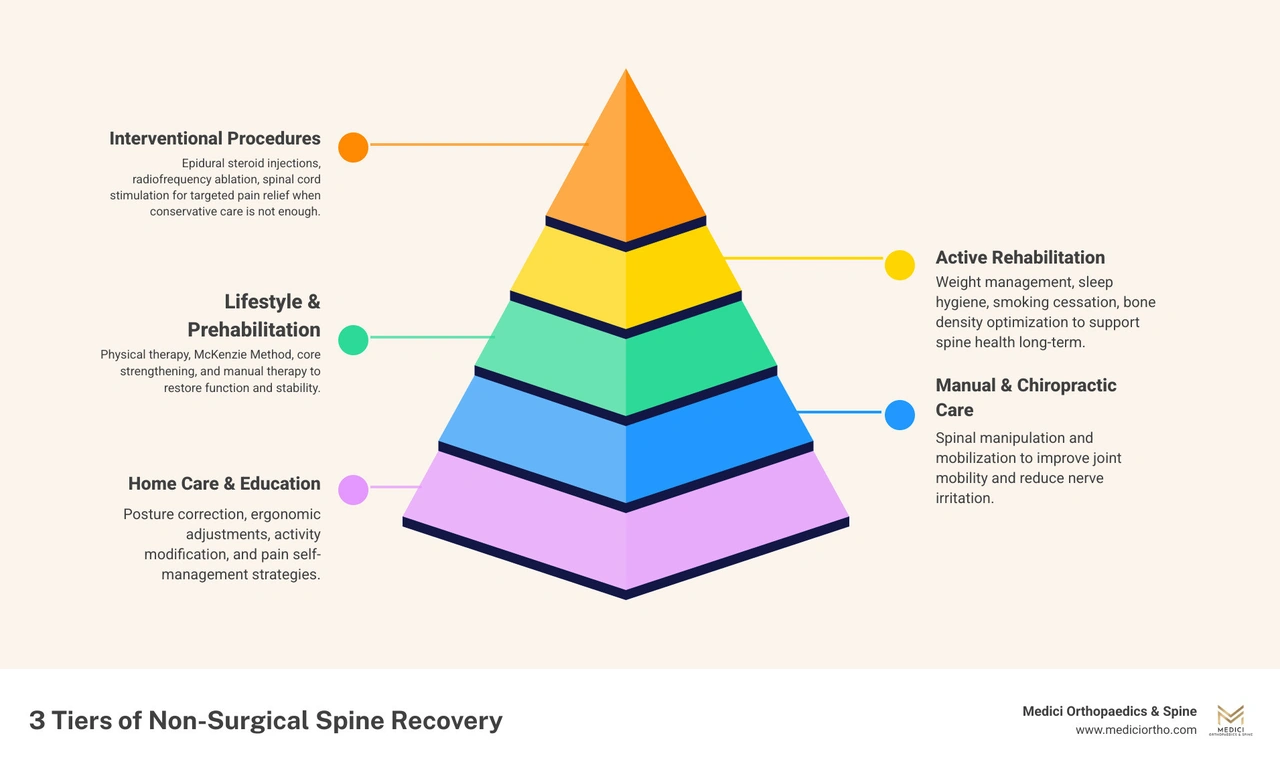
We work with our patients to implement a comprehensive "prehabilitation" and lifestyle optimization pathway, which we have outlined in the diagram below:
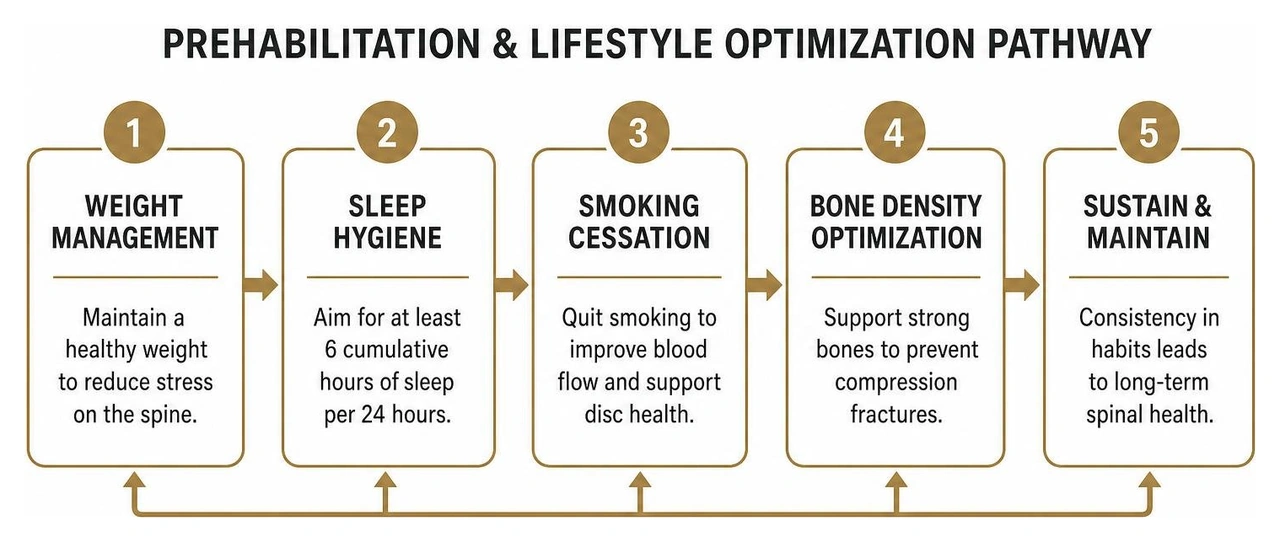
For a detailed look at the clinical protocols and literature surrounding prehabilitation, explore the Scientific research on structured non-operative care for spinal deformity.
Yes, absolutely. By focusing on structural stabilization, core muscle strengthening, and correcting faulty movement patterns, non-surgical spine care directly addresses the root mechanical causes of your pain.
When you build a strong, supportive muscular "brace" around your spine and learn how to move correctly, you relieve the chronic mechanical overload on your discs and joints. This stops the cycle of wear-and-tear, allowing irritated tissues to heal and preventing further spinal degeneration. For most patients, this comprehensive approach permanently eliminates the need for surgical intervention. You can read more about these effective non-surgical options for back pain.
During your initial consultation at Medici Orthopaedics & Spine, our primary goal is to listen to your story and understand how your pain is impacting your life. We will perform a highly detailed physical and neurological evaluation, testing your reflexes, muscle strength, and joint mobility.
We will also review any previous diagnostic imaging (such as X-rays or MRIs) you may have. If you do not have recent imaging, we can coordinate advanced diagnostics to pinpoint the precise source of your discomfort. From there, we will collaborate with you to design a personalized, multi-system treatment plan tailored to your body and your lifestyle. To prepare for your visit, check out what to expect from a non-surgical spine specialist in Snellville.
When performed by a board-certified, fellowship-trained specialist using precise fluoroscopic (X-ray) guidance, advanced interventional procedures have an exceptionally high safety profile.
The most common side effects are mild and temporary, such as localized soreness at the injection site or a transient headache, which typically resolve within 24 hours. Serious complications, such as infection or nerve injury, are extremely rare (occurring in fewer than 1% of cases). Compared to the 40% to 50% complication rate associated with major spinal surgeries, non-surgical interventional procedures represent a remarkably safe, low-risk path to lasting pain relief. If you'd like to learn more about the safety and efficacy of these procedures, read about exploring non-surgical spine treatments in Georgia.
Living with chronic back or neck pain can make your world feel incredibly small, limiting your ability to work, play, and enjoy life with the people you love. But you do not have to choose between living in constant pain or undergoing risky, invasive spinal surgery.
At Medici Orthopaedics & Spine, we are committed to delivering compassionate, patient-centered care designed to optimally restore your quality of life. By combining advanced diagnostics, precise interventional procedures, and active physical rehabilitation, we help the vast majority of our patients find lasting relief and avoid the operating room entirely.
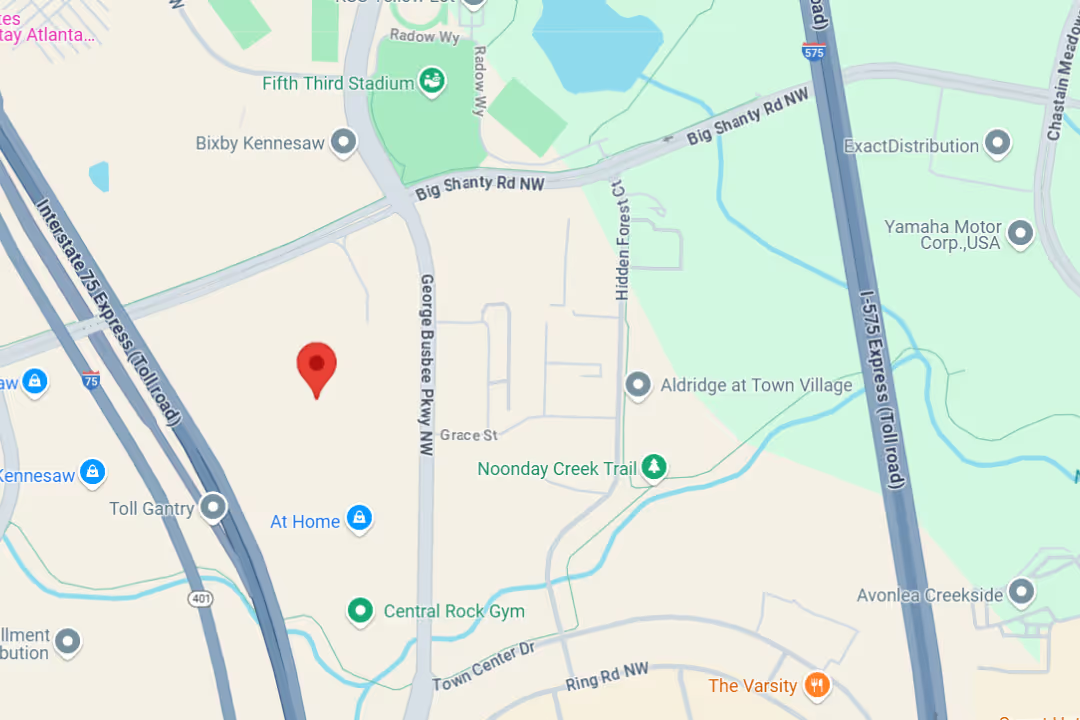
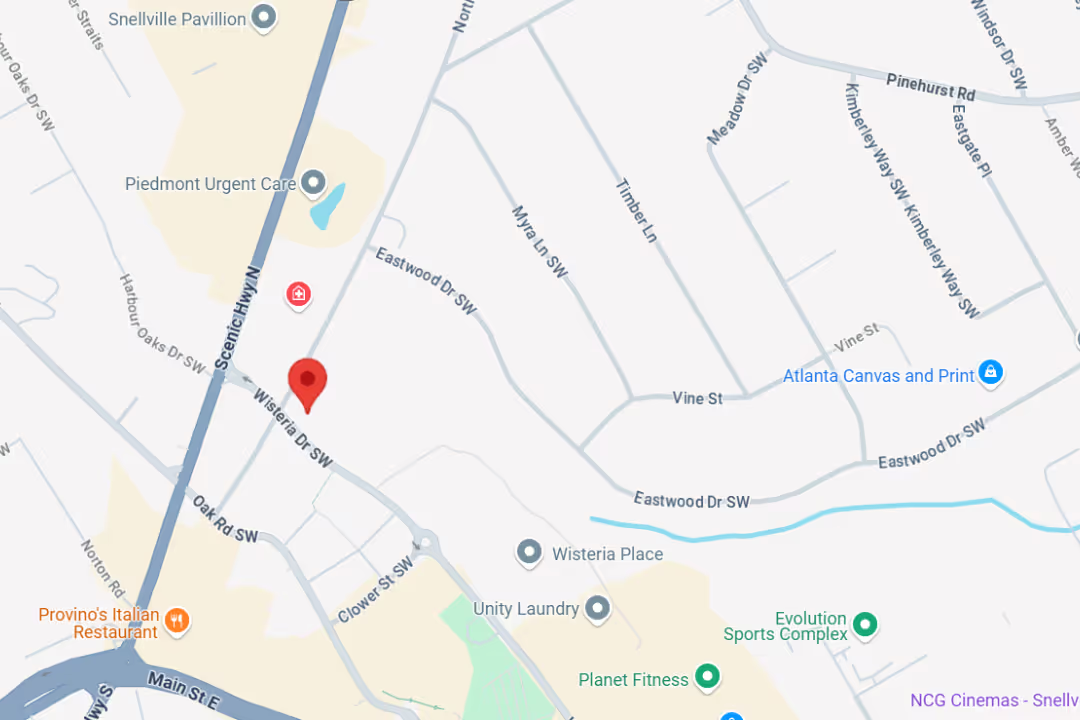
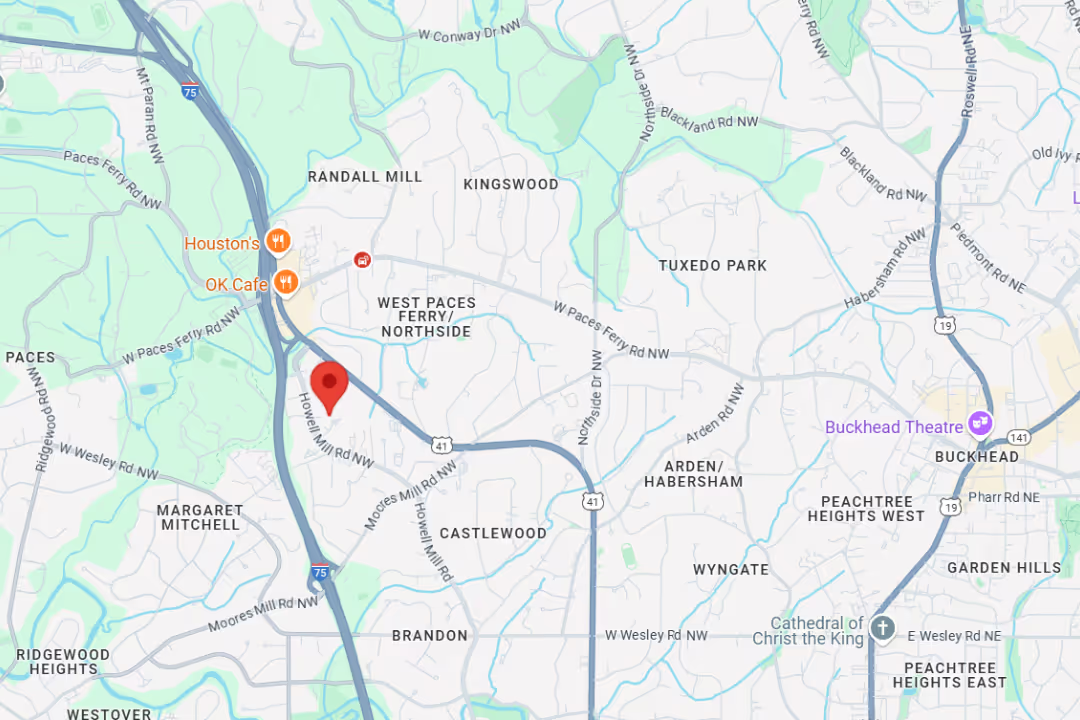
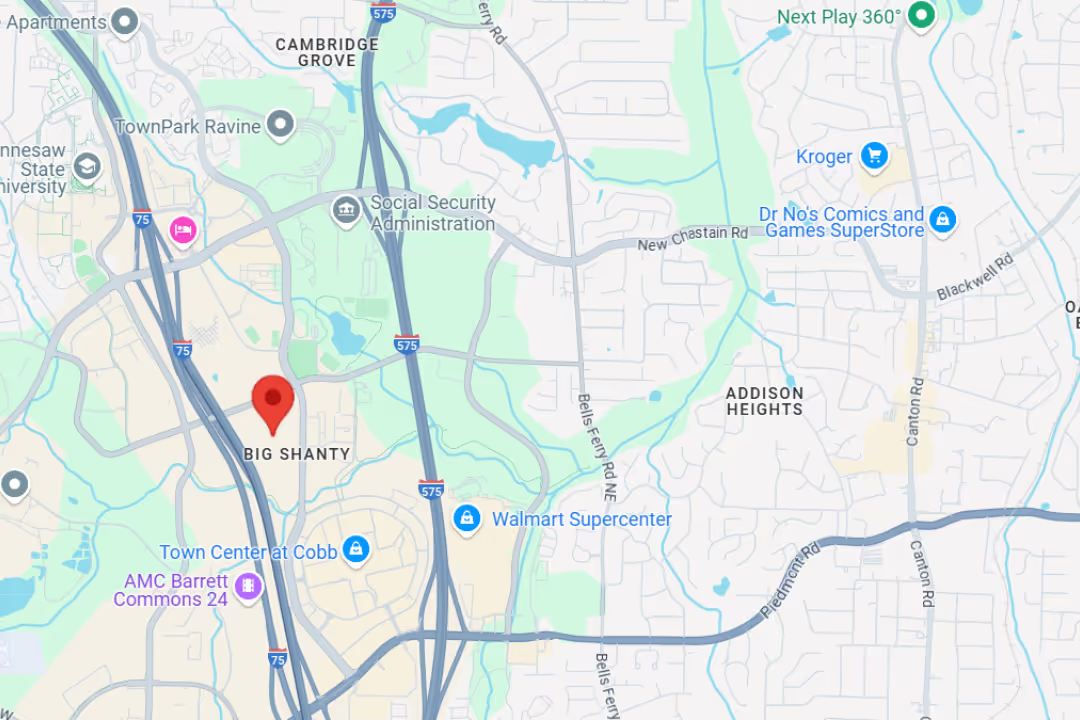
If you are ready to take the first step toward a pain-free, active life, we invite you to visit us at one of our convenient Metro Atlanta locations in Snellville, Kennesaw, Marietta, or Buckhead. You can schedule a consultation for lower back pain relief online to begin your recovery journey. Let us help you get back to the life you love.
At Medici, you’re more than your MRI.
We take time to hear your story, understand your pain, and create a plan that actually works for you.
Our team delivers specialist care at convenient locations across Metro Atlanta:
Get expert tips on injury recovery, pain relief, joint health, and movement strategies—straight from our Fellowship-Trained team.