A rotator cuff tear rehab protocol is a structured, phase-by-phase recovery plan that guides you from initial injury or surgery back to full shoulder function. Here's a quick overview of what it involves:
Rotator Cuff Tear Rehab Protocol at a Glance:
Timeline varies based on tear size, surgical technique, and individual healing.
Shoulder pain is the third most common musculoskeletal complaint seen by doctors — and the rotator cuff is involved in 65–70% of all shoulder pain cases. Full-thickness rotator cuff tears affect roughly 25% of people in their sixties and more than 50% of those in their eighties. In the US alone, that's over 5.7 million people over age 60 living with this condition.
Whether you're recovering from surgery or managing your tear without going under the knife, the path forward is rarely simple. Heal too aggressively and you risk re-tearing. Move too conservatively and you risk stiffness, weakness, and prolonged disability.
The right protocol depends on factors like:
This guide breaks down exactly what a rotator cuff rehab protocol looks like at every stage, so you know what to expect and how to progress safely.
When you are diagnosed with a rotator cuff tear, one of the first and most critical decisions we face together is whether to pursue a conservative, non-surgical route or schedule a surgical repair.
Statistics show that conservative treatment is highly effective, working well for 73–80% of patients. In fact, in a major study of 381 patients with atraumatic full-thickness rotator cuff tears, only 26% ultimately elected to have surgery by their two-year follow-up after completing physical therapy. Interestingly, most of those who did opt for surgery made that decision within the first 12 weeks of starting rehab.
However, the natural history of untreated or non-operatively managed tears is an important factor to consider:
This is why we closely monitor your progress. If you want to explore non-surgical options first, you can read our guide on How to Recover from a Rotator Cuff Injury Without Surgery.
The decision between conservative care and surgery is highly individualized. Age is one of the most significant prognostic factors. For instance, only 43% of patients over the age of 65 treated with arthroscopic rotator cuff repair of a full-thickness supraspinatus tear show evidence of complete tendon healing at 18 months postoperatively, compared with an 86% healing rate in patients under 65.
Because surgical healing potential is compromised in older adults with chronic, degenerative tears, conservative management is often our preferred first-line approach for this group. Conversely, younger, active patients or those with acute traumatic tears (such as from a fall or accident) are usually steered toward early surgical intervention to prevent tear retraction and muscle atrophy.
If you are wondering how conservative care works, we explain the details in How Effective is Physical Therapy for Rotator Cuff Injuries and outline what a typical program involves in Physical Therapy for Rotator Cuff Injuries.
How can some people have a full-thickness tear but still lift their arm without pain? The answer lies in the shoulder's biomechanics, specifically the "cable-crescent" complex. The rotator cuff cable is a thick band of fibers that acts like a suspension bridge, transferring forces around the thinner rotator cuff crescent. If the cable remains intact, the shoulder can often maintain normal force couples and function beautifully despite a moderate crescent tear.
To optimize this natural compensation, a non-operative rotator cuff tear rehab protocol focuses on specific exercise dosage parameters. We typically prescribe targeted, low-intensity exercises performed for 10–15 repetitions, across 3 sets, 3 times per week. This allows the surrounding muscles to hypertrophy and stabilize the glenohumeral joint without overloading the healing tendon.
| Feature / Outcome | Conservative Management | Surgical Repair |
|---|---|---|
| Primary Goal | Pain relief, compensation, and functional restoration | Anatomical restoration and tendon-to-bone healing |
| Success Rate | 73–80% of chronic/degenerative tears | High functional success, but 16–94% structural failure/re-tear rate depending on size |
| Immobilization | Minimal (comfort-only sling for 3–6 days if acute) | Strict sling use for 4–6 weeks (up to 6 weeks for large/massive tears) |
| Ideal Candidate | Older adults (>60), chronic degenerative tears, low overhead demand | Younger patients (<60), acute traumatic tears, high physical demands |
Whether you undergo surgery or pursue conservative treatment, your rehabilitation must respect the biological timeline of tissue healing.

Tendon healing progresses through three overlapping biological phases:
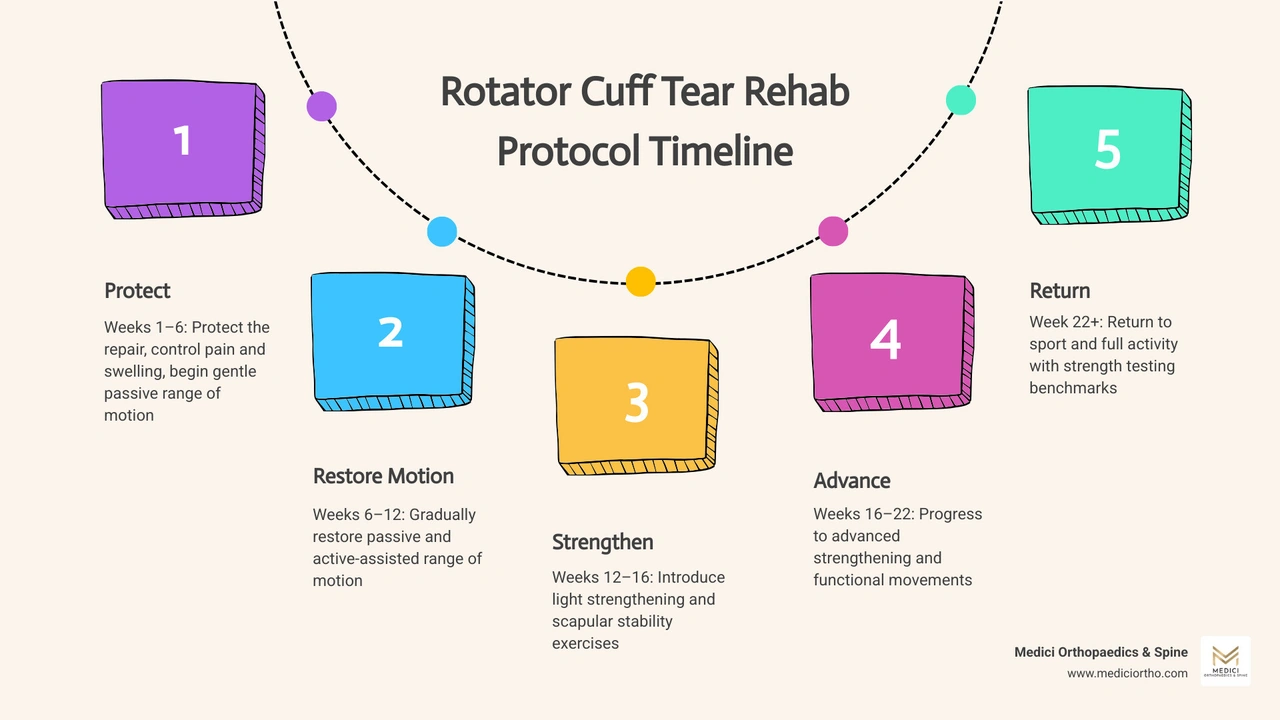
To balance tissue healing with the prevention of postoperative stiffness, we align our clinical pathways with The American Society of Shoulder and Elbow Therapists' consensus statement on rehabilitation following arthroscopic rotator cuff repair. This consensus advocates for milestone-based progression. For a comprehensive weekly overview of this journey, see our detailed breakdown of Physical Therapy for Rotator Cuff Injuries: What to Expect Week by Week.
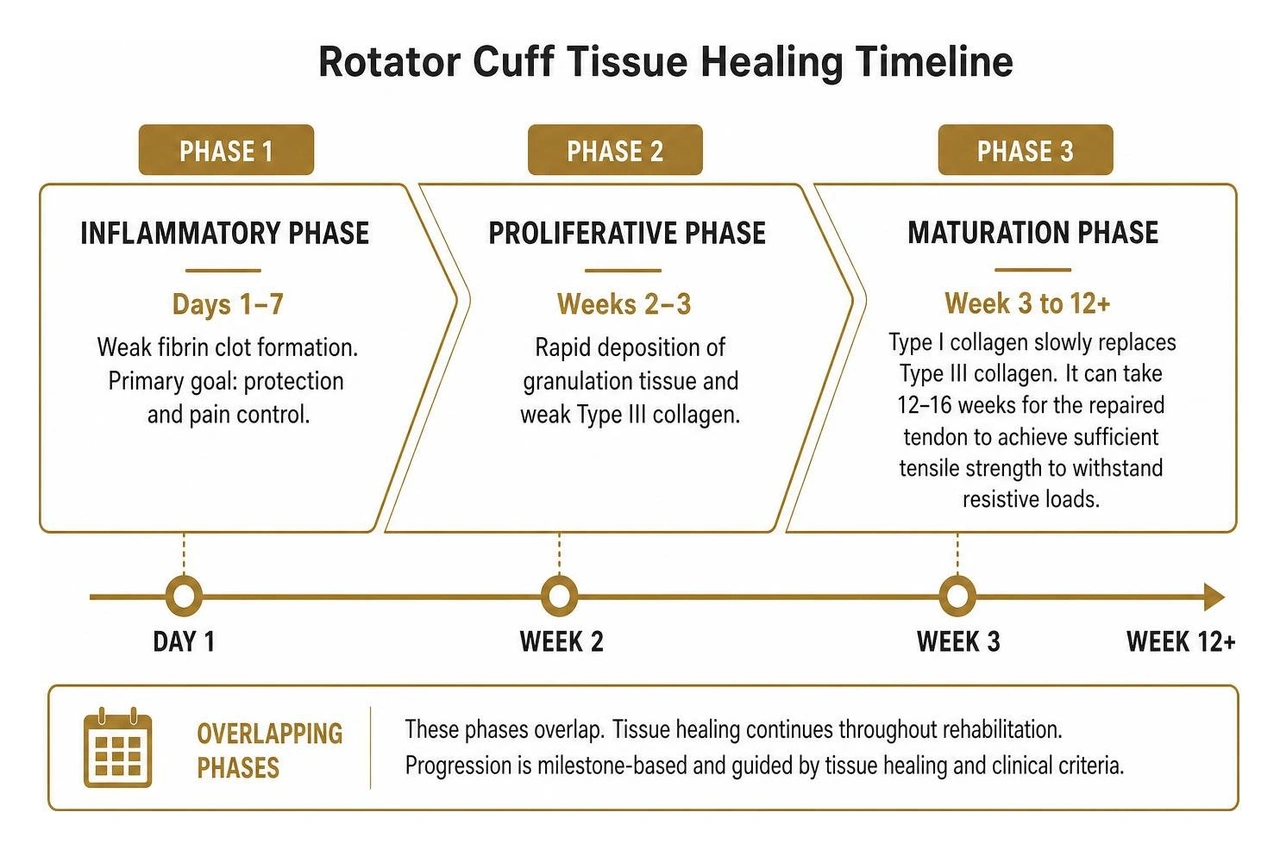
To see how these phases translate to clinical practice, you can review this standard SHOULDER ROTATOR CUFF REPAIR REHABILITATION PROGRAM or explore this conservative, delayed-start Rotator Cuff Repair Protocol.
We never progress a patient to the next phase of recovery simply because "the calendar says so." True success in a rotator cuff tear rehab protocol relies on meeting objective clinical milestones:
If you are recovering in the Metro Atlanta area, our team provides expert, milestone-based guidance. Learn more about our specialized Post-Surgical Rotator Cuff PT in Marietta.
Not all rotator cuff repairs are created equal. The surgical repair of a tiny 1-centimeter tear is treated very differently than the reconstruction of a massive, multi-tendon tear.
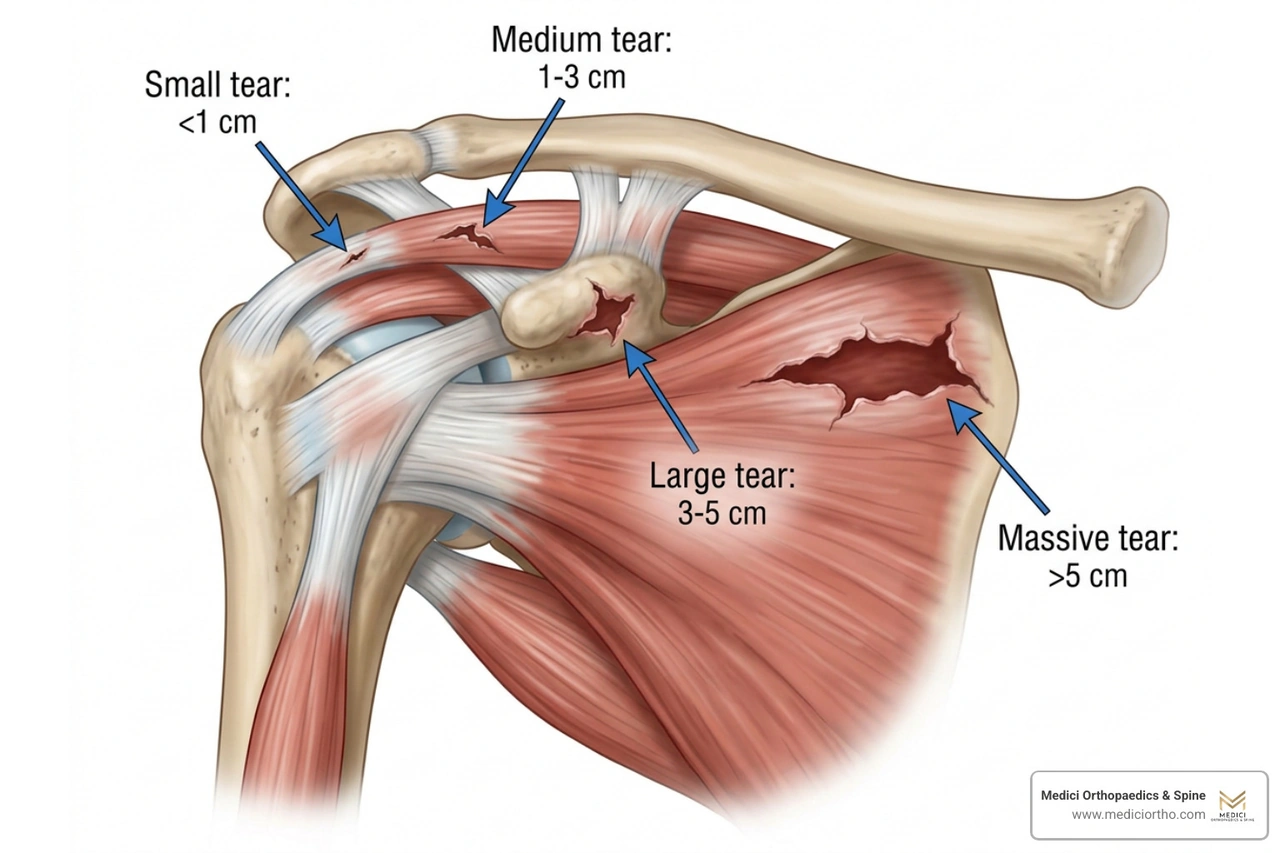
Rotator cuff tears are classified by their maximum diameter:
If you have a large or massive tear, your rehab protocol will be modified significantly to protect the delicate repair. For instance, the OSUWMC-BrandSourceFlierTemplate-Vertical and the [PDF] Rehabilitation Protocol for Arthroscopic Rotator Cuff Repair – Large ... outline slower progressions designed to give compromised tissue the time it needs to heal.
During surgery, your orthopedic surgeon may also repair the subscapularis tendon or perform a biceps tenodesis. These additional procedures require specific, strict precautions during the first 6 to 12 weeks of your rotator cuff tear rehab protocol:
For small-to-medium repairs, early protected passive motion starting at week 2 is often encouraged to prevent postoperative stiffness.
For large-to-massive repairs, however, the risk of structural failure is much higher. In fact, structural failure rates after massive repairs can range from 16% to 94%, with the vast majority of re-tears occurring within the first 3 to 6 months post-surgery.
To mitigate this risk, we utilize a delayed rehab protocol for large and massive tears:
For patients who cannot undergo surgery due to poor tissue quality or age, we follow a specialized, non-operative pathway such as this Rehabilitation Protocol for Non-Operative Massive Rotator Cuff Tear(s).
When a massive rotator cuff tear is deemed irreparable, we shift our focus from restoring the torn tendon to training the surrounding muscles to take over. This is achieved by re-educating the anterior deltoid and promoting hypertrophy of the teres minor.
In a healthy shoulder, the rotator cuff pulls the humeral head down into the glenoid socket, acting as a dynamic fulcrum so the deltoid can lift the arm. Without a functioning rotator cuff, the deltoid pulls the humeral head straight up against the acromion, causing severe impingement and an inability to lift the arm (pseudoparalysis).
By performing progressive, supine-to-seated anterior deltoid re-education exercises, we can train the front portion of the deltoid to act as the primary stabilizer and elevator of the joint. Combined with teres minor strengthening to control external rotation, many patients with irreparable tears can regain excellent, pain-free daily function.
If you are dealing with a complex or chronic tear in the Kennesaw area, read our overview on What is the Best Non-Surgical Treatment for Rotator Cuff Injuries in Kennesaw.
A successful rotator cuff tear rehab protocol must look beyond the glenohumeral joint. The shoulder blade (scapula) serves as the foundation for all arm movements. If the scapula does not move in perfect harmony with the humerus—a condition known as scapular dyskinesia—it alters the subacromial space, pinches the healing rotator cuff, and severely limits your strength.
We address the entire kinetic chain throughout your recovery:
By focusing on a stable foundation, we protect your shoulder from future wear and tear. For active individuals planning a return to athletic pursuits, check out our expert guide on Returning to Spring Sports: Prevent Rotator Cuff Injuries with These Expert Tips from Kennesaw.
For a partial tear or a degenerative full-thickness tear managed conservatively, the recovery timeline typically ranges from 4 to 6 months. Most patients experience significant pain relief and improved mobility within the first 6 to 12 weeks of a structured physical therapy program. However, achieving maximal strength and long-term joint stability requires consistent maintenance exercises 2 to 3 days per week. For a more detailed breakdown, see How Long Does it Take to Recover from a Rotator Cuff Injury Without Surgery.
While some mild, aching pain is normal during the strengthening phases of rehab, certain "red flags" may point to a structural failure or re-tear:
If you experience these symptoms, further imaging (such as an ultrasound or MRI) may be required. To understand your options when therapy alone isn't resolving your pain, read Who Treats Shoulder Pain When Physical Therapy is Not Enough.
Return to sports or heavy manual labor is typically permitted between 6 and 9 months post-surgery. Before we clear you to return, you must meet strict functional criteria:
Recovering from a rotator cuff tear is a journey that requires patience, consistency, and a carefully structured plan. Whether you are recovering from an arthroscopic repair or managing your tear conservatively, following a milestone-based rotator cuff tear rehab protocol is the safest, most effective way to restore your shoulder's strength and mobility.
At Medici Orthopaedics & Spine, led by Dr. Sonny Dosanjh, M.D., we are committed to Optimally Restoring your Quality of Life. Our team specializes in delivering integrated, patient-centered care that combines advanced interventional pain management, regenerative medicine, and customized physical therapy to help you recover with the least invasive methods possible.
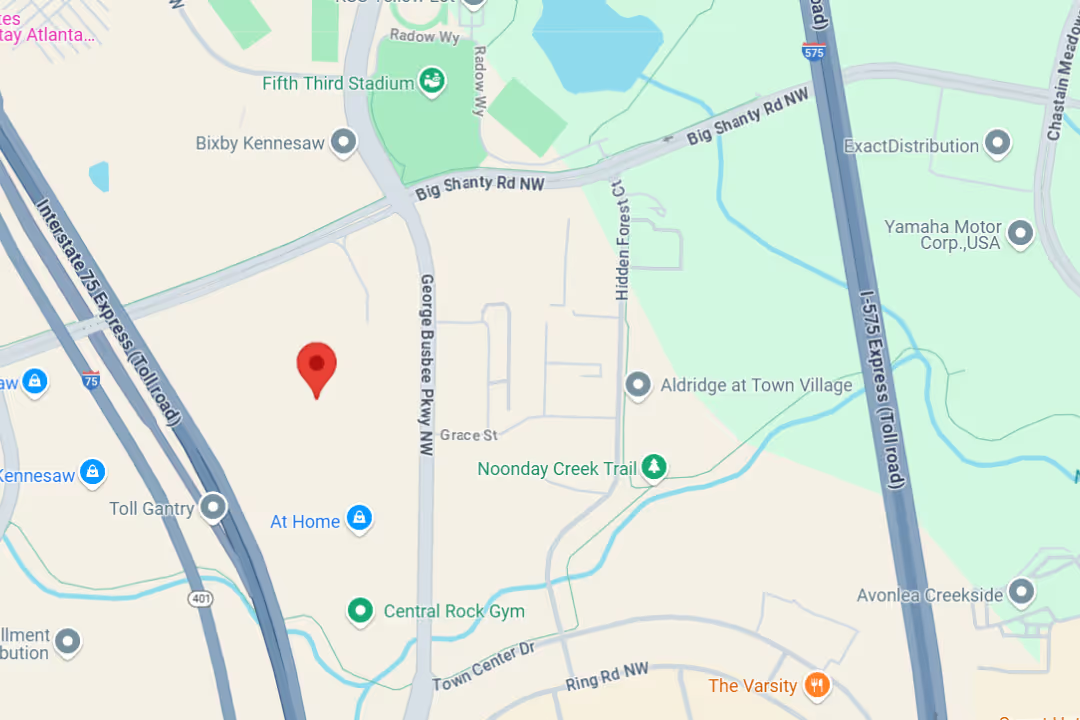
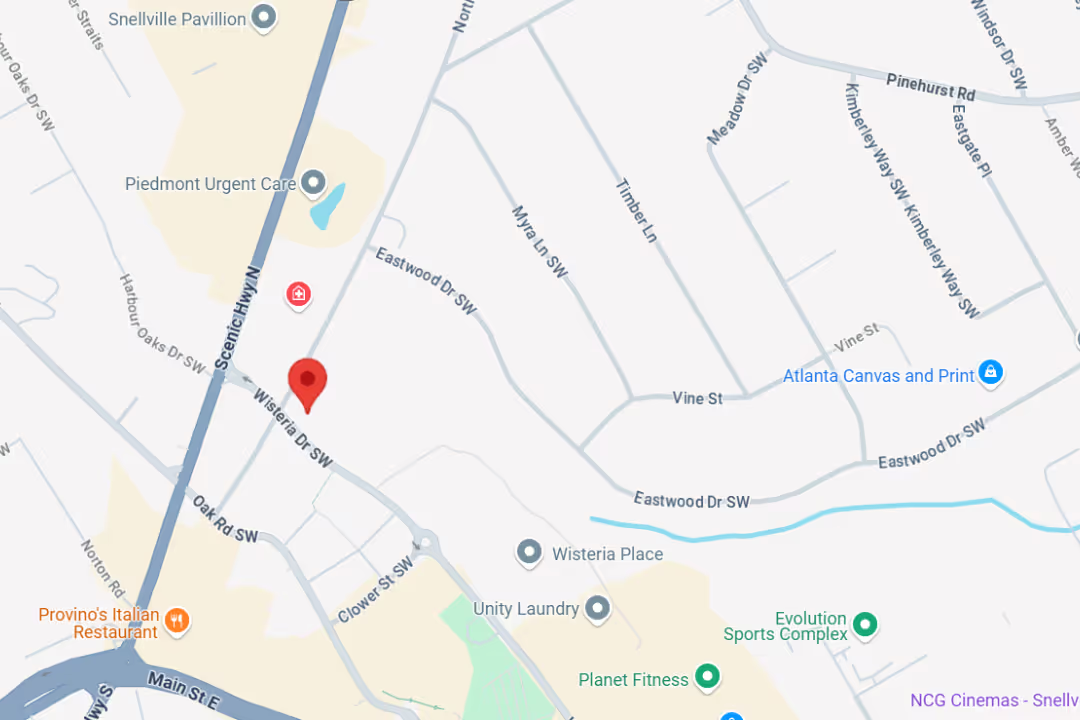
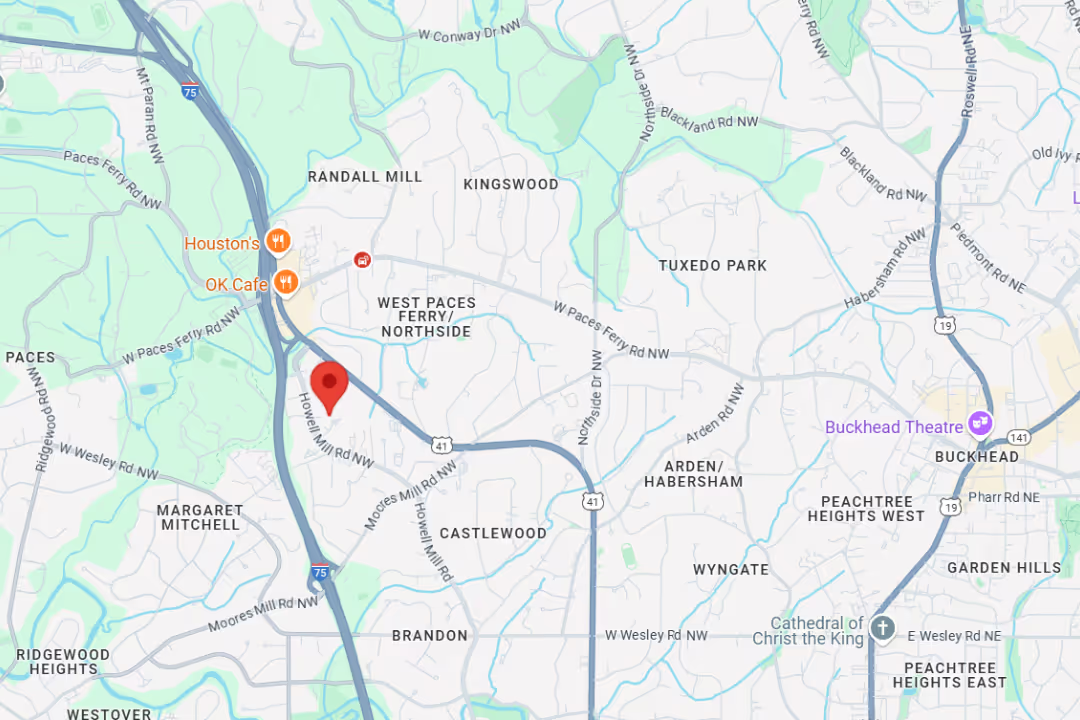
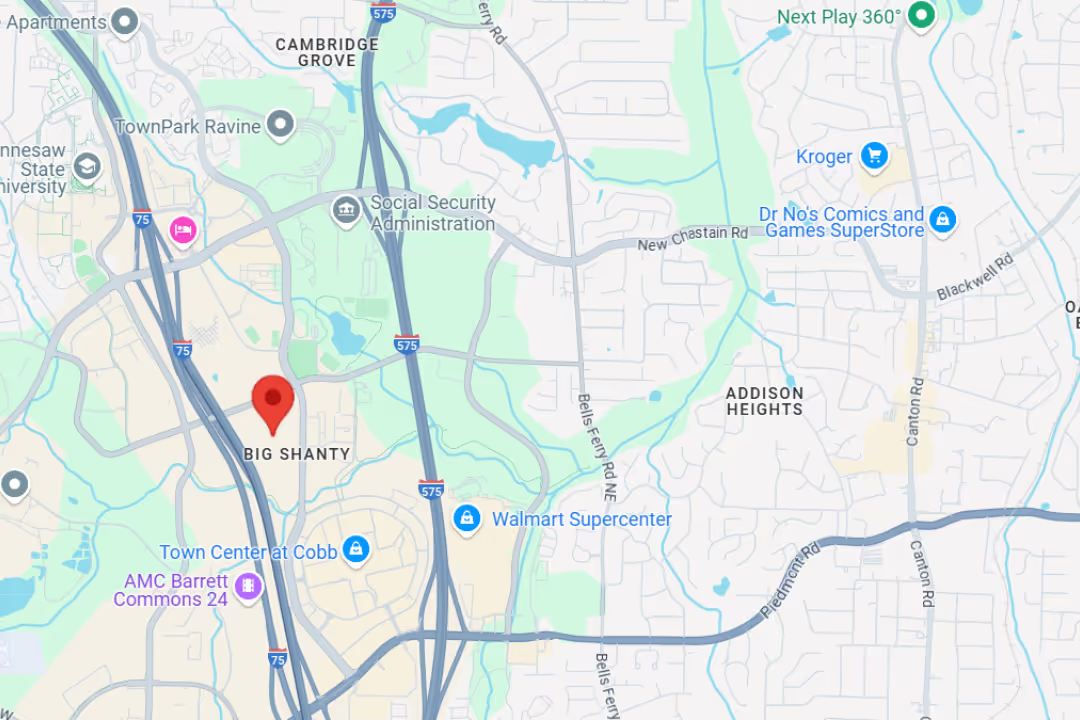
If you are ready to take the first step toward a pain-free, active lifestyle, we invite you to explore our non-surgical treatment for rotator cuff injury page or contact us at any of our convenient Metro Atlanta locations:
Schedule your comprehensive shoulder evaluation today and let us help you get back to doing what you love.
At Medici, you’re more than your MRI.
We take time to hear your story, understand your pain, and create a plan that actually works for you.

Our team delivers specialist care at convenient locations across Metro Atlanta:
Get expert tips on injury recovery, pain relief, joint health, and movement strategies—straight from our Fellowship-Trained team.