Spinal cord stimulation for back pain is an advanced neuromodulation therapy that delivers calibrated electrical current to the dorsal columns of the spinal cord, interrupting nociceptive signals traveling up the spinothalamic tract before they reach cerebral processing centers. For people with intractable spine conditions, this mechanism can reduce pain intensity, improve functional mobility, and support long-term recovery when conservative options have not provided adequate relief. Understanding the clinical science is essential when evaluating whether SCS is the right path. Chronic discomfort originating from complex spinal pathology requires an objective analysis of clinical outcomes, functional recovery, and long-term durability. Navigating lower back pain conditions often leads patients through an array of conservative treatments before advanced interventional options are considered. To evaluate whether neuromodulation is appropriate, it helps to understand how spinal cord stimulation works at a physiological level.
Evaluating the clinical efficacy of spinal cord stimulation involves comparing its outcomes against both conventional medical management (CMM)—which includes oral pharmacotherapy, physical therapy, and interventional nerve blocks—and placebo-controlled procedures.
Systematic reviews and clinical trials demonstrate notable differences across control models (Traeger et al., 2023):
Patients frequently ask questions surrounding real-world efficacy, such as do spinal stimulators really work for chronic back pain? The data suggests that while SCS creates measurable functional improvements over standard medication regimens alone, the magnitude of pure neurostimulation benefit over active placebo requires thoughtful clinical expectation-setting.
The scientific literature on neuromodulation presents contrasting viewpoints between independent systematic reviews and industry-sponsored network meta-analyses. Understanding why these discrepancies exist helps clinicians and patients make fully informed choices.
Independent reviews following the GRADE framework evaluate trials based on strict blinding and risk of performance bias. Because traditional tonic stimulation produces a noticeable tingling sensation (paresthesia), double-blinded designs remain challenging to maintain. Consequently, these reviews often classify the evidence base as having low-to-moderate certainty.
Conversely, comprehensive network meta-analyses synthesizing comparative data across 13 randomized trials and over 1,500 patients capture modern paradigms—incorporating paresthesia-free, sub-perception waveforms. These network models show that novel stimulation modalities achieve significantly higher odds of achieving ≥50% pain relief (Odds Ratio: 8.76; 95% Credible Interval: 3.84 to 22.31) compared with medical management alone.
Both perspectives offer valuable insights: independent reviews guard against overestimating device effects beyond placebo, while modern comparative meta-analyses reflect practical clinical outcomes seen when optimizing stimulation parameters in refractory spine patients.
Spinal cord stimulation has evolved beyond basic single-frequency electrical signals. Modern neurostimulation encompasses multiple electrical paradigms that target distinct neurophysiological mechanisms within the spinal cord and dorsal horn microenvironment.
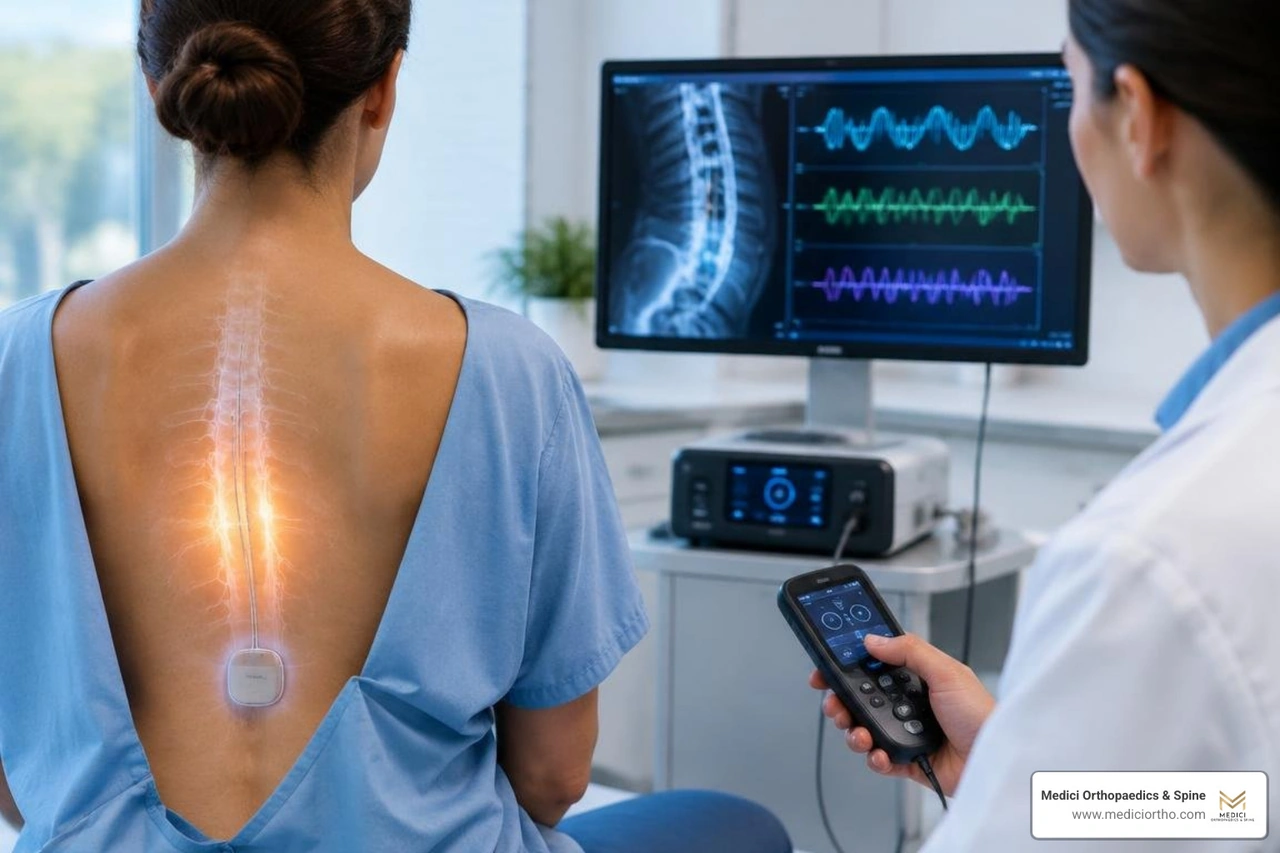
Traditional SCS systems deliver continuous electrical pulses at low frequencies (40–60 Hz), replacing pain sensations with a gentle tingling sensation known as paresthesia. While effective for focal radicular leg pain, traditional tonic waveforms often provide variable relief for broad, axial low back discomfort.
Recent innovations have introduced advanced waveforms designed to optimize pain relief without inducing paresthesia:
| Stimulation Modality | Waveform Characteristics | Paresthesia Sensation | Back Pain Responder Rate (≥50% Relief) | Functional Impact (ODI Reduction) |
|---|---|---|---|---|
| Conventional Tonic SCS | Continuous low-frequency (40–60 Hz) | Yes (tingling sensation over painful area) | ~50% to 55% at 12 Months | Moderate (−7.10 points vs CMM) |
| High-Frequency (10 kHz) | Sub-perception high-rate pulses | No (paresthesia-free) | ~70% to 75% at 12 Months | Substantial improvement |
| Differential Target Multiplexed (DTM) | Multiplexed signals targeting neurons and glial cells | No (paresthesia-free) | >80% sustained through 24 Months | High (Composite Responder Index >80%) |
Long-term clinical investigations provide clear insight into these advanced modalities. In a 24-month RCT on DTM spinal cord stimulation, patients with chronic low back pain ineligible for spine surgery achieved persistent back pain responder rates exceeding 80%, with average back pain reductions greater than 70% (>5.6 cm reduction on the visual analog scale) maintained over two years.
These findings build upon the 12-month multicenter clinical trial on DTM SCS, where DTM therapy achieved an 83.7% back pain responder rate at one year compared to 51.2% with traditional tonic programming (Fishman et al., 2021).
While neuromodulation offers a non-destructive, reversible treatment option, it involves an implanted medical device and carries recognized surgical and biological considerations:
Understanding the safety profile and management of spinal stimulators after failed back surgery is critical for patients who have already undergone lumbar surgery. At our surgery centers in Marietta and Snellville, our surgical teams utilize precise fluoroscopic guidance and anchoring protocols to minimize lead migration risks and safeguard patient outcomes.
Achieving predictable outcomes with neuromodulation relies heavily on thorough patient selection, objective pre-implantation assessments, and a structured trial period. Our comprehensive spinal cord stimulator guide details how this treatment is integrated into clinical care.
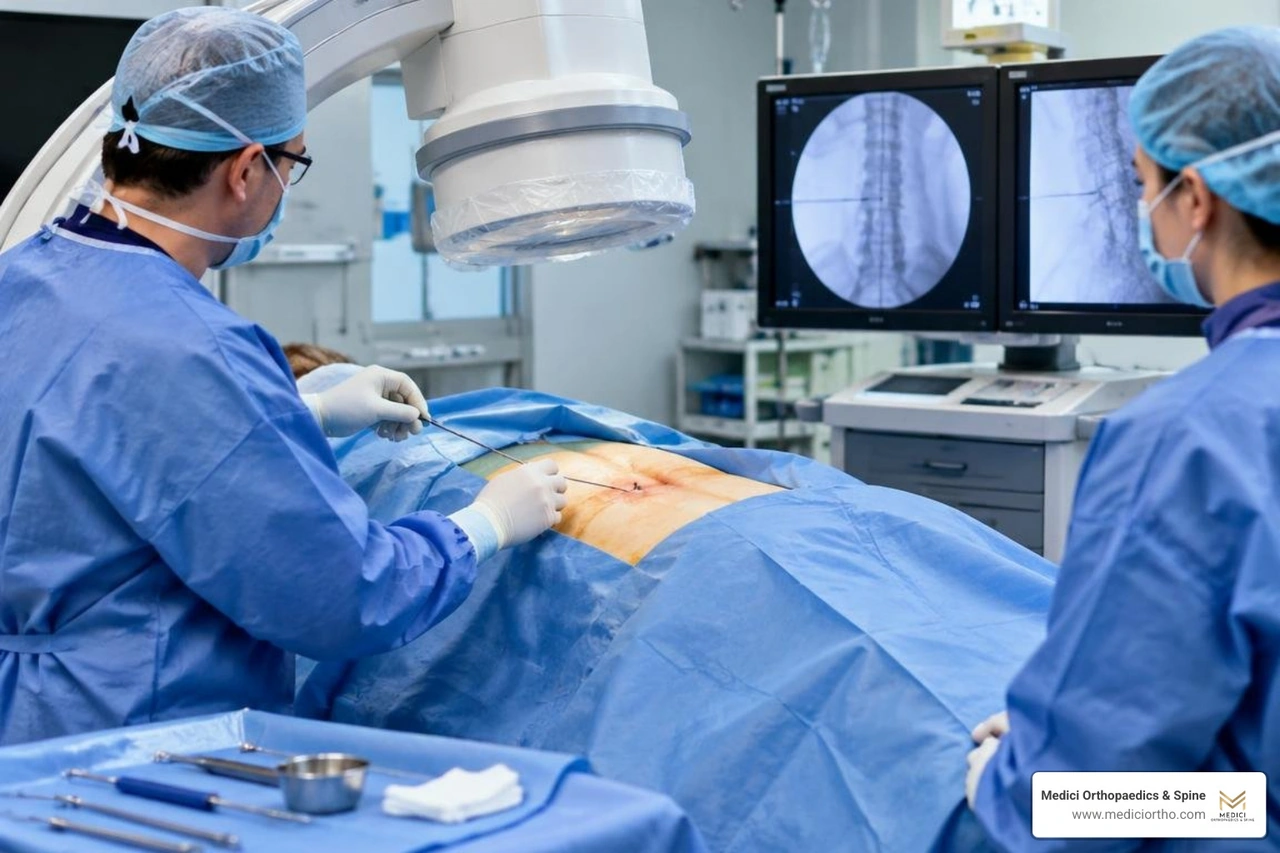
Spinal cord stimulation is indicated for individuals experiencing severe, intractable neuropathic and axial spine pain who have not obtained adequate relief from conservative regimens.
Key candidate indications include:
Before proceeding, candidates undergo a multidisciplinary evaluation, including diagnostic imaging to verify anatomical lead access and a formal psychological screening to assess coping strategies, address untreated mood disorders, and set realistic functional goals.
One of the distinct advantages of neuromodulation is the ability to test therapy effectiveness before committing to a permanent device.
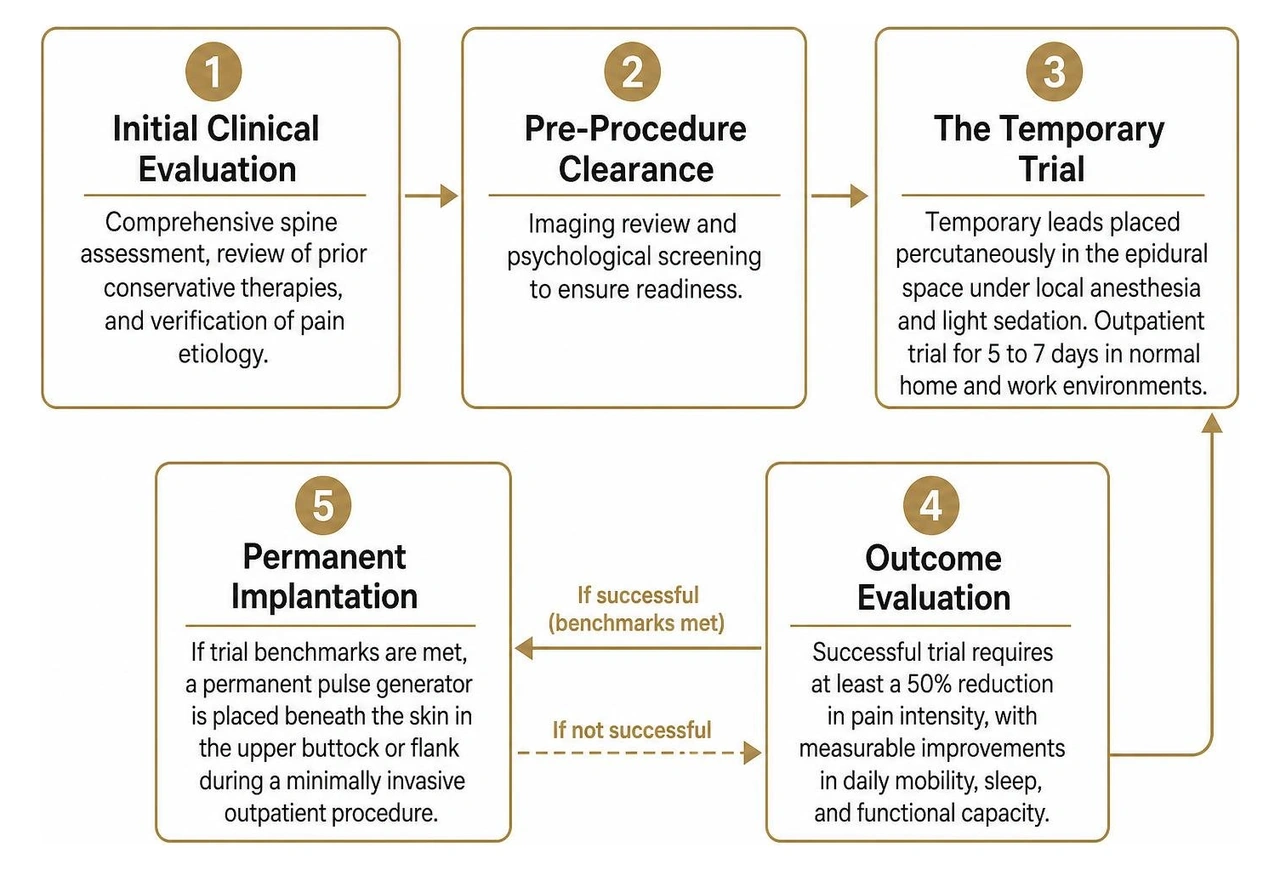
Spinal cord stimulation is designed to significantly reduce pain rather than eliminate it entirely. In neuromodulation research and clinical practice, treatment success is defined as achieving a 50% or greater reduction in baseline pain scores, accompanied by improvements in physical activity, sleep quality, and daily function. While some individuals achieve profound relief (>80%), setting realistic expectations focused on functional restoration is central to long-term satisfaction.
If pain relief diminishes over time, several non-surgical adjustments are performed before considering surgical revision:
Clinical evidence shows that successful neuromodulation often supports reductions in daily pain medication reliance. In parallel clinical trials, adding SCS to standard medical care was associated with a 15% reduction in the proportion of patients requiring ongoing opioid therapies (Traeger et al., 2023). In long-term DTM stimulation cohorts, reductions in daily Morphine Milligram Equivalents (MME) are commonly observed as patients regain physical conditioning and mobility. Any medication taper should always be conducted gradually under direct medical supervision.
Spinal cord stimulation serves as a valuable, evidence-based interventional therapy for individuals navigating complex, refractory chronic back and leg pain. While independent placebo-controlled reviews emphasize the importance of measured clinical expectations, modern comparative trials and network meta-analyses highlight the clear advantages of advanced waveforms—such as Differential Target Multiplexed and high-frequency stimulation—in delivering meaningful pain relief and functional restoration.
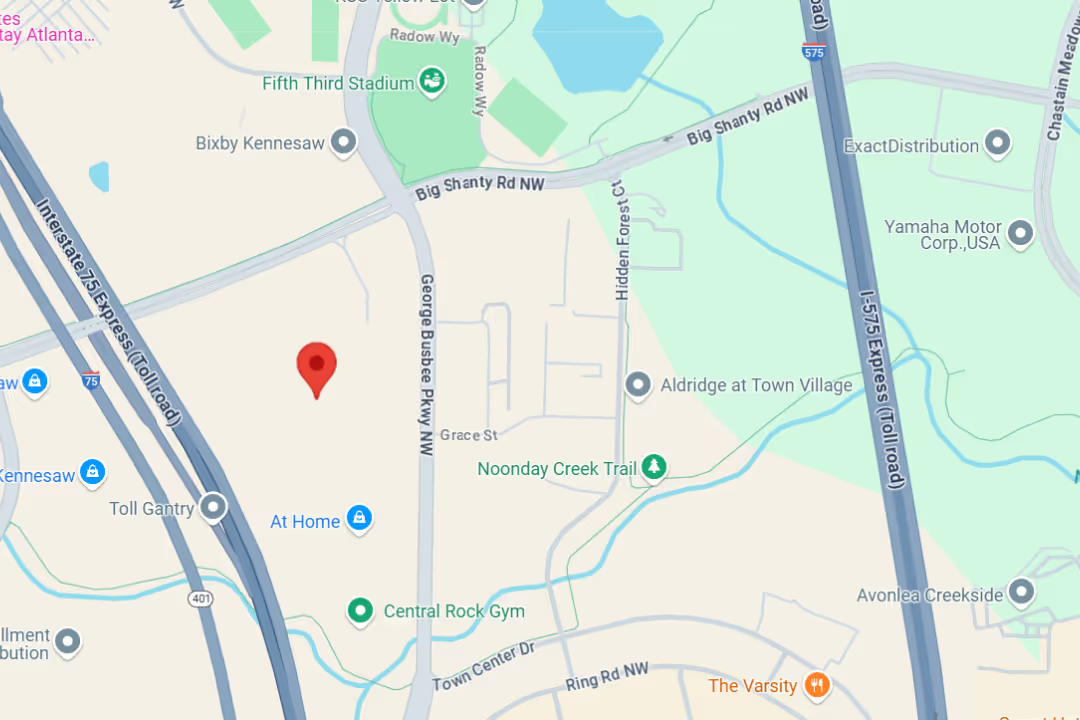
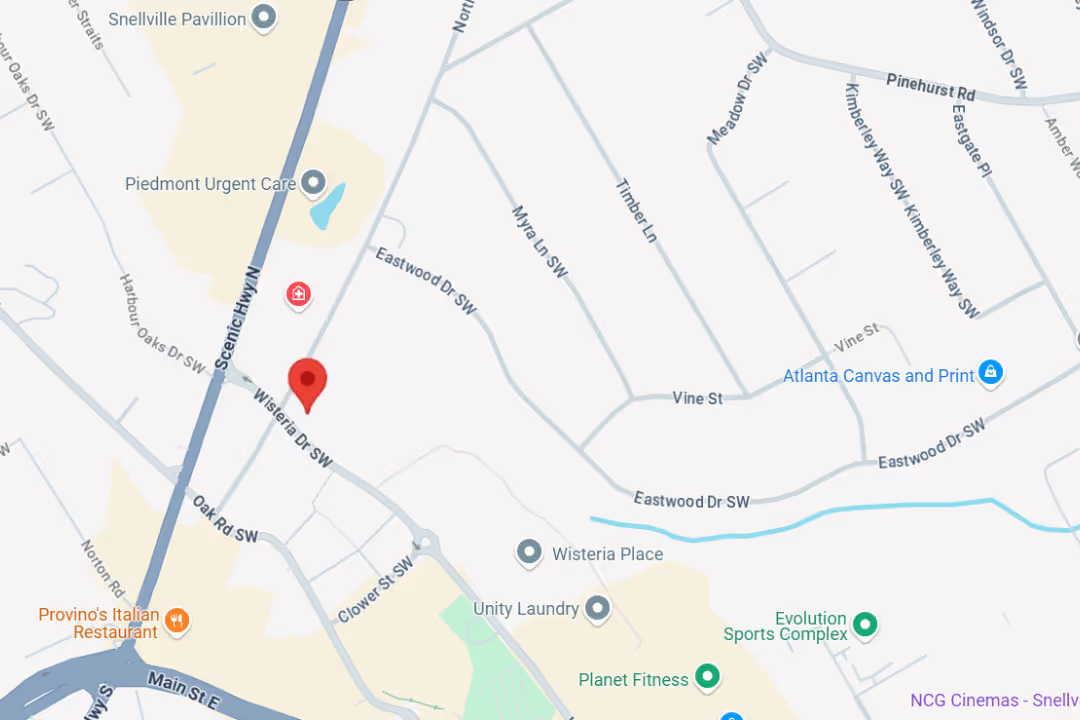
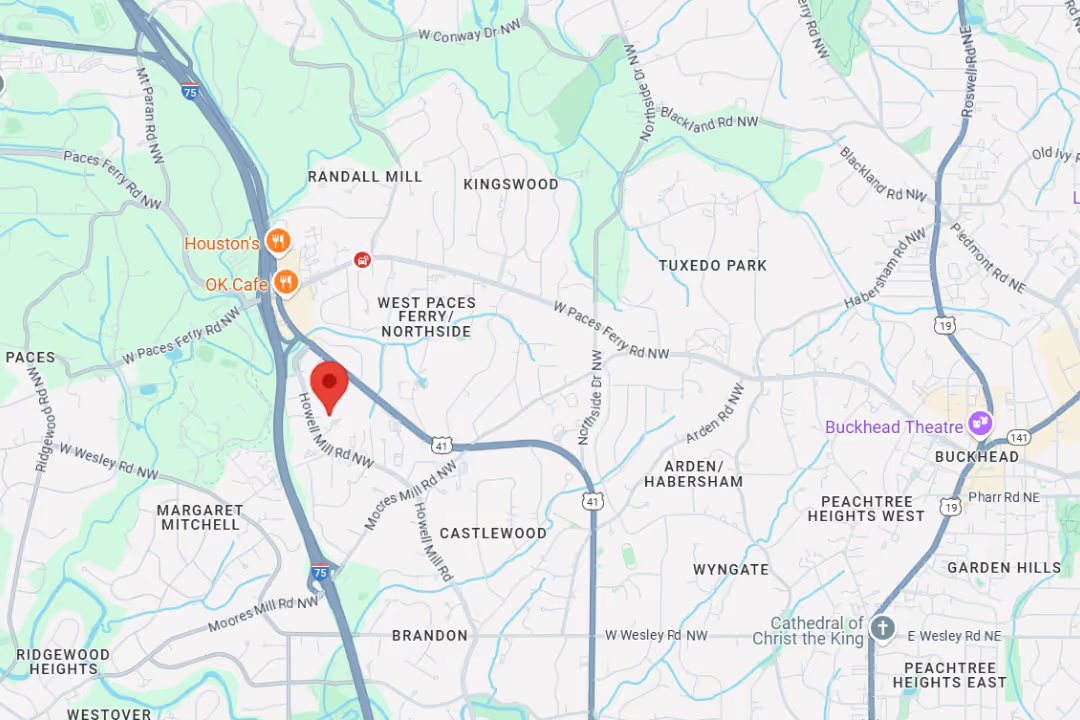
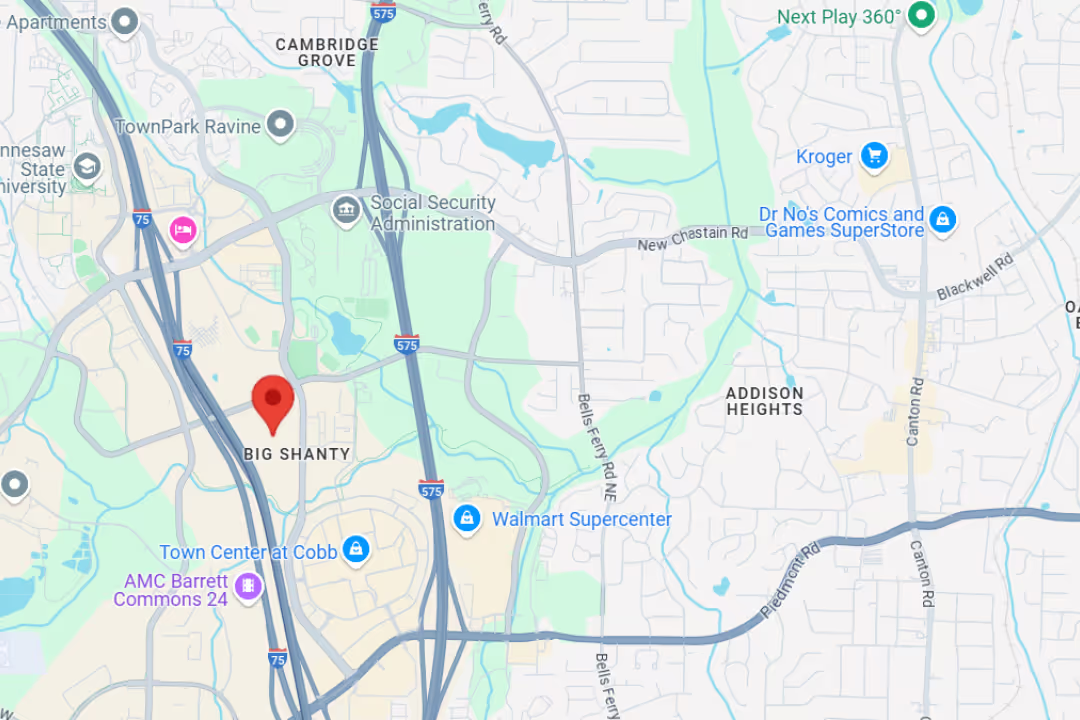
At Medici Orthopaedics & Spine, Dr. Sonny Dosanjh and our multidisciplinary team provide patient-centered care across our clinical and surgical facilities in Buckhead, Kennesaw, Marietta, and Snellville. We believe that lasting relief comes from combining advanced interventional techniques with physical therapy, regenerative medicine, and lifestyle support to restore function with the least invasive, least drug-dependent approach possible.
If chronic spine pain continues to limit your daily life despite conservative care, learn more about our comprehensive approach to spinal cord stimulation treatment and schedule an evaluation with our spine team today.
Traeger AC, Gilbert SE, Harris IA, Maher CG. "Spinal cord stimulation for low back pain.." The Cochrane database of systematic reviews, 2023. PMID 36878313.Fishman M, Cordner H, Justiz R, Provenzano D, Merrell C, Shah B, Naranjo J, Kim P, Calodney A, Carlson J, Bundschu R, Sanapati M, Mangal V, Vallejo R. "Twelve-Month results from multicenter, open-label, randomized controlled clinical trial comparing differential target multiplexed spinal cord stimulation and traditional spinal cord stimulation in subjects with chronic intractable back pain and leg pain.." Pain practice : the official journal of World Institute of Pain, 2021. PMCID PMC9290817.
At Medici, you’re more than your MRI.
We take time to hear your story, understand your pain, and create a plan that actually works for you.

Our team delivers specialist care at convenient locations across Metro Atlanta:
Get expert tips on injury recovery, pain relief, joint health, and movement strategies—straight from our Fellowship-Trained team.