Most people don't notice how much they rely on their hips, knees, and back until one of them stops cooperating. It might start small — a little stiffness getting out of bed, some aching after a long day at the desk, or a nagging tightness that shows up on walks and won't quite go away. Over time, those small signals can grow louder, and what once felt like a minor inconvenience can start shaping the way you move through your whole day.
The good news is that mobility doesn't have to decline quietly. For many people, consistent and targeted movement can make a real difference in how the hips, knees, and back feel and function. Stretching isn't a cure for underlying conditions, but it is one of the most accessible tools available for keeping joints moving, reducing tension in the surrounding muscles, and supporting the kind of daily function that matters to people most — walking without wincing, sleeping without stiffness, and getting through the day without pain calling the shots.
The hip flexors are the muscles that connect the front of the hip to the lower spine and femur. They tend to become chronically shortened in people who sit for long periods, contributing to hip tightness and lower back strain.
The piriformis is a small but significant muscle deep in the hip that, when tight, can contribute to hip and buttock pain and even mimic sciatica symptoms.
This is a gentle, dynamic stretch that helps warm up and lubricate the hip joint while improving range of motion in all directions.
This stretch targets the outer hip muscles (including the glutes and IT band), which are often tight in people who sit frequently or have knee pain.
The quadriceps run along the front of the thigh and attach just below the knee. Tightness here is one of the most common contributors to knee pain, especially in active individuals and older adults with osteoarthritis.
The hamstrings run along the back of the thigh and cross both the hip and the knee. Tight hamstrings are associated with both knee discomfort and lower back strain.
The calf muscles attach below the knee and influence how the knee tracks during walking and standing. Tight calves are especially common in people with foot or ankle issues.
The iliotibial (IT) band runs along the outside of the thigh from the hip to the knee. Tightness here is a frequent source of outer knee pain, particularly in runners and cyclists.
Cat-cow is a gentle spinal mobility exercise that moves the back through flexion and extension in a controlled, low-impact way. It is especially helpful for morning stiffness.
Child's pose creates a long, passive stretch along the entire back, hips, and shoulders. It is also a useful recovery position between other stretches.
This stretch targets the lower back and helps decompress the lumbar spine, making it a favorite for people who spend long hours sitting or standing.
Rotational mobility in the mid and lower back is often the first thing lost with inactivity. This simple stretch helps maintain it.
Joint mobility is not something to take for granted, and it is not something that has to be lost for good once it starts to slip. The hips, knees, and back respond well to consistent, gentle movement over time. The stretches in this post are a starting point — a way to build a daily habit around caring for the joints and tissues that carry us through life.
Living with chronic stiffness or recurring pain does not have to be the baseline. Many people, even those who have struggled with hip, knee, or back issues for years, find meaningful relief with the right combination of conservative care and clinical support. The goal is not just moving a little better on the mat — it is getting back to the activities, routines, and moments that matter.
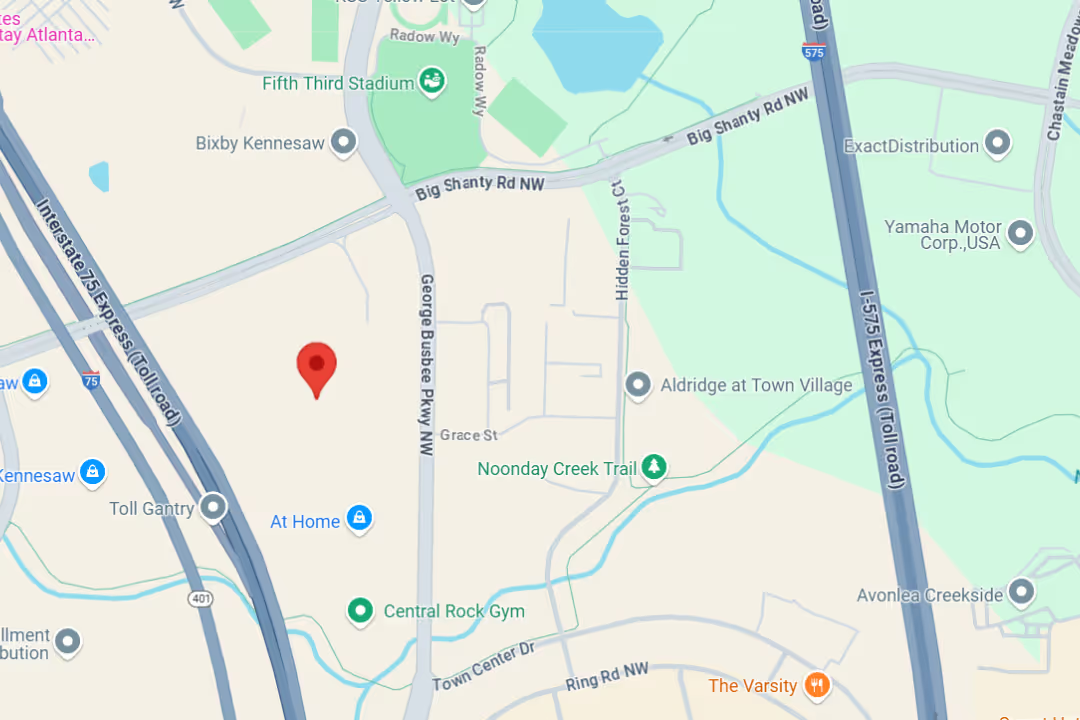
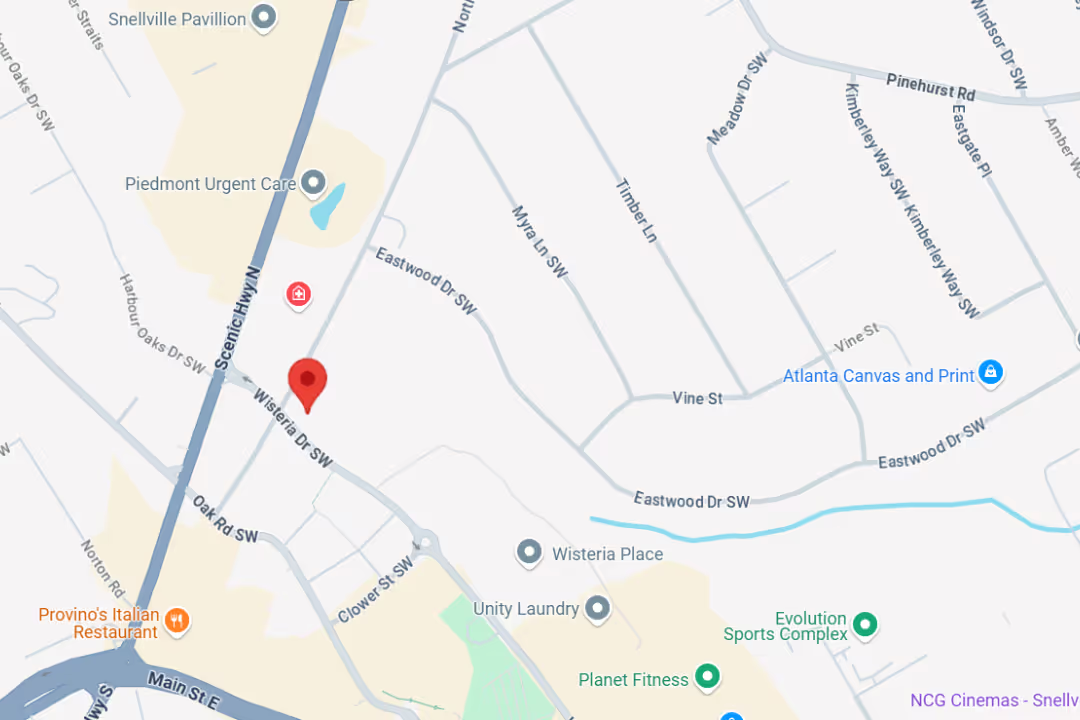
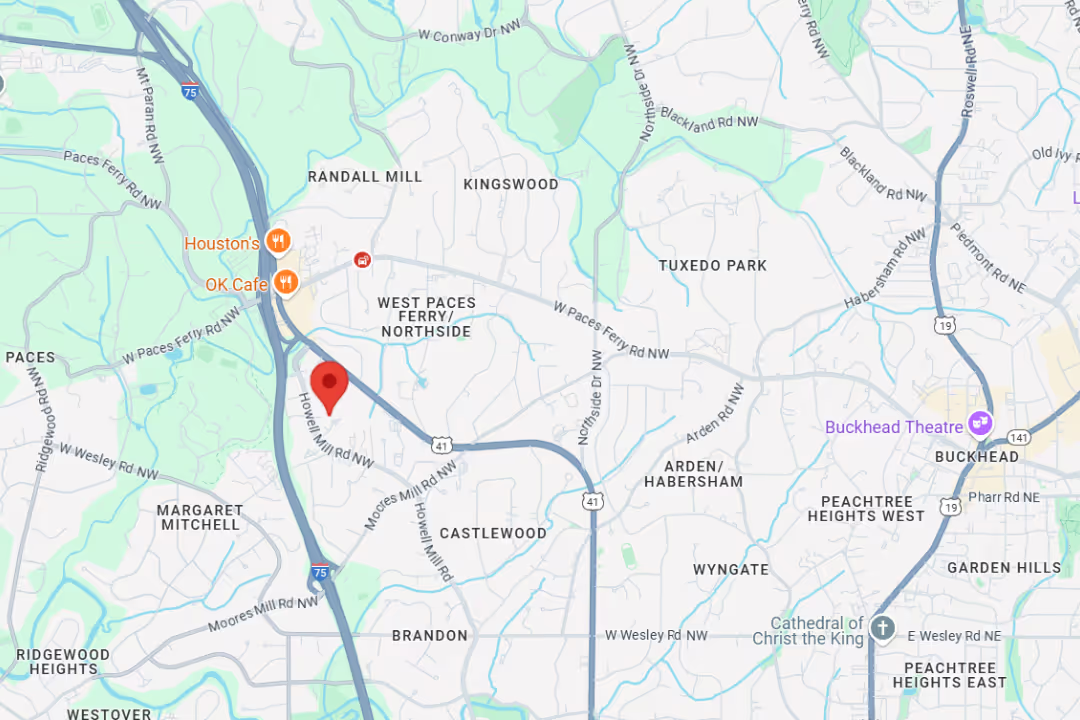
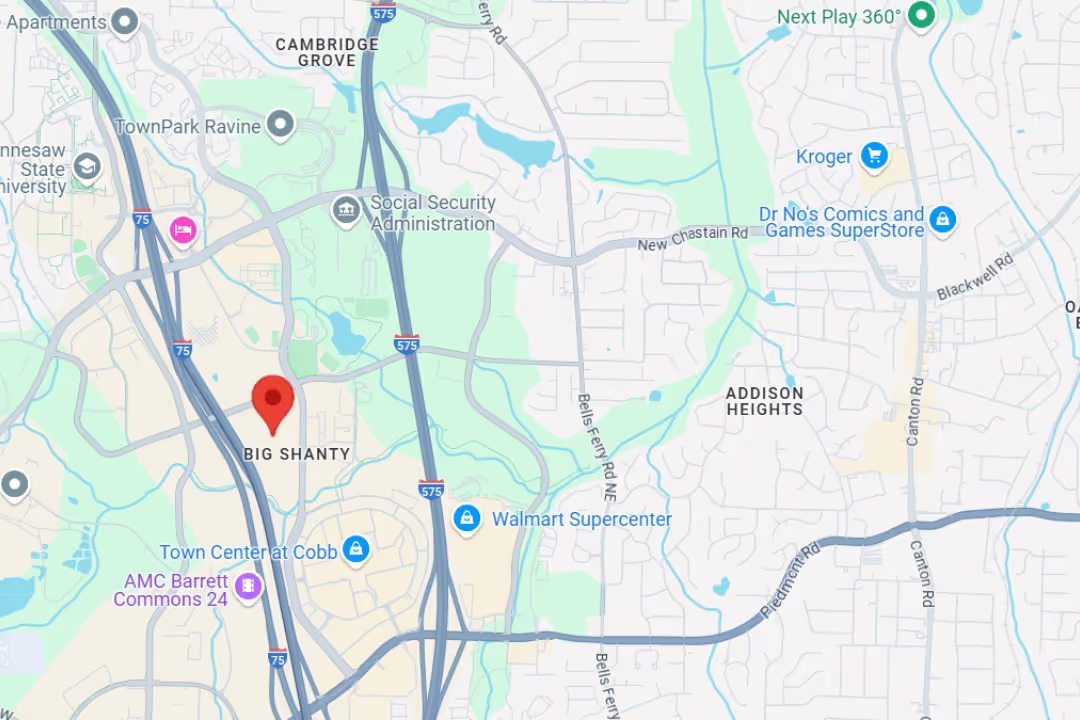
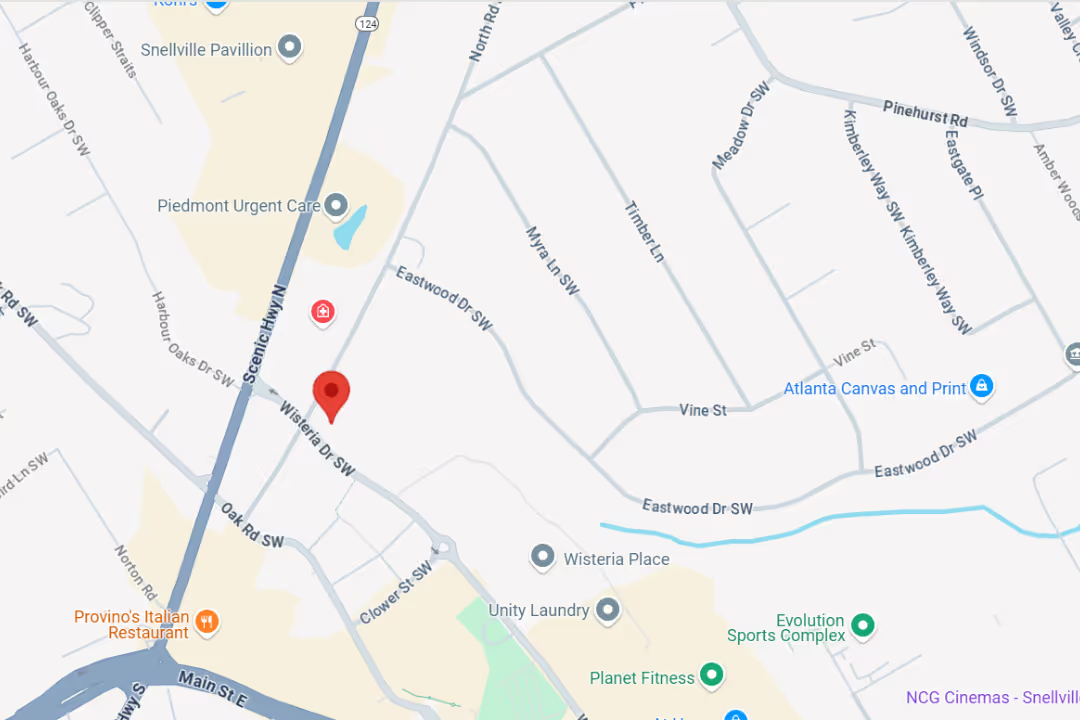
If pain has been limiting your movement, your sleep, or your quality of life, the team at Medici Orthopaedics & Spine is here to help. With clinics in Kennesaw, Snellville, and Buckhead, and a philosophy built around the most effective, least invasive care available, Medici offers a path forward for patients dealing with hip, knee, back, and spine conditions of all kinds.
An evaluation is the first step. From there, the team will work with you to understand what is driving your pain and what the most appropriate, conservative, and effective options look like for your specific situation.
At Medici, you’re more than your MRI.
We take time to hear your story, understand your pain, and create a plan that actually works for you.

Our team delivers specialist care at convenient locations across Metro Atlanta:
Get expert tips on injury recovery, pain relief, joint health, and movement strategies—straight from our Fellowship-Trained team.