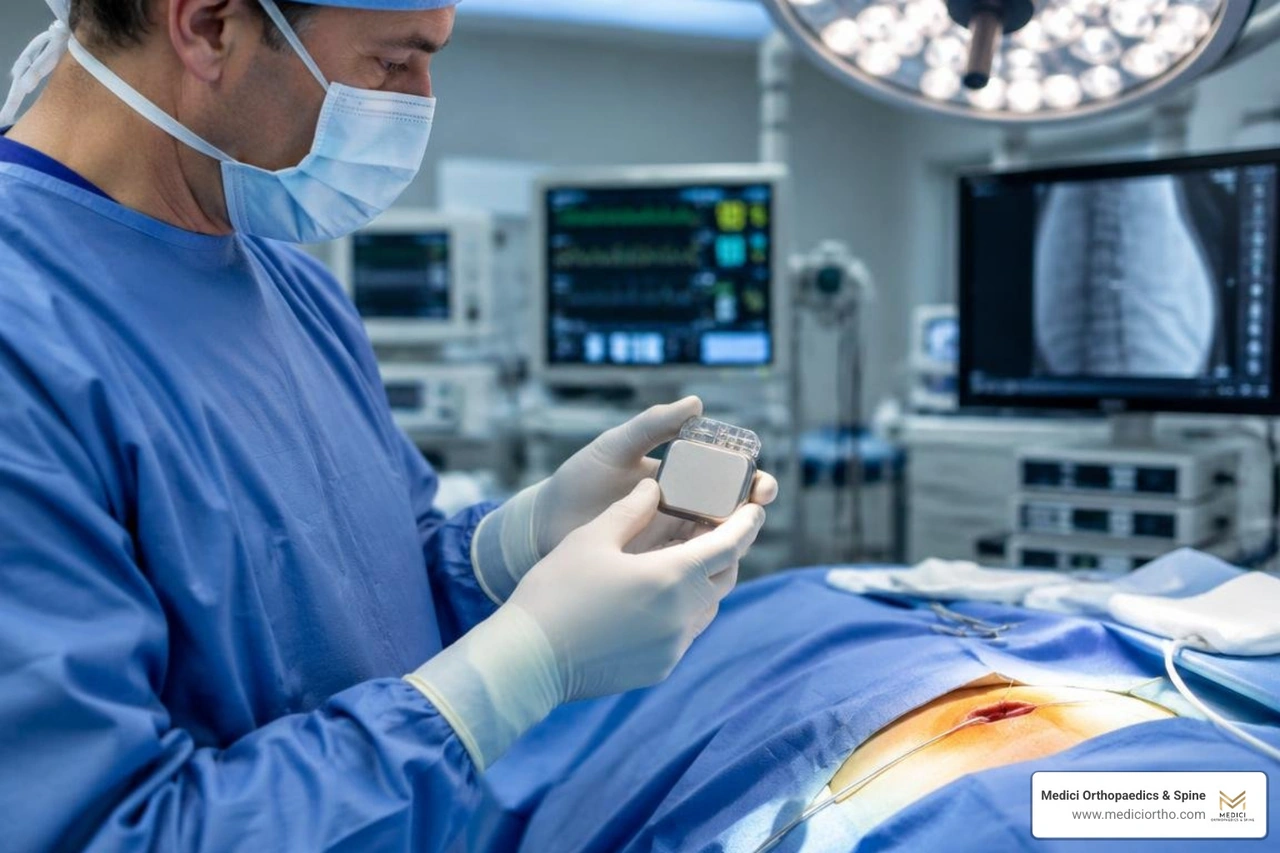
A spinal cord stimulator battery replacement is usually needed when the implanted pulse generator reaches the end of its battery life or develops a malfunction. Watch your controller for an Elective Replacement Indicator (ERI) or low-battery message, then contact your pain specialist promptly so treatment is not interrupted.
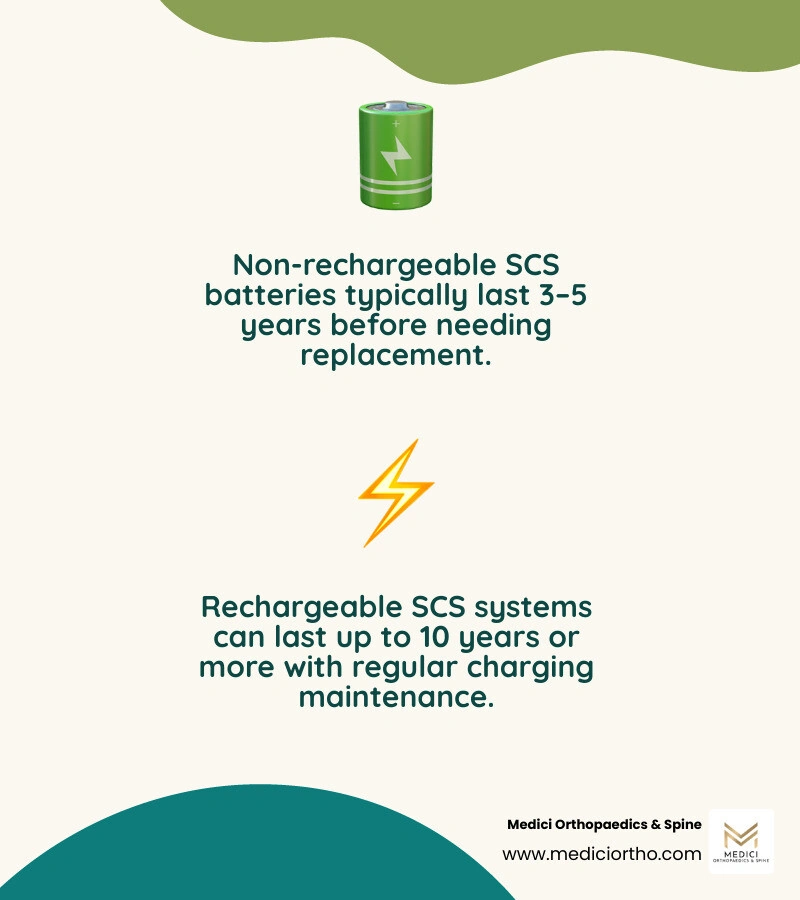
Battery life varies by device and programming. In general:
This is usually a smaller outpatient procedure than the first implant surgery, but it is still worth planning ahead. Knowing your device type, checking battery status, and acting on an ERI alert can help protect consistent pain relief.
I am Sonny Dosanjh, M.D., a board-certified Physical Medicine & Rehabilitation physician and fellowship-trained pain specialist who helps patients evaluate and manage spinal cord stimulation as part of a personalized, drug-light pain care plan. In the sections ahead, I will explain what to expect from spinal cord stimulator battery replacement, from timing and device choices to recovery and costs.
When considering neuromodulation for chronic discomfort, one of the most critical mechanical components is the implantable pulse generator (IPG). The IPG acts as the engine of your therapy, sending low-voltage electrical signals directly to the dorsal columns of your spinal cord to disrupt pain signaling. Because these units are sealed to protect internal electronics and surrounding tissue, swapping the internal cell means exchanging the entire generator.
A primary factor dictating how often you require an exchange is whether your device is rechargeable or non-rechargeable (recharge-free). In clinical research, non-rechargeable pulse generators demonstrate a mean battery life of approximately 39 months (just over 3 years). Real-world registry tracking indicates that by 50 months, roughly 25% of non-rechargeable units shut down completely due to standard power depletion.
By contrast, rechargeable systems offer substantially greater longevity, exhibiting an average functional lifespan of approximately 83 months, with 78% remaining fully operational at extended follow-ups. Over a patient’s lifetime, opting for a rechargeable unit can prevent between 2.6 and 4.2 revision surgeries. This reduction translates to projected long-term medical savings ranging between $104,000 and $168,833, while sparing you from repeated recovery cycles.
To understand the complete journey of neuromodulation therapy, our comprehensive spinal cord stimulator guide breaks down the long-term clinical expectations from device selection to everyday management. A deeper breakdown of procedural fees and financial dynamics is also detailed in this spinal cord stimulator battery replacement cost guide.
| Feature / Metric | Rechargeable IPG Systems | Non-Rechargeable (Recharge-Free) Systems |
|---|---|---|
| Average Battery Longevity | ~7 to 10+ years (mean ~83 months) | ~3 to 5 years (mean ~39 months) |
| Patient Maintenance | Requires regular recharging (daily, weekly, or monthly) | Zero charging required; fully passive maintenance |
| Device Size & Profile | Smaller, thinner profile in subcutaneous pocket | Slightly larger to accommodate a bigger chemical cell |
| Lifetime Revisions Needed | Fewer replacements over the patient's lifetime | More frequent replacements due to predictable depletion |
| Best Suited For | Higher energy requirements, complex waveforms, younger patients | Low-to-moderate energy settings, patients seeking convenience |
Implantable technology has advanced rapidly. Today’s platforms feature intelligent power-management systems and robust warranties. For example, modern rechargeable platforms are engineered to maintain steady performance over extended warranty cycles with rapid recharge times, while advanced closed-loop devices are designed to retain up to 95% of their battery capacity after 15 years. For patients seeking a maintenance-free daily routine, modern recharge-free systems can last up to 11 years depending on programmed stimulation intensity.
Beyond longevity, modern generators feature significant lifestyle and diagnostic advantages:
Modern neurostimulation platforms eliminate guesswork by providing real-time diagnostics on handheld patient controllers. When a generator nears the end of its functional life, it triggers an Elective Replacement Indicator (ERI). This notification appears on your controller screen well before the device shuts down, giving you ample time to consult our team and schedule an outpatient exchange without experiencing a sudden return of discomfort.
Outside of digital alerts, you should contact our team if you experience:
If you are evaluating post-surgical changes and therapy expectations, review our guide on what to expect after spinal cord stimulator surgery for helpful recovery milestones and troubleshooting advice.
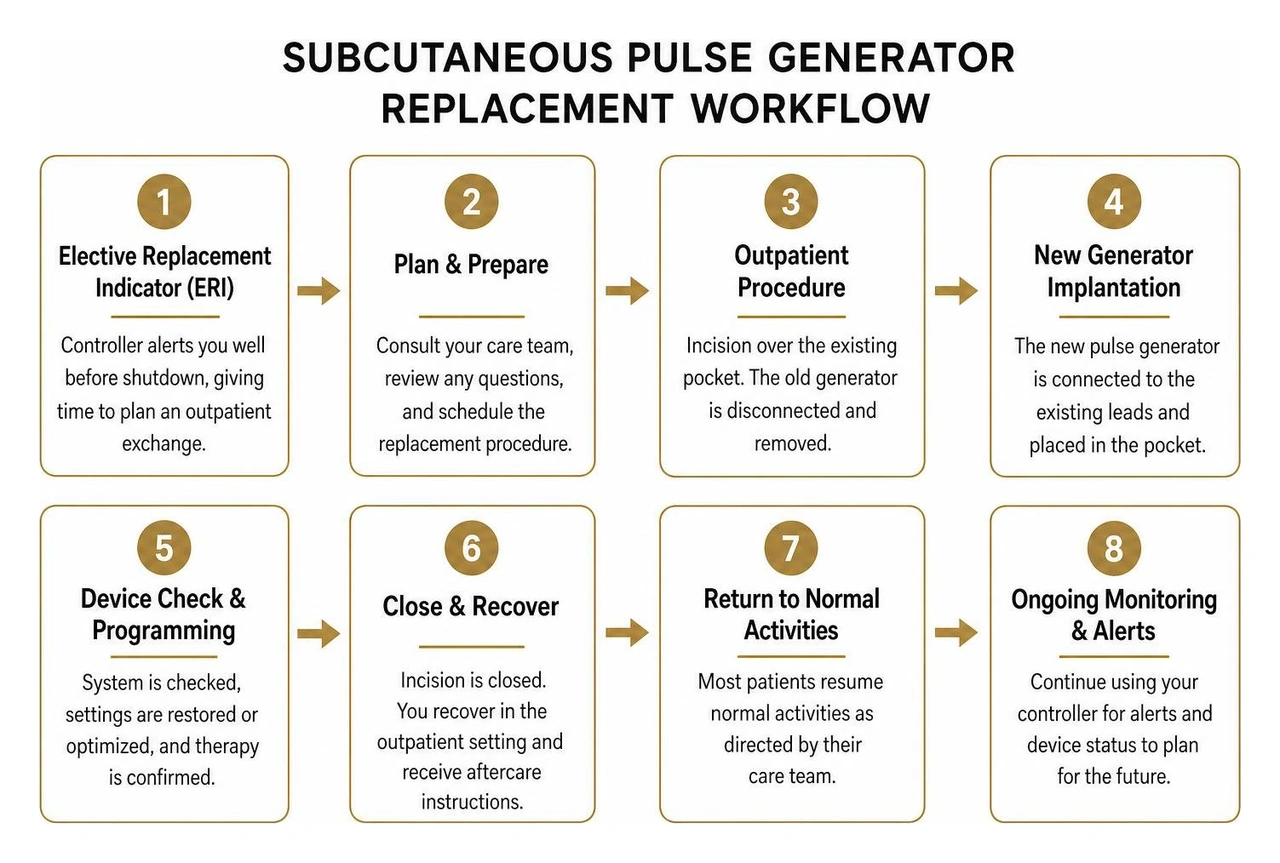

A spinal cord stimulator battery replacement is a straightforward outpatient procedure. Unlike your initial trial or permanent lead placement, this surgery does not require accessing the spinal canal or manipulating the epidural space. The existing leads remain anchored along the spine, provided diagnostic testing confirms they are structurally intact and electrically stable.
To revisit how initial lead placement differs from revision surgery, read our overview of the journey from trial to permanent implant.
Before your procedure, our medical team conducts a thorough pre-operative assessment:
The exchange is typically completed in 30 to 60 minutes under local anesthesia with light intravenous sedation. Here is what happens during the procedure:
Recovery from an IPG exchange is faster and less intensive than the original implant surgery because the spinal column is not disturbed. However, allowing the soft tissue pocket to heal properly is essential for preventing complications.
Across all neuromodulation procedures, literature notes general complication rates between 30% and 40%, with hardware revisions occurring in approximately 8.5% of cases and total explants in roughly 7.6% over a three-year period. A comprehensive 2025 multi-center study of 505 patients revealed an overall explant rate of 14.1%, with therapy loss of efficacy (7.7%), lead migration (1.8%), and surgical site infection (1.3%) representing the most common indications.
To support safe healing, avoid heavy lifting (greater than 10–15 lbs), rigorous twisting, or direct pressure over the pocket site for the first 4 to 6 weeks.

The overall financial investment for an IPG replacement varies based on your insurance plan, device specifications, and whether the surgery takes place in an Ambulatory Surgery Center (ASC) or a Hospital Outpatient Department (HOPD).
For uninsured patients, total out-of-pocket costs for a generator exchange typically range between $10,000 and $20,000 depending on negotiated facility and professional rates. Choosing an accredited outpatient surgery center rather than a hospital setting helps lower both facility overhead and overall expenses.
Surgical replacement of an implantable neurostimulator pulse generator is categorized under medical billing code CPT 63685 (Insertion or replacement of spinal neurostimulator pulse generator or receiver).
Coverage across major payers includes:
Neuromodulation technology continues to advance toward smaller, less invasive systems. Emerging solutions may eventually eliminate the need for surgical battery replacements altogether:
A standard pulse generator replacement takes between 30 and 60 minutes. Because the procedure is performed on an outpatient basis under local anesthesia and mild intravenous sedation, most patients return home within two hours of surgery.
In most cases, the spinal leads remain in place. During the procedure, your surgeon runs intraoperative impedance testing to confirm the electrical integrity and conductivity of the existing leads. They are only repositioned or replaced if testing reveals a broken wire, high electrical resistance, or physical lead migration away from the target nerve roots.
Yes. A battery exchange is an ideal opportunity to upgrade your system to modern technologies, such as advanced waveform platforms (high-frequency, burst, or closed-loop stimulation) or full-body MRI-compatible generators. If you are experiencing changes in your pain pattern, consulting a pain management specialist will help you select the most effective replacement platform for your needs.
A spinal cord stimulator battery replacement is a straightforward outpatient procedure that protects your long-term comfort and functional independence. Paying attention to low-battery indicators, understanding the differences between rechargeable and recharge-free platforms, and planning your replacement early helps ensure your therapy remains seamless.
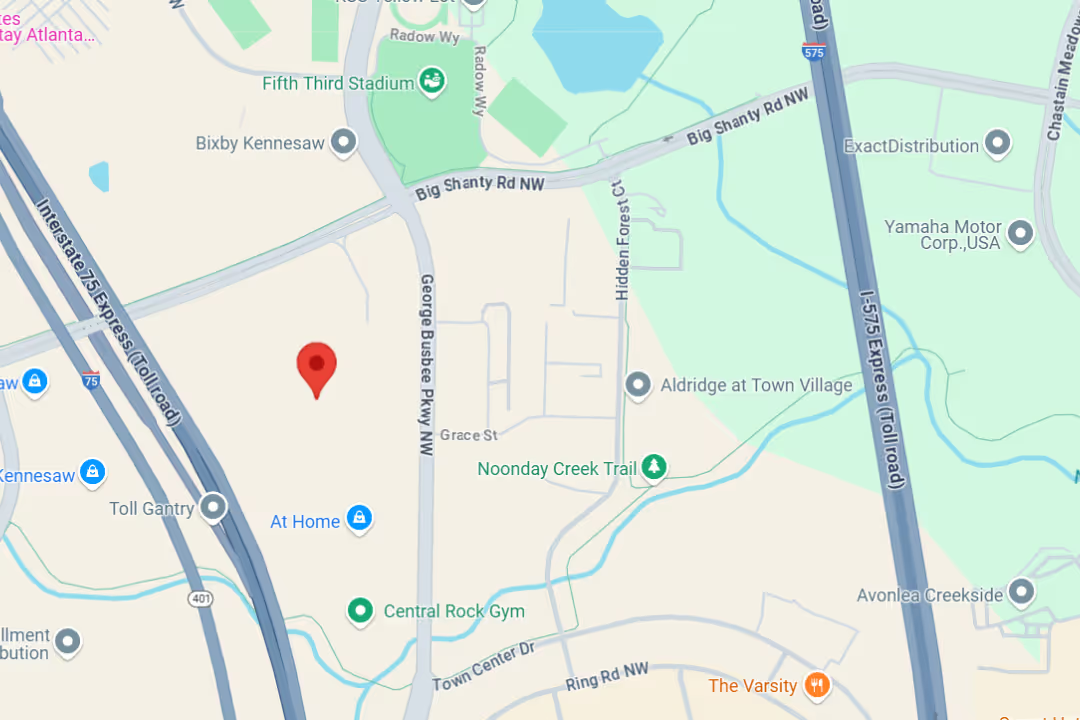
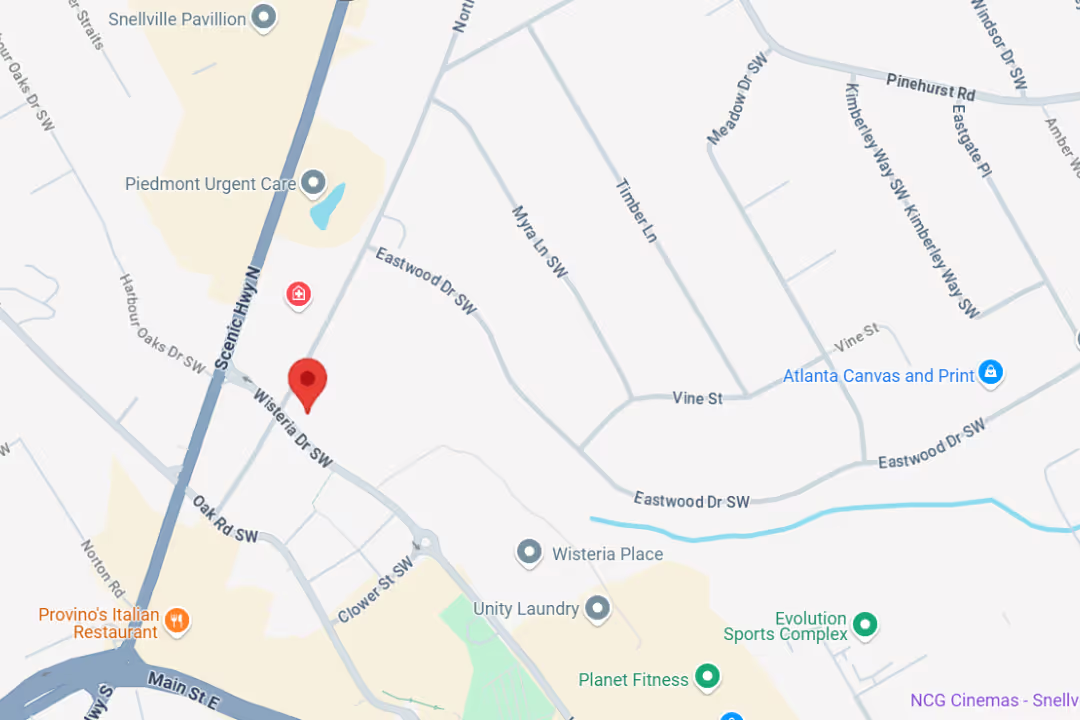
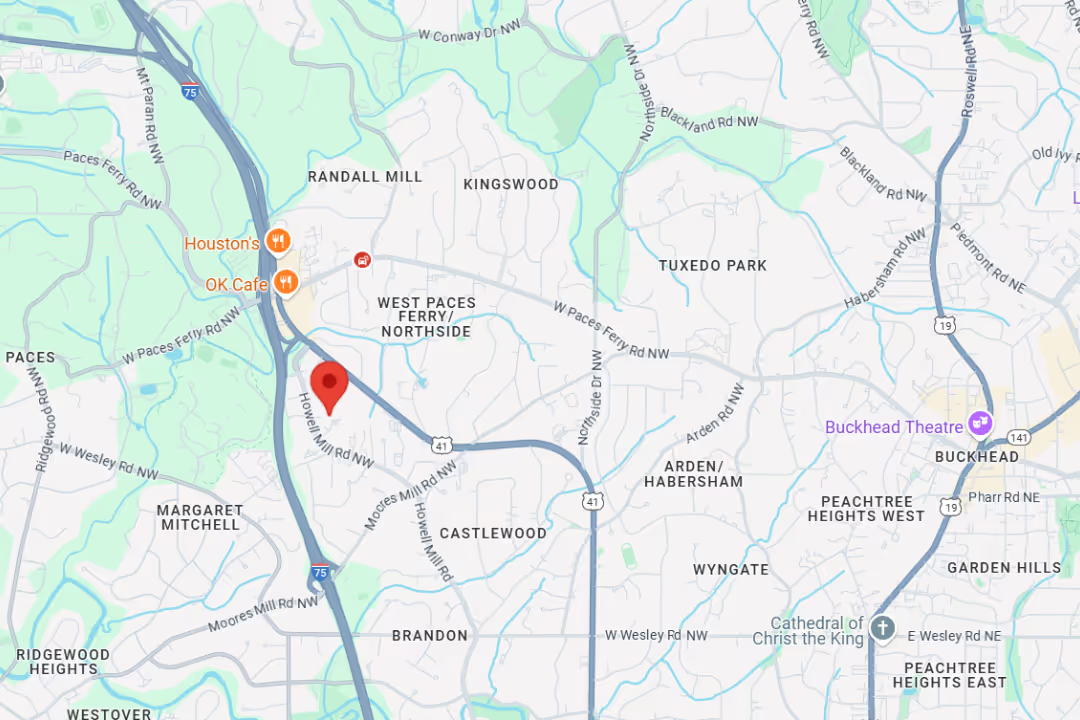
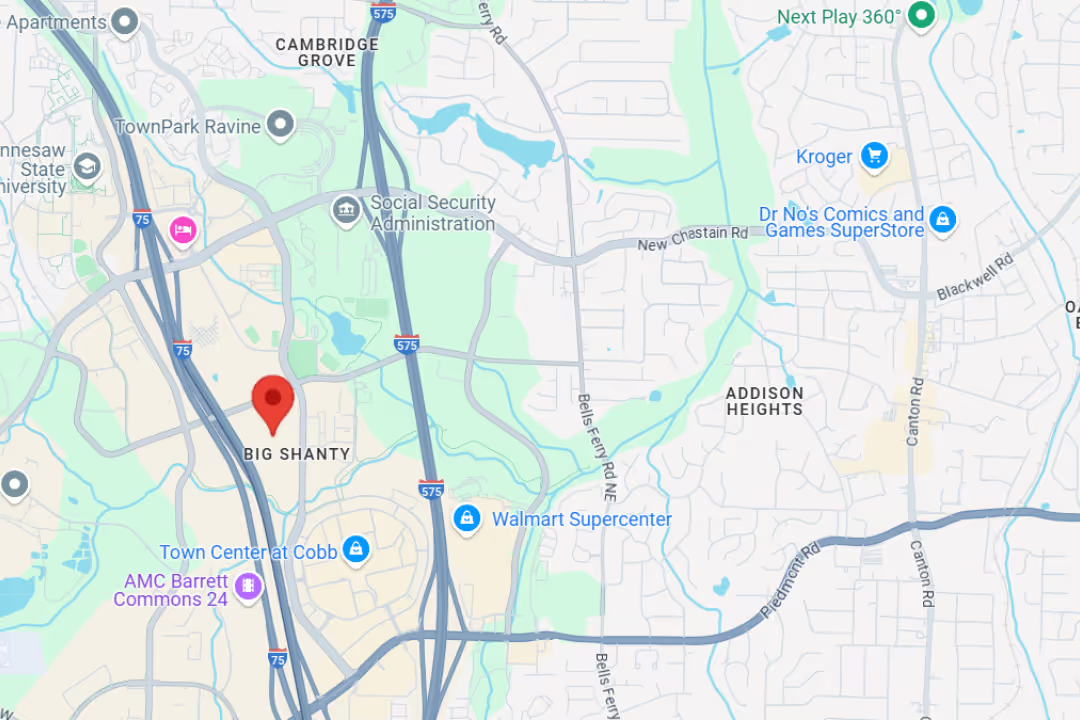
At Medici Orthopaedics & Spine, led by Dr. Sonny Dosanjh, M.D., our team delivers personalized, minimally invasive care across the greater Atlanta area. Whether you need battery diagnostics, device upgrades, or a comprehensive multimodal pain management plan, we provide dedicated support at our clinics and state-of-the-art ambulatory surgery centers in Marietta, Snellville, Kennesaw, and Buckhead.
If your device controller is alerting you to low battery levels, or if you would like to explore upgrading your neuromodulation technology, contact our team or explore our advanced spinal cord stimulation therapies to schedule your consultation.
At Medici, you’re more than your MRI.
We take time to hear your story, understand your pain, and create a plan that actually works for you.

Our team delivers specialist care at convenient locations across Metro Atlanta:
Get expert tips on injury recovery, pain relief, joint health, and movement strategies—straight from our Fellowship-Trained team.