An acute ankle inversion injury can happen in a split second. A sudden misstep stretches the lateral ligaments beyond their limits, leading to immediate joint swelling and pain. Understanding your injury is the first step toward a safe recovery.
Sprained ankle recovery time depends on how badly the ligaments are damaged. Here is a quick answer:
| Sprain Grade | Severity | Typical Recovery Time |
|---|---|---|
| Grade 1 | Mild stretching | 1-3 weeks |
| Grade 2 | Partial tear | 3-6 weeks |
| Grade 3 | Complete tear | 3-6 months |
All it takes is one misstep off a curb, an awkward landing, or a pivot during a pickup game — and suddenly you're limping with a swollen, throbbing ankle. It happens to athletes, office workers, and parents chasing kids around the house alike.
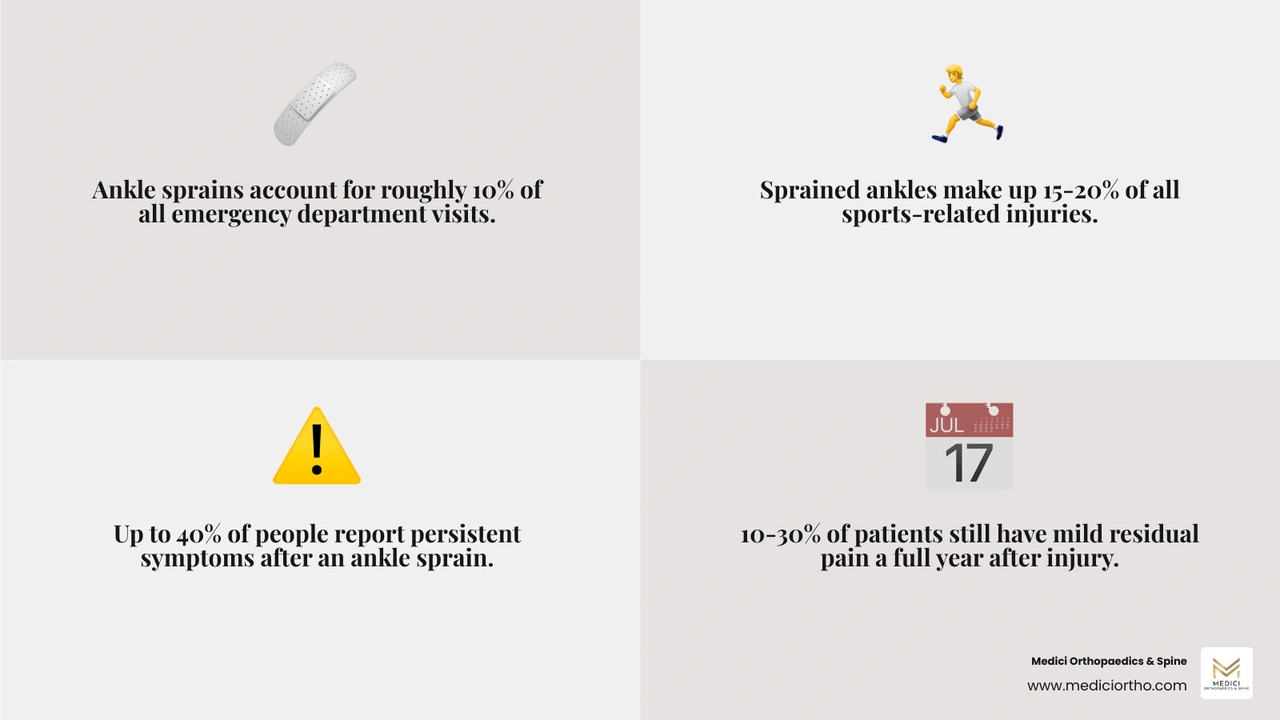
Ankle sprains are one of the most common musculoskeletal injuries there is. They account for roughly 10% of all emergency department visits and more than 15-20% of all sports-related injuries. Yet many people simply tough it out at home, skip proper rehabilitation, and end up with a chronically weak, unstable ankle that keeps re-injuring.
The grade of your sprain matters — but so does how you treat it. Up to 40% of people report persistent symptoms after an ankle sprain, and 10-30% still have mild residual pain a full year later. Those numbers drop significantly with the right early care.
I'm Sonny Dosanjh, M.D., board-certified in Physical Medicine & Rehabilitation and fellowship-trained at Emory University in Multidisciplinary Pain Management — I've helped hundreds of patients navigate sprained ankle recovery time and avoid the cycle of re-injury that comes from incomplete healing. In this guide, I'll walk you through everything you need to know to recover fully and protect your ankle long-term.
An ankle sprain is fundamentally an injury to the ligaments — the tough, flexible bands of tissue that connect bone to bone and keep your joints stable. When your foot rolls or twists awkwardly, these ligaments are stretched beyond their normal boundaries.
To map out your recovery, we categorize these injuries into three distinct clinical grades. This grading system directly dictates your sprained ankle recovery time and informs the specific rehabilitation steps required to return to full, pain-free function.
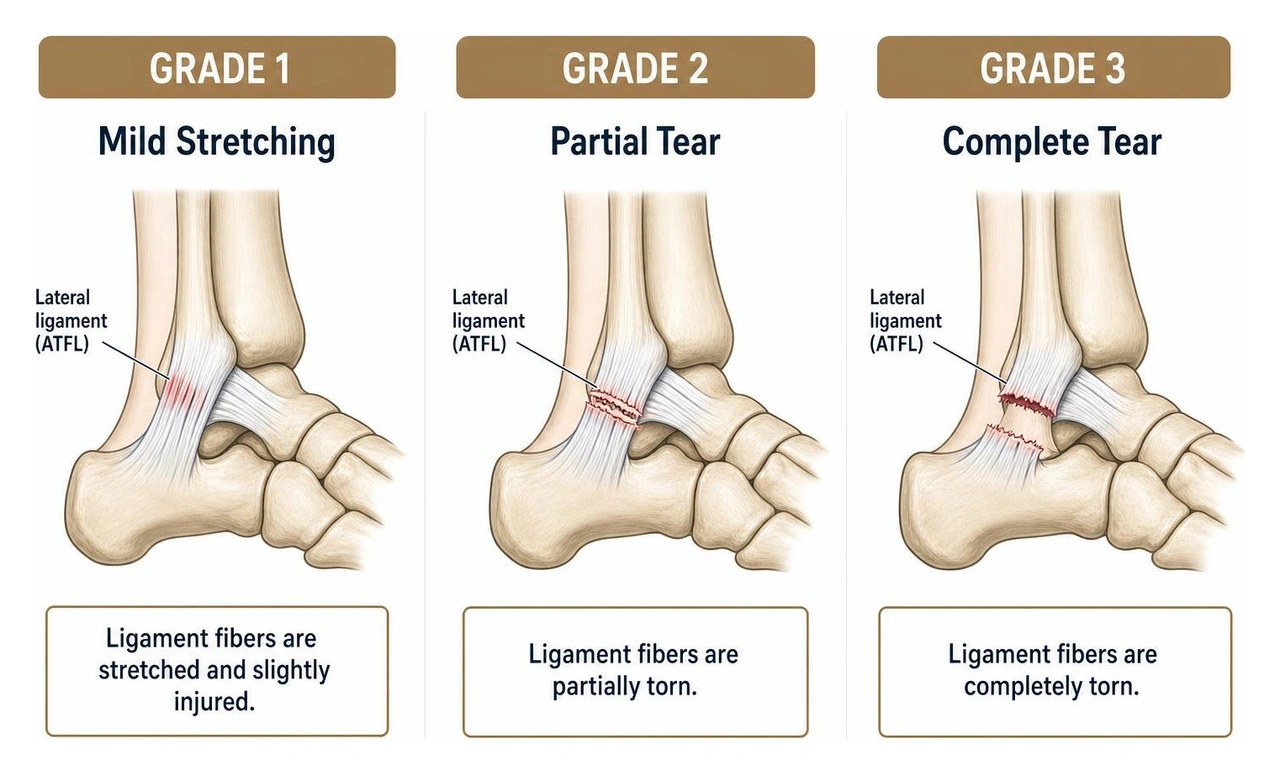
A detailed clinical breakdown of these grades can be found in the comprehensive literature on Acute Ankle Sprain - StatPearls - NCBI Bookshelf. Here is how they differ in presentation and healing expectations:
In a Grade 1 sprain, the ligament fibers have experienced microscopic tearing but no macroscopic disruption. The injury typically involves the anterior talofibular ligament (ATFL), which is the most vulnerable ligament on the outer side of the ankle.
A Grade 2 sprain represents a partial ligament rupture. This often involves a significant tear of the ATFL and potentially mild stretching or tearing of the calcaneofibular ligament (CFL).
A Grade 3 sprain is a severe injury involving a complete ligament rupture. The ATFL and CFL are often entirely torn, leaving the joint structurally compromised.
No two ankles heal exactly alike. While the clinical grade provides a baseline timeline, several individual variables dictate how quickly your body repairs the damaged soft tissues.
As highlighted by Recovering from an ankle sprain - Harvard Health, the ultimate goal of healing is not just the absence of pain, but ensuring that the ligaments heal under the correct tension. If ligaments heal in a loose, stretched-out state, the joint loses its mechanical stability, making future injuries highly likely.
Historically, the standard treatment for a bad sprain was to put the foot in a heavy plaster cast for several weeks. Modern orthopedic science has turned away from this approach. Except in cases of severe structural instability, prolonged immobilization actually delays recovery. It leads to:
Instead, we advocate for functional treatment. This involves early, controlled weight-bearing (optimal loading) protected by a brace. Functional treatment promotes faster tissue regeneration, aligns the healing collagen fibers along lines of natural stress, and significantly shortens your sprained ankle recovery time.
Your natural anatomy plays a massive role in your injury risk and healing trajectory. For example, individuals with a cavovarus foot deformity (characterized by high arches and an inverted heel) are mechanically predisposed to rolling their ankles outward.
Additionally, if you have a history of recurrent sprains, your ligaments may already suffer from pre-existing laxity. This structural weakness, combined with a proprioception deficit (the brain's lost ability to sense where the foot is in space without looking), can turn a minor slip into a prolonged recovery. If you are struggling with persistent weakness, seeking specialized ankle and foot pain help near me can help identify these underlying structural vulnerabilities before they cause permanent damage.
When you roll your ankle, the immediate pain can be so intense that it is difficult to tell if you have sustained a severe sprain or a broken bone.
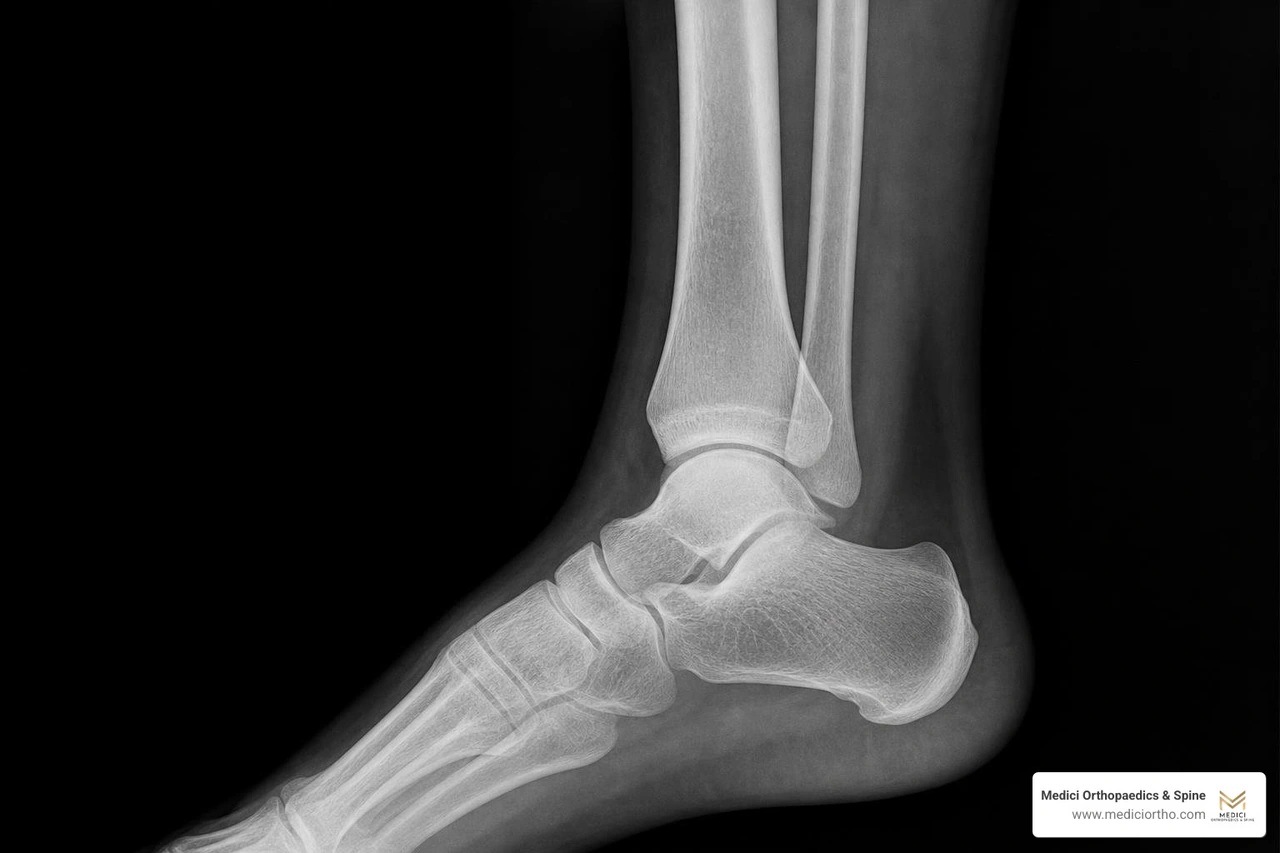
A sprain is an injury to the ligaments, whereas a fracture is a break in one of the bones making up the ankle joint (typically the distal fibula or tibia). Both injuries share overlapping symptoms: sudden pain, rapid swelling, and bruising.
To determine if you need an X-ray, clinicians utilize a highly accurate screening tool known as the Ottawa Ankle Rules. This clinical decision framework has a near 100% sensitivity for ruling out fractures, reducing unnecessary radiation exposure by up to 30%. According to the rules, an X-ray is generally required if you experience:
In some cases, a strong ligament can actually pull a small piece of bone away during an inversion injury. This is known as an avulsion fracture. Because ligaments do not show up on standard X-rays, a professional physical exam is crucial to differentiate between a complex sprain strain and a true skeletal break. For a deeper look at this distinction, refer to the Sprained Ankle: Symptoms, Treatment & Recovery Time guide.
While mild sprains can often be managed with home care, certain "red flags" demand immediate medical attention. We recommend scheduling an appointment with an orthopedic specialist if you notice:
If you are experiencing any of these warning signs in the Metro Atlanta area, it is time to seek professional evaluation. You can read more about when to take this step in our article, Is it just a sprain when to seek ankle and foot pain help in Kennesaw. For severe cases, understanding When should I see an orthopedic surgeon for foot or ankle pain can help you avoid long-term joint degradation.
To get back on your feet quickly and safely, your treatment strategy must evolve alongside your body's natural healing phases.
While the classic RICE protocol (Rest, Ice, Compression, Elevation) is still widely taught, modern sports medicine has transitioned toward more active, recovery-focused frameworks like POLICE and MEAT. These updated protocols are detailed in the Sprained ankle - Diagnosis and treatment - Mayo Clinic resources.
The traditional RICE method focuses heavily on complete rest and suppressing inflammation. However, inflammation is actually the first phase of tissue healing. Completely shutting it down can occasionally delay tissue repair.
Here is how modern protocols optimize your recovery:
Once the acute pain begins to subside (typically within 48 to 72 hours), you can begin active rehabilitation. A structured exercise program is the single most effective way to shorten your recovery.
To learn more about structuring these phases, check out our clinical FAQ on How long does it take to rehab a sprained ankle and what's the fastest way to recover.
When an ankle sprain is ignored or rushed back into activity prematurely, the ligaments may fail to heal properly. This can lead to structural and neurological complications that affect your mobility for years to come.
According to the Ankle Sprains - Injuries and Poisoning - MSD Manual Consumer Version, up to 40% of individuals suffer from persistent symptoms, often developing into a condition known as chronic ankle instability (CAI). CAI is characterized by a repetitive cycle of the ankle "giving way" during normal activities, which progressively damages the joint cartilage and significantly increases the risk of post-traumatic ankle arthritis.
It is vital to monitor your healing progress. You should consult an orthopedic specialist if you notice any of the following signs of improper healing:
For detailed aftercare instructions and timelines to cross-reference with your own recovery, see the Ankle sprain - aftercare: MedlinePlus Medical Encyclopedia.
Surgery is rarely needed for an acute, first-time ankle sprain. However, if you have undergone 3 to 6 months of dedicated physical therapy and still suffer from mechanical instability or frequent giving way, surgical intervention may be considered.
Surgical options typically include:
It depends entirely on the severity of the injury. With a mild Grade 1 sprain, walking is usually possible, though it may cause minor discomfort. However, if you have a Grade 2 or 3 sprain, walking immediately after the injury can cause secondary damage to the partially torn or ruptured fibers. If walking causes you to limp or alter your natural gait, you should protect the joint with a supportive brace or use crutches until you can be professionally evaluated.
No. Standard X-rays only show bones; they cannot visualize soft tissues like ligaments. Unless you meet the specific criteria of the Ottawa Ankle Rules (such as localized bone pain or an inability to bear weight), an X-ray is unnecessary. If deep tissue damage is suspected, other imaging modalities like a dynamic ultrasound (which allows us to view the ligament in real-time as the foot moves) or an MRI are far more useful.
The most effective prevention strategy is a combination of dynamic strengthening and neuromuscular training. Focus on:
A sprained ankle is a highly treatable injury, but ignoring it can lead to a lifetime of chronic pain, weakness, and joint instability. Navigating your sprained ankle recovery time successfully requires a careful balance of protection, early mobilization, and targeted rehabilitation.
At Medici Orthopaedics & Spine, led by Dr. Sonny Dosanjh, M.D., we are committed to Optimally Restoring your Quality of Life with the most effective, least invasive, and least drug-dependent programs medically available. We believe in treating the whole patient, often combining physical therapy, targeted exercises, and advanced sports injury recovery treatments to achieve the best possible outcomes.
If you are suffering from acute or chronic ankle and foot pain, you don't have to navigate recovery alone. We offer cutting-edge, non-surgical regenerative medicine options — such as prolotherapy and advanced injection therapies — designed to accelerate ligament healing and restore natural joint tension without the need for invasive surgery.
Whether you need a comprehensive orthopedic evaluation, personalized physical therapy for sports injuries, or advanced pain management, our team is here to help. We invite you to read our practical guide on How to rehab a sprained ankle fast to kickstart your recovery.
To schedule a consultation at one of our convenient Metro Atlanta locations, contact us today:
At Medici, you’re more than your MRI.
We take time to hear your story, understand your pain, and create a plan that actually works for you.

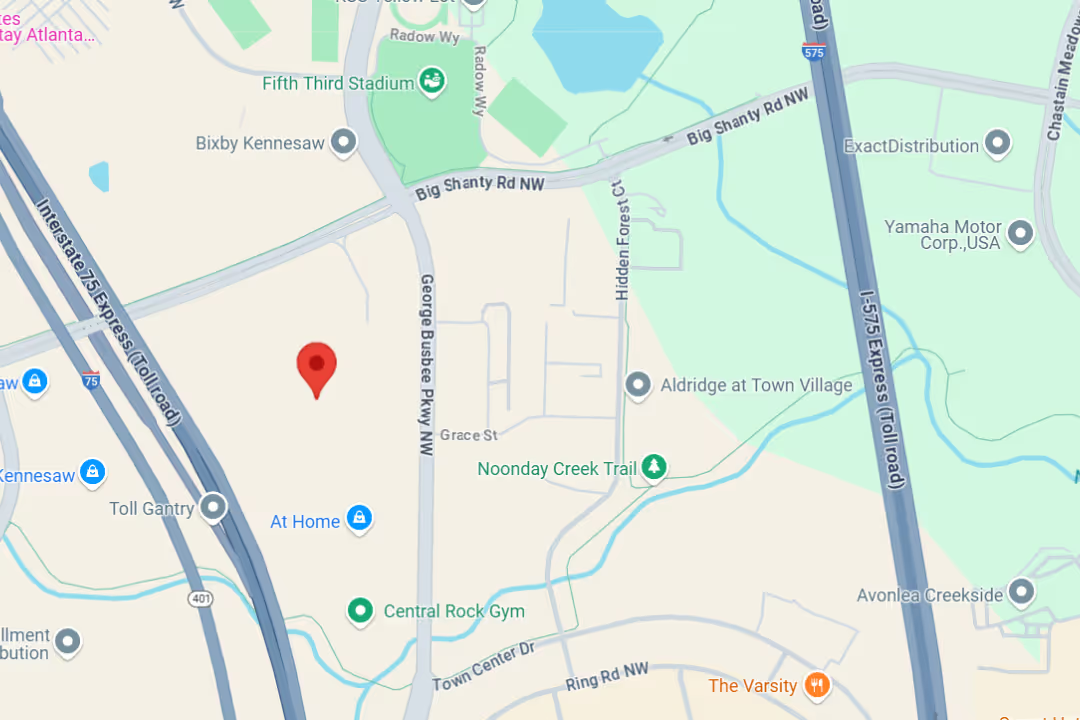
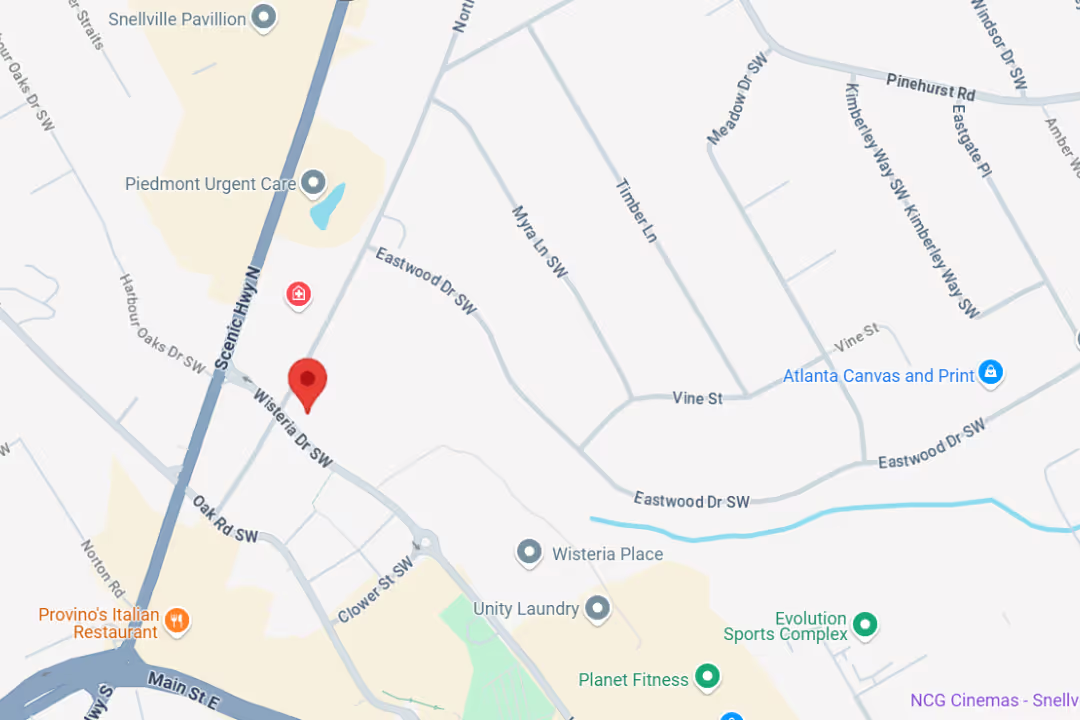
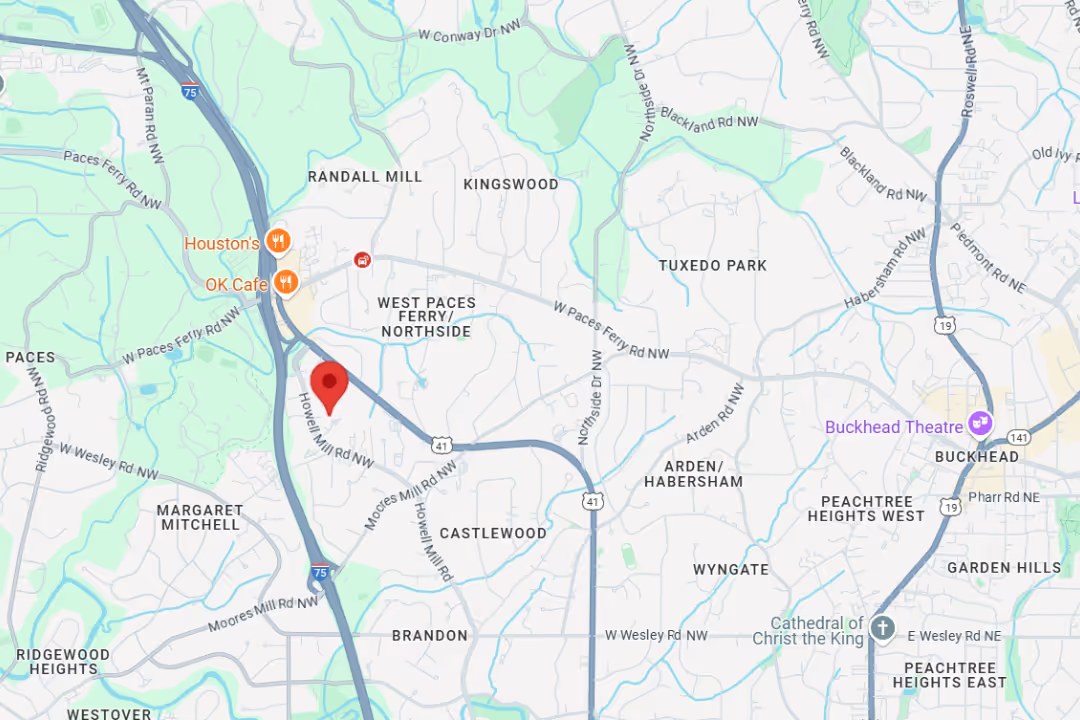
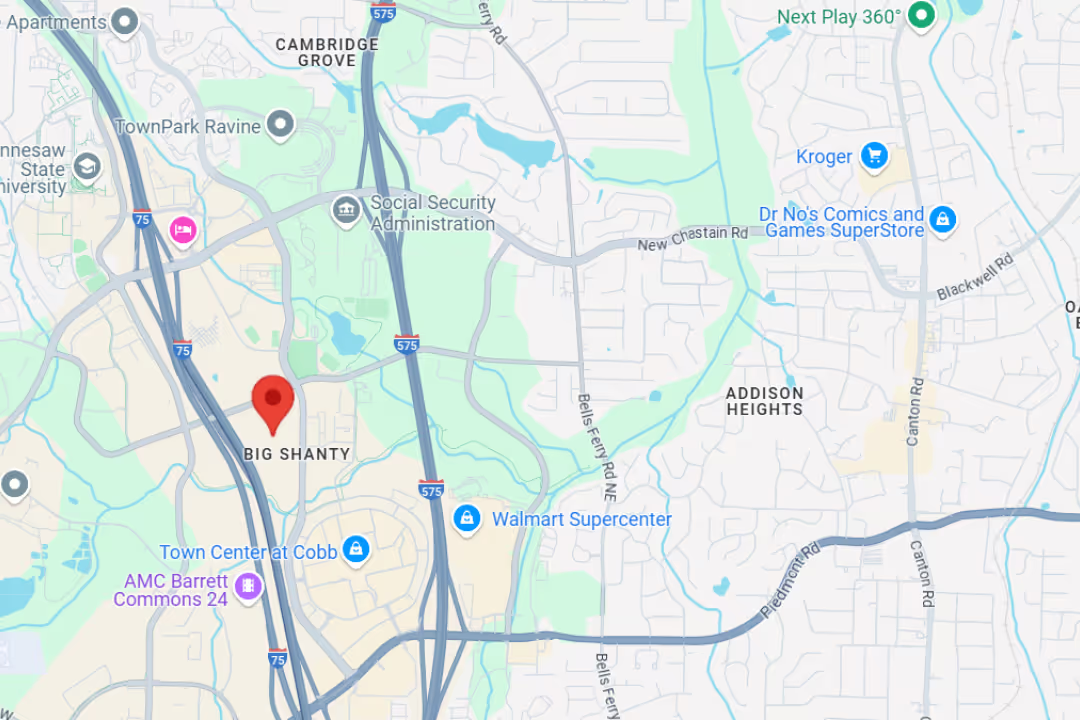
Our team delivers specialist care at convenient locations across Metro Atlanta:
Get expert tips on injury recovery, pain relief, joint health, and movement strategies—straight from our Fellowship-Trained team.