When pain becomes a constant in your life, it has a way of narrowing everything. The activities you used to enjoy, the work you need to do, even simple things like getting up from a chair or walking to the mailbox can start to feel uncertain. And when that pain sends you looking for answers, one of the first fears that surfaces is the possibility of surgery.
That fear is understandable. Surgery feels like a big, permanent step, and for many people, it carries a lot of unknowns. But the reality of modern orthopedic care is more nuanced than the old "manage it or operate" framework that many patients still expect. There is a wide, well-developed middle ground between living with pain and going under the knife, and most patients have more options available to them than they realize.
The decision between surgery and conservative care is not one-size-fits-all, and it should never be made in a rush. It depends on the specific condition, how long it has been present, how it is affecting your function and quality of life, and how your body has responded to treatment so far. What it should not depend on is a reflexive default toward the most aggressive approach when less invasive options have not been given a fair chance.
Conservative care is the term used for treatments that address musculoskeletal pain and dysfunction without surgery. "Conservative" does not mean passive, and it does not mean ineffective. For a significant portion of patients, a well-designed conservative care plan produces lasting results that make surgery unnecessary.
The range of non-surgical orthopedic care is broader than most patients expect:
For the majority of orthopedic conditions, the clinical evidence supports beginning with conservative care before considering surgery. Many acute injuries heal well with the right rehabilitative support. Many chronic conditions, including degenerative joint disease, spinal stenosis, and rotator cuff pathology, can be managed effectively for years with non-surgical approaches.
Starting with conservative care also gives your provider important clinical information. How a condition responds to targeted therapy often clarifies the path forward, whether that means continuing and advancing non-surgical treatment or determining that surgery is genuinely the most appropriate next step.
If you have been searching for non surgical orthopedics near me, a practice like Medici Orthopaedics & Spine offers the full spectrum of conservative options alongside surgical expertise, so you never have to choose between the two when you walk in the door.
Surgery is not a failure of conservative care. It is an important and often life-changing tool that belongs in every comprehensive orthopedic practice. The key is using it at the right time, for the right condition, in the right patient.
There are specific situations where surgery is not just reasonable but genuinely the most appropriate option:
When surgery is the right path, the way it is performed matters enormously. At Medici Orthopaedics & Spine, surgical care includes minimally invasive techniques that reduce tissue disruption, shorten recovery time, and lower the risk profile compared to traditional open surgery. Dr. Darren Newfield, an orthopedic surgeon associated with the practice, brings specialized surgical expertise to cases that require operative intervention.
If you are looking for an orthopedic surgeon near me or exploring your options for orthopedic surgery near me, the team at Medici offers surgical skill alongside a genuine commitment to making sure surgery is recommended only when it is truly indicated.
The knee, hip, and shoulder are the joints most frequently affected by degeneration, injury, and chronic overuse. For each of these areas, the assumption that pain eventually leads to joint replacement is not always accurate.
Many patients with moderate to severe osteoarthritis, rotator cuff tears, or hip labral damage achieve significant and lasting relief through conservative care. The right combination of targeted injections, physical therapy, activity modification, and regenerative treatments can reduce pain, slow degeneration, and restore meaningful function, sometimes for years before, or instead of, surgical intervention.
One of the most significant advances in joint pain treatment options over the past decade has been the refinement of regenerative approaches for joint conditions:
These treatments are particularly valuable for patients who want to delay or avoid joint replacement surgery, or for those who are not yet surgical candidates due to age, health status, or the extent of their condition.
There are situations where joint replacement is the most effective long-term solution available. When cartilage loss is severe, when joint anatomy is significantly compromised, and when non-surgical options have been exhausted, a well-performed joint replacement can dramatically restore quality of life. The goal at Medici is to ensure that when a patient arrives at that decision, it is the right decision for them specifically, not a default reached before other options were genuinely explored.
Living with orthopedic pain can feel like waiting for the other shoe to drop. Will it get worse? Will I eventually need surgery? Is what I'm doing now actually helping? Those questions are real, and they deserve real answers from a provider who takes the time to understand your specific situation before prescribing a direction.
The team at Medici Orthopaedics & Spine brings together the full range of orthopedic and spine expertise with a clear commitment to starting smart and going as far as your condition requires, no further, and never less.
An evaluation at Medici Orthopaedics & Spine is the first step toward understanding what is actually driving your pain and what your real options are. Whether you are managing a recent injury, dealing with a condition that has been building for years, or trying to decide whether surgery is truly necessary, the team is here to give you a clear picture and a thoughtful plan.
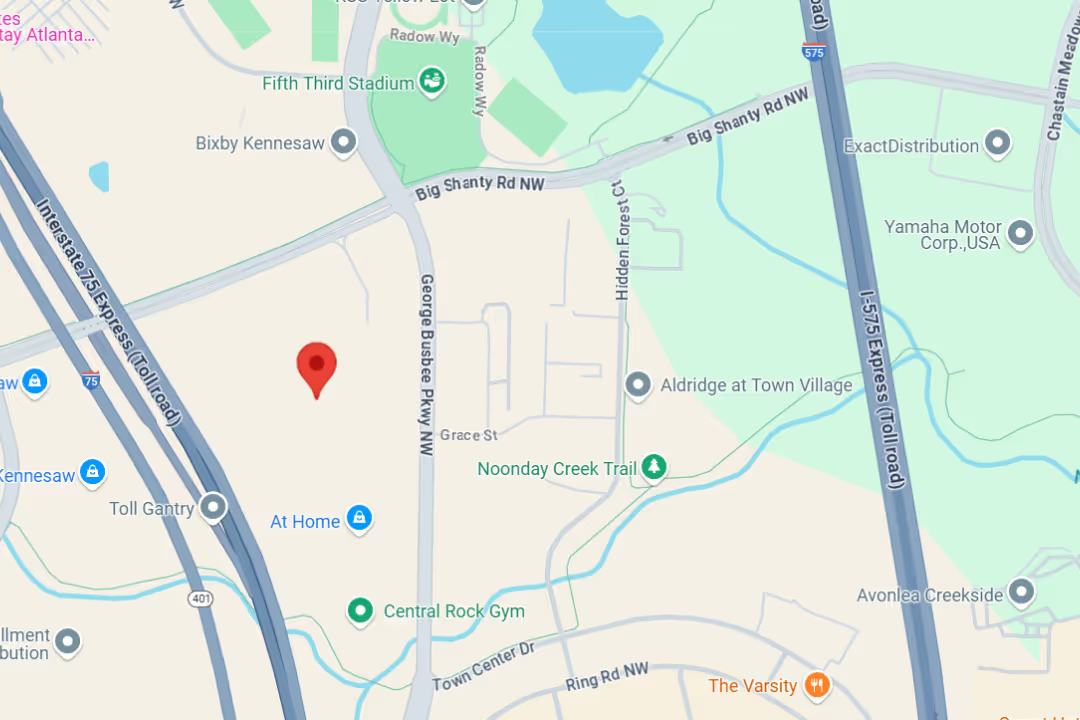
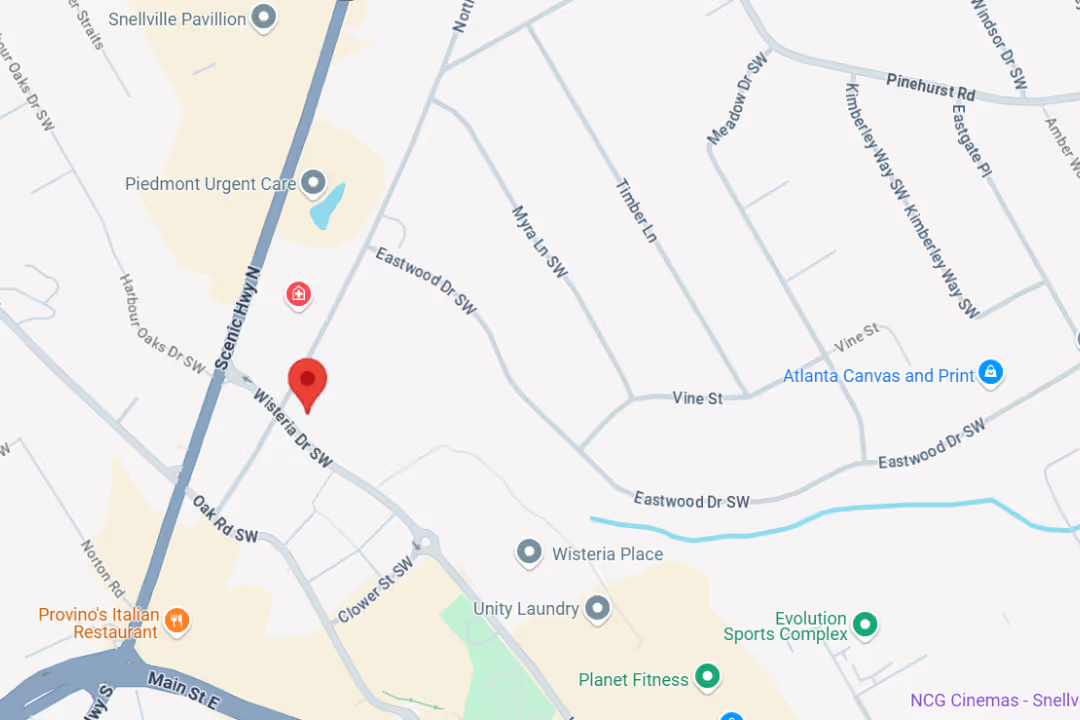
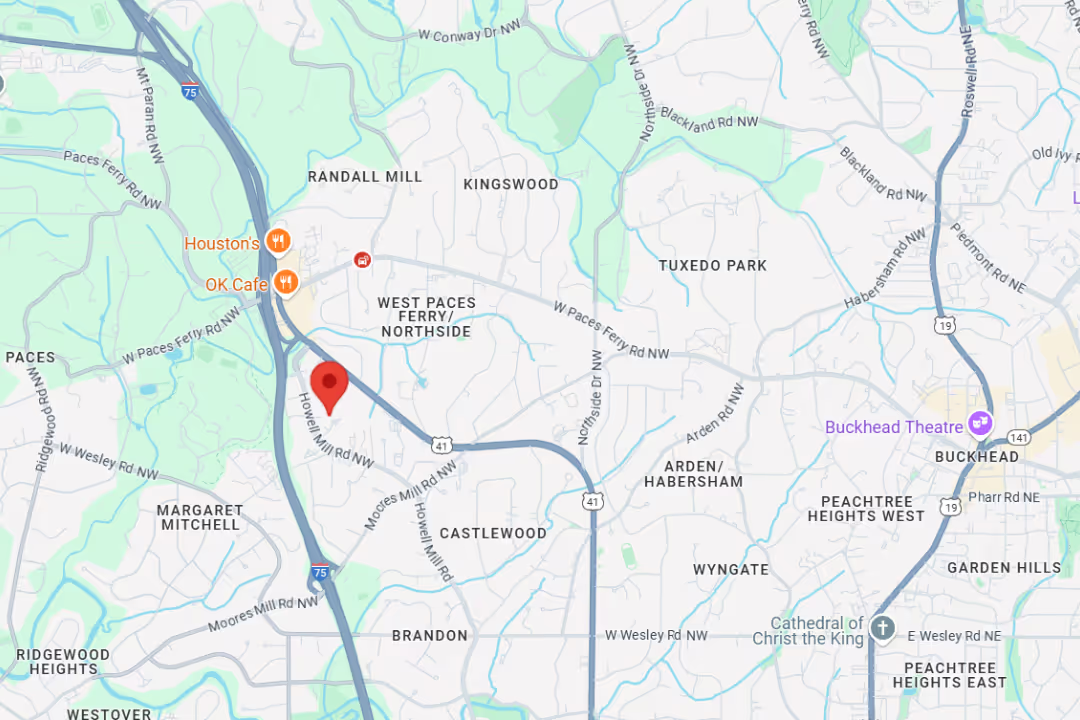
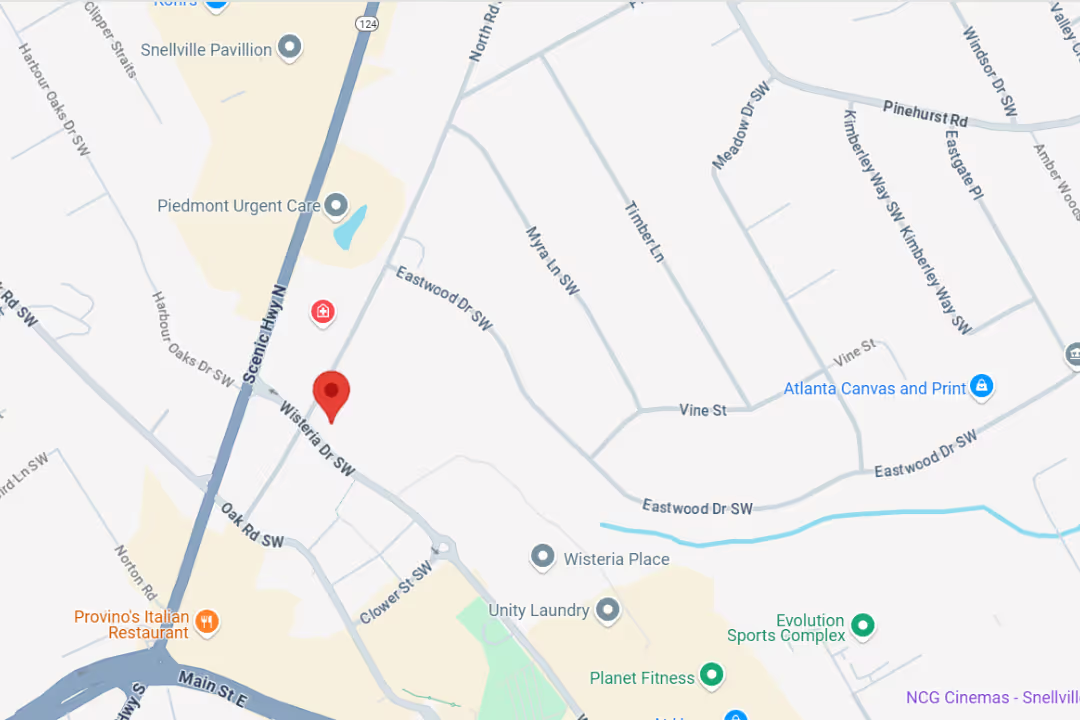
Medici accepts Medicare and many other insurance plans, with clinic locations across the Atlanta metro area in Kennesaw, Snellville, and Buckhead.
At Medici, you’re more than your MRI.
We take time to hear your story, understand your pain, and create a plan that actually works for you.

Our team delivers specialist care at convenient locations across Metro Atlanta:
Get expert tips on injury recovery, pain relief, joint health, and movement strategies—straight from our Fellowship-Trained team.