What Is Hyperbaric Treatment Used For?
Hyperbaric oxygen therapy (HBOT) is used to treat certain emergencies and hard-to-heal tissue injuries. It can help people with decompression sickness or carbon monoxide poisoning. It is also used alongside standard care for selected diabetic foot ulcers, radiation injuries, serious infections, and threatened skin grafts.
During treatment, you breathe pure oxygen in a pressurized chamber. This helps more oxygen reach damaged tissue. But HBOT is not a proven treatment for routine joint or back pain, sports recovery, or general wellness. The right choice depends on your diagnosis and a safety review.
I'm Sonny Dosanjh, M.D., a board-certified physical medicine and rehabilitation physician with fellowship training in pain management. My work in injury recovery and chronic pain guides how I answer the question, "what is hyperbaric treatment used for," and help patients separate established uses from unproven claims.
How Hyperbaric Oxygen Therapy (HBOT) Works on a Cellular Level
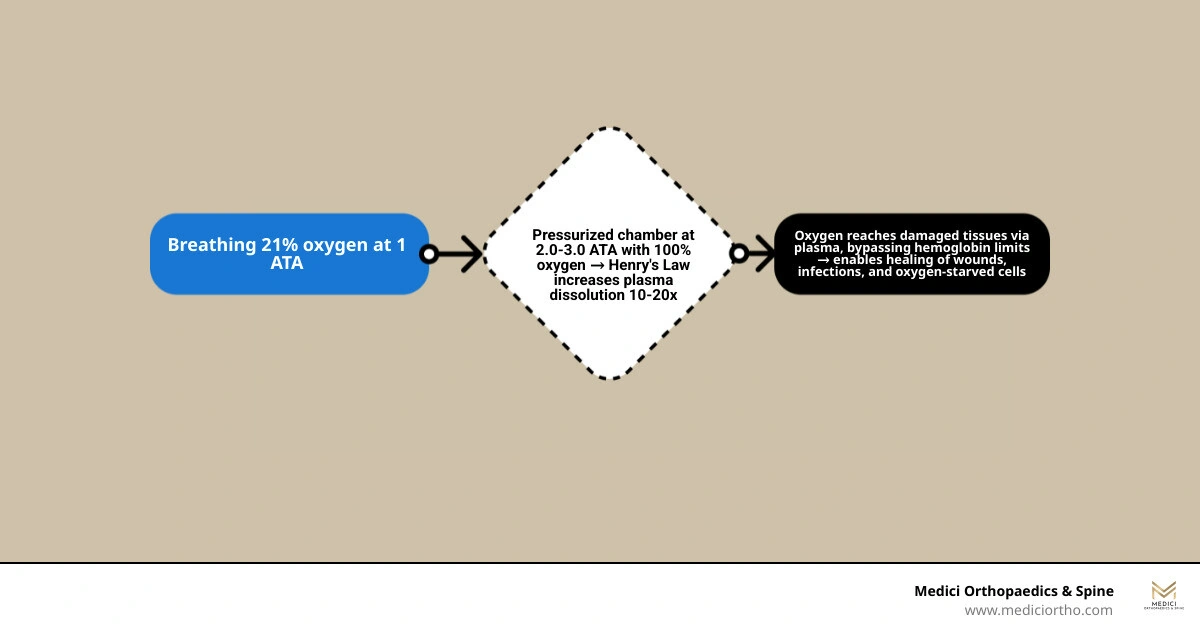
Under normal baseline conditions at sea level, atmospheric pressure sits at 1 atmosphere absolute (ATA). When we breathe room air (which is roughly 21% oxygen), nearly all circulating oxygen is carried bound to the hemoglobin inside red blood cells. In healthy individuals, hemoglobin saturation is already near 97% to 100%, leaving little room to carry more oxygen through red cells alone.
Hyperbaric oxygen therapy alters this dynamic by changing environmental physics. By placing a patient inside a specialized vessel pressurized between 2.0 and 3.0 ATA while administering 100% medical-grade oxygen, we dramatically increase the partial pressure of oxygen in the lungs. In accordance with Henry's Law, the amount of gas dissolved in a liquid is directly proportional to its partial pressure. As detailed in the StatPearls clinical guide on hyperbaric physiology and gas effects, breathing pure oxygen at 3 ATA allows dissolved oxygen in blood plasma to surge up to 10 to 20 times normal levels (NBK470481).
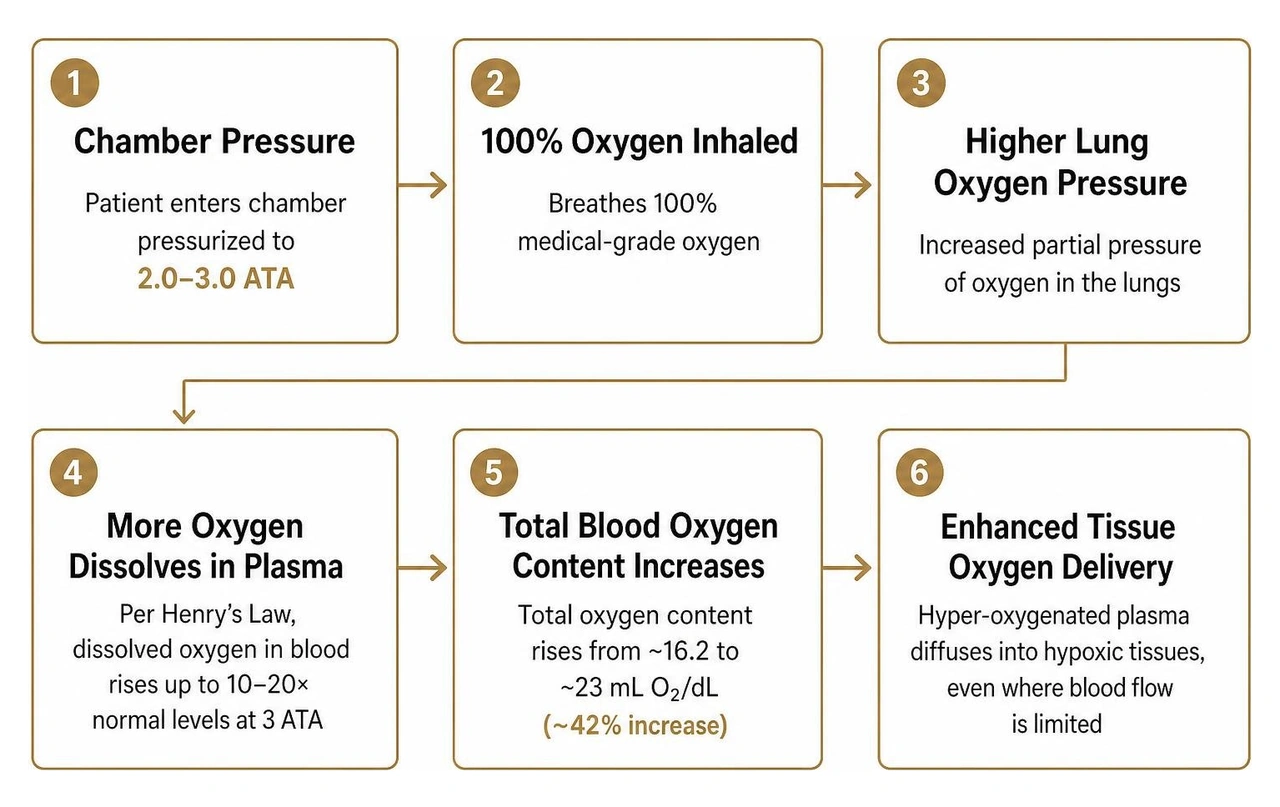
This massive increase in plasma dissolved oxygen means tissue oxygenation no longer depends solely on red blood cell flow through narrowed capillaries. Total blood oxygen content can jump from approximately 16.2 mL O₂/dL to roughly 23 mL O₂/dL—a 42% overall boost. This hyper-oxygenated plasma diffuses deep into compromised, hypoxic tissues where swelling or vascular damage would otherwise block red blood cells. Concurrently, hyperoxia induces beneficial vasoconstriction, reducing localized tissue edema without sacrificing cellular oxygen delivery. To understand more about these systemic mechanics, review our comprehensive hyperbaric oxygen therapy guide.
Angiogenesis and Tissue Regeneration
Damaged and chronically inflamed tissues often stall in their healing cycle because microvascular networks have collapsed or failed to develop. Hyperbaric oxygen acts as a direct signaling molecule rather than just a passive nutrient. Intermittent cycles of hyperoxia stimulate hypoxia-inducible factor 1-alpha (HIF-1α) downstream cascades upon return to normoxia, triggering vascular endothelial growth factor (VEGF), platelet-derived growth factor (PDGF), and fibroblast growth factor (FGF).
This cascade drives neovascularization—the formation of robust new blood vessel networks. Simultaneously, fibroblasts utilize the abundance of oxygen to synthesize collagen fibers and build an extracellular matrix, laying down healthy structural scaffolding. Hyperbaric pressure also mobilizes bone-marrow-derived stem cells into circulation, amplifying the physiological benefits of HBOT treatment and driving lasting structural repair in injured tissues.
Antimicrobial Effects and Immune Support
Severe infections frequently thrive in low-oxygen environments where host defenses are paralyzed. Polymorphonuclear leukocytes (white blood cells) require molecular oxygen to produce reactive oxygen species (ROS) and reactive nitrogen species, which form the "oxidative burst" needed to kill invading pathogens.
HBOT restores oxygen tension in infected tissue beds above 30 to 40 mmHg—the critical threshold at which leukocyte phagocytosis and bacterial killing resume normal function. Furthermore, hyperoxia exerts direct bacteriostatic and bactericidal effects against strictly anaerobic organisms (such as Clostridium perfringens), halts alpha-toxin production in gas gangrene, and works synergistically with several classes of antibiotics (including aminoglycosides and fluoroquinolones) to penetrate stubborn biofilms.
Clinical Indications: What Is Hyperbaric Treatment Used For?
Hyperbaric medicine is governed by strict, evidence-based parameters established by the Undersea and Hyperbaric Medical Society (UHMS) and cleared by the FDA (NBK499820). The therapy serves two broad clinical categories: acute, life-or-limb emergencies requiring immediate pressurization, and chronic, non-healing conditions requiring a structured series of daily dives.
Urgent (emergency) uses
- Carbon monoxide poisoning: Helps displace carbon monoxide from hemoglobin and reduce the risk of delayed neurologic effects. Typical regimen: 1–3 sessions at 2.5–3.0 ATA for 90–120 minutes.
- Decompression sickness or arterial gas embolism: Shrinks gas bubbles and helps restore microvascular blood flow. Typical regimen: 1–5 sessions using U.S. Navy Treatment Table 6 protocols.
- Clostridial myonecrosis (gas gangrene): Helps inhibit alpha-toxin production and suppress anaerobic bacteria alongside surgical debridement. Typical regimen: 2–3 sessions daily for 1–3 days.
- Acute traumatic ischemia or crush injury: May reduce compartment swelling and ischemia-reperfusion injury. Typical regimen: twice daily for 48–72 hours, then daily as needed.
Chronic, non-urgent uses
- Diabetic foot ulcers (Wagner grade 3 or higher): Supports angiogenesis, granulation tissue, and wound closure. Typical regimen: 30–40 daily sessions at 2.0–2.4 ATA for about 90 minutes.
- Delayed radiation injury to soft tissue or bone: Supports recovery from radiation-related vascular damage and tissue injury. Typical regimen: 30–60 daily sessions at 2.0–2.5 ATA for about 90 minutes.
- Chronic refractory osteomyelitis: Raises oxygen levels in bone to support immune function, antibiotic delivery, and healing. Typical regimen: 20–40 daily sessions combined with culture-directed antibiotics.
- Compromised skin grafts and flaps: Helps preserve ischemic tissue while new microvascular circulation develops. Typical regimen: 10–20 daily sessions until graft or flap viability is established.
Urgent Medical Conditions: What Is Hyperbaric Treatment Used For in Emergencies?
In emergency medicine, hyperbaric chambers function as critical resuscitation tools:
- Carbon Monoxide (CO) Poisoning: Carbon monoxide binds to hemoglobin with an affinity over 200 times greater than oxygen, forming carboxyhemoglobin (COHb) and blocking cellular respiration. Breathing room air at sea level clears CO slowly, with a carboxyhemoglobin half-life of 4 to 6 hours. Breathing 100% oxygen under 3 ATA slashes that half-life down to just 23 minutes, rapidly restoring tissue respiration and dramatically lowering the risk of long-term cognitive and neurological deficits. We utilize specialized protocols for carbon monoxide poisoning to protect cerebral and myocardial tissues.
- Decompression Sickness (DCS) and Arterial Gas Embolism (AGE): When scuba divers ascend too rapidly, dissolved nitrogen comes out of solution and forms intravascular and intra-tissue bubbles (the "bends"). Similarly, surgical trauma or barotrauma can introduce air emboli into the arterial tree. Hyperbaric pressure physically compresses these bubbles according to Boyle's Law, shrinking their physical diameter, restoring downstream blood flow, and establishing a steep diffusion gradient to wash out inert gases. Prompt treatment for decompression sickness prevents permanent paralysis and tissue necrosis.
- Necrotizing Soft Tissue Infections and Gas Gangrene: Rapidly spreading infections caused by Clostridium species release lethal tissue-destroying exotoxins. Emergency hyperbaric oxygen stops toxin production immediately, preserves borderline tissue around the surgical margins, and lowers mortality when combined with aggressive surgical debridement and broad-spectrum intravenous antibiotics.
- Crush Injuries and Acute Traumatic Ischemia: Severe blunt trauma, mangled extremities, and compartment syndromes lead to progressive microvascular collapse and ischemia-reperfusion injury. Hyperbaric oxygen limits post-ischemic lipid peroxidation, reduces capillary leaking and swelling, and preserves viability in traumatized limbs.
Chronic Conditions: What Is Hyperbaric Treatment Used For in Long-Term Recovery?
Chronic clinical applications focus on reversing microvascular failure and tissue hypoxia in slow-healing disorders:
- Diabetic Lower Extremity Wounds: Advanced peripheral neuropathy and microvascular disease often leave diabetic patients vulnerable to non-healing foot ulcers. When standard wound care fails and the wound extends into deep fascia, tendon, or bone (Wagner Grade 3 or higher), HBOT can serve as a limb-sparing intervention. By overcoming severe localized hypoxia, it accelerates granulation and reduces major amputation rates. We deliver targeted protocols for diabetic lower extremity wounds that integrate with comprehensive limb-preservation care.
- Delayed Radiation Tissue Injury (Soft Tissue Necrosis and Osteoradionecrosis): Radiation therapy for malignancy can cause delayed endarteritis obliterans—a progressive narrowing and scarring of small blood vessels that leads to tissue atrophy and non-healing wounds months or years later. HBOT is one of the few treatments proven to stimulate new capillary growth inside irradiated fields, resolving radiation cystitis, radiation proctitis, and osteoradionecrosis of the jaw or pelvis.
- Chronic Refractory Osteomyelitis: When deep bone infections fail to clear despite repeated debridements and targeted antibiotic regimens, underlying bone ischemia is frequently the culprit. Hyperbaric oxygen restores normal bone oxygen tension, reactivating local immune defense mechanisms and improving antibiotic transport.
- Compromised Skin Grafts and Flaps: When a reconstructive flap or skin graft shows signs of microvascular compromise or marginal ischemia, HBOT helps sustain tissue survival until adequate capillary in-growth takes place. Clinicians rely on the benefits of hyperbaric therapy for wound healing to rescue threatened surgical reconstructions.
For a broader clinical perspective, consult the Mayo Clinic overview of hyperbaric oxygen therapy, which outlines the balance between emergency interventions and chronic wound care regimens.
Investigational, Off-Label, and Emerging Uses
The public interest surrounding hyperbaric chambers has expanded into sports performance, anti-aging, and neurorehabilitation. It is essential to distinguish between scientific consensus, active clinical trials, and unregulated wellness claims.
At academic medical centers and clinical research networks, HBOT is currently being studied for several investigational applications:
- Traumatic Brain Injury (TBI) and Post-Concussion Syndrome: Researchers are evaluating whether hyperbaric oxygen can stimulate neuroplasticity, reduce neuroinflammation, and improve metabolic activity in dormant penumbral brain regions following concussive trauma.
- Fibromyalgia and Central Pain Sensitization: Clinical trials have explored whether modulating central pain pathways with pressurized oxygen can reduce neuroinflammation and trigger lasting pain relief in patients with chronic widespread pain.
- Sudden Sensorineural Hearing Loss (SSNHL) and Central Retinal Artery Occlusion (CRAO): Emerging evidence supports using HBOT as an urgent adjunct within days of acute symptom onset to rescue ischemic sensory cells in the inner ear and retina.
Conversely, broad commercial claims that mild hyperbaric therapy cures autism, reverses biological aging, prevents Alzheimer’s disease, or acts as a standalone fix for sports fatigue lack rigorous, randomized double-blind clinical evidence. Organizations like Johns Hopkins Medicine guidance on hyperbaric chambers emphasize that mild inflatable "soft chambers" (which typically reach only 1.3 ATA on room air) cannot achieve the therapeutic tissue oxygen pressures generated by medical-grade chambers.
Safety, Contraindications, and Potential Side Effects
While hyperbaric oxygen therapy is non-invasive and generally well tolerated under medical supervision, high-pressure pure oxygen acts pharmacologically and carries defined physiological risks.

Contraindications
Before clearing any patient for therapy, our medical team conducts a rigorous diagnostic screen for contraindications for HBOT:
- Untreated Pneumothorax (Absolute Contraindication): Pressurizing a patient with an unvented collapsed lung can lead to rapid tension pneumothorax and fatal cardiovascular collapse upon chamber decompression. All patients with traumatic chest injuries or unexplained respiratory symptoms undergo baseline lung imaging.
- Relative Contraindications: These include severe chronic obstructive pulmonary disease (COPD) with carbon dioxide retention, active upper respiratory or sinus infections, uncontrolled high fever (which lowers the seizure threshold), history of spontaneous pneumothorax, severe congestive heart failure with an ejection fraction under 35% (as oxygen-induced peripheral vasoconstriction can increase cardiac afterload), and current treatment with certain chemotherapeutic drugs (such as bleomycin, doxorubicin, or cisplatin).
Side Effects and Complications
- Middle Ear Barotrauma: Occurs in up to 2% of hyperbaric dives when pressure between the middle ear space and the external environment fails to equalize across the Eustachian tube. Symptoms range from mild ear fullness and pain to tympanic membrane hemorrhage or perforation.
- Sinus Barotrauma: Trapped air inside facial sinuses can cause pressure pain during chamber compression, easily prevented with proper equalization maneuvers and decongestants when indicated.
- Transient Myopia (Nearsightedness): Between 20% and 40% of patients who undergo a prolonged course of 20 or more daily hyperbaric sessions develop temporary refractive changes in the lens of the eye. This effect resolves spontaneously within several weeks to months after finishing the protocol.
- Central Nervous System (CNS) Oxygen Toxicity: In extremely rare instances (estimated at 0.2 to 3 per 10,000 exposures), excessive arterial oxygen tension at high pressures can produce visual disturbances, ringing in the ears, twitching, nausea, or a self-limiting grand mal seizure. CNS toxicity is actively prevented by including scheduled "air breaks" during treatment dives.
- Pulmonary Oxygen Toxicity: Prolonged multi-week exposure to high oxygen pressures can cause chest tightness, substernal burning, and a dry cough, which resolves upon adjusting the dosing schedule.
What to Expect During and After an HBOT Session
Knowing the treatment workflow helps ease anxiety and ensures safe, comfortable care:
- Pre-Dive Safety Screening: Patients change into 100% medical-grade cotton gowns. To ensure safety in an oxygen-enriched environment, all personal electronic devices, watches, metal accessories, oil-based cosmetics, perfumes, hair products, and warming packs are strictly prohibited.
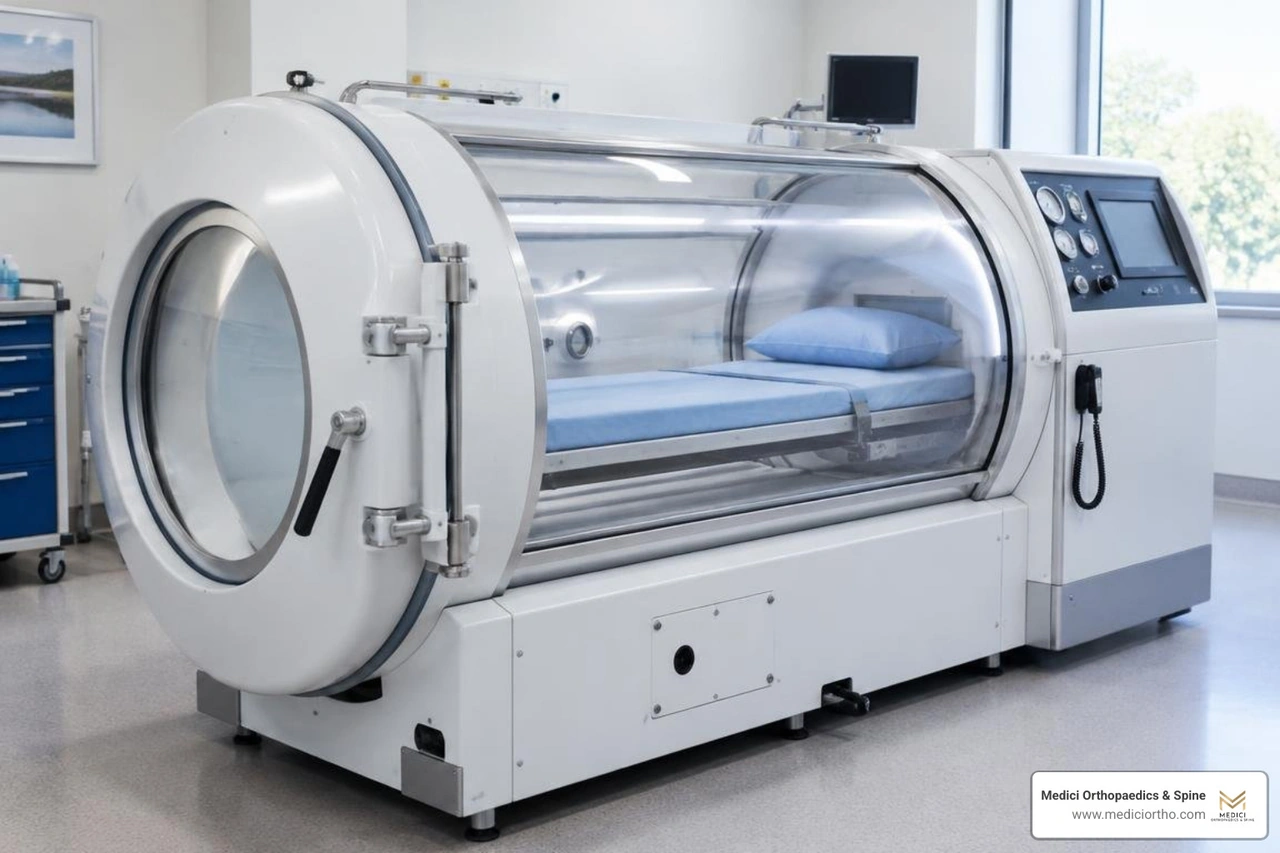
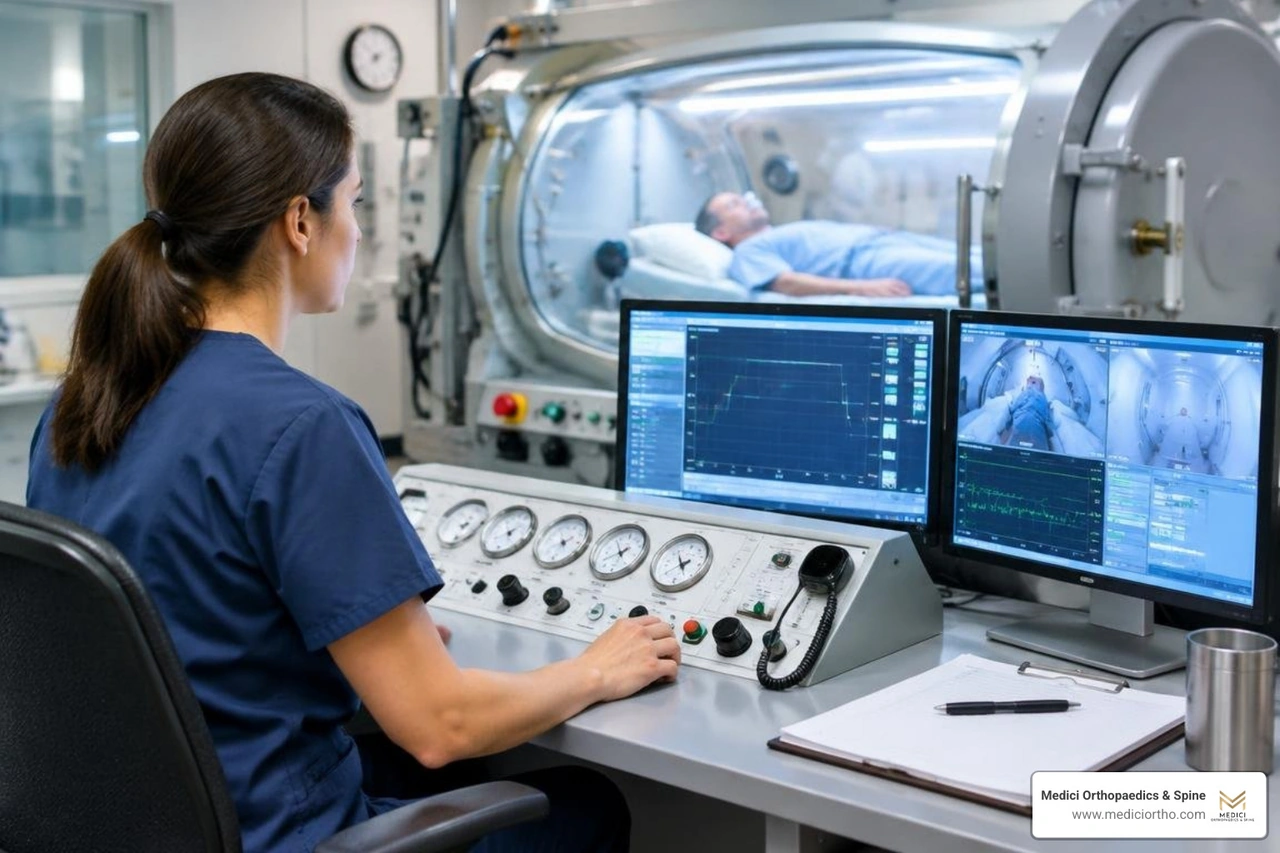
- Chamber Entry: Treatments occur in either a monoplace chamber (a clear acrylic cylinder pressurized for an individual patient) or a multiplace chamber (a larger room accommodating multiple individuals breathing oxygen through masks or specialized hoods).
- Compression Phase: As the chamber pressurizes slowly over 10 to 15 minutes, you will feel a sensation of warmth and ear fullness identical to descending in an airplane or diving to the bottom of a pool. Patients equalize their middle ears by swallowing, yawning, or performing gentle Valsalva techniques.
- Treatment Plateau: Once full treatment pressure is reached (typically 2.0 to 2.4 ATA for non-emergent indications), you relax, breathe comfortably, listen to music, or watch a movie on integrated monitors for 60 to 90 minutes. Many patients wonder what a hyperbaric dive feels like—outside of the pressure shifts during ascent and descent, the treatment itself is entirely painless.
- Decompression Phase: The chamber pressure is gradually reduced over 10 to 15 minutes. The air inside will cool slightly, and your ears will naturally release the accumulated pressure.
- Post-Treatment Assessment: Vital signs, blood glucose levels (for diabetic patients), and tympanic membranes are evaluated. While some patients report mild transient fatigue following their first few sessions, you can immediately return to your normal daily activities.
Frequently Asked Questions about Hyperbaric Therapy
How many hyperbaric treatment sessions are usually required?
Treatment length depends on your specific diagnosis. Acute emergencies like carbon monoxide poisoning or decompression illness resolve in 1 to 5 targeted dives. In contrast, chronic conditions—such as deep diabetic foot ulcers or radiation tissue injury—require significant cellular remodeling and typically involve 30 to 40 daily sessions (or more), scheduled 5 days a week for 60 to 90 minutes per session.
Is hyperbaric oxygen therapy painful or uncomfortable?
The therapy is non-invasive and painless. The only common discomfort occurs during the initial compression and final decompression phases as pressure shifts against the eardrums. Our certified hyperbaric technologists adjust pressurization rates slowly and guide you through simple equalizing maneuvers to ensure your comfort.
Does insurance cover hyperbaric oxygen therapy?
Medicare, Medicaid, and major commercial health insurance carriers cover hyperbaric oxygen therapy for established, FDA-cleared indications (such as chronic non-healing diabetic ulcers of the lower extremities, radiation injury, osteomyelitis, crush injury, and compromised grafts). Prior authorization is typically required, and our administrative team works directly with your referring providers and insurer to verify clinical documentation. Investigational or wellness applications are not covered by insurance.
Conclusion
Hyperbaric oxygen therapy is a specialized, scientifically grounded medical intervention that addresses severe cellular hypoxia, accelerates tissue regeneration, and resolves complex infections. Understanding clinical applications helps patients choose safe, evidence-based care over unregulated claims.
At Medici Orthopaedics & Spine, our multidisciplinary team—led by Dr. Sonny Dosanjh, M.D.—combines advanced physical medicine, interventional spine care, and regenerative therapies to deliver comprehensive, minimally invasive recovery programs tailored to each patient's needs across Metro Atlanta. If you are managing a complex injury or chronic condition and want to discuss clinical options with our medical staff, explore advanced hyperbaric oxygen therapy treatments at our centers in Kennesaw, Marietta, Snellville, and Buckhead.
References
NBK499820.NBK470481.