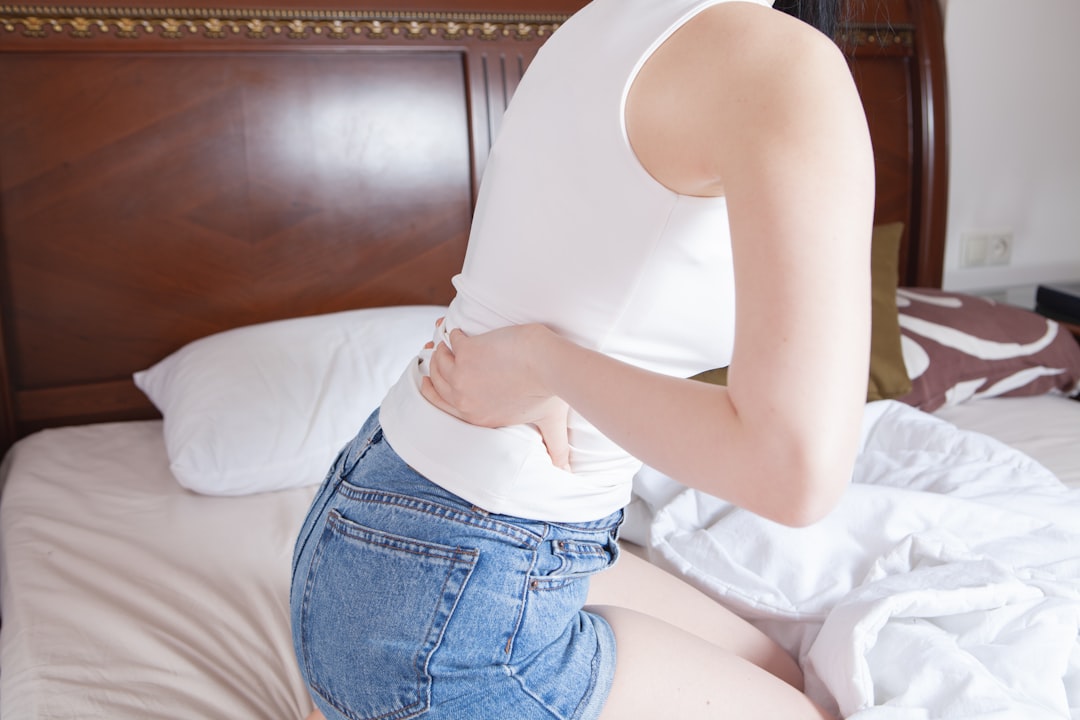
What causes lower back pain in females left side is one of the most common questions women bring to their doctor — and for good reason. Over 50% of women experience chronic back pain at some point in their lives, and the left side presents a unique challenge because so many different structures sit in that region: muscles, spinal discs, nerves, the left kidney, the left ovary, the descending colon, and more.
Here is a quick overview of the most common causes:
The reason this matters is that the cause determines the treatment. A kidney infection needs antibiotics. Endometriosis needs a specialist. A muscle strain may resolve with rest and heat. Getting the diagnosis right is everything.
What makes left-sided back pain particularly tricky for women is that pain from the uterus, ovaries, and kidneys can all refer to the lower left back — meaning the organ causing the problem is not where the pain seems to be. Up to 25% of women report lower back pain during menstruation alone, and many never connect the two.
I'm Dr. Sonny Dosanjh, M.D., board-certified in Physical Medicine & Rehabilitation and fellowship-trained in Multidisciplinary Pain Management at Emory University, and I've spent my career helping patients identify the true root cause of pain like this — including the full spectrum of conditions that cause lower back pain in females on the left side. In the sections ahead, we'll walk through every major cause, what the warning signs look like, and what actually works for relief.

To find lasting relief, we must first understand the landscape of the lower left back. When a female patient visits one of our Metro Atlanta clinics experiencing left-sided discomfort, we immediately begin a process of elimination. Is the pain somatic (coming from muscles, ligaments, or bones) or is it visceral (originating from internal organs)?
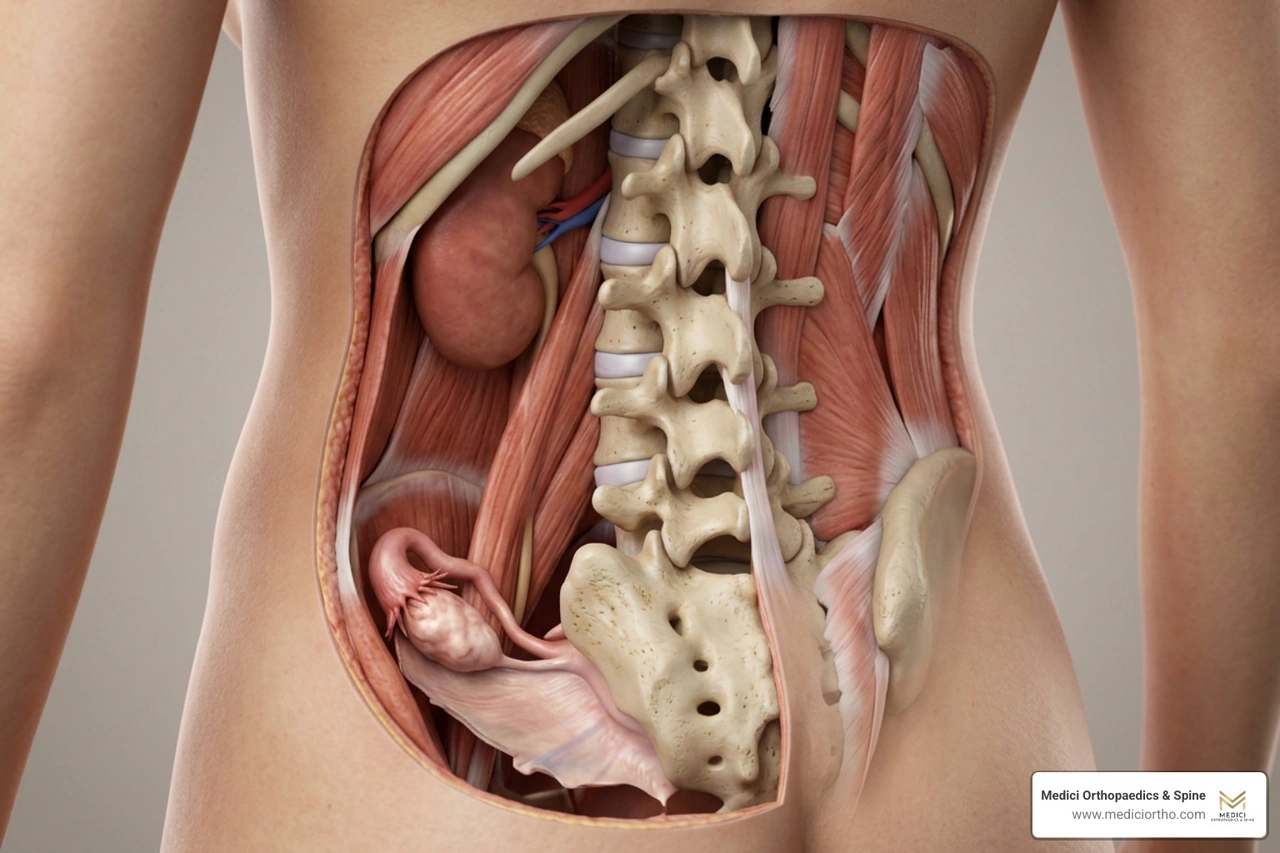
Statistically, muscle strain is the most frequent culprit, responsible for up to 70% of lower back pain cases in women. However, because female anatomy includes unique reproductive organs, we cannot look at the spine in a vacuum. A complex network of nerves shares pathways between your pelvic organs and your lower spine. This means that a problem in your left ovary or uterus can send pain signals that travel directly to your lower left back.
According to resources like the Cleveland Clinic on Lower Back Pain Causes, distinguishing between these sources requires looking at how the pain behaves. Musculoskeletal pain typically changes with movement—it might hurt more when you bend, twist, or stand up. Organ-related pain, on the other hand, often remains constant regardless of your physical posture and is frequently accompanied by other systemic symptoms like nausea, fever, or changes in your menstrual cycle.
At Medici Orthopaedics & Spine, our Back and Neck Pain Services are designed to pinpoint these exact differences, ensuring you receive a targeted treatment plan rather than a one-size-fits-all solution.
When the issue does lie within the spine or its supporting structures, several common conditions can trigger localized pain on the left side:
Understanding the difference between SI joint pain and sciatica is crucial, as they require very different therapeutic approaches:
Other spinal conditions that frequently cause left-sided pain include structural changes in the spinal discs. For instance, understanding whether you are dealing with Herniated vs. Bulging Discs can help us determine the best path forward. A herniated disc is more likely to cause sudden, intense nerve irritation, whereas a bulging disc might cause a gradual, aching pressure.
Both can lead to Lumbar Radiculopathy (Pinched Nerve), sending radiating pain down your left side. Over time, wear and tear on these discs can lead to osteoarthritis or wear, but we always remind our patients that Degenerative Disc Disease Treatment offers highly effective non-surgical options to restore your mobility and comfort.
For women, the musculoskeletal system is only half the story. The female reproductive system lies in close proximity to the pelvis and lower spine. The nerves supplying the uterus, fallopian tubes, and ovaries merge with the same spinal cord segments that receive sensory input from the lower back. This shared neural highway is why gynecological issues so frequently present as back pain.
Several specific gynecological conditions can cause or contribute to left-sided lower back pain:
For a deeper look into how these conditions manifest, the Mandaya Hospital Group on Left-Sided Back Pain in Women provides excellent insights into the diagnostic journey for reproductive-related back pain.
Even without a structural condition like endometriosis, normal hormonal fluctuations can trigger left-sided back pain. During the luteal phase of your menstrual cycle (the days leading up to your period), your body releases chemicals called prostaglandins. These compounds trigger the uterine contractions that help shed the uterine lining.
However, prostaglandins also enter the bloodstream and can cause neighboring smooth muscles—including those in your lower back—to contract and spasm. This explains why up to 25% of women experience lower back pain during their menstrual cycle.
Additionally, conditions like Premenstrual Syndrome (PMS) and the more severe Premenstrual Dysphoric Disorder (PMDD) can heighten your body's sensitivity to pain. To read more about how these hormonal and abdominal symptoms overlap, you can explore the Ubie Doctor's Note on Lower Left Pain.
Beyond the spine and reproductive tract, other abdominal and pelvic organs can refer pain directly to the lower left back.
The kidneys sit high in the back, just under the ribcage, but pain originating from them can easily migrate downward:
To learn more about how internal organs can cause back discomfort, you can read the expert Q&A from Hopkins Medicine on Lower Back Pain.
Pregnancy introduces a unique set of physical changes that frequently culminate in lower back discomfort:

During pregnancy, your body releases a hormone called relaxin. This hormone is essential because it loosens the ligaments in your pelvis to allow the baby to pass through the birth canal. However, relaxin isn't selective; it loosens ligaments throughout your entire body, including those supporting your spine and SI joints.
As your baby grows in the second and third trimesters, your center of gravity shifts forward. To stay upright, you naturally lean back, putting immense mechanical strain on your lower lumbar spine. If the baby's position rests more heavily on the left side, or if your left SI joint becomes particularly unstable, you will experience pronounced left-sided lower back pain.
Because what causes lower back pain in females left side can range from a simple muscle spasm to a medical emergency, knowing when to seek urgent care is vital.
Seek immediate emergency medical attention if your left-sided back pain is accompanied by any of these "red flag" symptoms:
To understand how doctors map these symptoms during an evaluation, you can refer to the Female Chart Back Pain: Locations, Symptoms & Red Flags - Ireland Dispatch.
When you visit us for a diagnosis, we perform a comprehensive evaluation. This includes a detailed medical history, a physical exam to test your reflexes and range of motion, and targeted diagnostic tests. Depending on your symptoms, we may recommend a urinalysis (to check for kidney infections), an ultrasound (to evaluate the ovaries and uterus), or advanced imaging like an MRI or CT scan to get a crystal-clear look at your spinal discs and nerves. For additional reading on the diagnostic process, check out What Causes Left Lower Back Pain in Females? | AZCPM.
At Medici Orthopaedics & Spine, we believe in a conservative, patient-centered approach. Less than 2% of patients with lower back pain actually require surgical intervention. We focus on delivering highly effective, minimally invasive treatments that work synergistically to restore your quality of life.
Our non-surgical toolkit includes:
To explore these options further, read our guides on the Best Non-Surgical Treatments for Back Pain and our specialized Minimally Invasive Treatment for Back Pain in Marietta. If you live near our Kennesaw clinic, you can also learn about our customized programs for Physical Therapy for Back Pain in Kennesaw.
Preventing left-sided lower back pain is all about building a resilient body and practicing mindful daily habits.
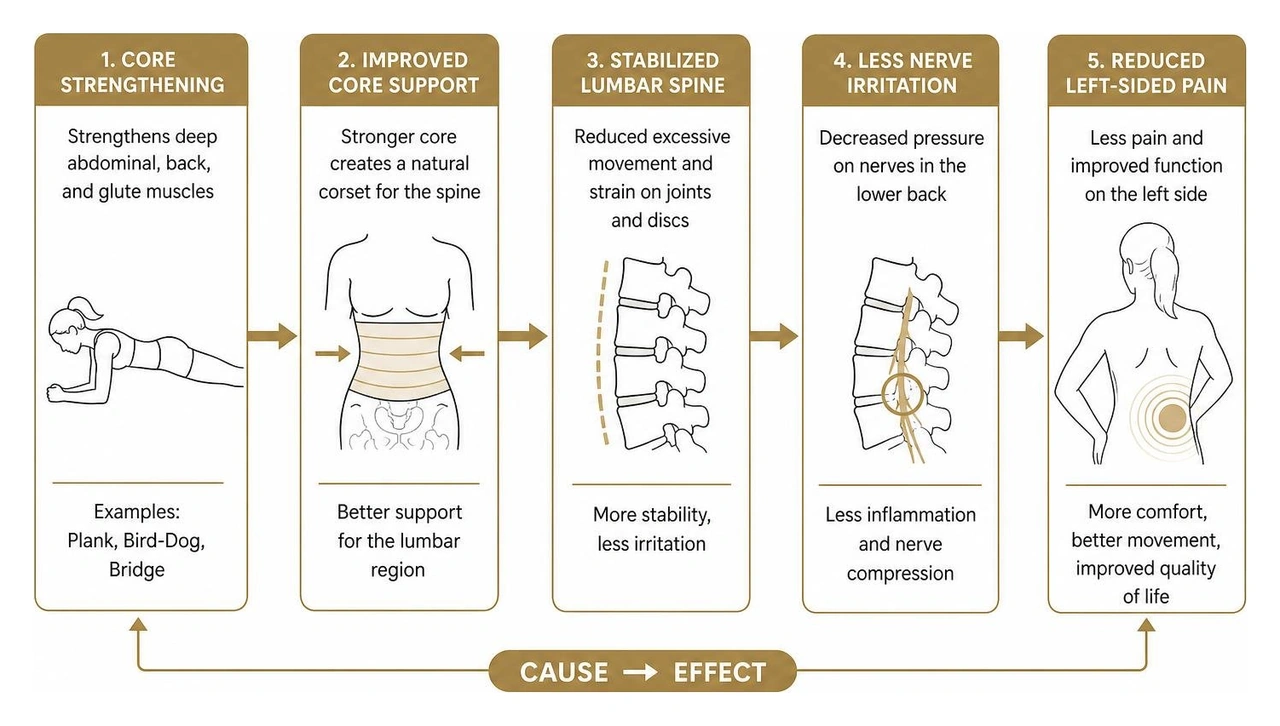
To protect your back from future injury, we recommend implementing these simple steps into your daily routine:
For step-by-step exercise guides, explore our expert resources on 5 Physical Therapy Exercises That Help, the Top 7 Exercises to Relieve Lower Back Pain, and general Exercises You Can Do for Lower Back Pain Relief.
The primary organs located on or near the lower left side of a woman's body include the left kidney, the descending colon, the left ovary, and the left fallopian tube. The tail of the pancreas and the spleen are also situated on the left side, though they sit slightly higher up under the ribcage. For a broader overview of how these organs can cause referred pain, you can check out this Guide to Causes and When to Seek Care - BritainNow.
Kidney pain is typically felt higher up in the back, just under your ribs, and feels like a deep, throbbing ache. Unlike muscle pain, it won't change when you move or stretch. A kidney infection is almost always accompanied by other systemic symptoms, including a fever, chills, nausea, vomiting, and painful, frequent, or foul-smelling urination.
Yes, it can be. In early pregnancy, hormonal changes cause your ligaments to begin softening, which can cause mild pelvic instability. Additionally, early uterine cramping or the process of embryo implantation can refer a dull, aching sensation to your lower left back, even before you begin showing.
Left-sided lower back pain in women is a complex symptom with many potential origins, from simple muscle strains to gynecological conditions and organ-related issues. Because the root cause of your pain dictates how it must be treated, getting an accurate, professional diagnosis is the most important step you can take.
At Medici Orthopaedics & Spine, led by Dr. Sonny Dosanjh, M.D., we are completely committed to restoring your quality of life. We design highly personalized, non-surgical treatment programs that combine physical therapy, advanced interventional pain management, and regenerative medicine to help you live pain-free.
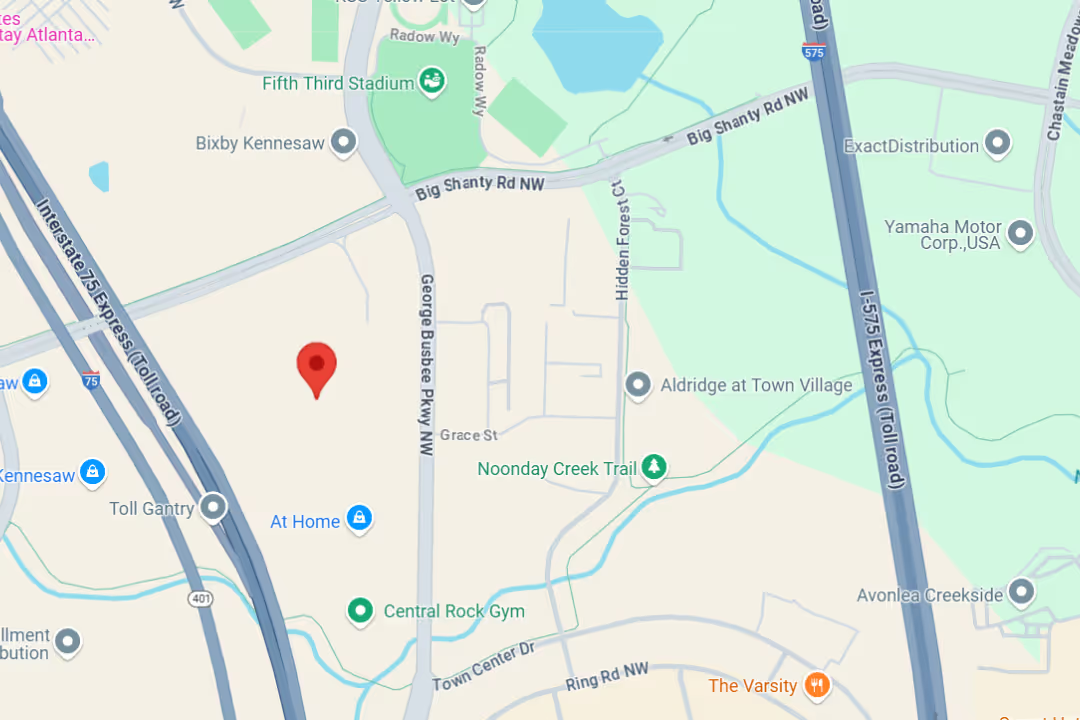
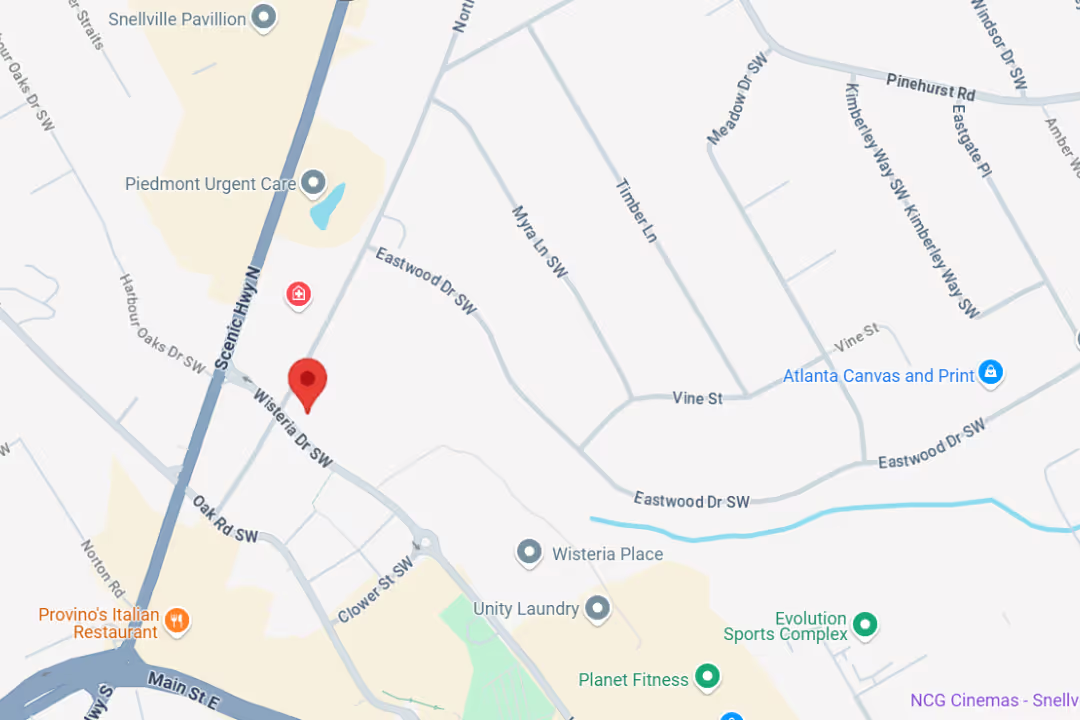
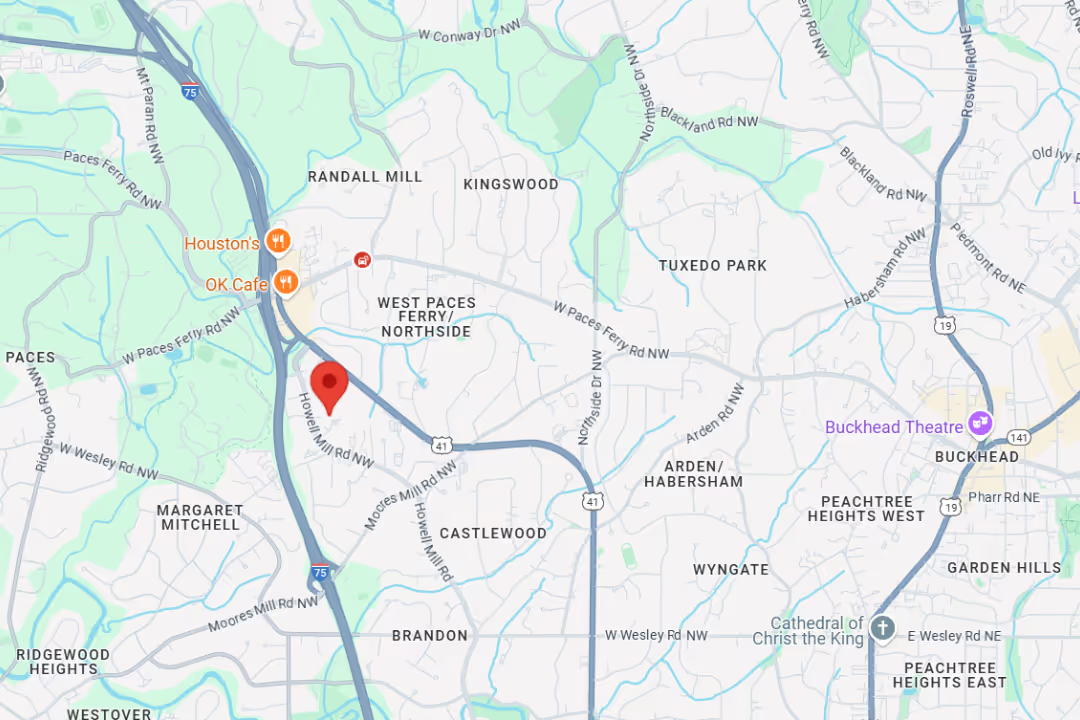
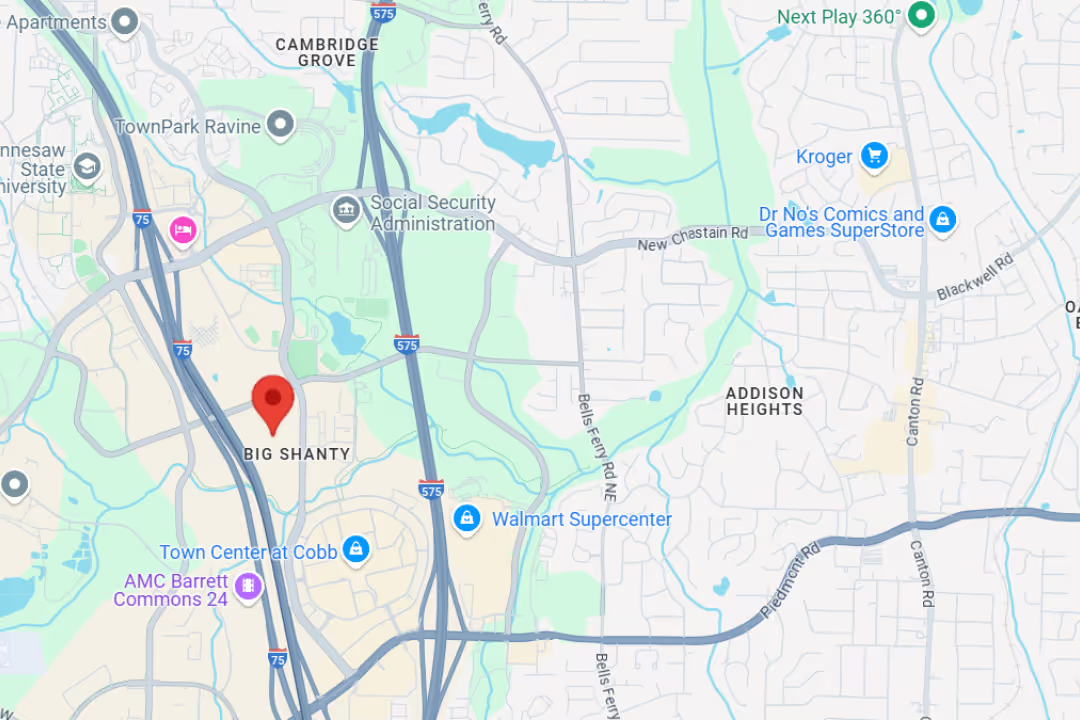
If you are ready to find lasting relief, we invite you to schedule a consultation at one of our convenient Metro Atlanta locations in Marietta, Snellville, Kennesaw, or Buckhead. Explore our dedicated Medici Orthopaedics & Spine Lower Back Pain Treatment page to take your first step toward recovery.
At Medici, you’re more than your MRI.
We take time to hear your story, understand your pain, and create a plan that actually works for you.

Our team delivers specialist care at convenient locations across Metro Atlanta:
Get expert tips on injury recovery, pain relief, joint health, and movement strategies—straight from our Fellowship-Trained team.