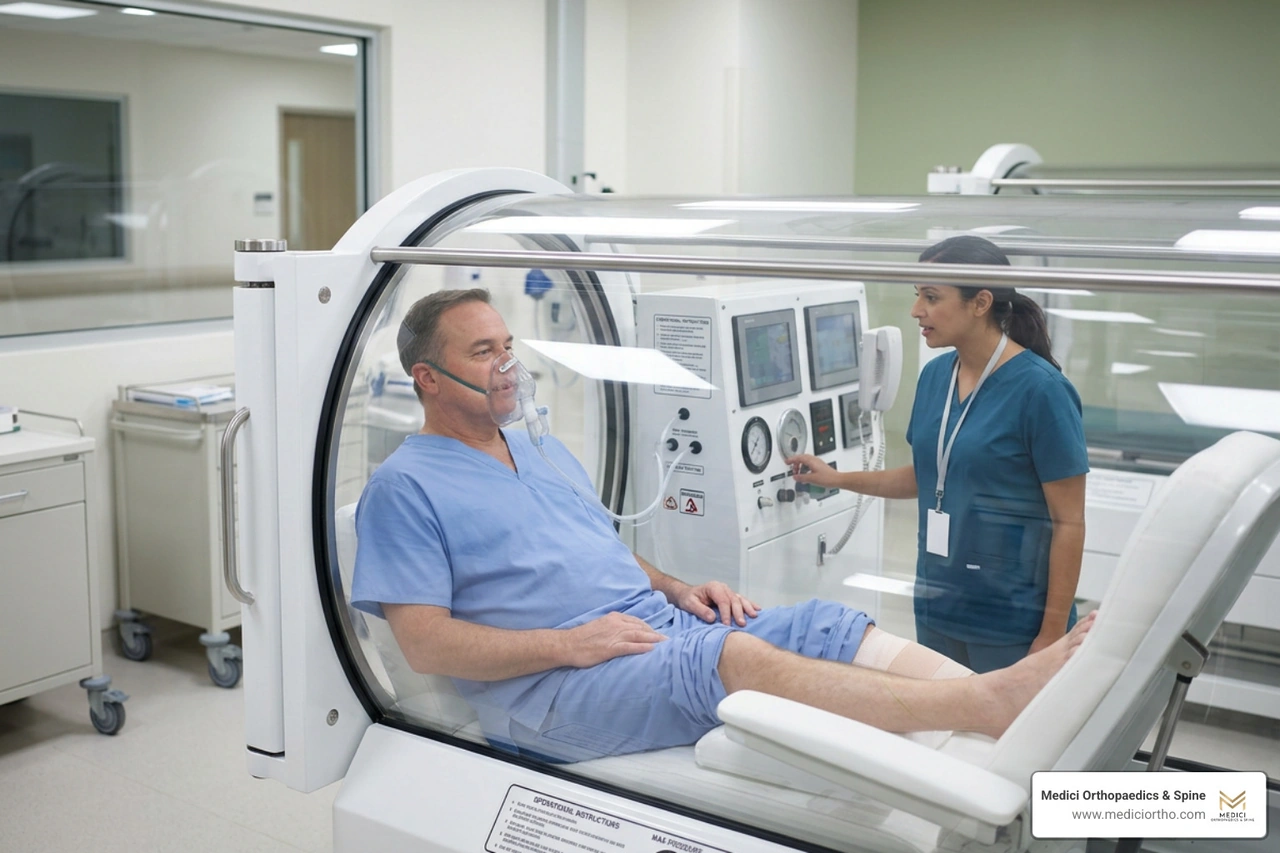
Wound hyperbaric therapy is a medical treatment where you breathe 100% pure oxygen inside a pressurized chamber to accelerate the healing of chronic, hard-to-heal wounds.
Here is a quick overview of what it involves:
| What You Want to Know | The Short Answer |
|---|---|
| What it does | Floods oxygen-starved tissue with high-concentration oxygen to trigger healing |
| Who it's for | Patients with diabetic foot ulcers, radiation injuries, crush injuries, infected wounds, or compromised skin grafts |
| How it works | Pressure raises blood plasma oxygen from 3 mL/L to nearly 60 mL/L — up to 20x normal levels |
| Session length | Typically 90 to 120 minutes per session |
| Number of sessions | Usually 30 to 40 sessions, often daily Monday through Friday |
| Is it covered? | Yes, Medicare and many insurers cover it for approved conditions |
| Biggest safety risk | Untreated pneumothorax is the only absolute contraindication |
A wound that has not improved after 30 days of standard medical care is clinically defined as chronic or non-healing. At that point, conventional dressings and antibiotics often aren't enough.
That's where hyperbaric oxygen therapy comes in.
By dramatically increasing the amount of oxygen dissolved directly into blood plasma, the therapy can deliver life-sustaining oxygen to tissue that has lost adequate circulation — tissue that would otherwise continue to deteriorate. In controlled research, breathing 100% oxygen at 3 ATM raised dissolved plasma oxygen high enough to sustain life in animals with all red blood cells removed. That gives you a sense of how powerful this mechanism is.
This guide covers everything clinically relevant: how it works at the cellular level, which wounds qualify, what a full treatment course looks like, and how it compares to other advanced wound care options.
I'm Dr. Sonny Dosanjh, M.D., board-certified in Physical Medicine & Rehabilitation and fellowship-trained in Multidisciplinary Pain Management at Emory University — and as the founder of Medici Orthopaedics & Spine, I integrate wound hyperbaric therapy into comprehensive, individualized care plans for patients managing complex injuries, diabetic complications, and chronic pain conditions. The information in this guide reflects the same evidence-based approach I use with my own patients.
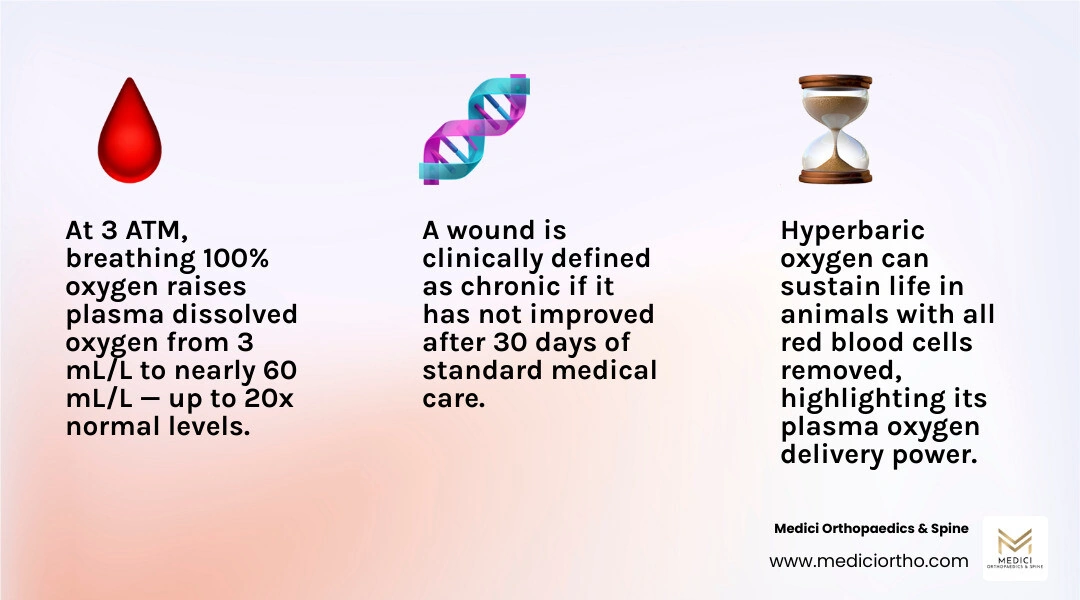
To understand why wound hyperbaric therapy works when standard wound dressings fail, we have to look at cellular biology. Under normal conditions at sea level (1 ATM of pressure), standard ambient air consists of roughly 21% oxygen. Hemoglobin molecules inside our red blood cells carry nearly all of this oxygen, while blood plasma holds a tiny fraction—about 3 mL of dissolved oxygen per liter of blood.
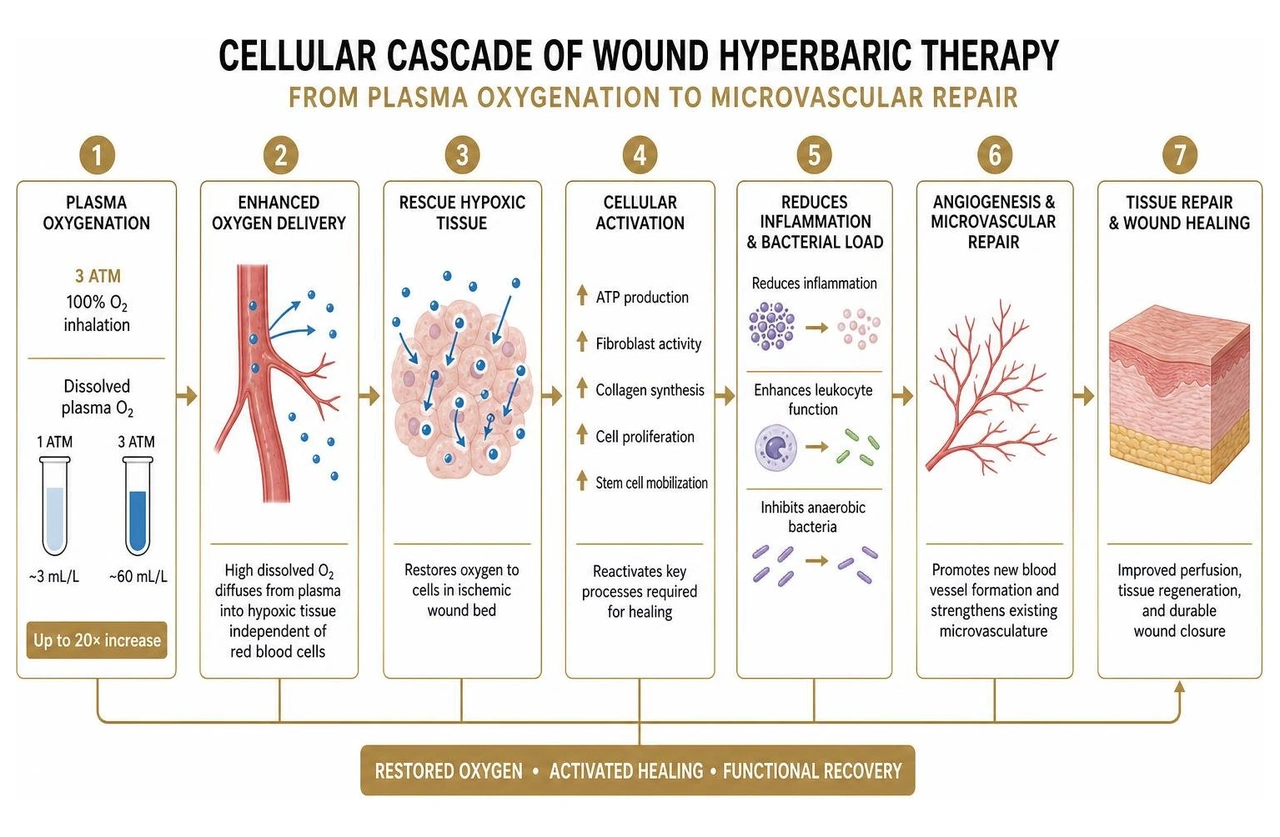
When a severe injury or circulatory condition impairs local blood vessels, red blood cells cannot traverse the damaged capillary bed to deliver oxygen. The surrounding tissue suffers from chronic tissue hypoxia, halting cellular repair.
During hyperbaric therapy, a patient breathes 100% pure oxygen within a chamber pressurized to 2.0 to 3.0 atmospheres absolute (ATA). According to Henry’s law of gas solubility, increasing atmospheric pressure forces far higher volumes of gas to dissolve into liquid. At 3 ATM, dissolved plasma oxygen concentrations surge from 3 mL/L to nearly 60 mL/L—nearly a 20-fold increase. This allows oxygen to diffuse deep into ischemic tissue independently of red blood cells.
This intense oxygen saturation triggers several vital biological pathways:
For a deeper dive into biological mechanisms, refer to this detailed clinical resource on Hyperbaric Therapy for Wound Healing and explore our guide on Advanced Wound Healing with HBOT.
Before initiating a 30-to-40 session regimen of wound hyperbaric therapy, clinicians frequently utilize transcutaneous oximetry (TCOM or TcPO2) testing to evaluate microvascular perfusion. TCOM measures the exact amount of oxygen migrating through the dermal layers of skin surrounding a non-healing wound.
During a TCOM assessment, small heated sensor electrodes are attached to skin adjacent to the wound site and a healthy control site. Baseline readings below 30 to 40 mmHg under ambient air conditions confirm significant tissue hypoxia.
The technician then administers 100% oxygen to the patient under pressure or via a high-flow mask. If the localized TcPO2 level increases significantly (typically exceeding 100 mmHg or demonstrating a positive challenge response), it confirms that the surrounding microvascular bed remains functional enough to respond to oxygen therapy. TCOM provides objective quantitative data, helping our care team select candidates who will achieve optimal clinical outcomes.
Hyperbaric medicine is strictly governed by clinical guidelines established by the Undersea and Hyperbaric Medical Society (UHMS) and regulated by the U.S. Food and Drug Administration (FDA). Formal hyperbaric oxygen therapy is defined as breathing near 100% oxygen inside a chamber pressurized to at least 1.4 ATA or higher.
The UHMS officially recognizes 14 distinct medical indications for hyperbaric exposure, establishing evidence-based standards for clinical practice. Approved indications include:
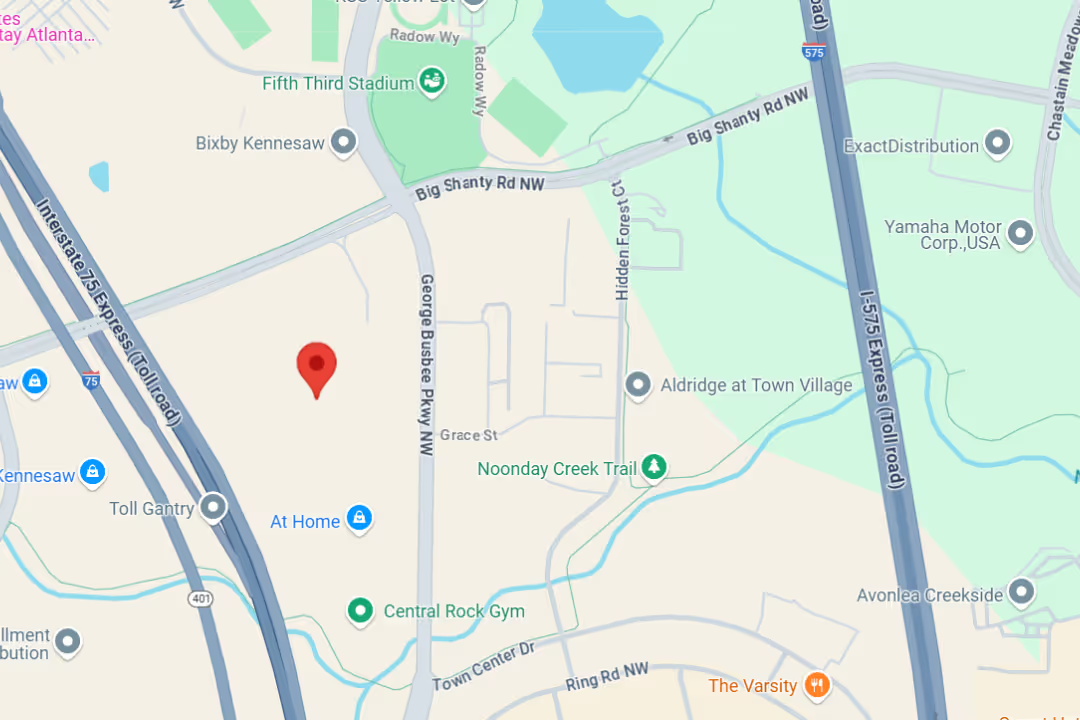
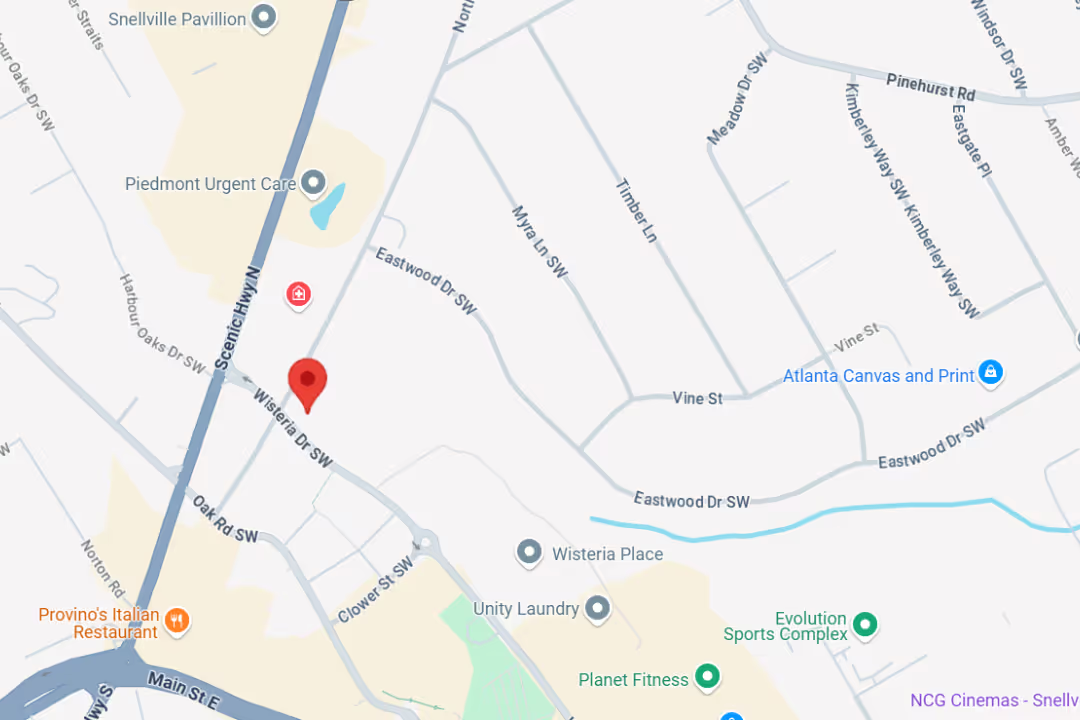
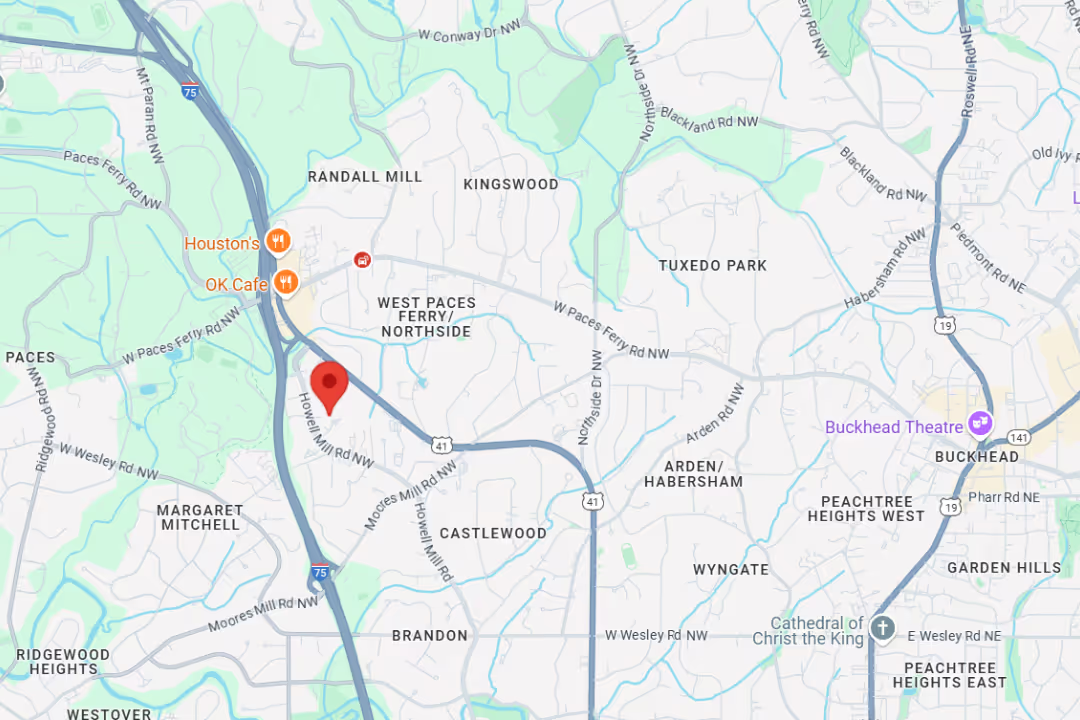
Review the official UHMS Hyperbaric Oxygen Therapy Indications Guide to learn more about regulatory standards, and visit our page on Hyperbaric Oxygen Therapy Near Me to explore service access across our Georgia clinics in Marietta, Kennesaw, Snellville, and Buckhead.
Diabetic foot ulcers represent one of the most common applications for wound hyperbaric therapy. Peripheral neuropathy, arterial microvascular disease, and impaired immune function leave individuals with diabetes uniquely susceptible to minor skin tears that rapidly deteriorate into deep, non-healing ulcers.
Clinicians grade diabetic foot wounds using the established Wagner Ulcer Classification System:
To qualify for insurance coverage and clinical intervention, a patient must present with a Wagner Grade 3 or higher ulcer and document at least 30 consecutive days of failed standard wound management (such as surgical debridement, offloading footwear, pressure relief, specialized wound dressings, and targeted antibiotics).
When integrated into care, hyperbaric oxygen combats deep anaerobic infections, sensitizes bacterial biofilms to antibiotic regimens (including quinolones like ciprofloxacin), and stimulates aggressive tissue repair. Discover details on our approach through Oxygen Therapy for Diabetic Wounds.
Cancer patients undergoing therapeutic radiation often develop late-onset tissue damage months or years following treatment. Radiation therapy causes progressive microvascular endarteritis—an inflammation that permanently narrows local blood vessels, starving surrounding healthy tissue of oxygen and leading to soft tissue radionecrosis or osteoradionecrosis (bone death, particularly in the jaw or pelvis).
Hyperbaric oxygen remains one of the few effective medical treatments capable of reversing late radiation tissue injury. By re-establishing microvascular networks through sustained angiogenesis, hyperbaric exposure restores tissue vitality and relieves pain.
Similarly, hyperbaric therapy plays an essential role in salvaging compromised skin grafts and surgical flaps. When plastic or orthopedic reconstructive surgery involves transferring tissue to a site with poor local vascularity, oxygen deprivation can cause graft necrosis. Administering immediate post-surgical hyperbaric treatments preserves marginal tissue, reduces localized swelling, and prevents graft rejection. Read detailed guidance from Hyperbaric Oxygen Therapy for Wound Healing | Johns Hopkins Medicine.
A standard clinical course of wound hyperbaric therapy requires consistency and adherence to strict protocols.
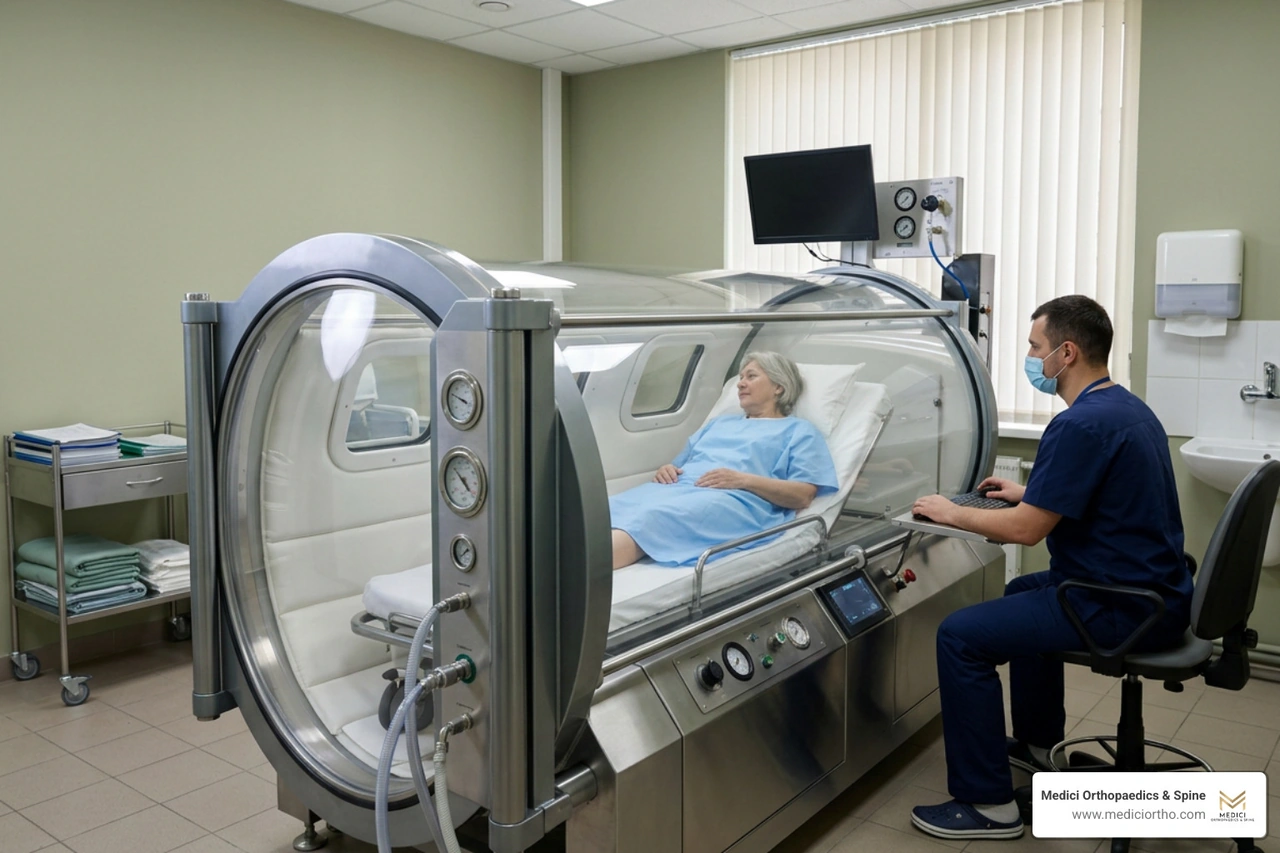
A typical treatment protocol includes:
Hyperbaric treatments are administered using two main chamber types:
Because hyperbaric chambers operate under elevated pressure with high oxygen concentrations, safety precautions are mandatory. Oxygen-enriched environments pose fire ignition hazards, so static electricity prevention is enforced. Patients must change into approved 100% pure cotton medical gowns. All electronic devices, cell phones, battery-operated equipment, metal objects, watches, petroleum-based lotions, lip balms, and cosmetics are strictly prohibited. Chamber grounding wires eliminate static discharge.
Before every dive session, certified technicians check blood pressure and perform pre-dive blood glucose testing for diabetic patients, as increased metabolic activity inside the chamber can lower blood sugar levels.
For more information on standard chamber expectations, explore Hyperbaric Oxygen Therapy Overview | Mayo Clinic and review our FAQ on What Are the Benefits of HBOT Hyperbaric Oxygen Therapy.
While wound hyperbaric therapy is non-invasive and remarkably safe, it carries specific medical contraindications and potential side effects that require physician oversight.
For clinical details regarding pharmacological gas dynamics, read Hyperbaric Physiological and Pharmacological Effects and review our guide on FAQs Medici Hyperbaric - Are There Any Potential Side Effects.
Hyperbaric oxygen therapy is not a standalone substitute for clinical wound management; rather, it serves as a powerful additive treatment within a comprehensive multimodal strategy.
At Medici Orthopaedics & Spine, we emphasize combining complementary therapies. As noted in our practice guidelines: "Patients may receive several different treatments to achieve the results they desire. We find that many of our therapies work synergistically, working better together than if used alone. Physical therapy, exercise, injections and many other modalities can be used together to help patients restore their ability to enjoy life at a higher level."
| Treatment Modality | Primary Mechanism | Best Used For | Hyperbaric Oxygen Synergistic Effect |
|---|---|---|---|
| Hyperbaric Oxygen Therapy | Plasma hyperoxygenation, stem cell release, angiogenesis | Ischemic wounds, radiation tissue necrosis, deep infections | Serves as the biological catalyst powering secondary therapies |
| Surgical Debridement | Physical removal of necrotic, infected, or senescent tissue | Preparing fresh, healthy wound beds | Ensures newly exposed tissue receives high-concentration oxygen for rapid granulation |
| Bioengineered Skin Substitutes | Cellular matrices supplying collagen scaffolding | Non-healing neuropathic and venous ulcers | Hyperbaric oxygen increases graft survival rates by supplying oxygen to ischemic tissue beds |
| Targeted Antibiotics | Chemical neutralization of pathogenic bacteria | Active soft tissue infections and osteomyelitis | High tissue oxygen levels restore white blood cell killing ability and disrupt bacterial biofilms |
| Interventional Pain & Spine Management | Nerve blocks, joint injections, minimally invasive pain relief | Severe neuropathic pain, peripheral neuropathy | Relieves local discomfort, allowing patients to stay active and comply with daily wound care protocols |
Combining wound hyperbaric therapy with targeted interventional pain management, regenerative medicine, and structured physical rehabilitation accelerates functional recovery. Read more on how we coordinate care in our article How Hyperbaric Therapy Helps Heal Wounds Faster in Marietta.
A complete course of hyperbaric therapy typically spans 6 to 8 weeks. Treatments are scheduled Monday through Friday for 90 to 120 minutes per session. While minor graft complications may require 15 to 20 sessions, complex diabetic foot ulcers, chronic osteomyelitis, or soft tissue radionecrosis usually require 33 to 40 treatments to achieve sustained microvascular repair.
Insurance providers, including Medicare, require specific clinical documentation before approving coverage for diabetic ulcers:
The most common side effect is ear pressure fullness similar to flying in an airplane, which occurs as atmospheric pressure increases inside the chamber. Other temporary side effects include mild fatigue following a session and transient nearsightedness (myopia) during multi-week treatment protocols. Serious complications like oxygen toxicity seizures or lung barotrauma are exceptionally rare when treatments are supervised by certified hyperbaric personnel.
Chronic non-healing wounds pose serious health risks, but modern wound hyperbaric therapy offers an effective, non-invasive treatment option. By increasing blood plasma oxygen saturation up to 20 times normal levels, hyperbaric oxygen restores tissue repair mechanisms, accelerates blood vessel growth, fights bacterial infection, and protects compromised tissue from permanent damage.
At Medici Orthopaedics & Spine, Dr. Sonny Dosanjh, M.D., and our clinical team deliver integrated, patient-centered care designed to help you avoid invasive surgeries and restore your quality of life. Whether you are recovering from a complex surgical procedure, managing a diabetic foot ulcer, or seeking relief from chronic pain across our Atlanta, Marietta, Kennesaw, Snellville, or Buckhead locations, we coordinate care tailored to your specific recovery goals.
Take the next step in your healing journey by scheduling a consultation. Learn more about our specialized protocols on our Hyperbaric Oxygen Therapy page, or contact our central patient coordination team today.
At Medici, you’re more than your MRI.
We take time to hear your story, understand your pain, and create a plan that actually works for you.

Our team delivers specialist care at convenient locations across Metro Atlanta:
Get expert tips on injury recovery, pain relief, joint health, and movement strategies—straight from our Fellowship-Trained team.