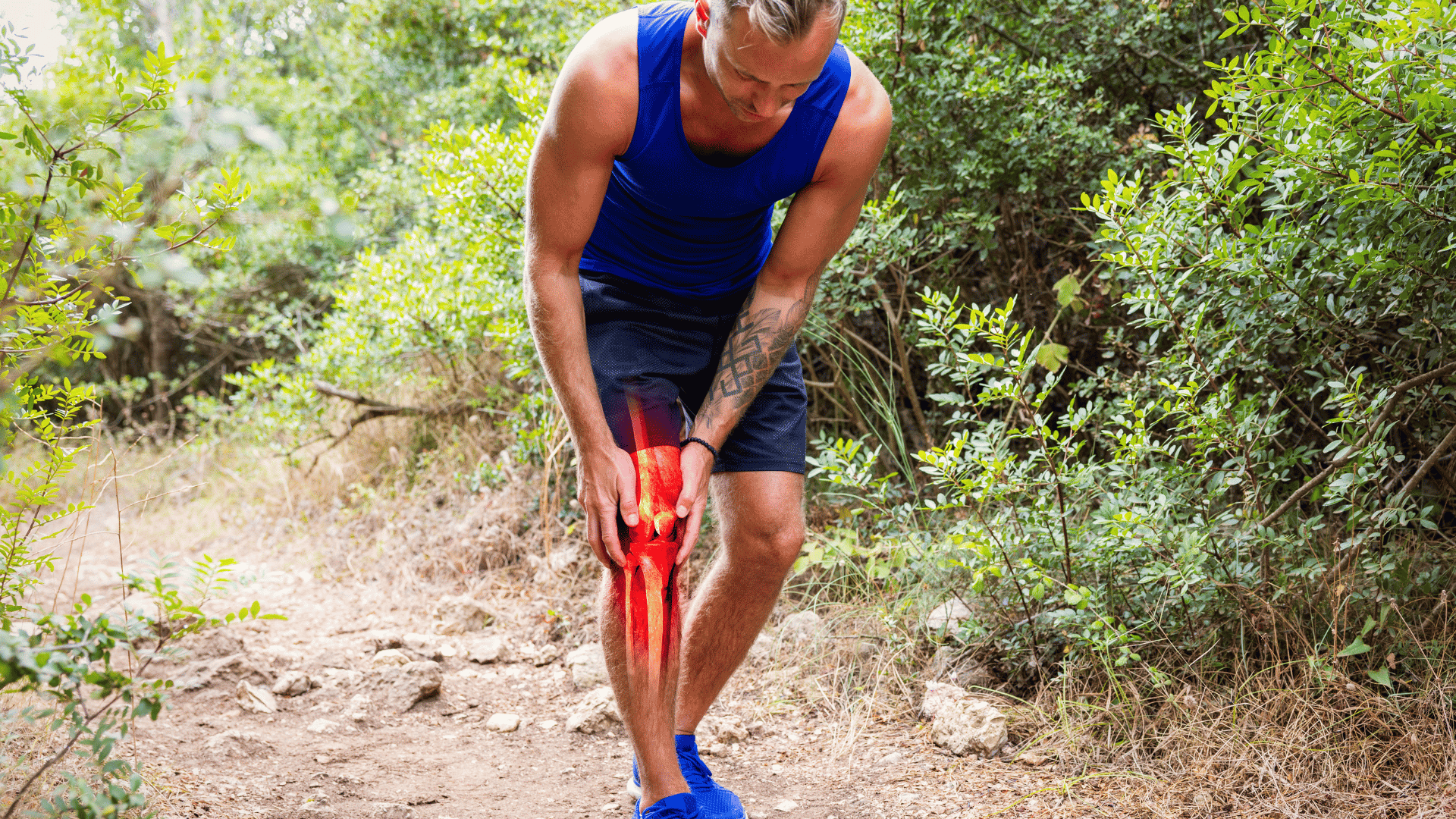
Youth sports are one of the best things going. Watching your kid sprint down a soccer field, sink a three-pointer, or cross a finish line is the kind of thing that makes the early morning practices and long drives completely worth it. But with all that movement, repetition, and competition comes real physical demand — and young bodies, as tough as they seem, are still developing.
Knee pain is one of the most common complaints among young athletes, and it shows up across every sport, every season, and every age group. As a parent, it can be hard to know when to push through and when to pump the brakes. Kids are resilient. They also want to play. That combination sometimes means they minimize symptoms or push past pain they shouldn't.
The truth is, knee pain in a growing athlete is not always just soreness. Adolescent knees are structurally different from adult knees, and what might be a minor nuisance for a fully developed adult can be a more significant issue in a child whose bones and joints are still maturing. Knowing what to watch for, and when to act on it, can make a meaningful difference in your child's health now and years down the road.
This is one of the most common causes of knee pain in active adolescents, especially those between 10 and 15 years old. It involves inflammation at the tibial tubercle, the bony bump just below the kneecap where the patellar tendon attaches. It is especially common in sports that involve a lot of running, jumping, and squatting. The area is often tender to the touch and may appear swollen or visibly prominent.
This condition involves pain around or behind the kneecap, typically aggravated by running, squatting, climbing stairs, or sitting for long periods. It often develops from muscle imbalances, poor biomechanics, or a sudden increase in training volume. It is particularly common in distance runners and female athletes.
While these are often associated with adult athletes, ACL tears and meniscus injuries do occur in young athletes, particularly in sports involving cutting, pivoting, and contact. Female athletes are statistically at higher risk for ACL injuries due to differences in anatomy and biomechanics. These injuries require prompt evaluation and a thoughtful treatment plan.
Repetitive jumping places significant stress on the patellar tendon, the structure connecting the kneecap to the shinbone. Over time, this can lead to tendinitis, characterized by pain at the front of the knee just below the kneecap. It is common in basketball, volleyball, and track athletes.
Stress fractures around the knee can develop when bone is subjected to repetitive loading without sufficient recovery. They are more common in distance runners and athletes who have recently increased their training intensity. Stress fractures in young athletes may be subtle at first but can worsen significantly if not addressed.
Kids will often minimize pain to stay in the game. That is part of what makes them great competitors, and also part of what makes parental awareness so important. These are the signs that should prompt a conversation with a medical professional.
Delayed onset muscle soreness, the familiar ache that sets in a day or two after a hard workout, is a normal physiological response to exercise. It is diffuse, it improves with light movement, and it does not affect the mechanics of how a child moves. Structural pain is different. It tends to be more localized, more persistent, and often affects how the athlete moves, how they land, or whether they feel stable on the joint.
If your child is changing how they run or jump because of pain, compensating in their movement, or wincing at specific ranges of motion, that is a different category of symptom than general post-practice soreness.
Growth plate injuries that go unrecognized and untreated can have long-term consequences, including uneven bone growth, joint deformity, and chronic pain. Because growth plates are structurally weaker than the surrounding ligament and tendon tissue during adolescence, they are actually more likely to be the site of injury in a young athlete than the connective tissue around them.
A thorough evaluation will begin with a detailed history. The provider will want to understand when the pain started, what activities aggravate it, whether there was a specific mechanism of injury, and how the pain has changed over time. Your child's growth history and any recent growth spurts may also be relevant.
The physical exam will assess range of motion, stability, tenderness patterns, swelling, and alignment. The provider will observe how your child walks, stands, and performs certain movements to assess biomechanics and identify any compensations.
Depending on the clinical picture, imaging such as X-rays or MRI may be ordered. X-rays are useful for evaluating bone structure and identifying growth plate concerns. MRI provides a more detailed view of soft tissue structures including cartilage, ligaments, and tendons. Not every evaluation requires imaging, and a good provider will order only what is clinically indicated.
For many acute and overuse injuries, the foundation of early treatment includes:
Physical therapy is often one of the most effective interventions for knee pain in young athletes. A targeted program addresses the root causes of pain, whether that is a muscle imbalance, a movement pattern problem, or weakness in the hip and core that is affecting knee mechanics. Many young athletes return to full activity with physical therapy alone.
In some cases, foot mechanics or alignment issues contribute to knee pain. Custom orthotics or specific bracing may be recommended to correct these factors and reduce stress on the joint during activity.
When conservative measures are not sufficient, minimally invasive interventions may be considered. These can include targeted injections to address inflammation, regenerative medicine approaches such as PRP (platelet-rich plasma) therapy to support tissue healing, or other procedures that address the injury without the recovery demands of surgery.
Surgical intervention is appropriate in specific circumstances, such as complete ligament tears, certain growth plate fractures, or conditions that have not responded to a thorough course of conservative care. When surgery is the right call, Medici's surgical team approaches it with the same minimally invasive philosophy, using techniques designed to achieve the best outcome with the least disruption to surrounding tissue and the shortest recovery timeline possible.
At Medici Orthopaedics & Spine, the approach to knee injury in young athletes starts with the same philosophy that guides every aspect of care: find the most effective, least invasive path forward. That means a thorough evaluation before any conclusions are drawn, a treatment plan built around your child's specific situation, and a team that understands the physical and emotional stakes of being a young athlete navigating an injury.
Growing bodies are not small adult bodies. They have different vulnerabilities, different healing timelines, and different long-term implications when injuries are missed or mismanaged. The providers at Medici bring that understanding to every pediatric and adolescent case, combining orthopedic expertise with a conservative, patient-centered approach that keeps the whole picture in view.
If your child has been dealing with knee pain, stiffness, swelling, or any of the warning signs covered here, now is a good time to schedule an evaluation with the team at Medici Orthopaedics & Spine. Whether the issue turns out to be minor or something that needs more attention, knowing where things stand gives you and your child the ability to move forward with confidence.
At Medici, you’re more than your MRI.
We take time to hear your story, understand your pain, and create a plan that actually works for you.

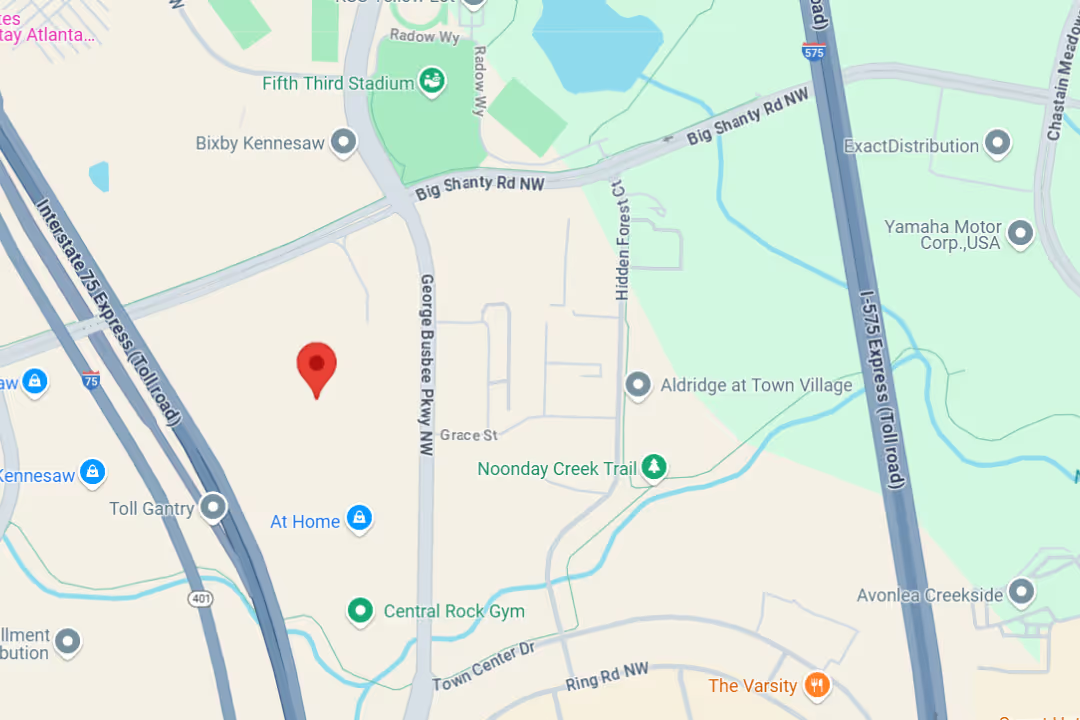
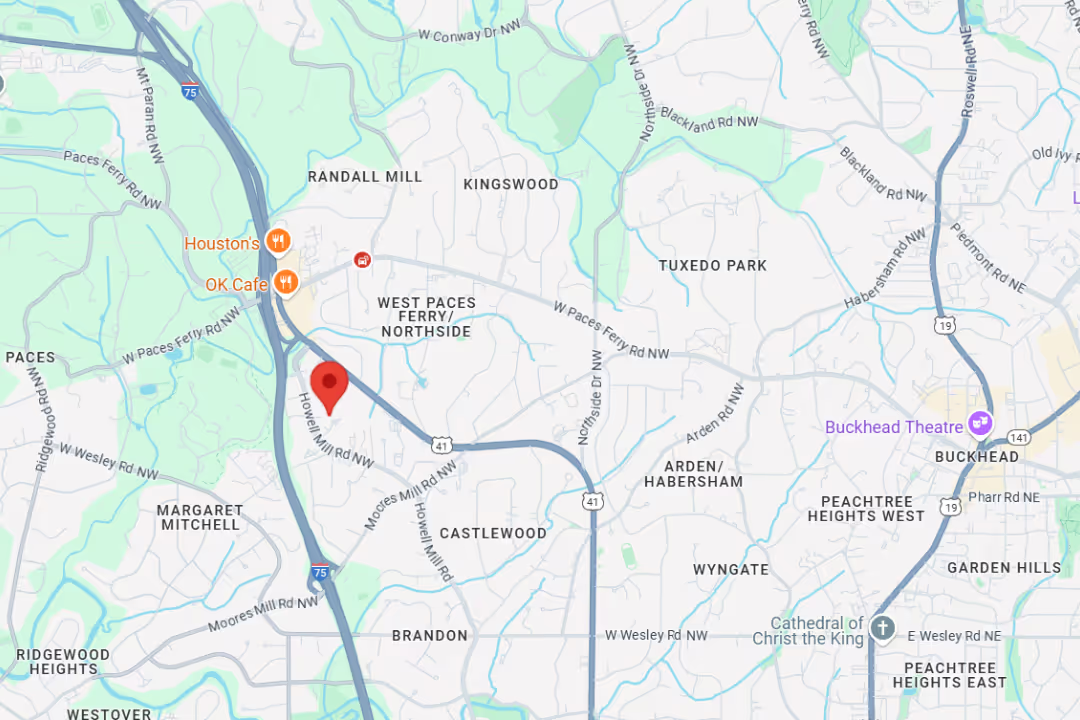
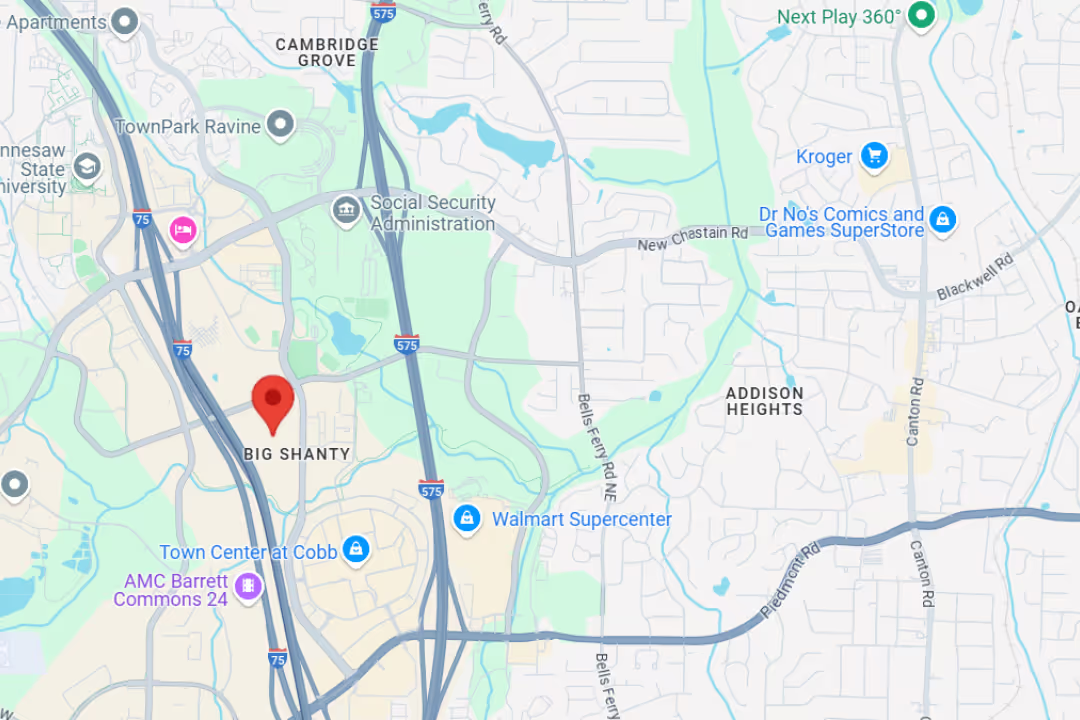
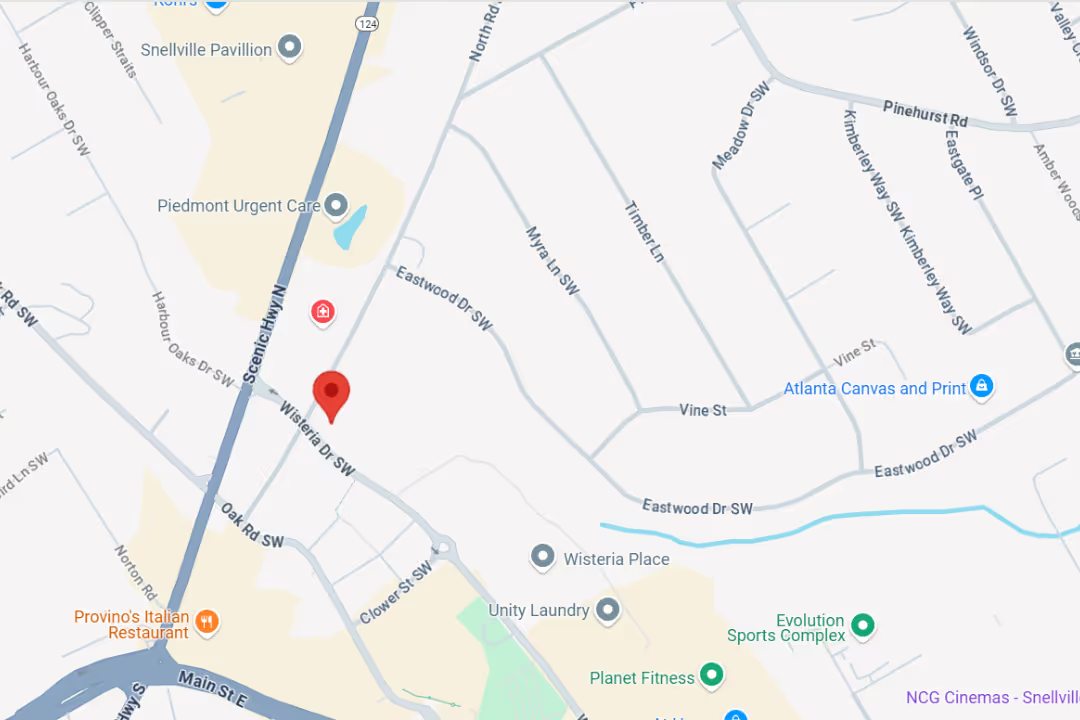
Our team delivers specialist care at convenient locations across Metro Atlanta:
Get expert tips on injury recovery, pain relief, joint health, and movement strategies—straight from our Fellowship-Trained team.