It usually starts small. A twinge when you bend to tie your shoe. A dull ache after sitting through a long meeting. A stiffness that greets you the moment you swing your legs out of bed in the morning. Lower back pain has a way of showing up quietly and then settling in, and it is one of the most common reasons people search for answers about their own bodies.
The good news is that most lower back pain responds well to simple, consistent care you can do at home. You do not need special equipment or a complicated routine to start feeling better. What you need is an understanding of what actually helps, what tends to make things worse, and when it is time to bring in a professional. That is what we want to walk through here, with real, practical guidance grounded in how the spine actually works.
Both ice and heat have a place in back pain recovery, but timing matters. Ice works best in the first day or two after a flare-up, when inflammation is at its highest. Applying ice for 15 to 20 minutes at a time can help calm swelling and numb sharp pain.
Heat becomes more useful once the initial inflammation has settled, usually after the first couple of days. Heat relaxes tight muscles and improves blood flow to the area, which can ease stiffness and support healing. Many people find a warm shower or heating pad especially helpful before stretching.
It is tempting to lie down and wait for back pain to pass, but research consistently shows that prolonged bed rest often prolongs recovery instead of speeding it up. Gentle movement keeps blood flowing to the muscles and prevents stiffness from setting in.
A short, slow walk around the house or yard can do more for your back than an entire day spent in bed. The goal is not to push through sharp pain, but to avoid the trap of complete inactivity. Movement, even in small amounts, tells your body it is safe to keep functioning.
Over-the-counter anti-inflammatory medications can offer short-term relief for many people dealing with muscle-related back pain. These should always be used according to label instructions and for the shortest time necessary. If you find yourself relying on them regularly just to get through the day, that is a signal worth discussing with a provider rather than managing on your own indefinitely.
A few stretches tend to be well tolerated even during an active flare-up:
Once the acute pain has settled, building core strength becomes one of the most valuable long-term investments you can make in your back health. A strong core acts like a natural support belt for the spine, reducing the load placed on the lower back muscles during everyday movement.
Simple exercises like bird dogs, modified planks, and bridges are a good starting point for most people. Consistency matters more than intensity here. A few minutes several times a week will do more for your back over time than an occasional intense workout.
Many people unintentionally slow their own recovery through well-meaning but poorly executed stretching habits. Common mistakes include:
Many people don't realize how much their workspace setup contributes to their back pain. A monitor positioned too low forces the neck and upper back forward, which changes alignment all the way down the spine. Sitting for long stretches without lumbar support allows the lower back to round, placing extra strain on the discs and muscles.
Small adjustments help: raising your screen to eye level, using a chair with lumbar support, and standing up briefly every 30 to 45 minutes.
Sleep position plays a bigger role in back health than most people expect. Side sleeping with a pillow between the knees helps keep the spine aligned and reduces rotational strain overnight. Stomach sleeping tends to be the least supportive position for the lower back, since it forces an arch in the spine for hours at a time.
Mattress firmness matters too, though the ideal choice varies by person. A mattress that is too soft allows the hips to sink and misaligns the spine, while one that is too firm can create pressure points.
Improper lifting is one of the most preventable causes of back injury. The safest approach is to bend at the knees rather than the waist, keeping the object close to the body while lifting with the legs. Twisting while holding a heavy object places significant strain on the lower back and should be avoided whenever possible.
If you only remember a few things from this article, focus on these:
Certain symptoms suggest the pain may involve more than muscle strain. These include:
Pain that persists beyond two to four weeks despite consistent home care often benefits from professional input. This does not necessarily mean something is seriously wrong. It usually means the underlying cause needs a closer look than home remedies alone can provide.
How long should lower back pain last before seeing a doctor?
Most mechanical back pain improves noticeably within two to four weeks of consistent home care. Pain lasting longer than that is worth having evaluated.
Is it normal for lower back pain to come and go?
Yes, many people experience pain that improves and then flares again, especially with changes in activity or posture. Recurring pain is still worth mentioning to a provider, particularly if it is becoming more frequent.
Can lower back pain be a sign of something serious?
In most cases, no. However, symptoms like leg numbness, weakness, or loss of bladder control can indicate a more serious issue and should be evaluated promptly.
Should I stop exercising completely if my back hurts?
Not usually. Gentle movement typically supports recovery better than complete rest, though high-impact or heavy lifting activities may need to be modified temporarily.
Back pain has a way of shrinking your world, making you hesitant to bend, lift, or even sit comfortably through a meal. But for most people, that shrinking is temporary. Small, consistent changes to how you move, sit, sleep, and stretch can restore a level of comfort that once felt out of reach.
Some pain does need more than home remedies, and recognizing that is not a setback. It is simply the next step toward getting your life back on track. Whether your pain resolves with a few weeks of better habits or requires the guidance of a specialist, the goal remains the same: getting back to the activities and routines that matter to you.
If your lower back pain has lasted more than a couple of weeks, keeps returning, or comes with numbness, tingling, or weakness, it is time to have it looked at by a professional. Our team takes a conservative-first approach, focused on finding the most effective, least invasive path to relief for your specific situation.
Medici Orthopaedics & Spine
Locations:
Explore our library of patient support guides covering the conditions we treat, the treatments we offer, and the questions we hear most. Each one is written to help you understand your options and feel confident about your next step. Browse the topics below to learn more, or reach out to our team anytime.

At Medici, you’re more than your MRI.
We take time to hear your story, understand your pain, and create a plan that actually works for you.

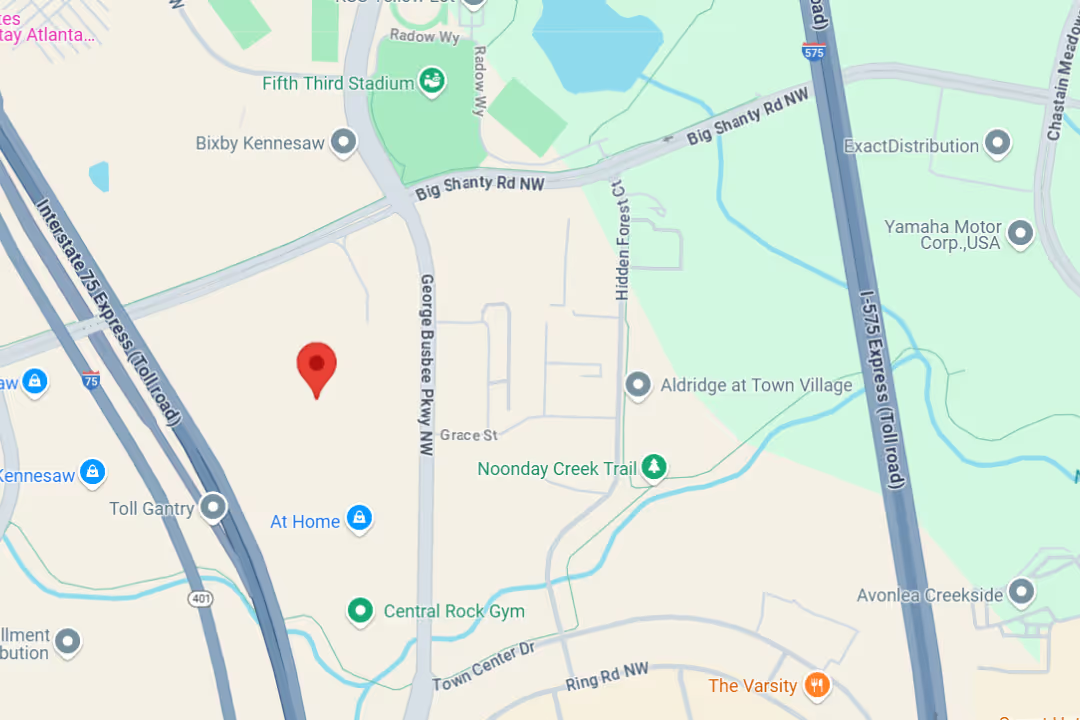
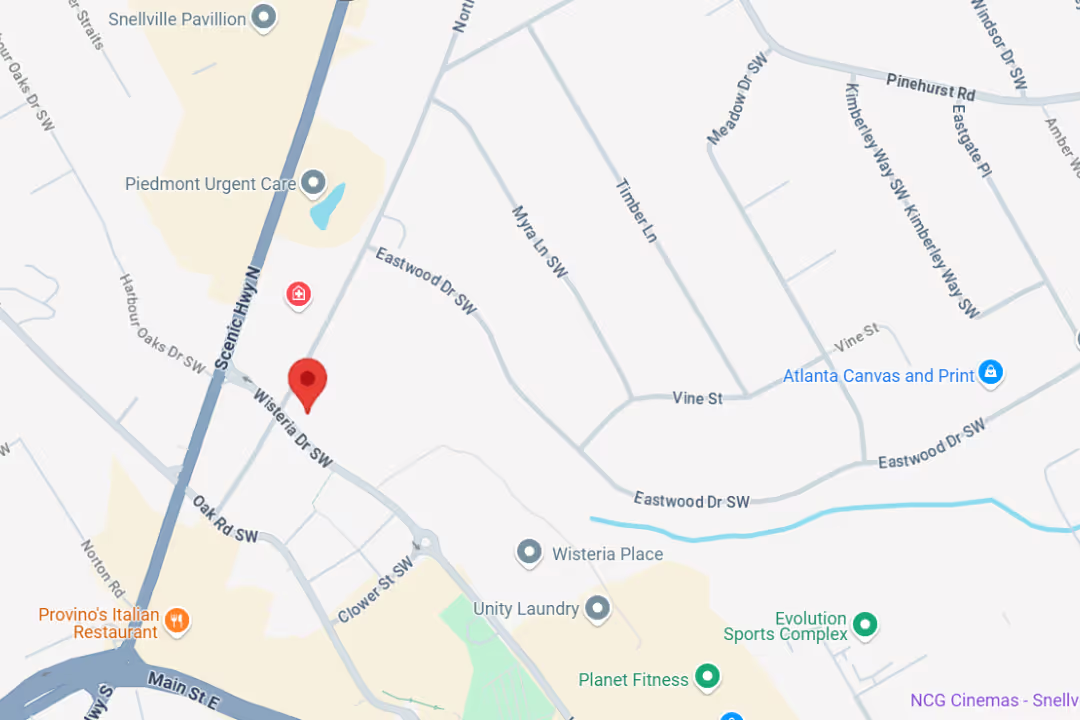
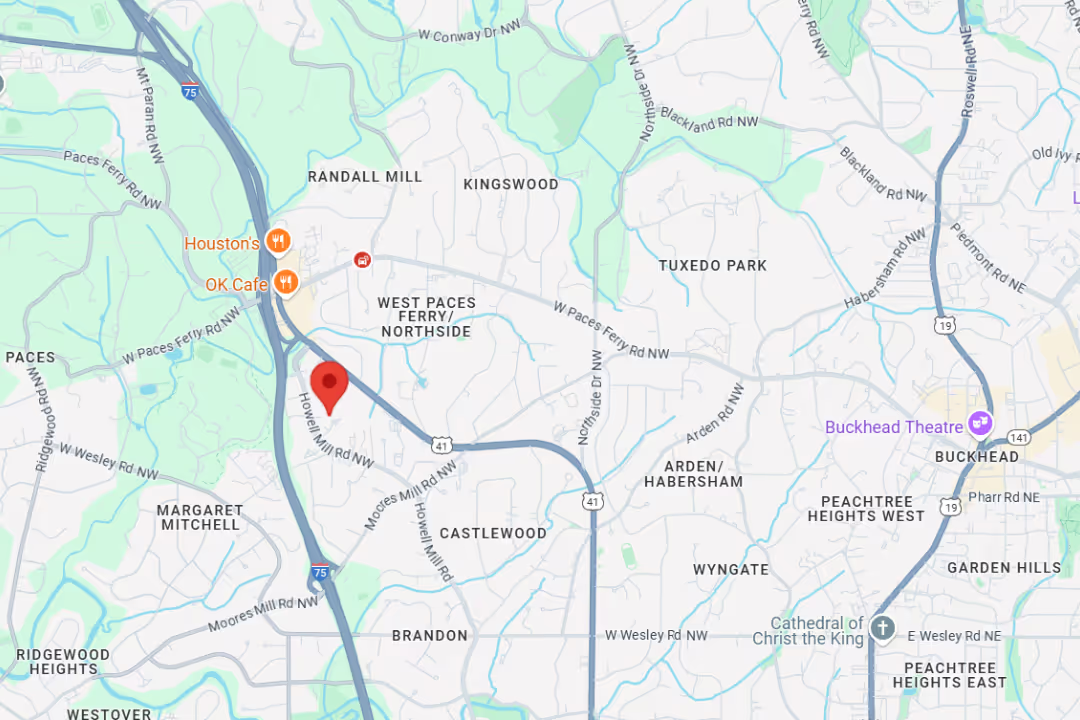
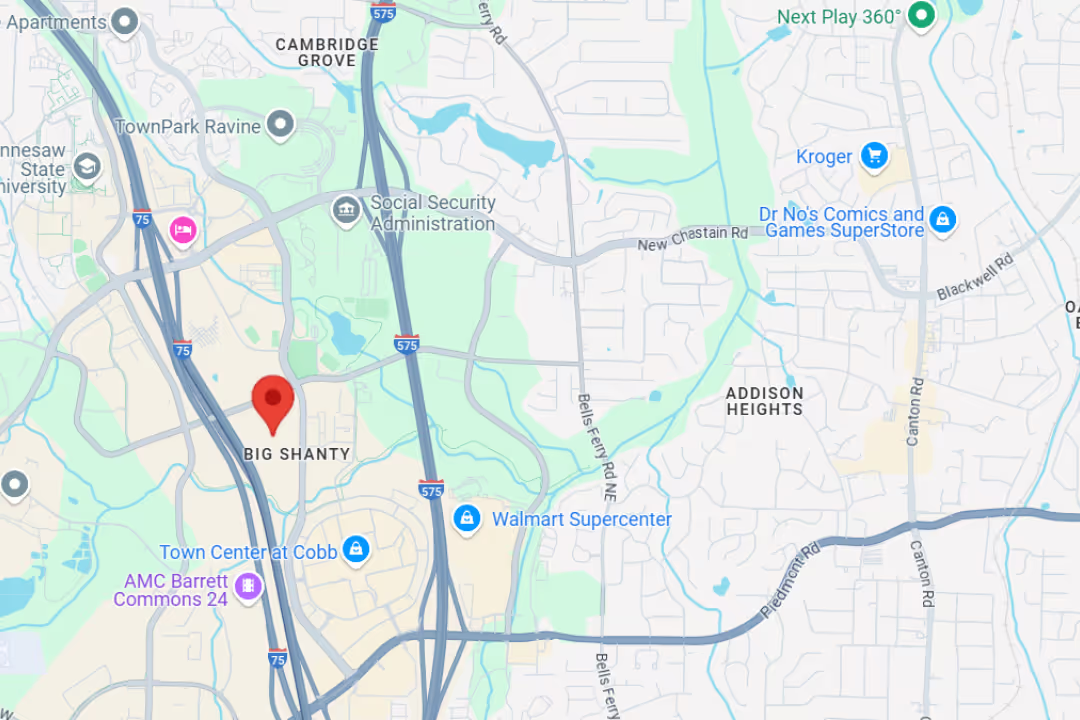
Our team delivers specialist care at convenient locations across Metro Atlanta:
Get expert tips on injury recovery, pain relief, joint health, and movement strategies—straight from our Fellowship-Trained team.