It’s incredibly frustrating to go through back or spine surgery expecting relief—only to find that the pain is still there, or even worse than before. Many patients feel confused, discouraged, and unsure of what went wrong or what to do next.
This condition is commonly referred to as Failed Back Surgery Syndrome (FBSS). Despite the name, it doesn’t necessarily mean the surgery itself was a mistake. Instead, it describes ongoing or recurring pain after a spine procedure.
The reality is, you’re not alone. Persistent pain after back surgery is more common than most people realize. The good news? There are answers—and more importantly, there are solutions.
Failed Back Surgery Syndrome (FBSS) is a term used to describe chronic pain that continues or develops after spinal surgery. This pain may affect the lower back, neck, or radiate into the arms or legs, depending on the original condition and procedure performed.
The word “failed” can sound alarming, but it doesn’t always reflect what actually happened. In many cases:
Patients with FBSS often experience a combination of symptoms, including:
After surgery, some discomfort is expected during the healing process. However, FBSS is different:
If the original source of pain wasn’t accurately identified:
After surgery, the body naturally forms scar tissue. In some cases:
Even after a successful procedure:
Nerves are delicate structures. During or after surgery:
When one part of the spine is altered (especially with fusion):
In procedures involving screws, rods, or plates:
Pain is not purely physical—it also involves the nervous system and brain. Contributing factors may include:
For many patients, the biggest question is also the most important: Is there still hope? The answer is yes.
The term can feel discouraging, but it’s important to understand:
Additional surgery is not always the answer—and in many cases, it can make things worse:
That’s why a conservative, minimally invasive approach is often the preferred first step.
The goal of treatment is not just pain reduction—it’s helping you get your life back:
Even if complete pain elimination isn’t possible, significant improvement is.
No two cases of FBSS are the same. Effective care typically involves a combination of therapies:
At Medici Orthopaedics & Spine, we believe the best outcomes come from treating the whole patient—not just the spine—using a coordinated, personalized plan designed to restore your quality of life.
A structured physical therapy program is often the foundation of recovery:
Over time, this leads to better mobility, reduced strain on the spine, and improved daily function.
Beyond basic therapy, targeted rehabilitation works to:
This is especially important for patients who have limited activity due to long-term pain.
While medications can play a role, the focus is on safe, sustainable options:
At Medici Orthopaedics & Spine, we prioritize:
Soft tissue restrictions often contribute to ongoing pain:
This approach can be especially helpful when pain is not purely structural.
Small, consistent changes can have a major impact on long-term outcomes:
These changes support healing and help prevent future flare-ups.
Spinal cord stimulation works by:
SCS may be recommended for patients who:
Emerging therapies like platelet-rich plasma (PRP) aim to:
These treatments are especially appealing for patients seeking alternatives to surgery.
For certain conditions, minimally invasive techniques can:
These procedures bridge the gap between conservative care and major surgical intervention—offering effective relief with less risk.
Living with persistent pain after back surgery can feel discouraging—but it’s important to understand that this is not the end of the road. Failed Back Surgery Syndrome does not mean you’re out of options. In fact, many patients go on to find meaningful, lasting relief with the right approach.
Today’s advancements in spine care offer modern, minimally invasive treatments that can target pain more precisely than ever before—often without the need for additional surgery. The key lies in identifying the true source of your pain, not just treating symptoms or repeating past procedures.
If you or a loved one are struggling with ongoing pain after back surgery, you don’t have to navigate it alone. At Medici Orthopaedics & Spine, our team focuses on uncovering the true source of your pain and creating a personalized, minimally invasive treatment plan designed to restore your quality of life.
📞 Call us today: +1-844-328-4624
🌐 Visit us online: https://www.mediciortho.com/
Locations:
Marietta Ambulatory Surgery Center
792 Church Street, Unit 101, Marietta, GA 30060 | (470) 795-8398
Snellville Ambulatory Surgery Center
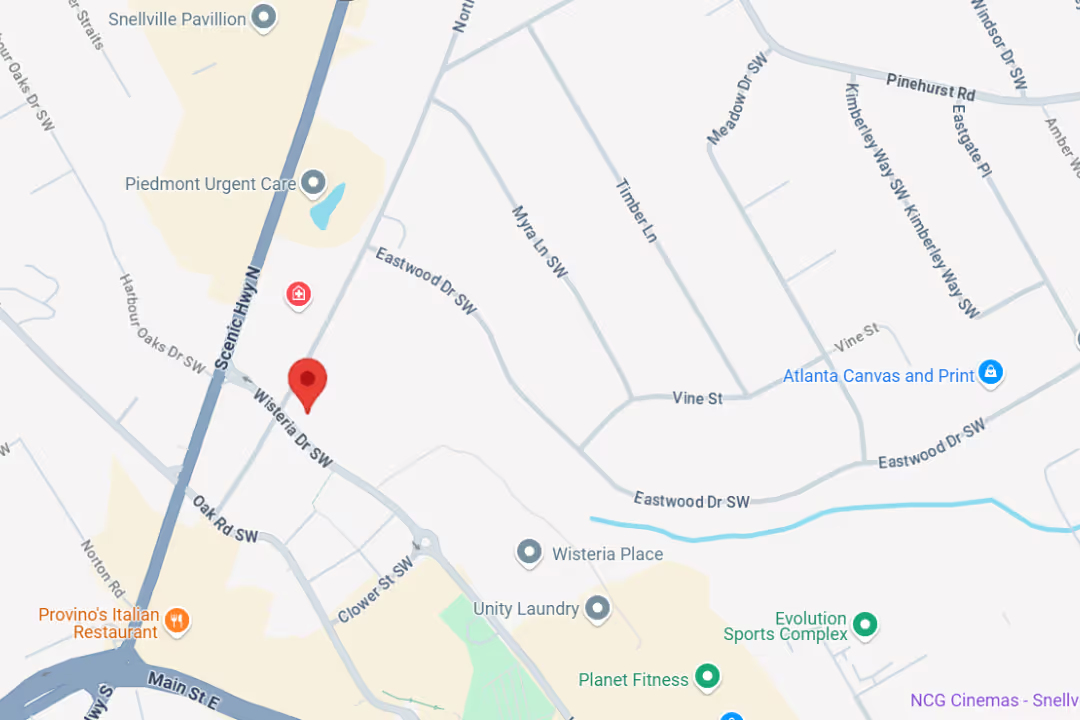
2220 Wisteria Dr, Unit 100, Snellville, GA 30078 | (470) 795-8398
Kennesaw Clinic
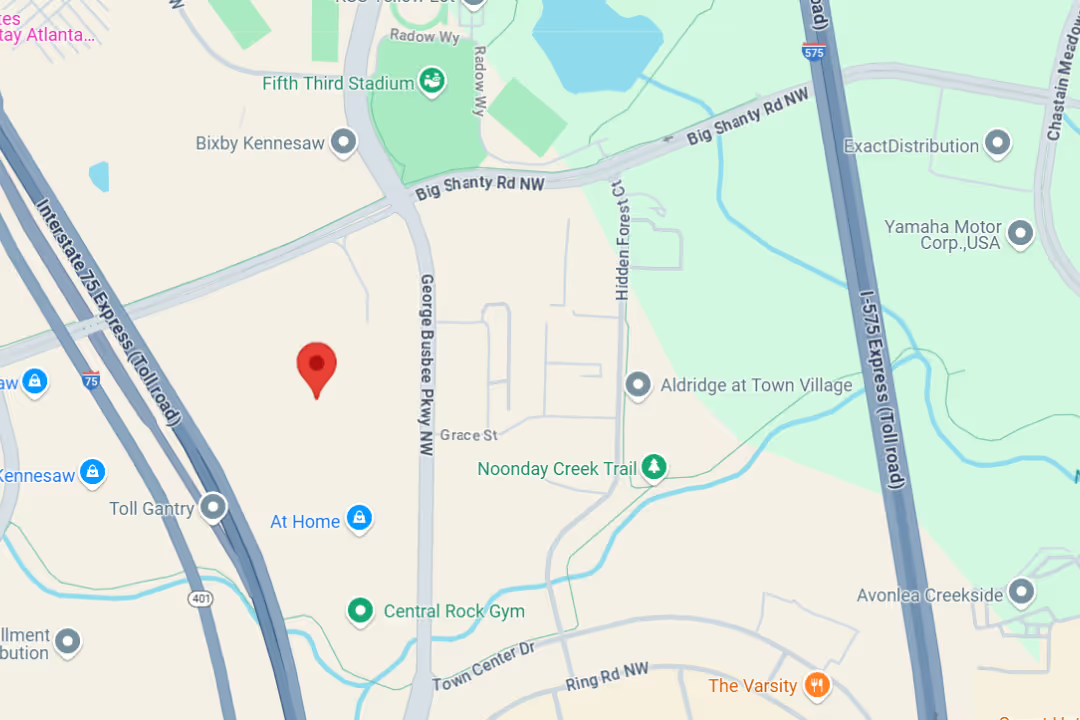
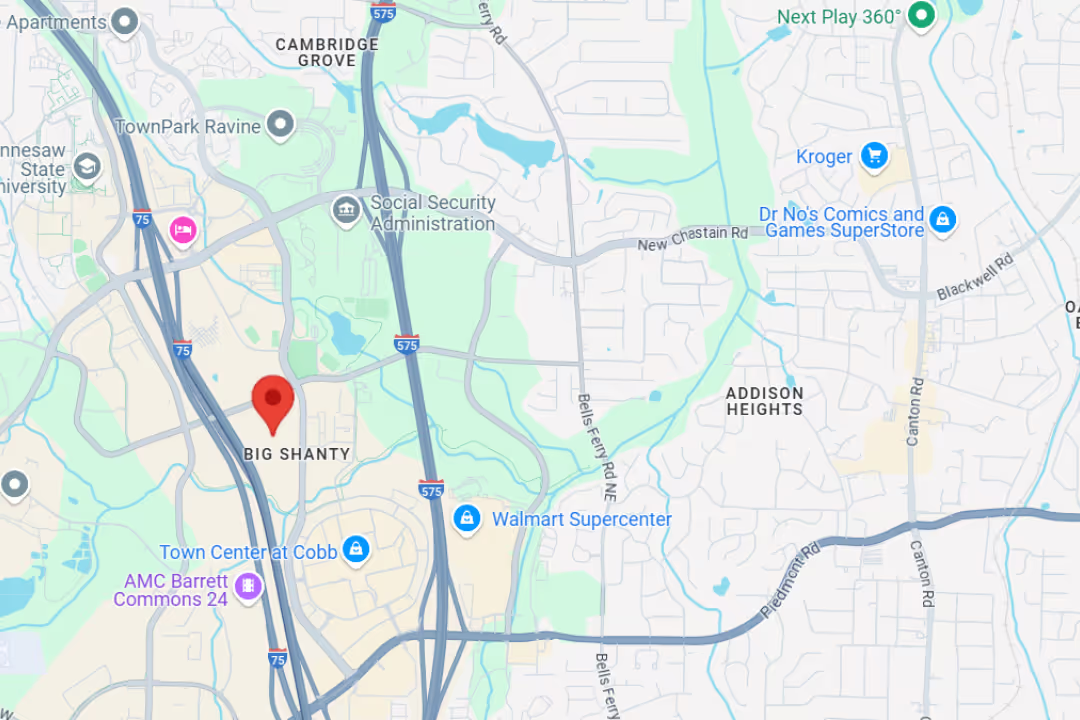
2911 George Busbee Parkway, Suite 50, Kennesaw, GA 30144 | (770) 545-6404
Snellville Clinic
2220 Wisteria Drive, Unit 101, Snellville, GA 30078 | (470) 645-9297
Buckhead PM&R
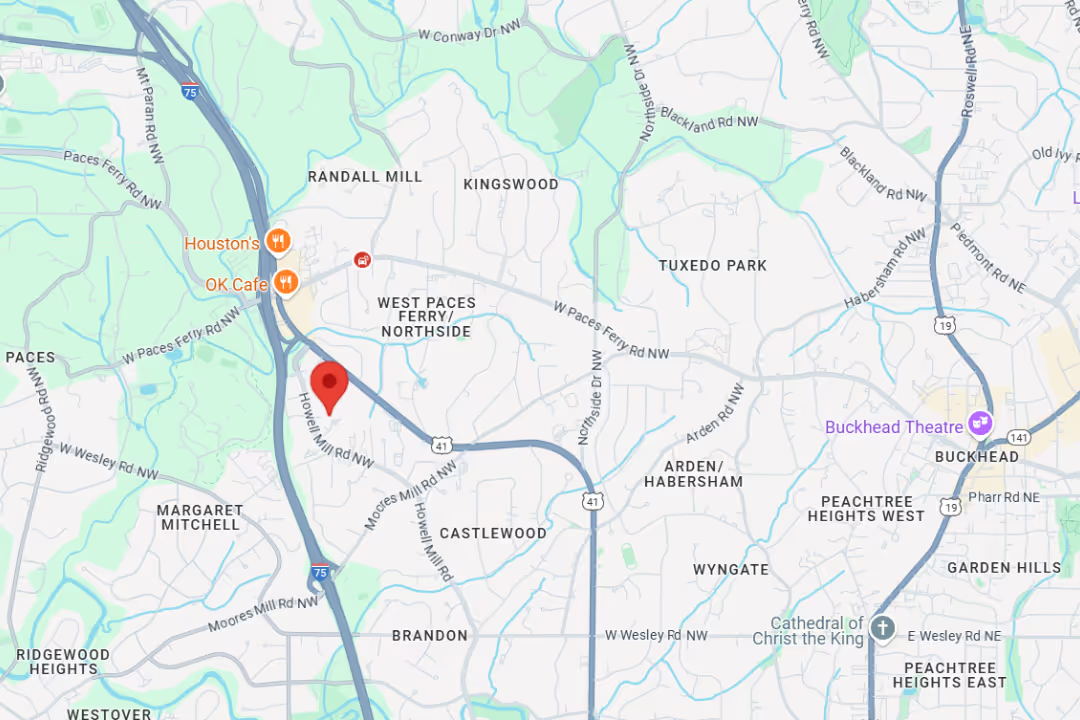
3200 Downwood Circle NW, Suite 520, Atlanta, GA 30327 | (770) 872-7549
Summary:
Meta Title (under 70 characters):
Meta Description (under 160 characters):
At Medici, you’re more than your MRI.
We take time to hear your story, understand your pain, and create a plan that actually works for you.

Our team delivers specialist care at convenient locations across Metro Atlanta:
Get expert tips on injury recovery, pain relief, joint health, and movement strategies—straight from our Fellowship-Trained team.